
The best hiking routes in Sítio de Importância Comunitária Romeu
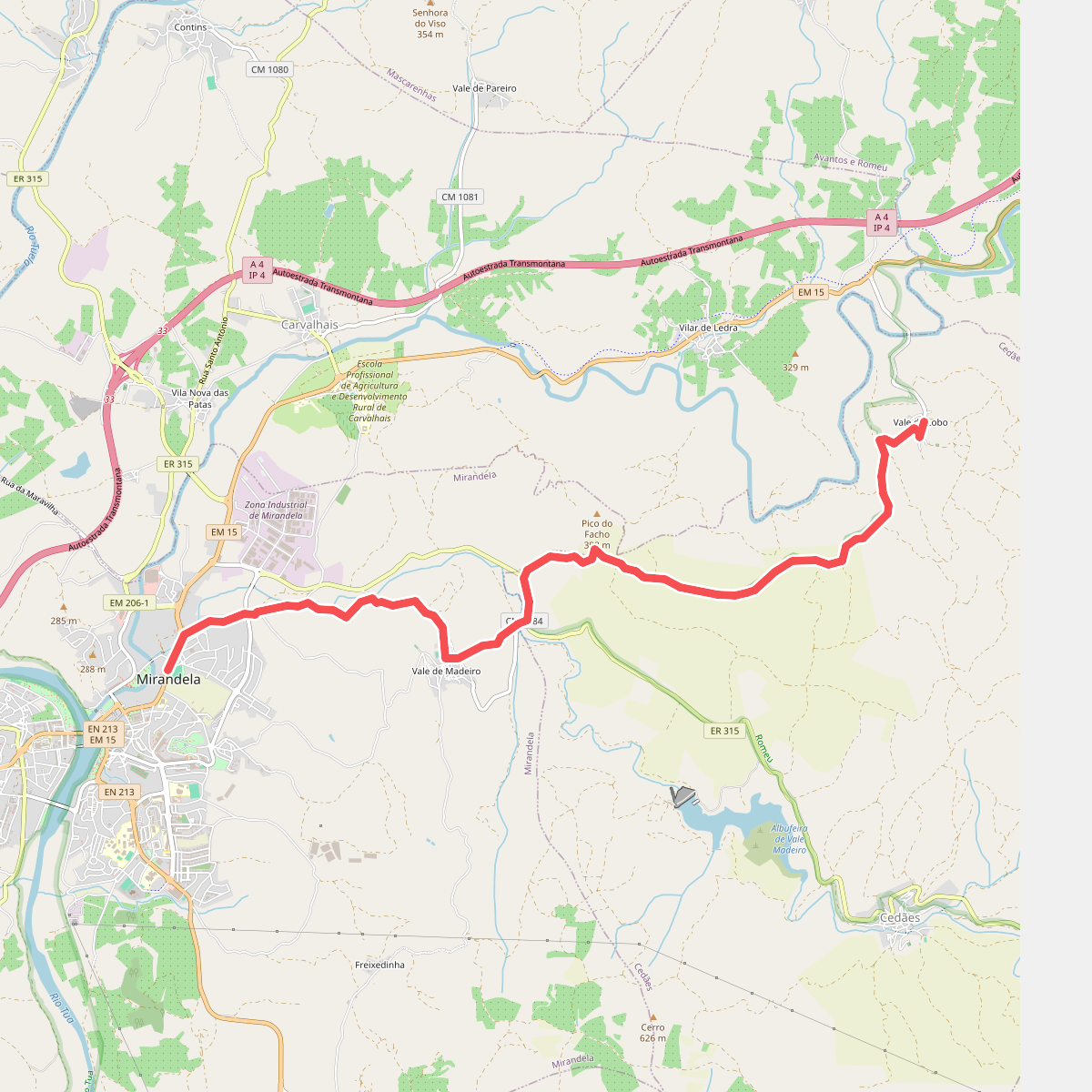
Discover the best walks in Sítio de Importância Comunitária Romeu. 1 routes on the map, with descriptions, photos and GPX.
Managed by Instituto da Conservação da Natureza e das Florestas
About Sítio de Importância Comunitária Romeu
Sítio de Importância Comunitária Romeu is a protected cork oak and holm oak landscape in northeast Portugal, managed by the Instituto da Conservação da Natureza e das Florestas. Unlike the high, barren granite peaks of the nearby Trás-os-Montes ranges, this area consists of gently rolling schist hills covered in dense Mediterranean scrub, olive groves, and open woodland. The terrain is dry and stony underfoot, with paths mostly consisting of rough dirt tracks and agricultural lanes rather than built boardwalks.
Read more
About Sítio de Importância Comunitária Romeu
Sítio de Importância Comunitária Romeu is a protected cork oak and holm oak landscape in northeast Portugal, managed by the Instituto da Conservação da Natureza e das Florestas. Unlike the high, barren granite peaks of the nearby Trás-os-Montes ranges, this area consists of gently rolling schist hills covered in dense Mediterranean scrub, olive groves, and open woodland. The terrain is dry and stony underfoot, with paths mostly consisting of rough dirt tracks and agricultural lanes rather than built boardwalks.
Read moreSítio de Importância Comunitária Romeu is a protected cork oak and holm oak landscape in northeast Portugal, managed by the Instituto da Conservação da Natureza e das Florestas. Unlike the high, barren granite peaks of the nearby Trás-os-Montes ranges, this area consists of gently rolling schist hills covered in dense Mediterranean scrub, olive groves, and open woodland. The terrain is dry and stony underfoot, with paths mostly consisting of rough dirt tracks and agricultural lanes rather than built boardwalks.
Walking here means navigating a working silvopastoral landscape where cork harvesting and sheep grazing shape the vegetation. You will notice the stark contrast between the dark, stripped trunks of recently harvested cork oaks and the pale, dusty green of the wild rockrose scrub that fills the gaps between trees. The valleys hide small, seasonal watercourses lined with ash and willow trees, which offer brief stretches of shade.
In spring, particularly around April, the dry ground is briefly colored by flowering lavender and cistus before the summer heat dries the herbaceous layer. It is a quiet, rural area where you are more likely to encounter local farmers or shepherds than crowds of hikers.