
The best hiking routes in Parque Natural Sabinares de Arlanza-La Yecla
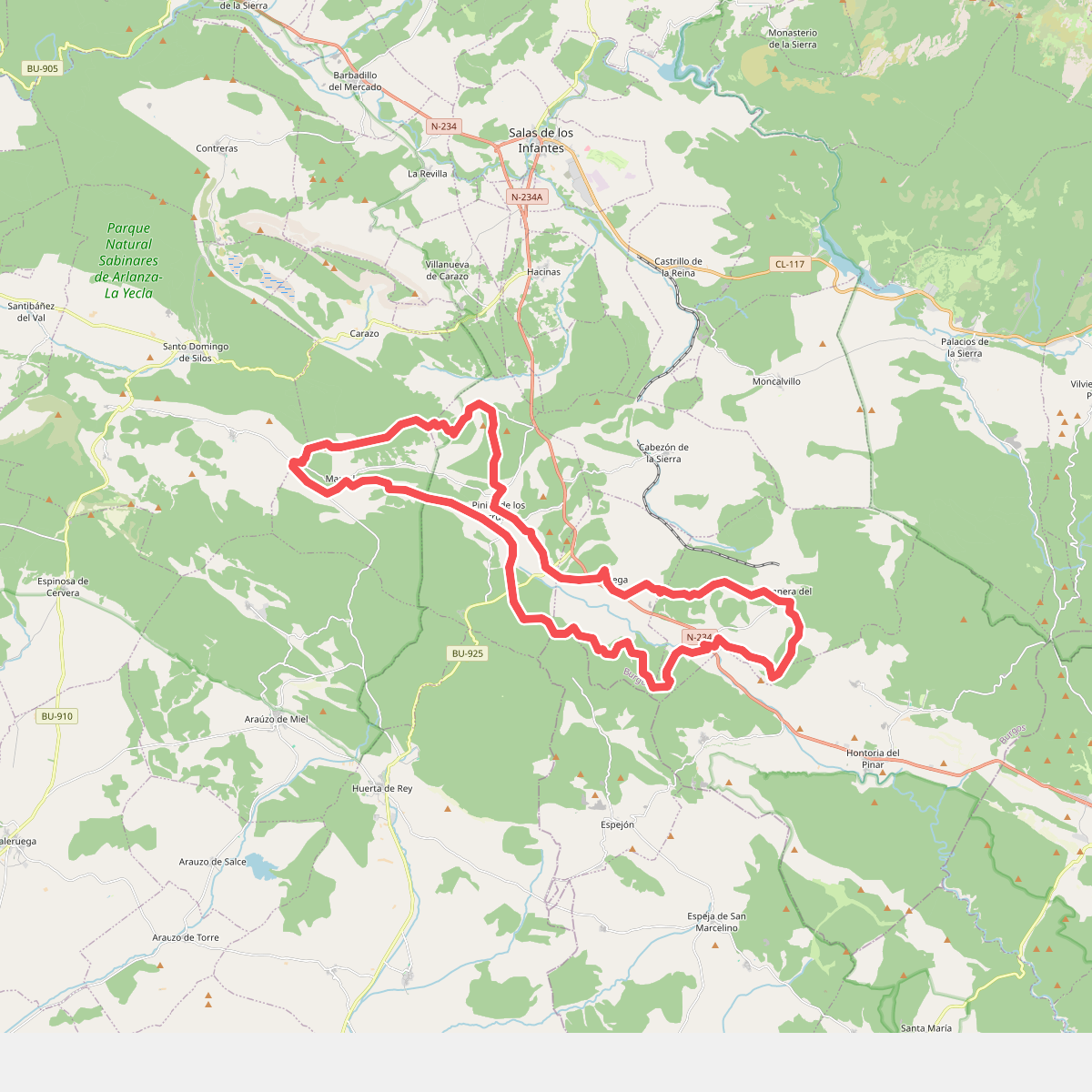
Discover the best walks in Parque Natural Sabinares de Arlanza-La Yecla. 10 routes on the map, with descriptions, photos and GPX.
About Parque Natural Sabinares de Arlanza-La Yecla
Parque Natural Sabinares de Arlanza-La Yecla is defined by its ancient, slow-growing Spanish juniper forests and dramatic limestone formations. Unlike the lush, damp forests of northern Spain, this landscape is arid and rugged, dominated by grey rock outcrops and hardy, evergreen scrub. The terrain is characterized by steep limestone cliffs, deep gorges, and high, dry plateaus where the soil is thin and stony. Underfoot, walkers will mostly encounter rough, rocky paths, loose limestone scree, and hard-packed clay tracks that require sturdy footwear.
Read more
About Parque Natural Sabinares de Arlanza-La Yecla
Parque Natural Sabinares de Arlanza-La Yecla is defined by its ancient, slow-growing Spanish juniper forests and dramatic limestone formations. Unlike the lush, damp forests of northern Spain, this landscape is arid and rugged, dominated by grey rock outcrops and hardy, evergreen scrub. The terrain is characterized by steep limestone cliffs, deep gorges, and high, dry plateaus where the soil is thin and stony. Underfoot, walkers will mostly encounter rough, rocky paths, loose limestone scree, and hard-packed clay tracks that require sturdy footwear.
Read moreParque Natural Sabinares de Arlanza-La Yecla is defined by its ancient, slow-growing Spanish juniper forests and dramatic limestone formations. Unlike the lush, damp forests of northern Spain, this landscape is arid and rugged, dominated by grey rock outcrops and hardy, evergreen scrub. The terrain is characterized by steep limestone cliffs, deep gorges, and high, dry plateaus where the soil is thin and stony. Underfoot, walkers will mostly encounter rough, rocky paths, loose limestone scree, and hard-packed clay tracks that require sturdy footwear.
The most distinct feature of the park is the contrast between the open, sun-exposed limestone plateaus and the narrow, shaded depths of the Yecla gorge. In the gorge, a concrete boardwalk suspended above the stream bed allows walkers to pass through a sheer rock cleft only a few meters wide, where the air remains cool and damp. Outside of this narrow canyon, the trails climb onto the dry hillsides where the scent of juniper and rosemary dominates, and the vegetation is sparse and wind-pruned.
This park does not offer high alpine peaks or lush green meadows. Instead, it presents a stark, Mediterranean-mountain environment where the limestone has been carved by the Arlanza River and its tributaries. The paths are often steep and uneven, requiring careful stepping over exposed tree roots and sharp rock edges. While the famous gorge section can attract visitors on weekends, the vast juniper groves on the surrounding hillsides remain quiet and offer a solitary walking experience through a ancient, slow-changing landscape.
Hiking routes in Parque Natural Sabinares de Arlanza-La Yecla (10)
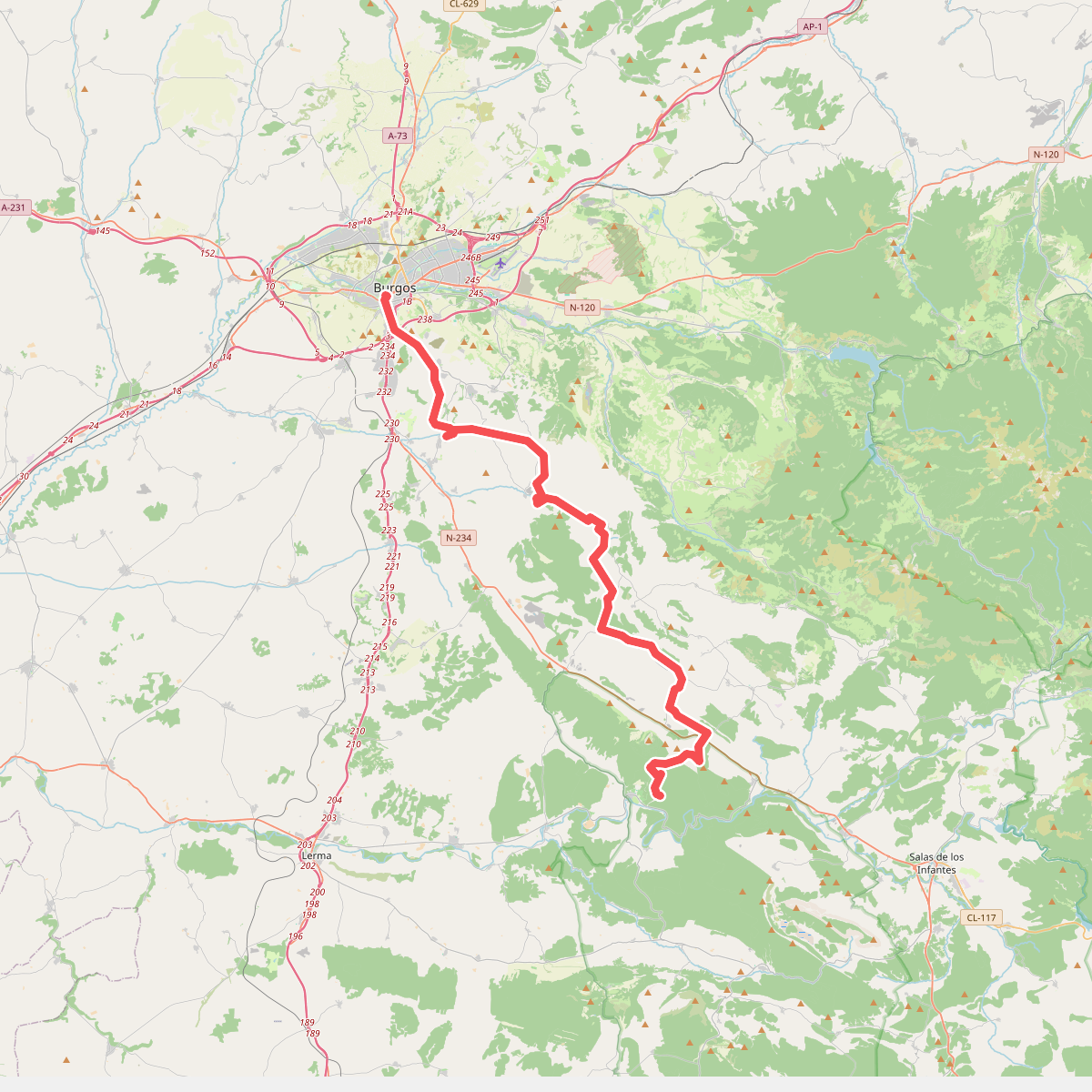
#1. Camino de San Olav
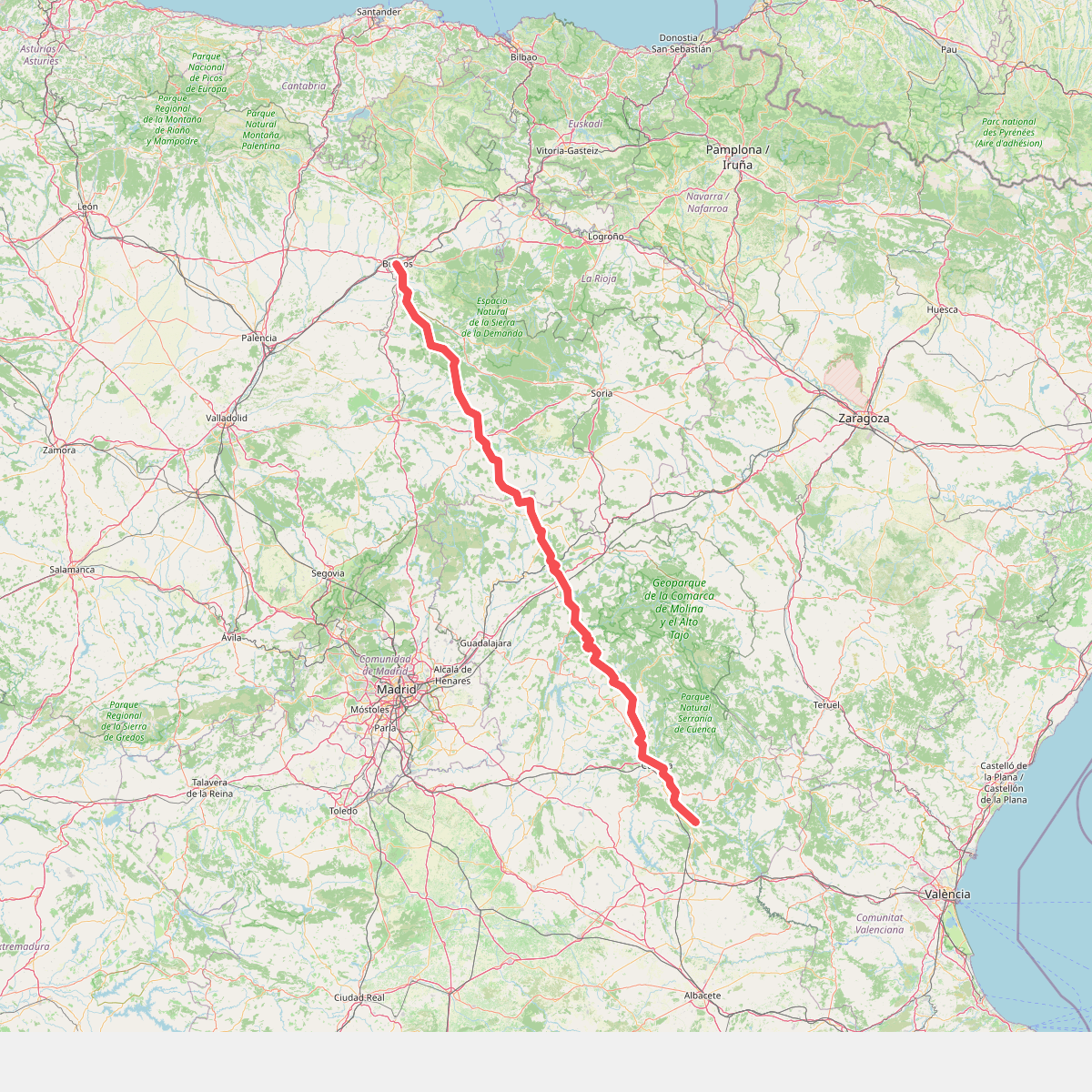
#2. Camino de Santiago de la Lana.Senderista
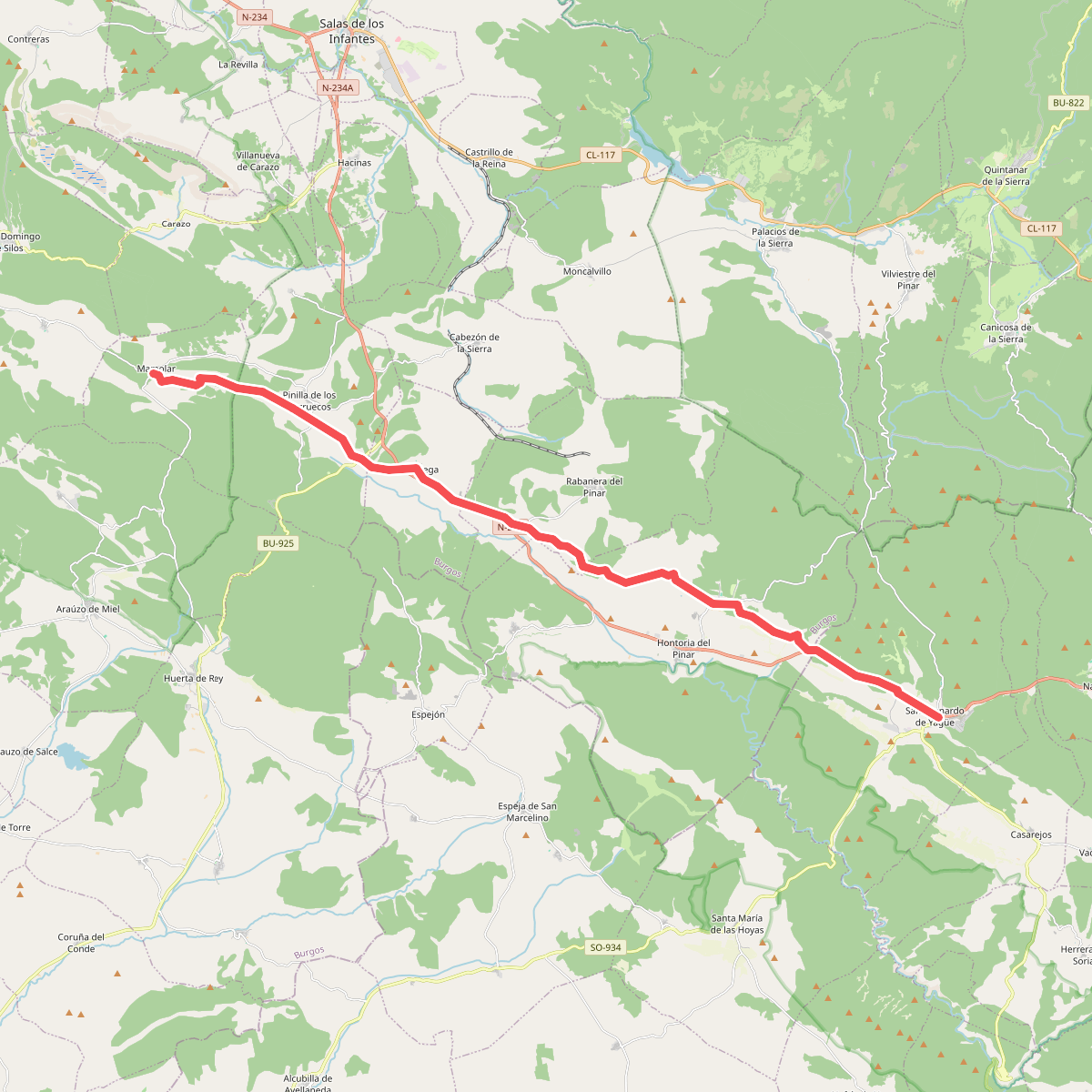
#3. Camino Jacobeo Castellano-Aragonés: San Leonardo de Yagüe-Mamolar
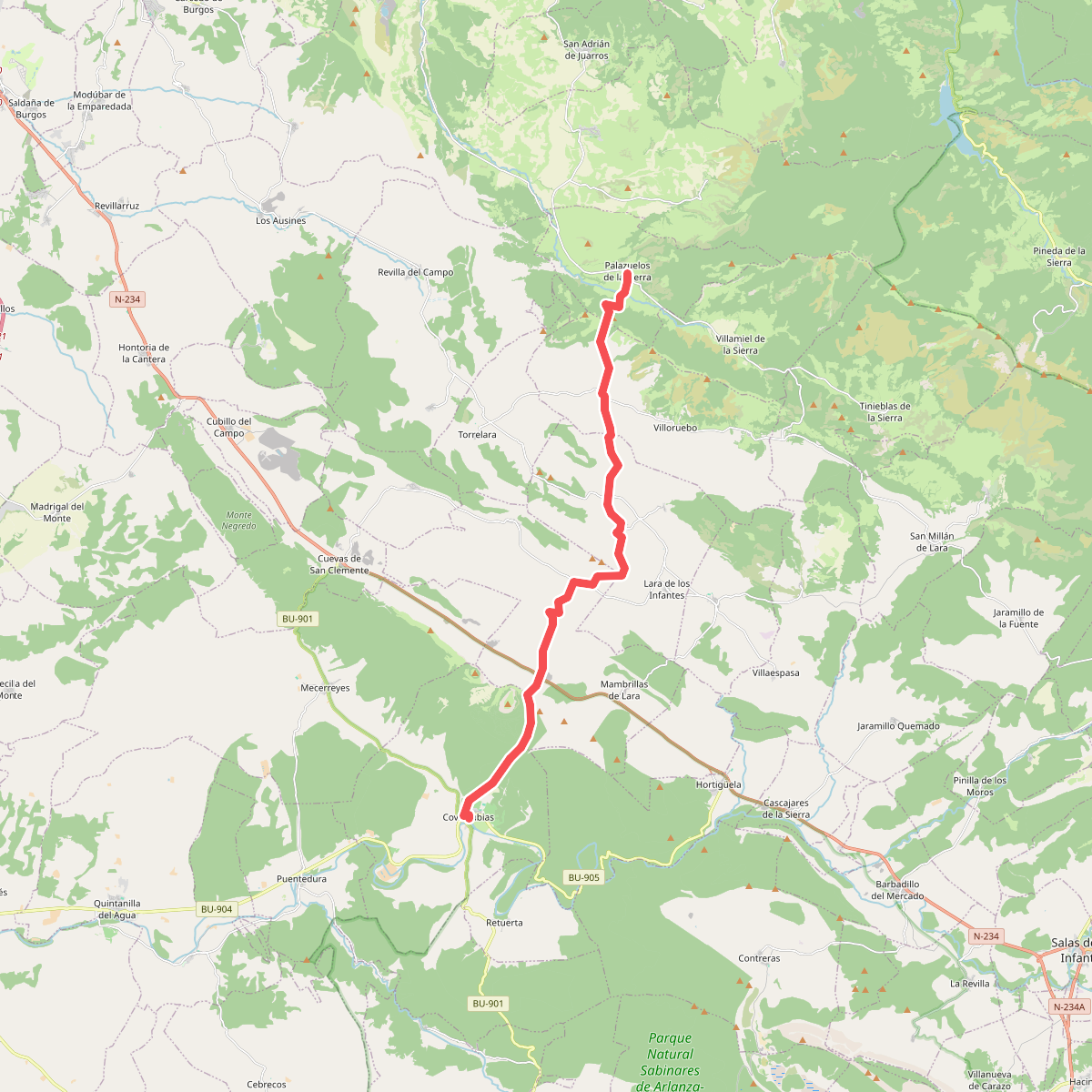
#4. Etapa 6 Palazuelos de la Sierra - Covarrubias
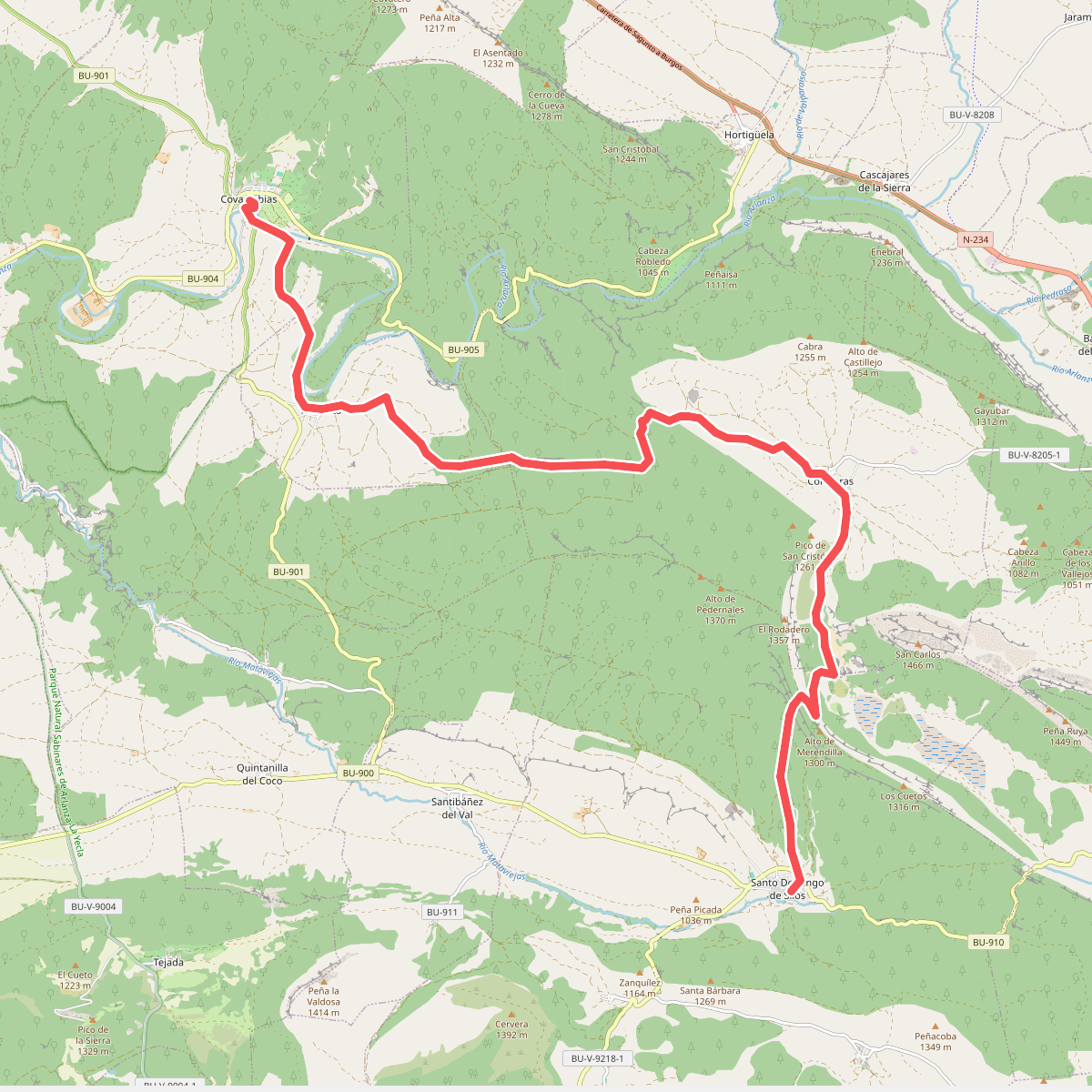
#5. Etapa 7 Covarrubias - Santo Domingo de Silos
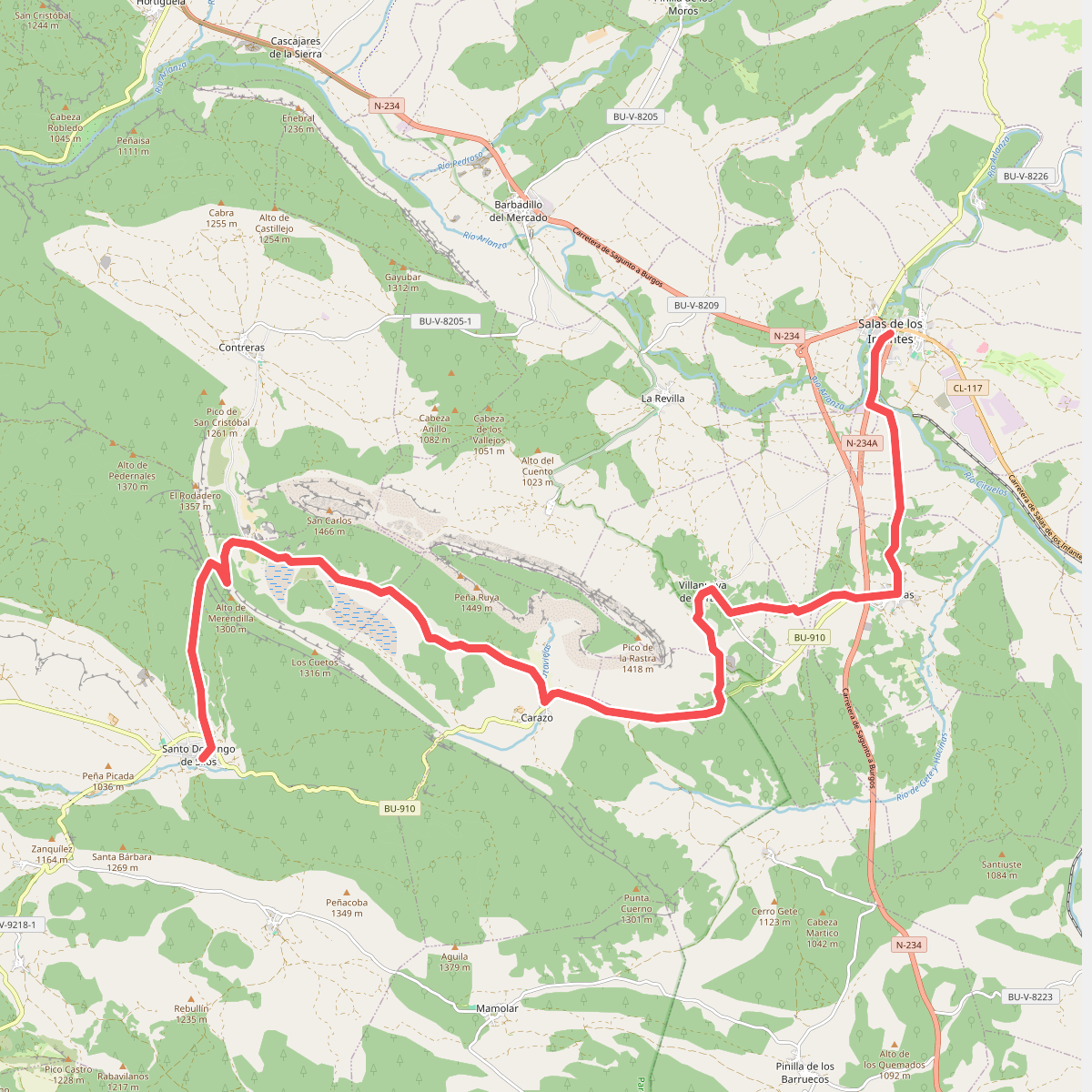
#6. Etapa 8 Santo Domingo de Silos - Salas de los Infantes
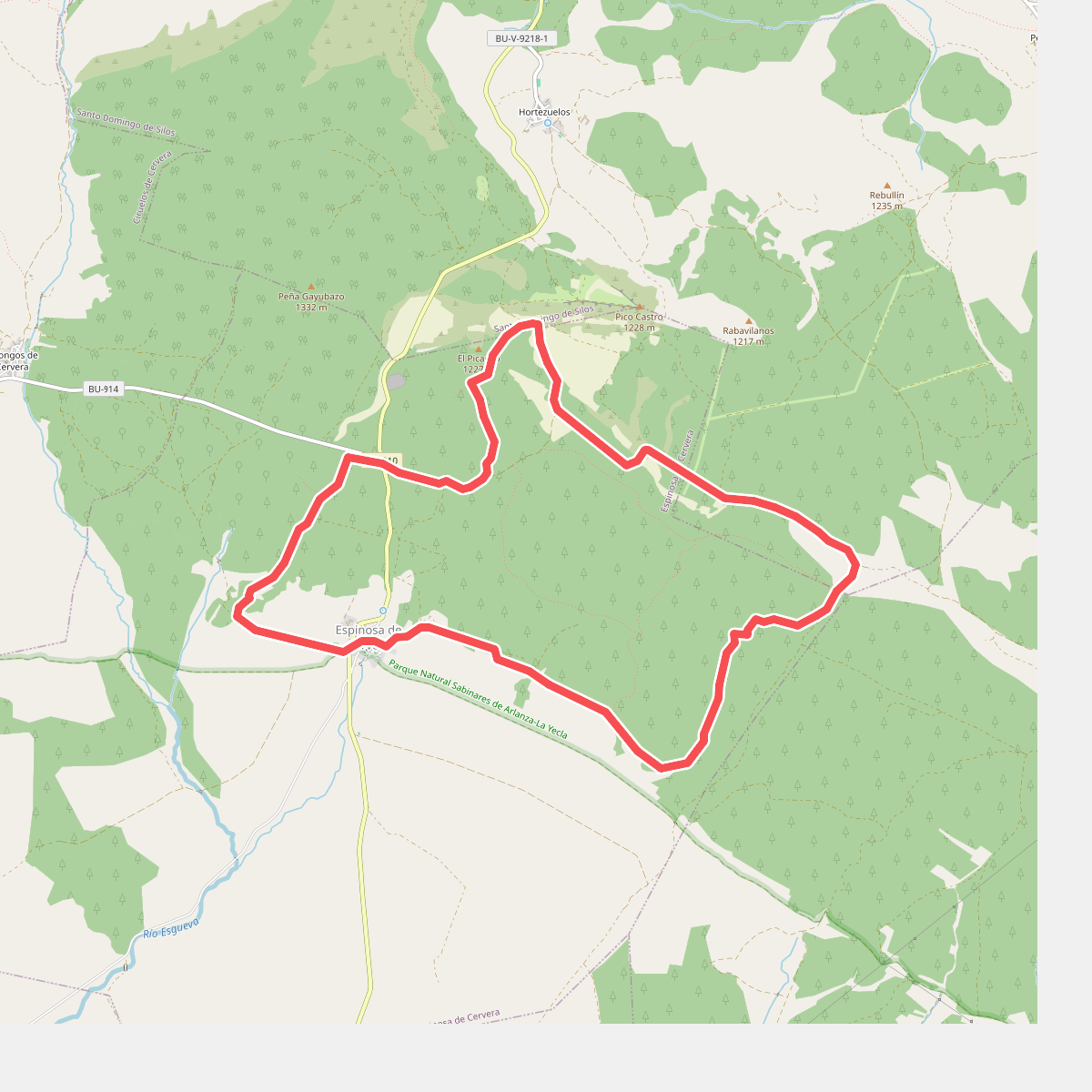
#7. Sabinar del Arlanza
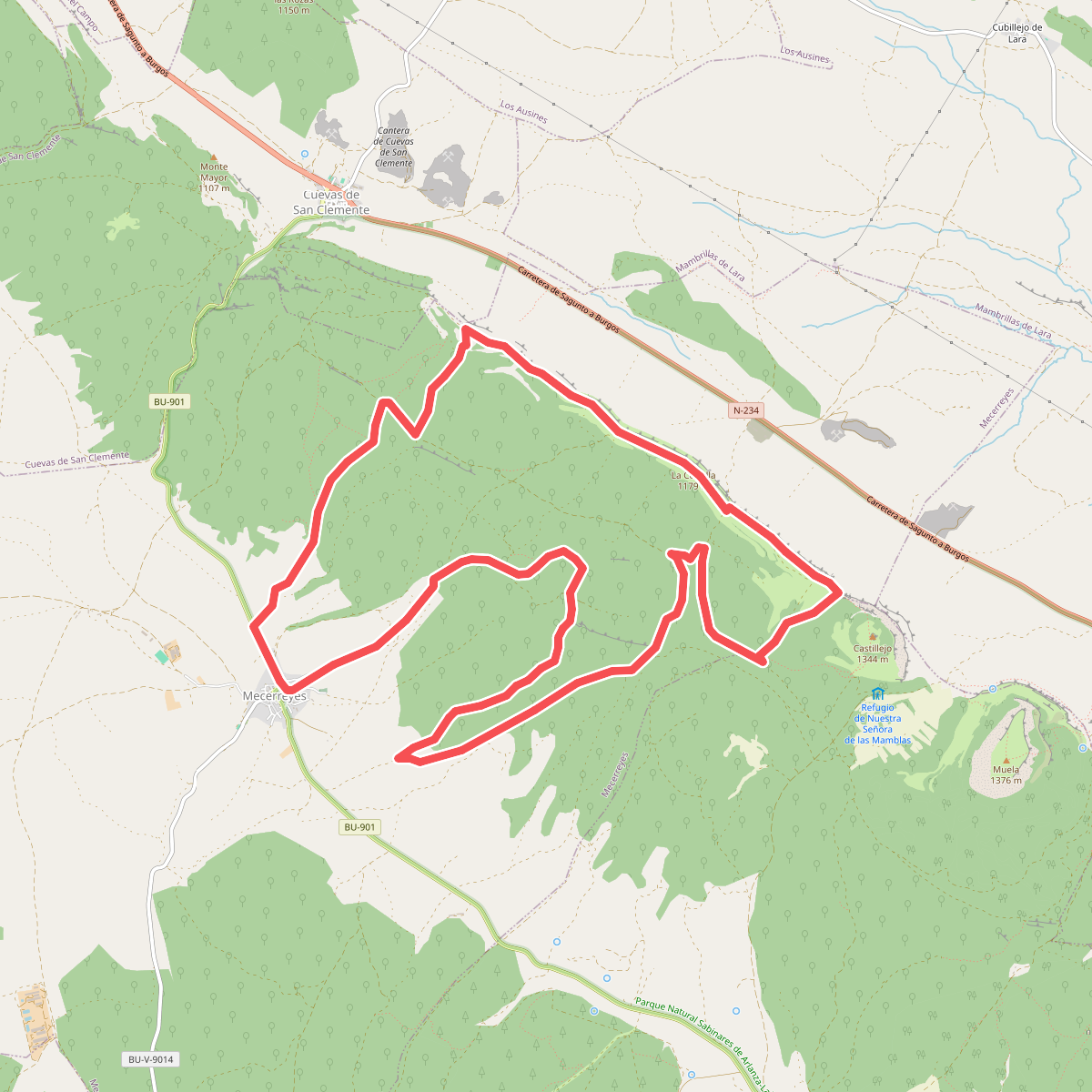
#8. Sendero de la Cuna del Buen Conde
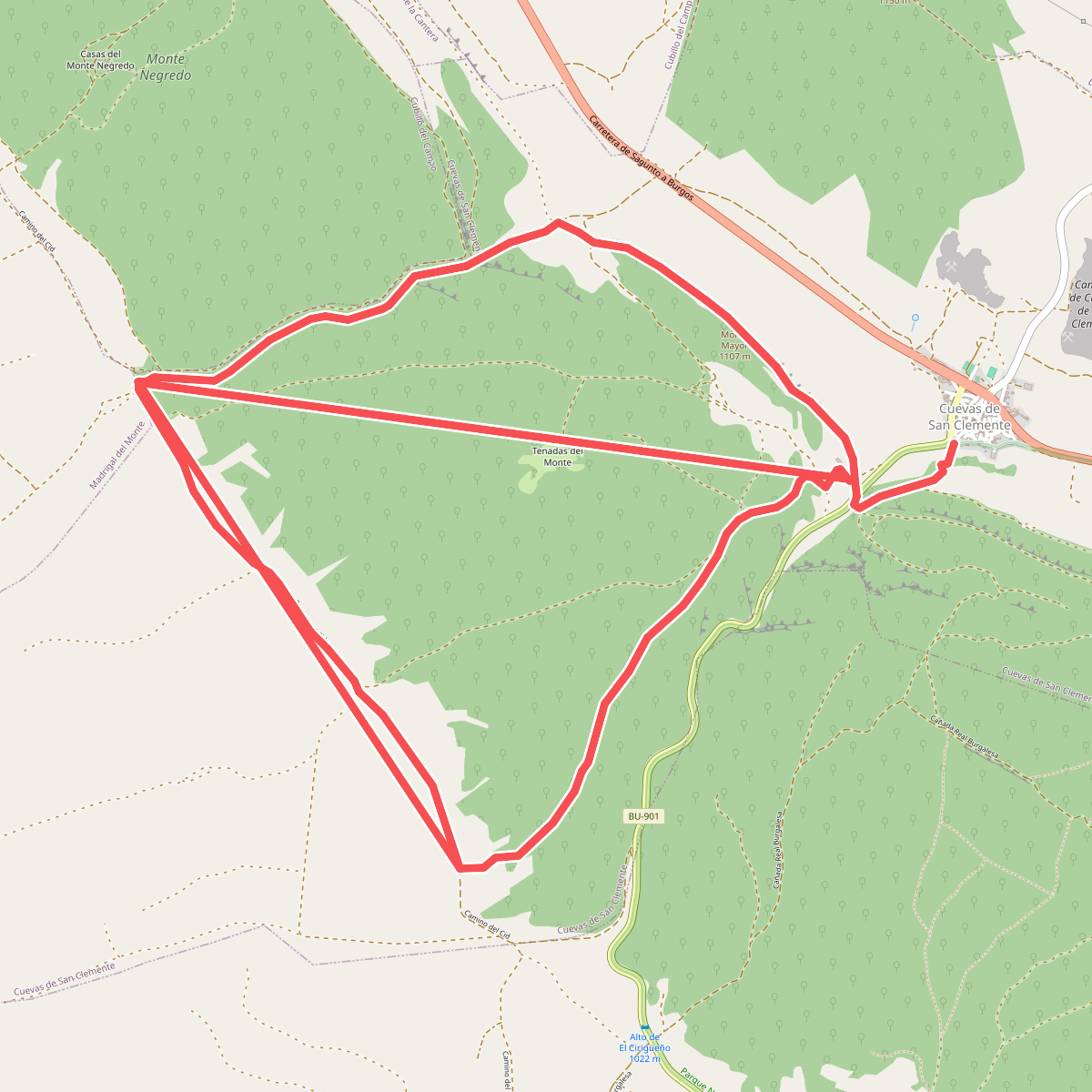
#9. Sendero de San Clemente