
The best hiking routes in Parque Natural do Vale do Guadiana
Discover the best walks in Parque Natural do Vale do Guadiana. 14 routes on the map, with descriptions, photos and GPX.
Managed by Instituto da Conservação da Natureza e das Florestas
About Parque Natural do Vale do Guadiana
Parque Natural do Vale do Guadiana offers a rugged, arid landscape dominated by the deep valley of the Guadiana River and its steep, rocky tributaries. Unlike the lush coastal areas of southern Portugal, this interior park is characterized by rolling plains of schist, dense Mediterranean scrub, and open holm oak woodlands known as montado. The terrain is dry and stony underfoot, with paths often following rough dirt tracks, old mining trails, or rocky riverbanks rather than manicured gravel ways.
Read more
About Parque Natural do Vale do Guadiana
Parque Natural do Vale do Guadiana offers a rugged, arid landscape dominated by the deep valley of the Guadiana River and its steep, rocky tributaries. Unlike the lush coastal areas of southern Portugal, this interior park is characterized by rolling plains of schist, dense Mediterranean scrub, and open holm oak woodlands known as montado. The terrain is dry and stony underfoot, with paths often following rough dirt tracks, old mining trails, or rocky riverbanks rather than manicured gravel ways.
Read moreParque Natural do Vale do Guadiana offers a rugged, arid landscape dominated by the deep valley of the Guadiana River and its steep, rocky tributaries. Unlike the lush coastal areas of southern Portugal, this interior park is characterized by rolling plains of schist, dense Mediterranean scrub, and open holm oak woodlands known as montado. The terrain is dry and stony underfoot, with paths often following rough dirt tracks, old mining trails, or rocky riverbanks rather than manicured gravel ways.
Walking here reveals a landscape shaped by water scarcity and traditional low-intensity farming. You will notice the contrast between the dry, sun-baked hillsides covered in cistus shrubs and the narrow, greener corridors along the watercourses where oleander and tamarix grow. The dramatic gorge of Pulo do Lobo, where the river narrows and drops through a rocky chasm, is a central feature where the raw geological structure of the region is most visible.
This park is not a destination for those seeking high mountain peaks or shaded forest canopies. The walking routes are generally open to the elements, offering little shade during the hot summer months, making late autumn through early spring the practical time to visit. While the main viewpoint at Pulo do Lobo attracts some visitors, the vast network of rural tracks remains quiet, offering a stark, quiet experience of the Alentejo interior.
Hiking routes in Parque Natural do Vale do Guadiana (14)
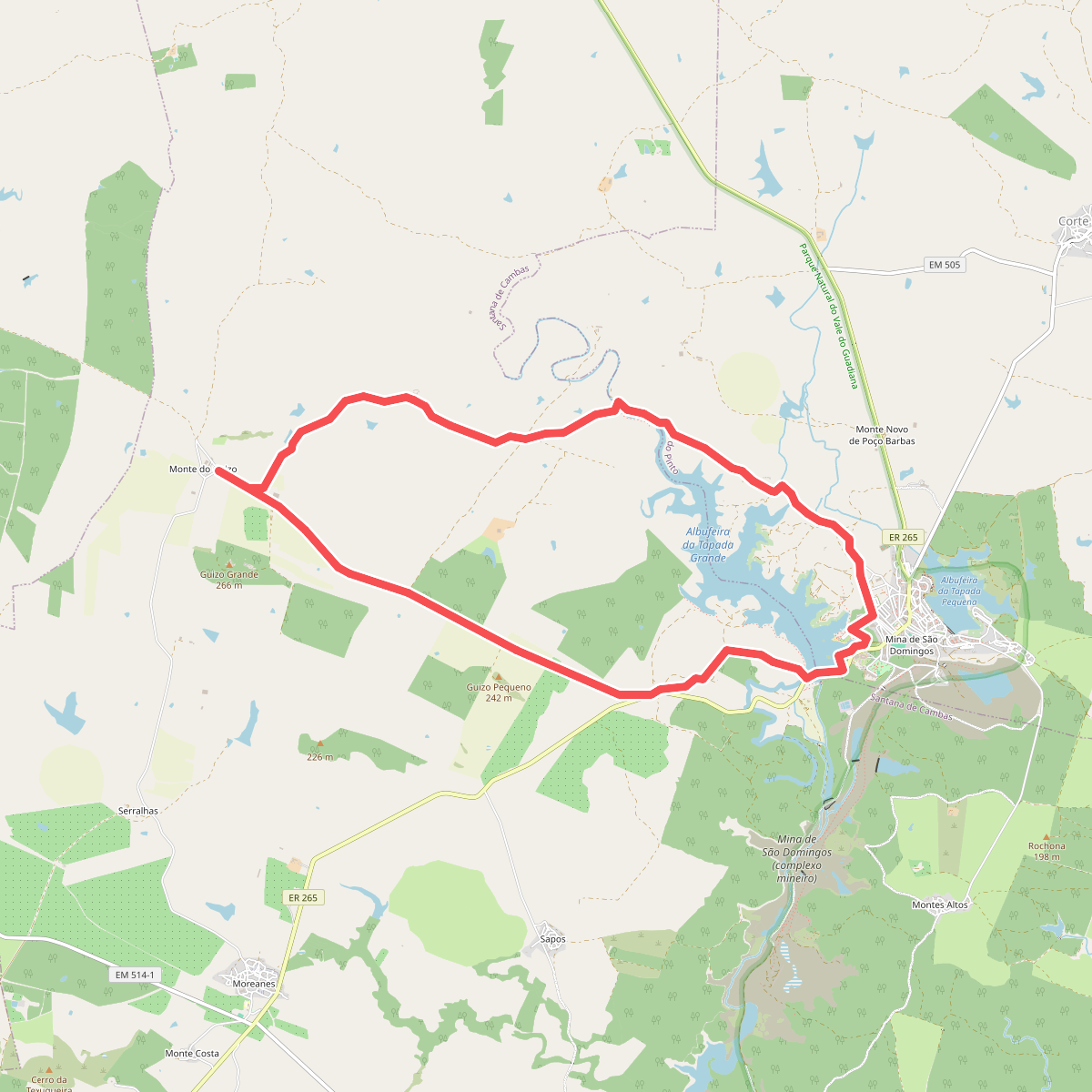
#1. À volta do Montado
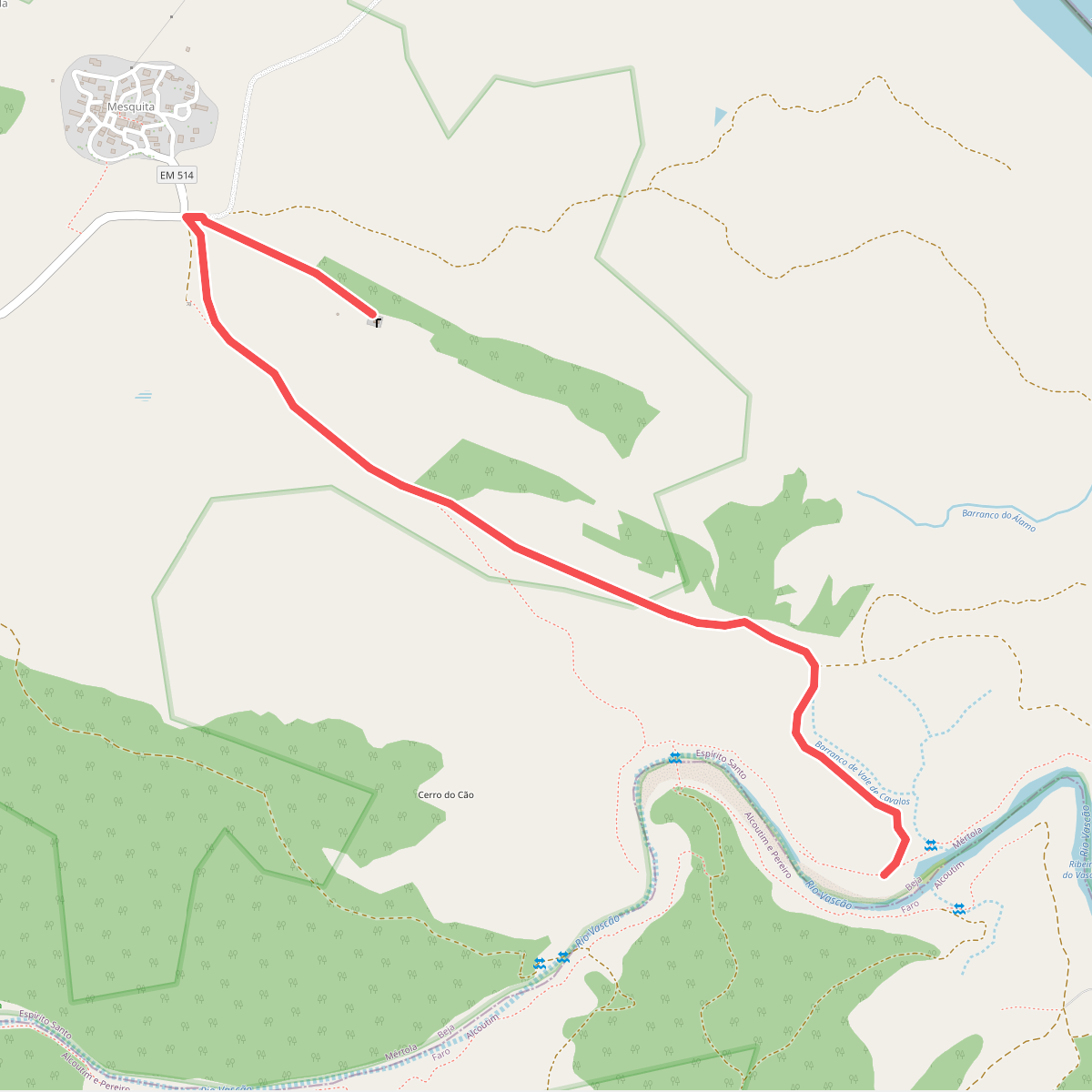
#2. Ao ritmo das águas do Vascão
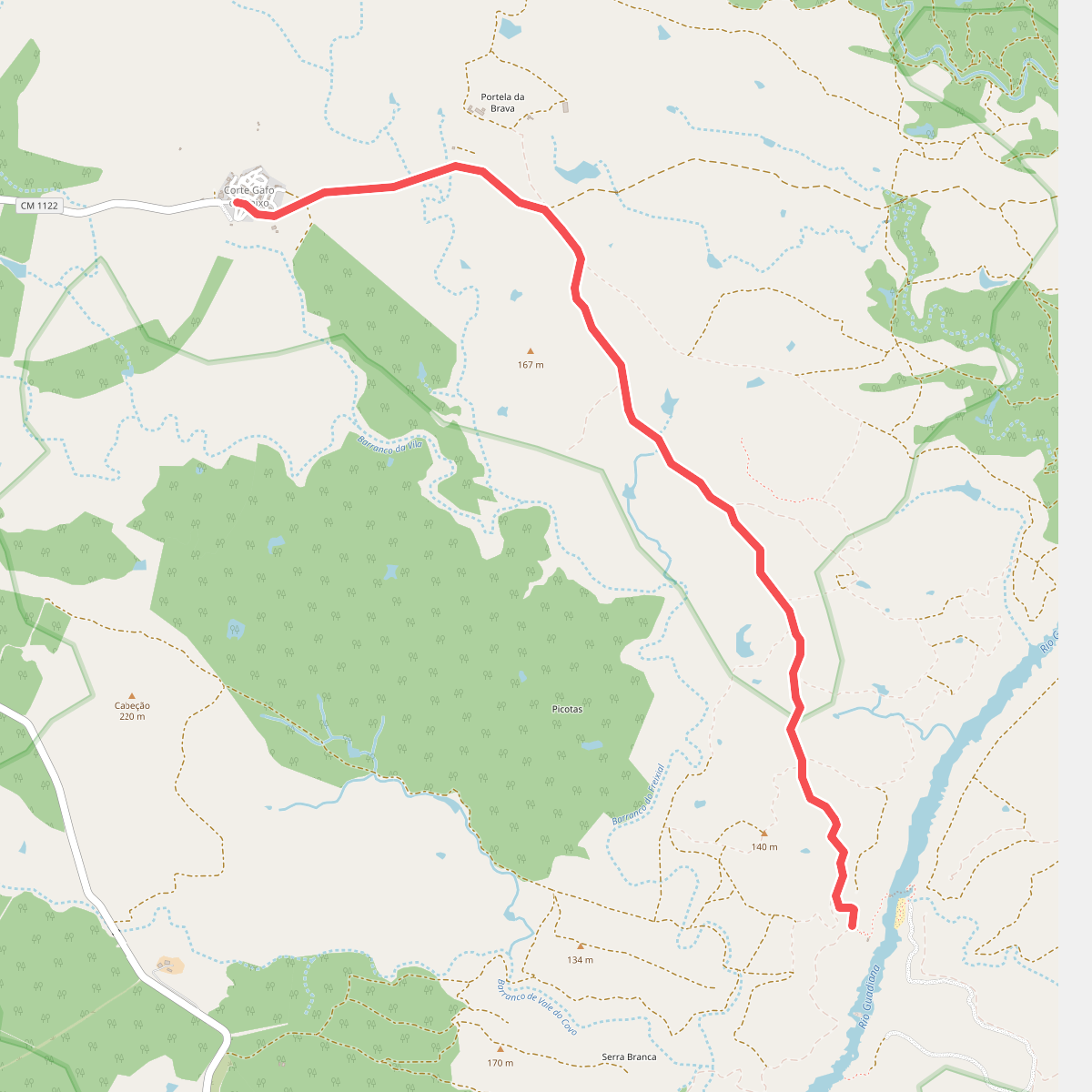
#3. As Margens do Guadiana
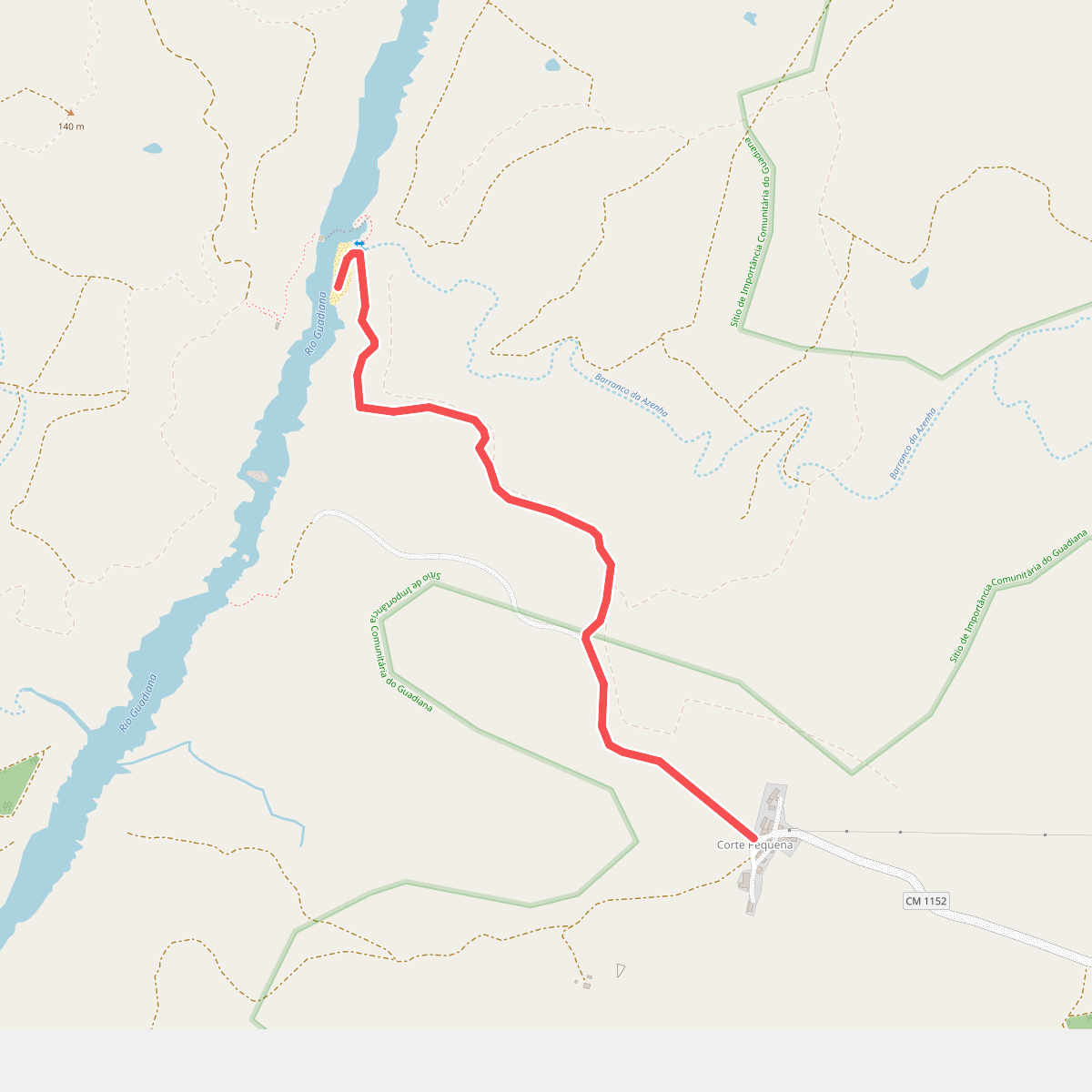
#4. Canais do Guadiana
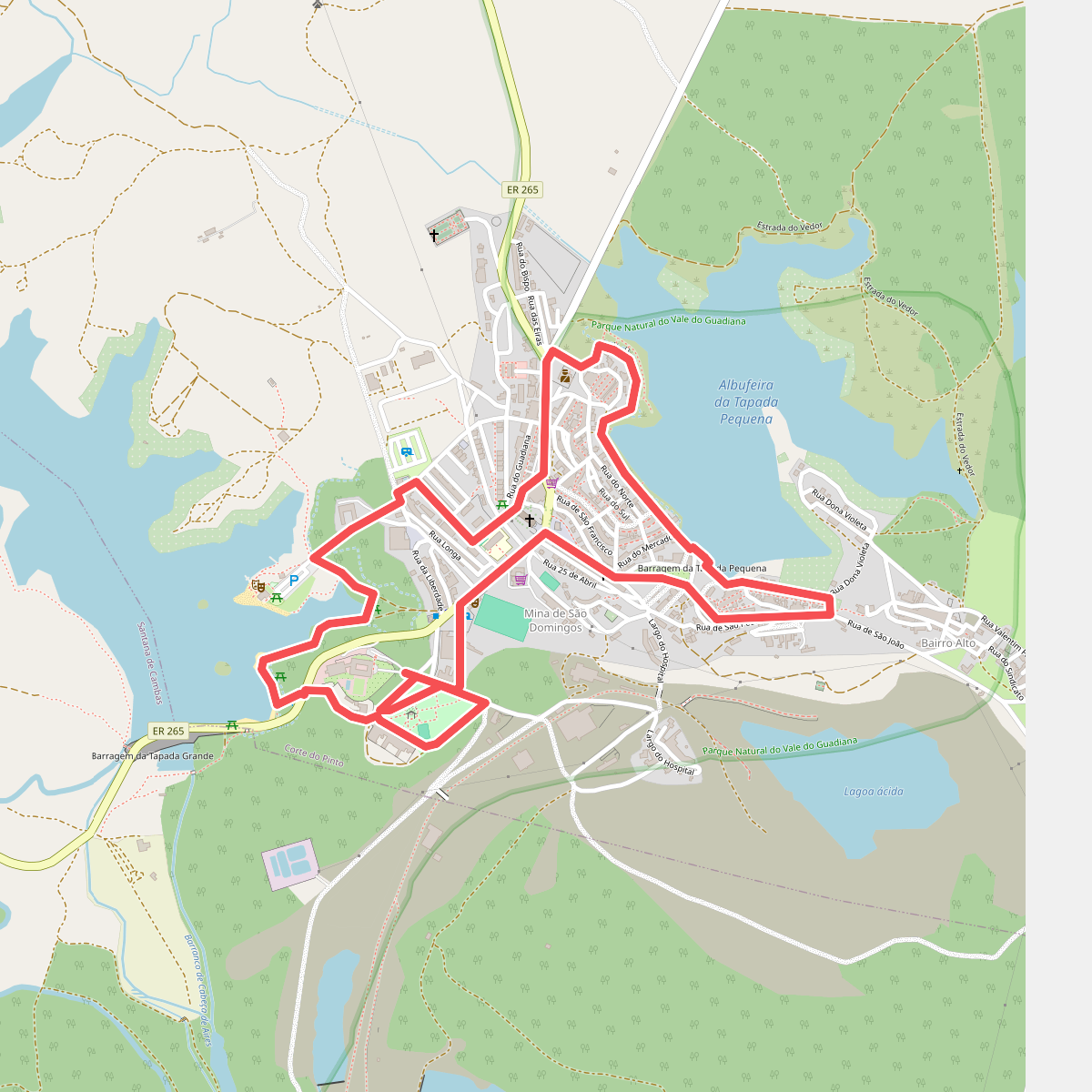
#5. Circuito Urbano Mina de São Domingos
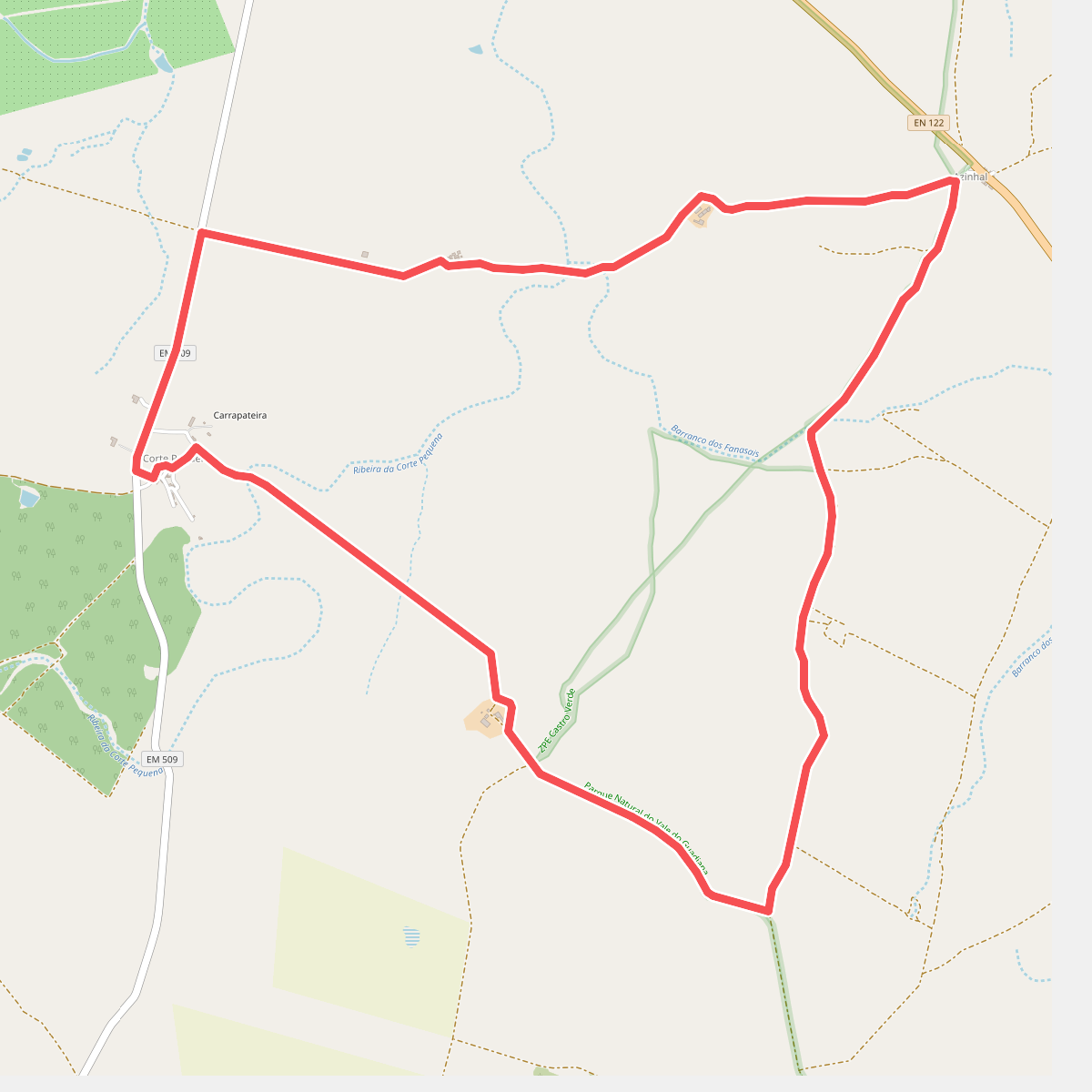
#6. Entre a Estepe e o Montado
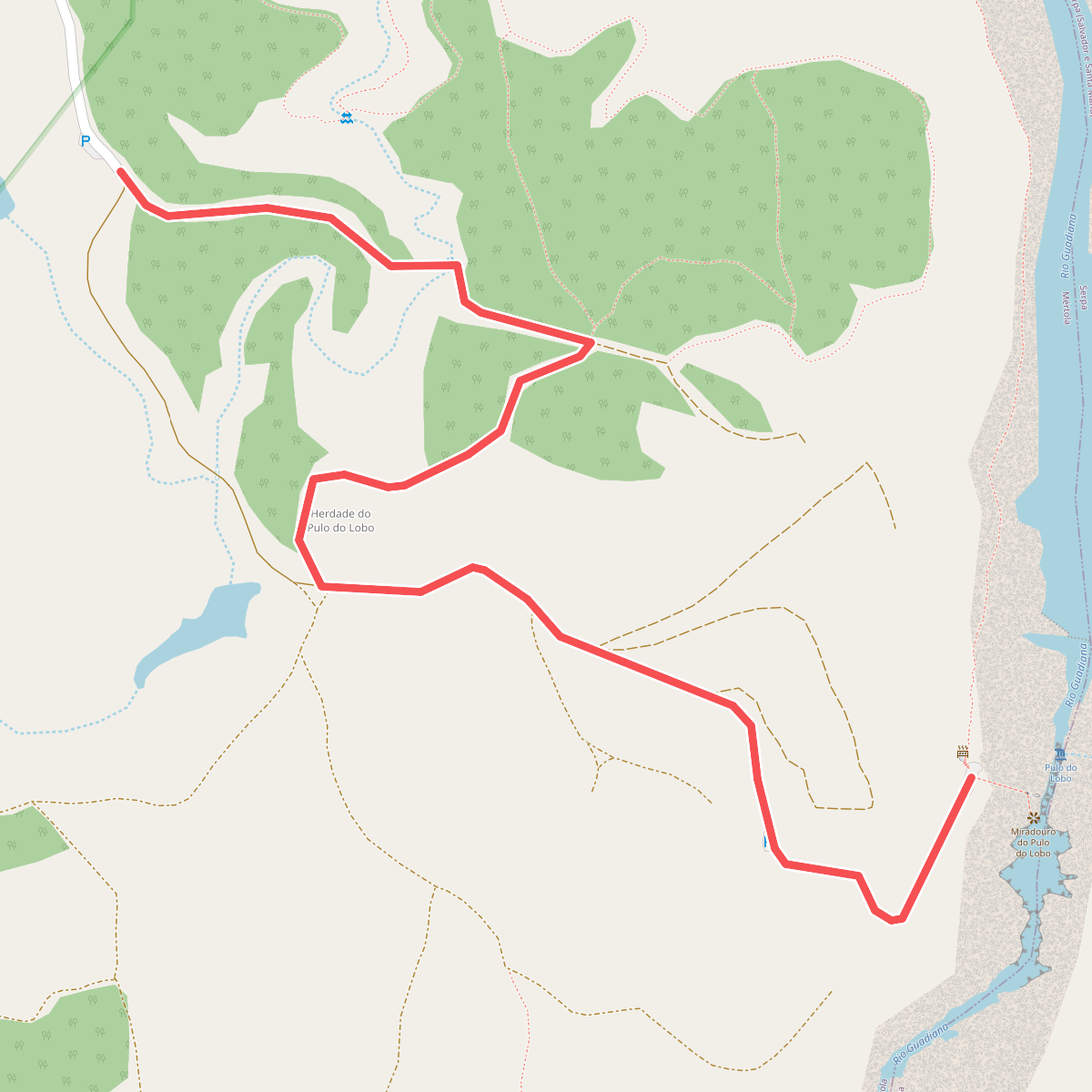
#7. Entre o Escalda e o Pulo do Lobo
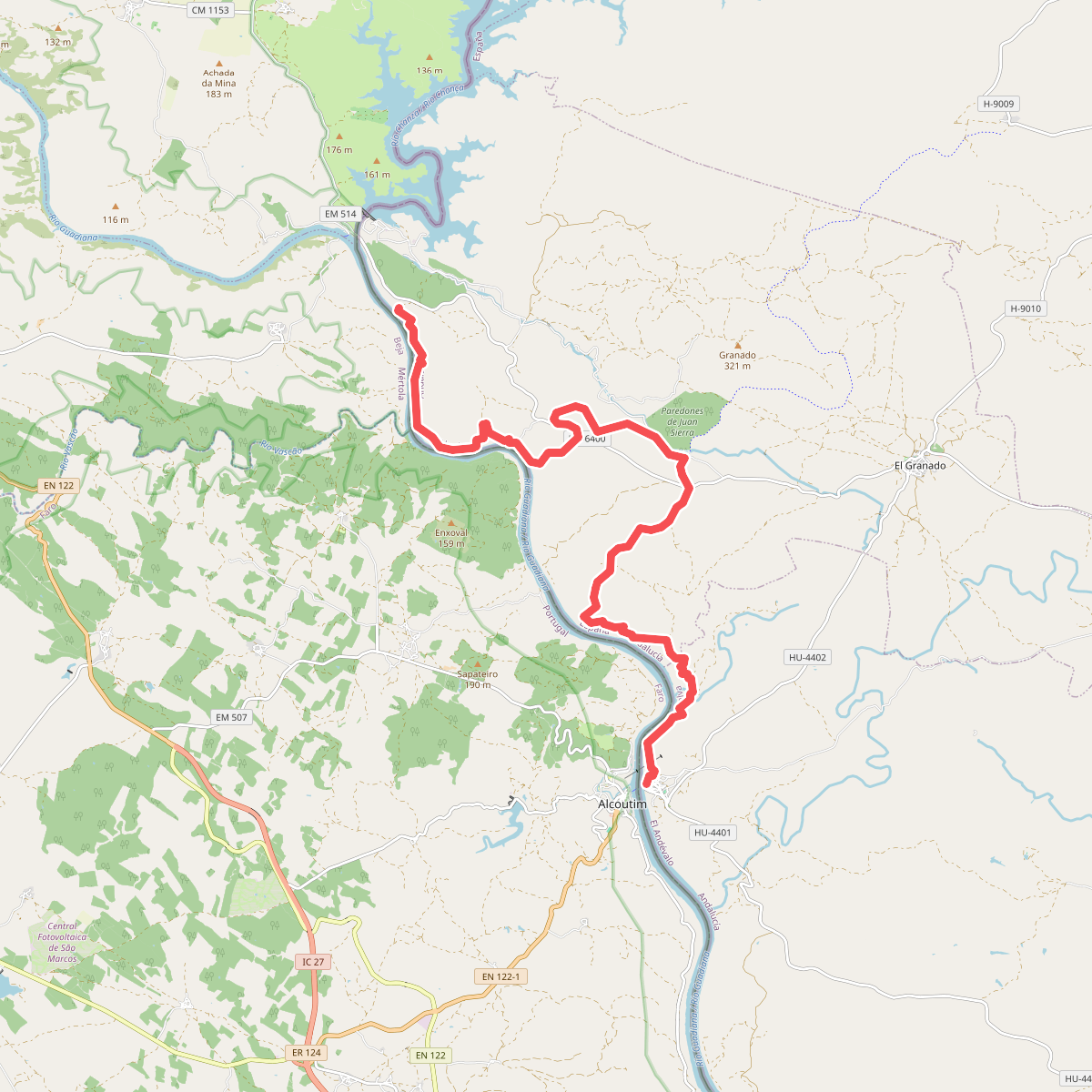
#8. Etapa 41: Cuartel Cañaveral - Sanlúcar de Guadiana
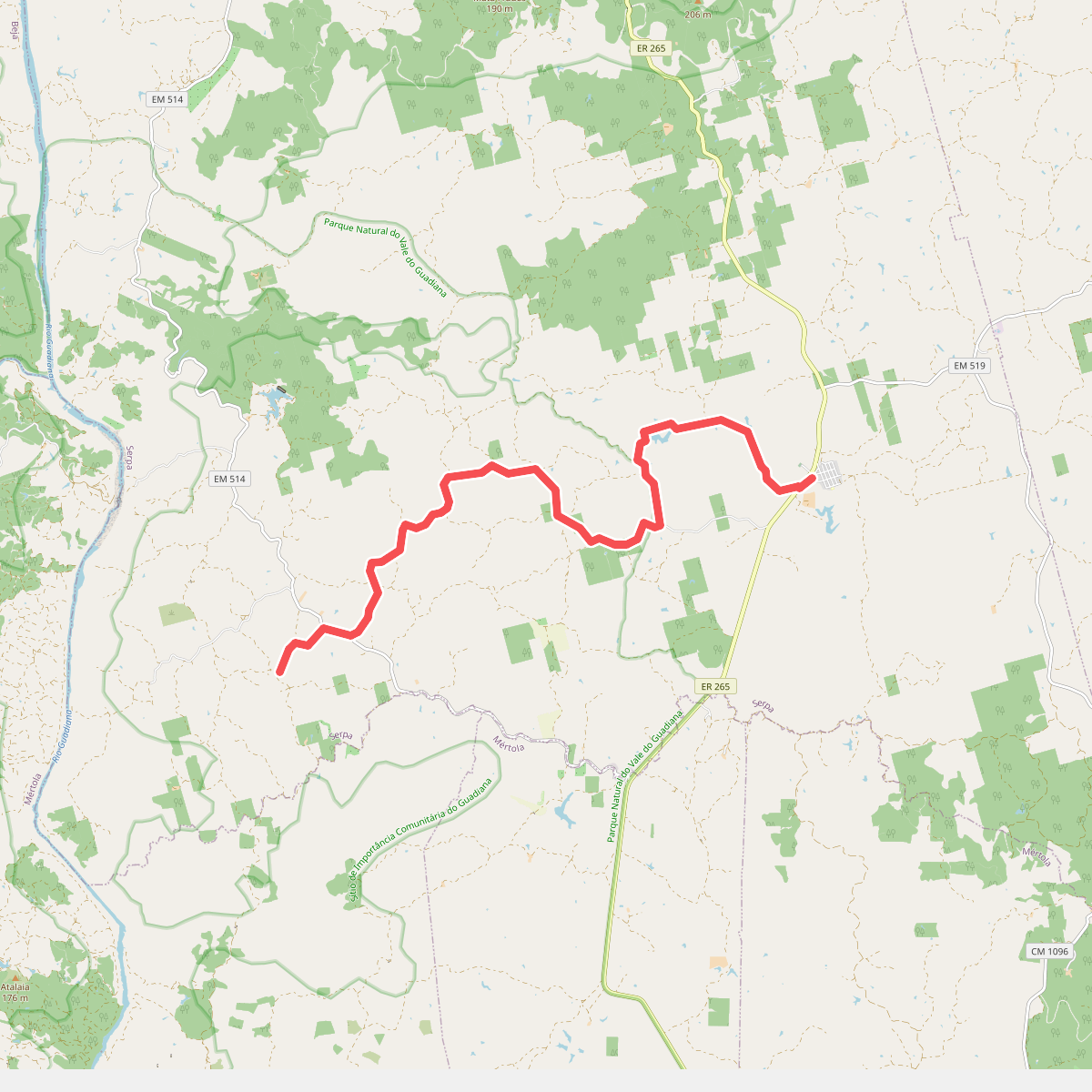
#9. GR15.2 Sector 1
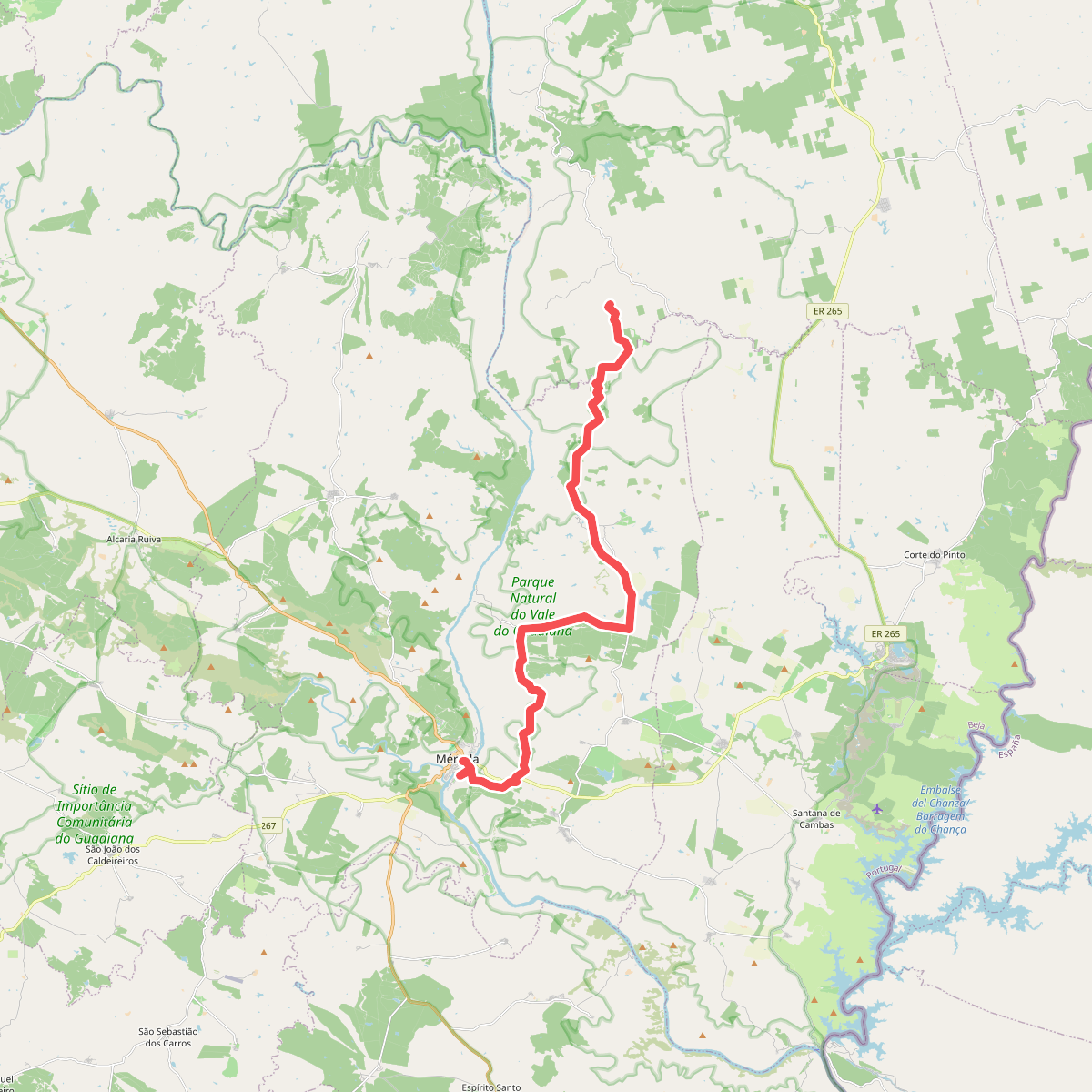
#10. Grande Rota do Guadiana - Sector 7
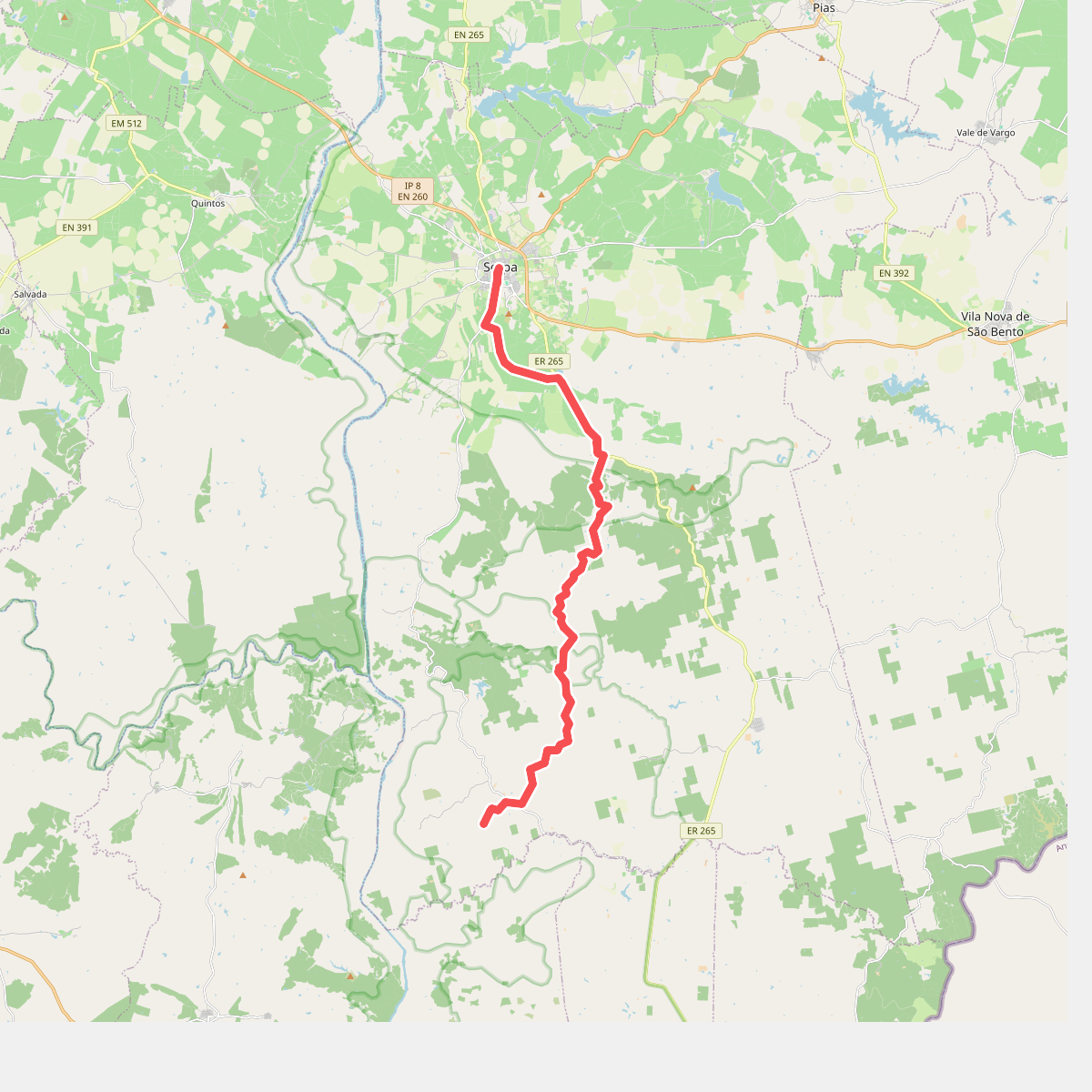
#11. Grande Rota do Guadiana - Sector 8