
The best hiking routes in Parco Naturale Regionale delle Serre
Discover the best walks in Parco Naturale Regionale delle Serre. 3 routes on the map, with descriptions, photos and GPX.
About Parco Naturale Regionale delle Serre
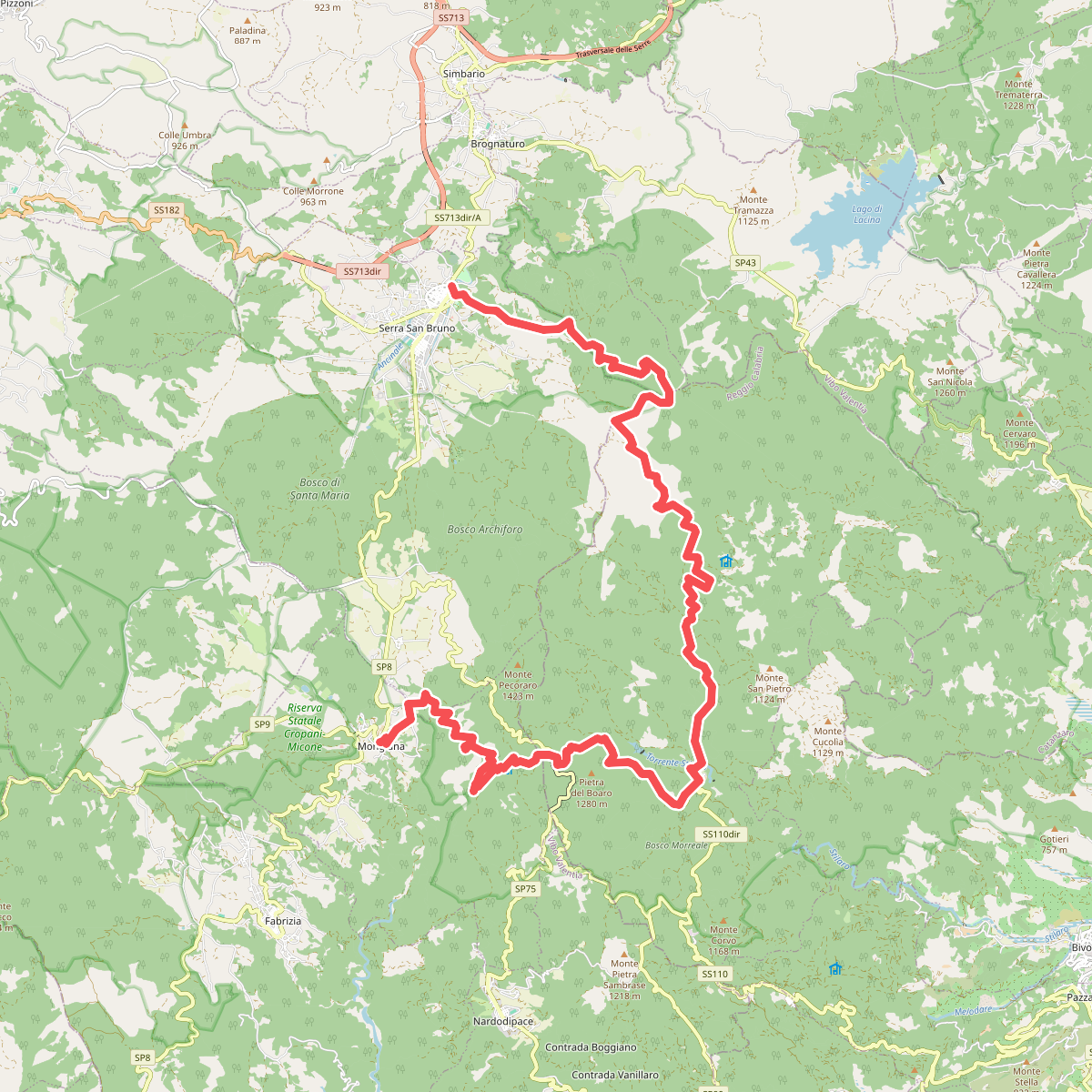
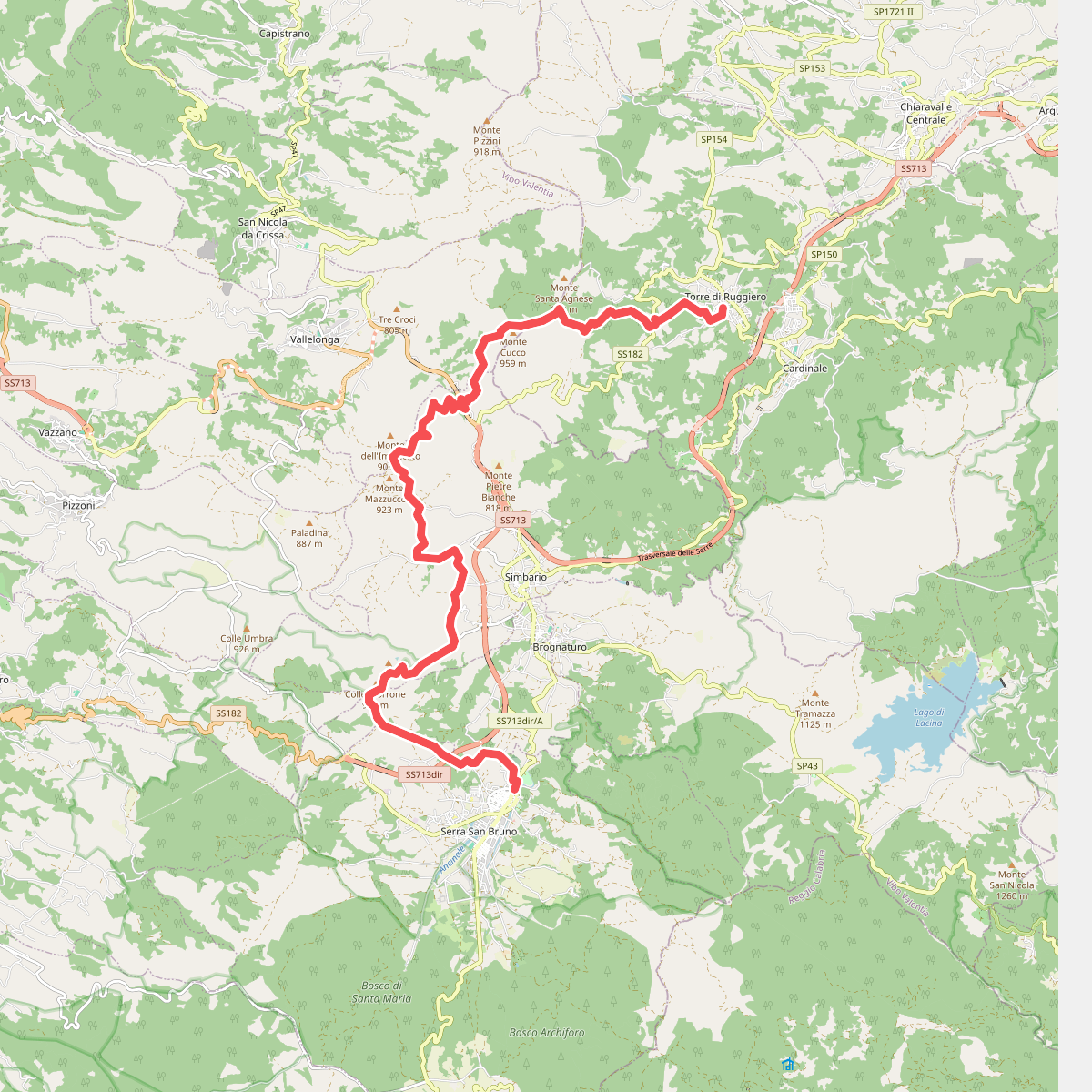
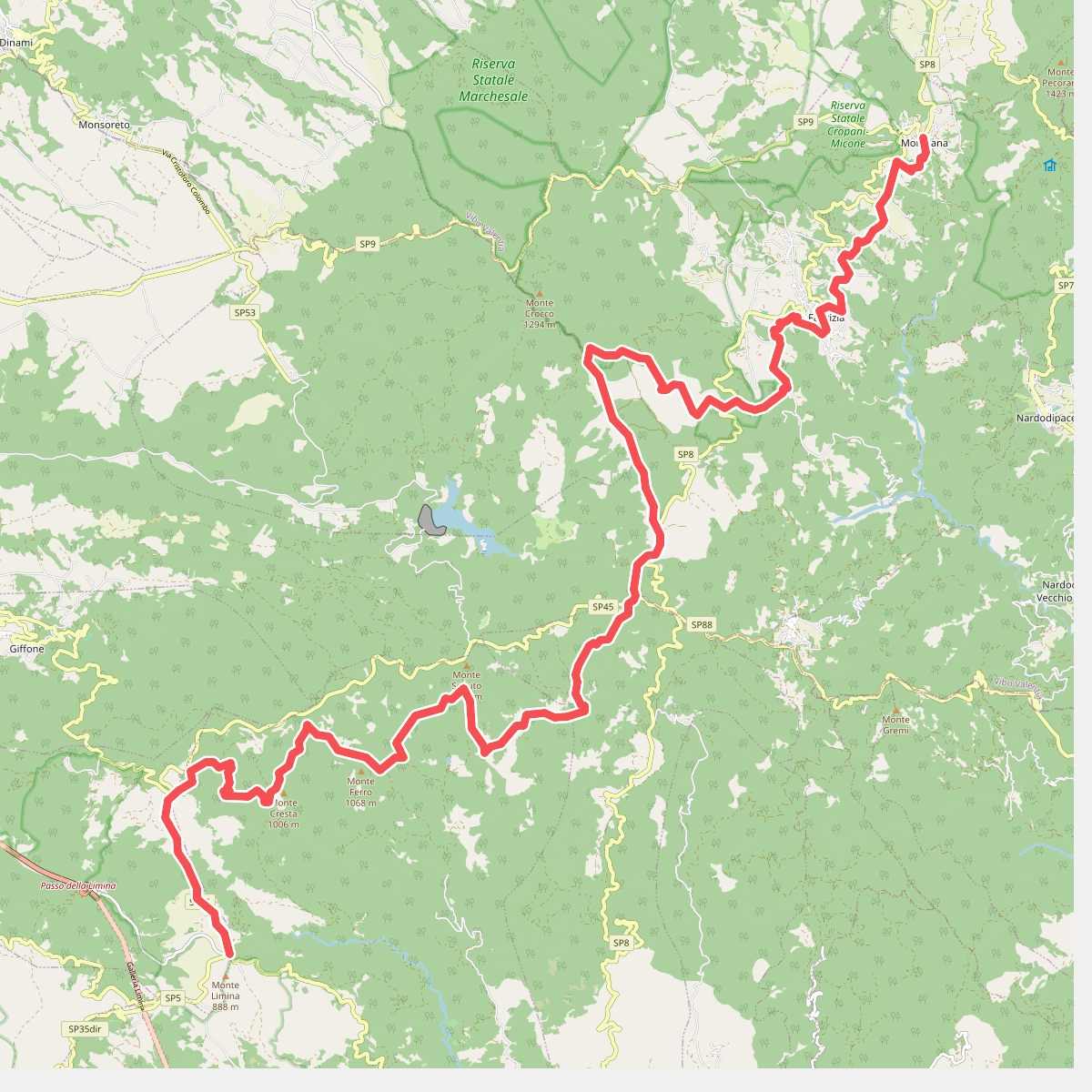
Parco Naturale Regionale delle Serre occupies a distinct, forested transition zone in Calabria, bridging the Sila and Aspromonte massifs. Unlike the rugged, bare limestone peaks found in other parts of southern Italy, this park is characterised by a gentler, heavily wooded landscape of granite and schist. Walkers will find a terrain dominated by dense forests of silver fir and beech, which create a deep, shaded canopy that keeps the forest floor relatively cool. The geology here reveals itself in weathered granite boulders and coarse, sandy granitic soils underfoot, rather than sharp limestone crags.
Read more
About Parco Naturale Regionale delle Serre
Parco Naturale Regionale delle Serre occupies a distinct, forested transition zone in Calabria, bridging the Sila and Aspromonte massifs. Unlike the rugged, bare limestone peaks found in other parts of southern Italy, this park is characterised by a gentler, heavily wooded landscape of granite and schist. Walkers will find a terrain dominated by dense forests of silver fir and beech, which create a deep, shaded canopy that keeps the forest floor relatively cool. The geology here reveals itself in weathered granite boulders and coarse, sandy granitic soils underfoot, rather than sharp limestone crags.
Read moreParco Naturale Regionale delle Serre occupies a distinct, forested transition zone in Calabria, bridging the Sila and Aspromonte massifs. Unlike the rugged, bare limestone peaks found in other parts of southern Italy, this park is characterised by a gentler, heavily wooded landscape of granite and schist. Walkers will find a terrain dominated by dense forests of silver fir and beech, which create a deep, shaded canopy that keeps the forest floor relatively cool. The geology here reveals itself in weathered granite boulders and coarse, sandy granitic soils underfoot, rather than sharp limestone crags.
Water is a defining feature of the interior landscape. The paths frequently cross fast-flowing streams and torrents, leading to damp ravines and notable features like the Marmarico waterfall. In these wetter valleys, the underfoot conditions change from dry, needle-covered forest tracks to damp earth, mossy rocks, and occasionally muddy sections near the watercourses. The transition from the dense, dark fir woods of Mongiana to the more open beech forests higher up offers a clear visual shift in light and vegetation over relatively short distances.
While the park lacks high, alpine-style summits, it offers a quiet, introspective walking experience focused on woodland ecology and industrial archaeology, such as the remains of historic ironworks. The area around the Certosa di Serra San Bruno attracts more visitors and features well-defined, easy-to-follow tracks, whereas the deeper forest trails towards the Ferdinandea area are quieter and require more careful navigation among-the-trees navigation. Walkers should expect steady, moderate climbs on dirt roads and forestry tracks rather than steep, exposed ridge scrambles.