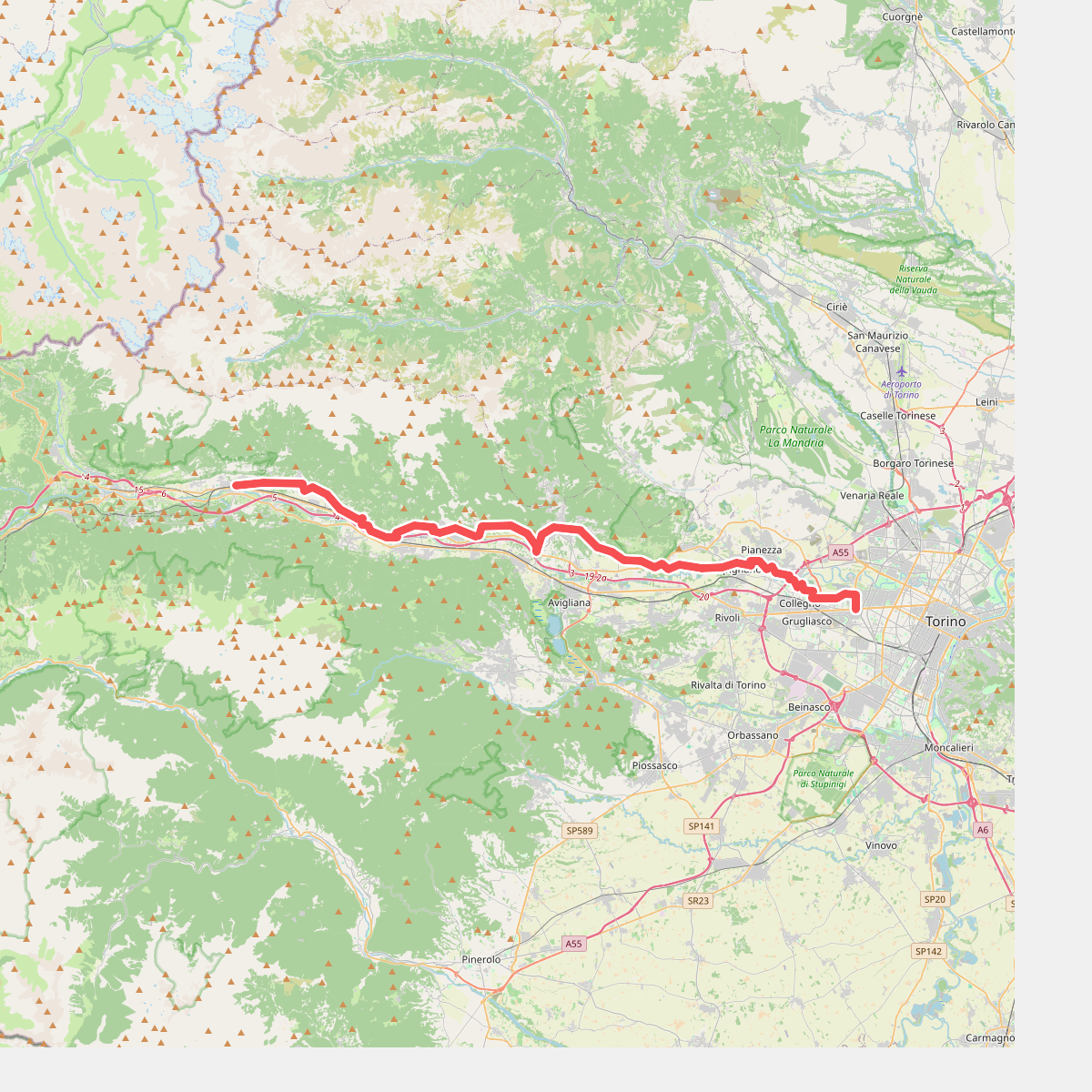

The best hiking routes in Parco Naturale Orsiera-Rocciavrè
Discover the best walks in Parco Naturale Orsiera-Rocciavrè. 8 routes on the map, with descriptions, photos and GPX.
About Parco Naturale Orsiera-Rocciavrè
Parco Naturale Orsiera-Rocciavrè offers a rugged, high-altitude walking environment characterized by steep, glaciated valleys and sharp metamorphic rock formations. Unlike gentler pre-alpine hills, this park is defined by its austere, rocky terrain where tree cover quickly thins out above the larch forests. The landscape is split by a central ridge, dividing the drier, sun-exposed slopes facing the Susa Valley from the more humid, pasture-dominated valleys of Chisone and Sangone.
Read more
About Parco Naturale Orsiera-Rocciavrè
Parco Naturale Orsiera-Rocciavrè offers a rugged, high-altitude walking environment characterized by steep, glaciated valleys and sharp metamorphic rock formations. Unlike gentler pre-alpine hills, this park is defined by its austere, rocky terrain where tree cover quickly thins out above the larch forests. The landscape is split by a central ridge, dividing the drier, sun-exposed slopes facing the Susa Valley from the more humid, pasture-dominated valleys of Chisone and Sangone.
Read moreParco Naturale Orsiera-Rocciavrè offers a rugged, high-altitude walking environment characterized by steep, glaciated valleys and sharp metamorphic rock formations. Unlike gentler pre-alpine hills, this park is defined by its austere, rocky terrain where tree cover quickly thins out above the larch forests. The landscape is split by a central ridge, dividing the drier, sun-exposed slopes facing the Susa Valley from the more humid, pasture-dominated valleys of Chisone and Sangone.
Underfoot, walkers will mostly encounter rough, stony mule tracks and narrow dirt paths rather than smooth gravel roads. The trails are often steep and demanding, littered with loose scree and granite fragments that require careful footing. In the higher basins, these paths wind through vast boulder fields and alpine meadows where the soil is thin and acidic, shaped by centuries of traditional sheep grazing and seasonal snowmelt.
By late June, the snow recedes from the high passes like the Colle del Sabbione, exposing damp peat bogs and small glacial lakes in the upper cirques. This is a working mountain landscape where stone ruins of old pastoral huts sit alongside active mountain refuges. It is a demanding area suited for those who prefer steep climbs and rocky, open terrain over gentle woodland strolls.
Hiking routes in Parco Naturale Orsiera-Rocciavrè (8)
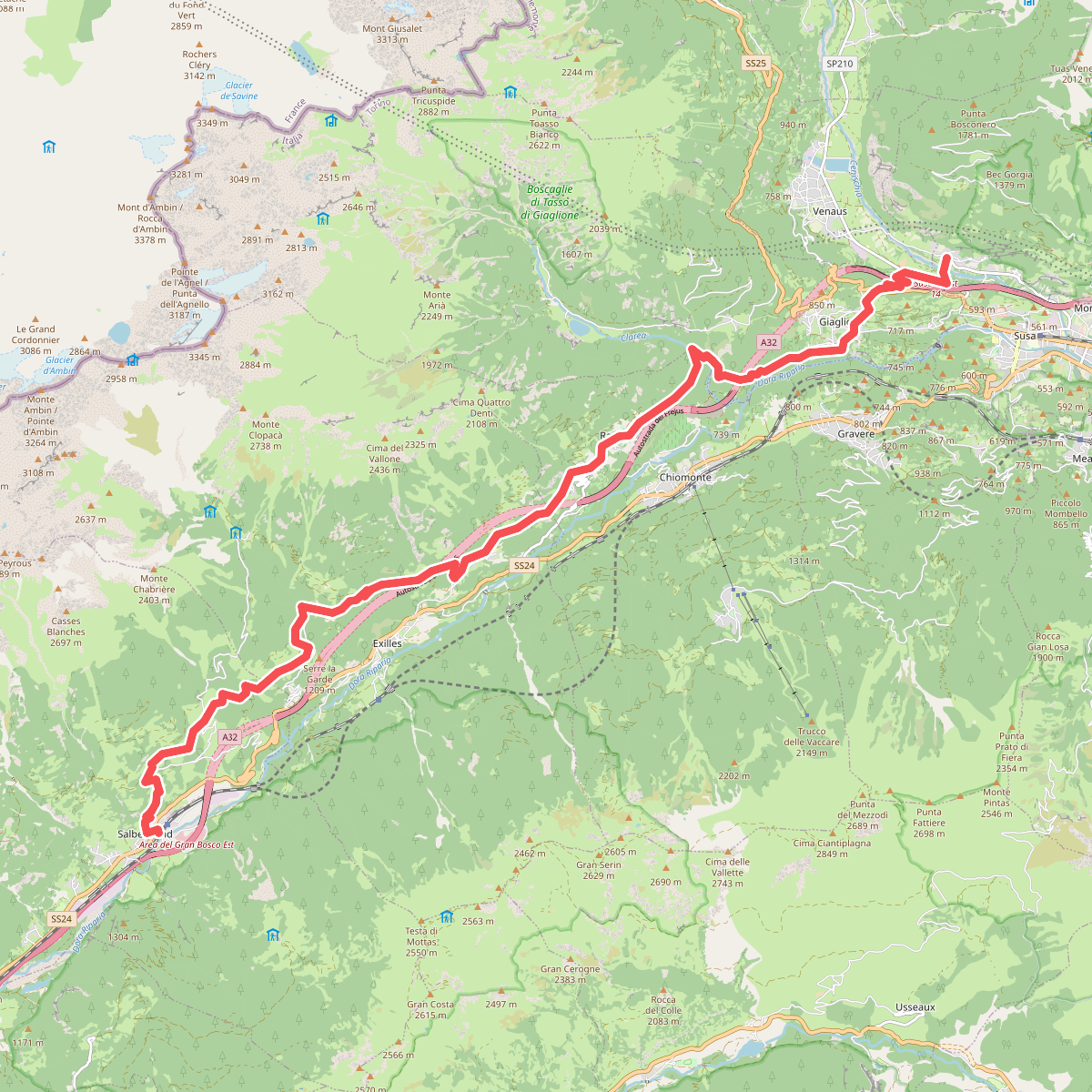
#1. GTA: Salbertrand - San Giuseppe di Mompantero
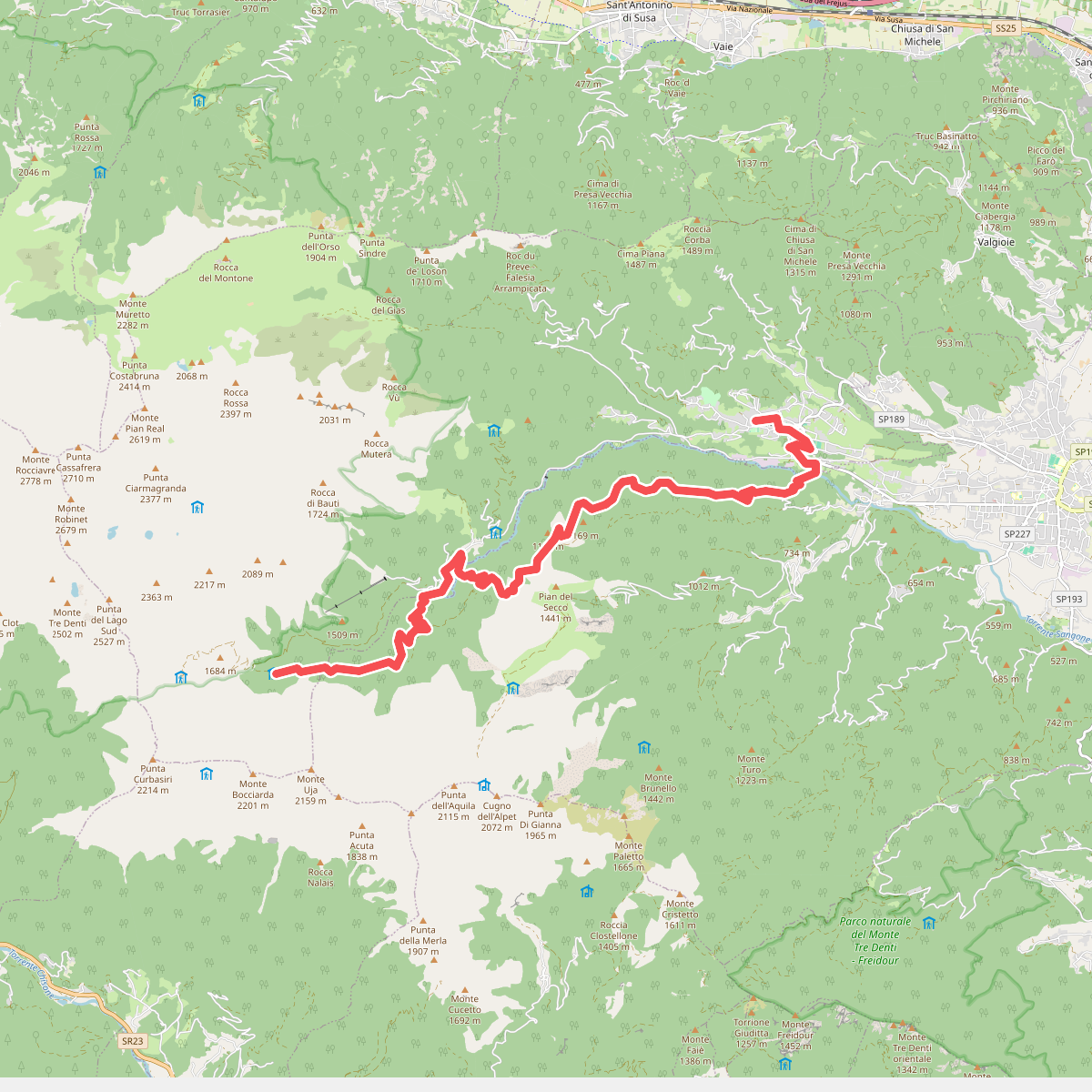
#2. Sentieri della Resistenza - Tappa 08
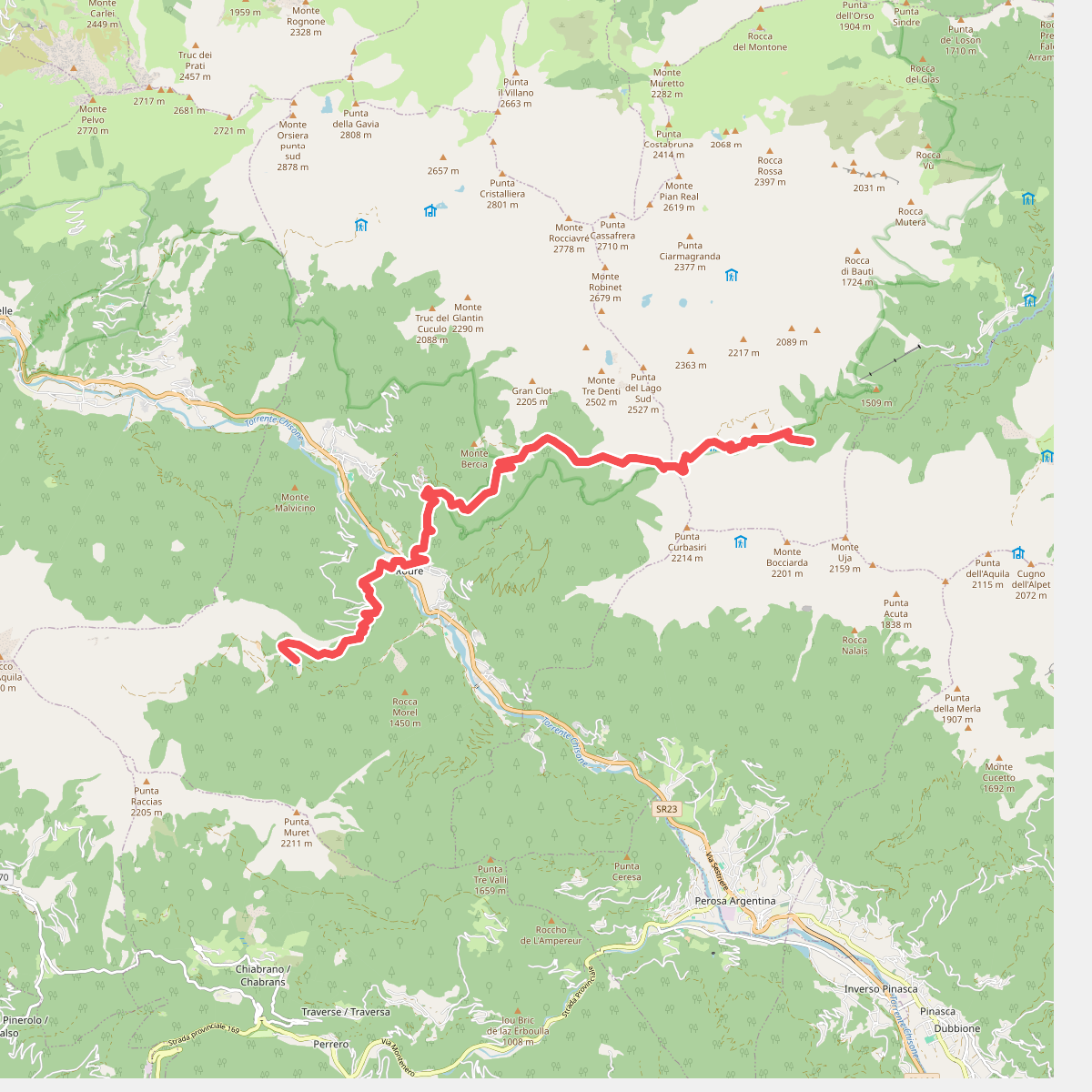
#3. Sentieri della Resistenza - Tappa 09
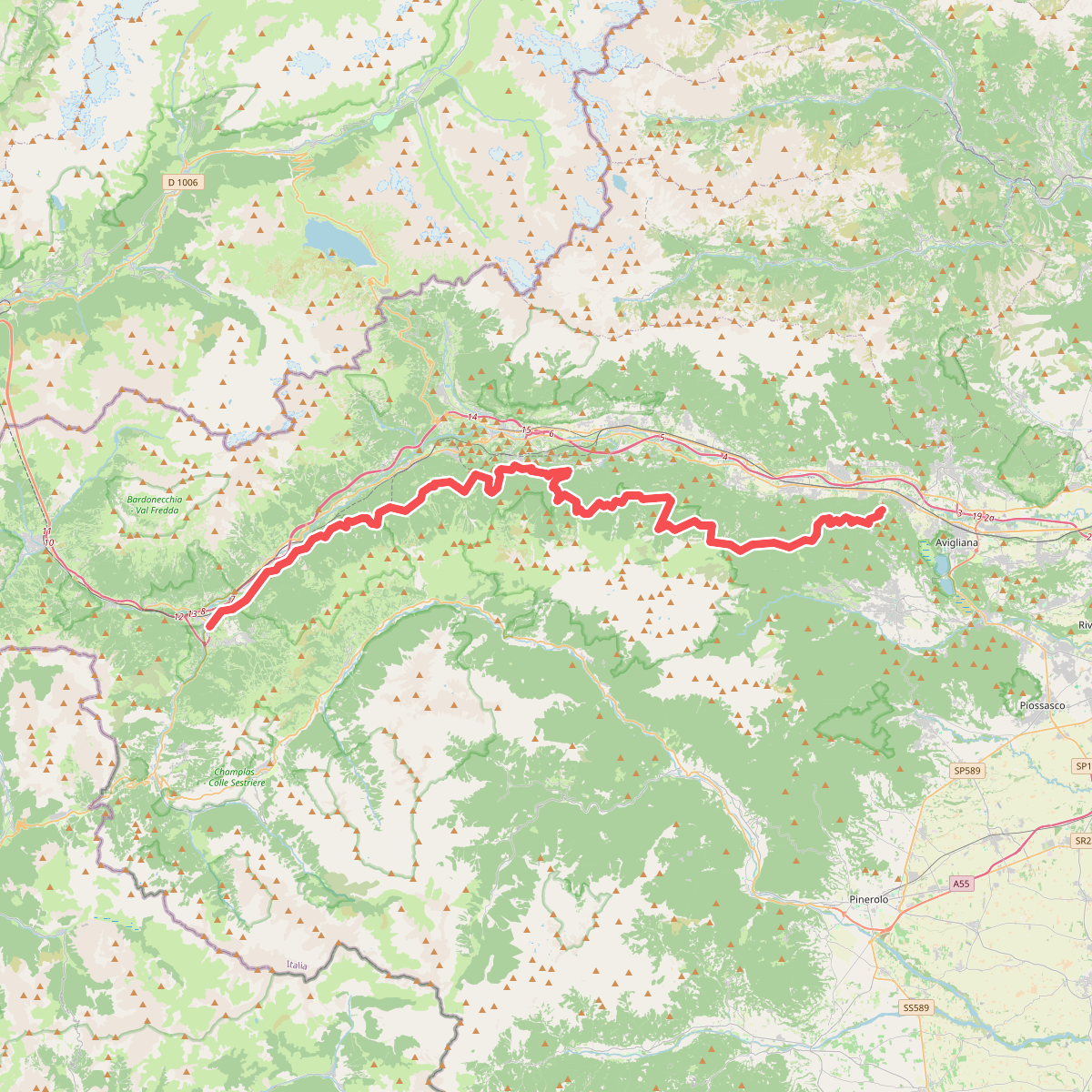
#4. Sentiero dei Franchi
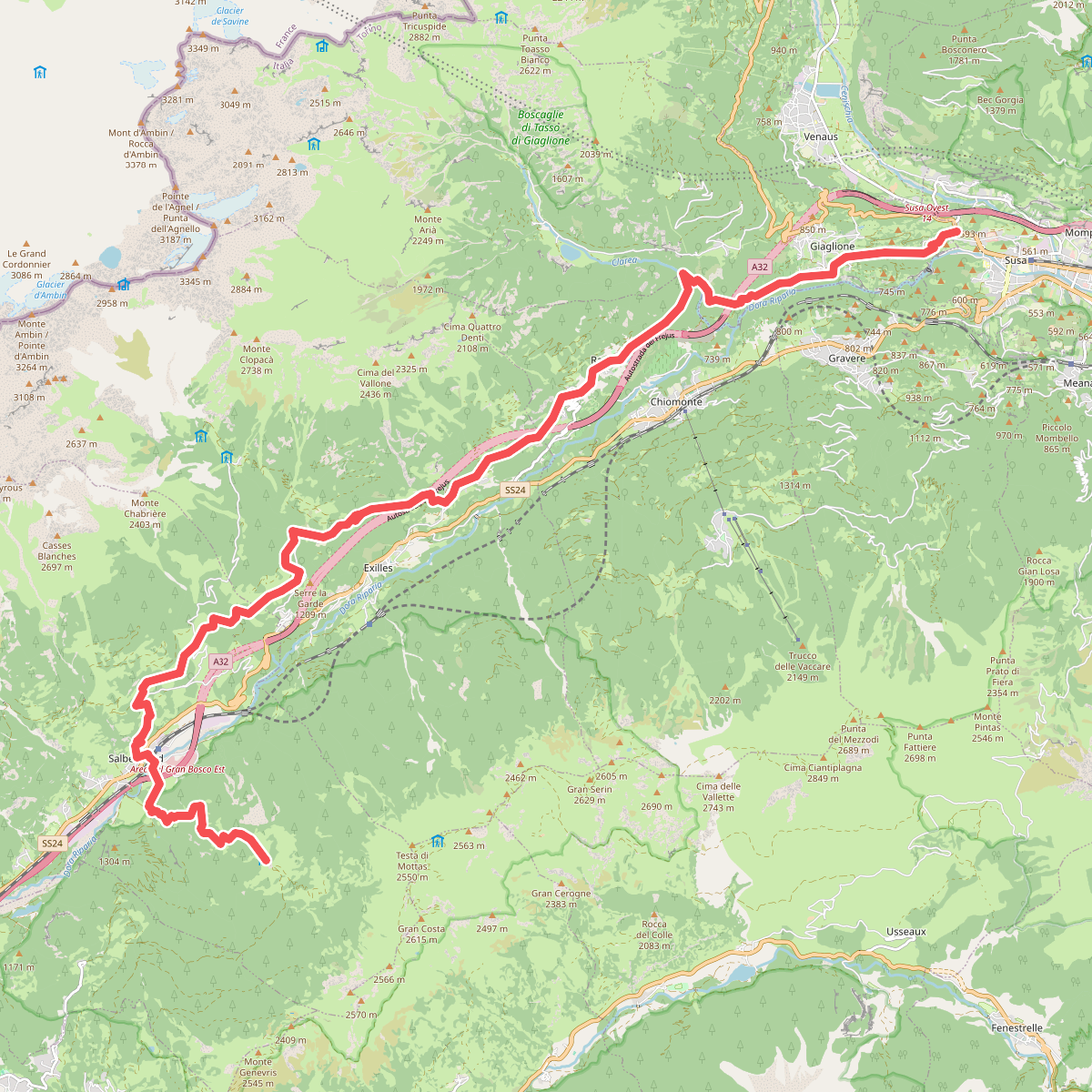
#5. Sentiero Italia - Piemonte E00 · SI
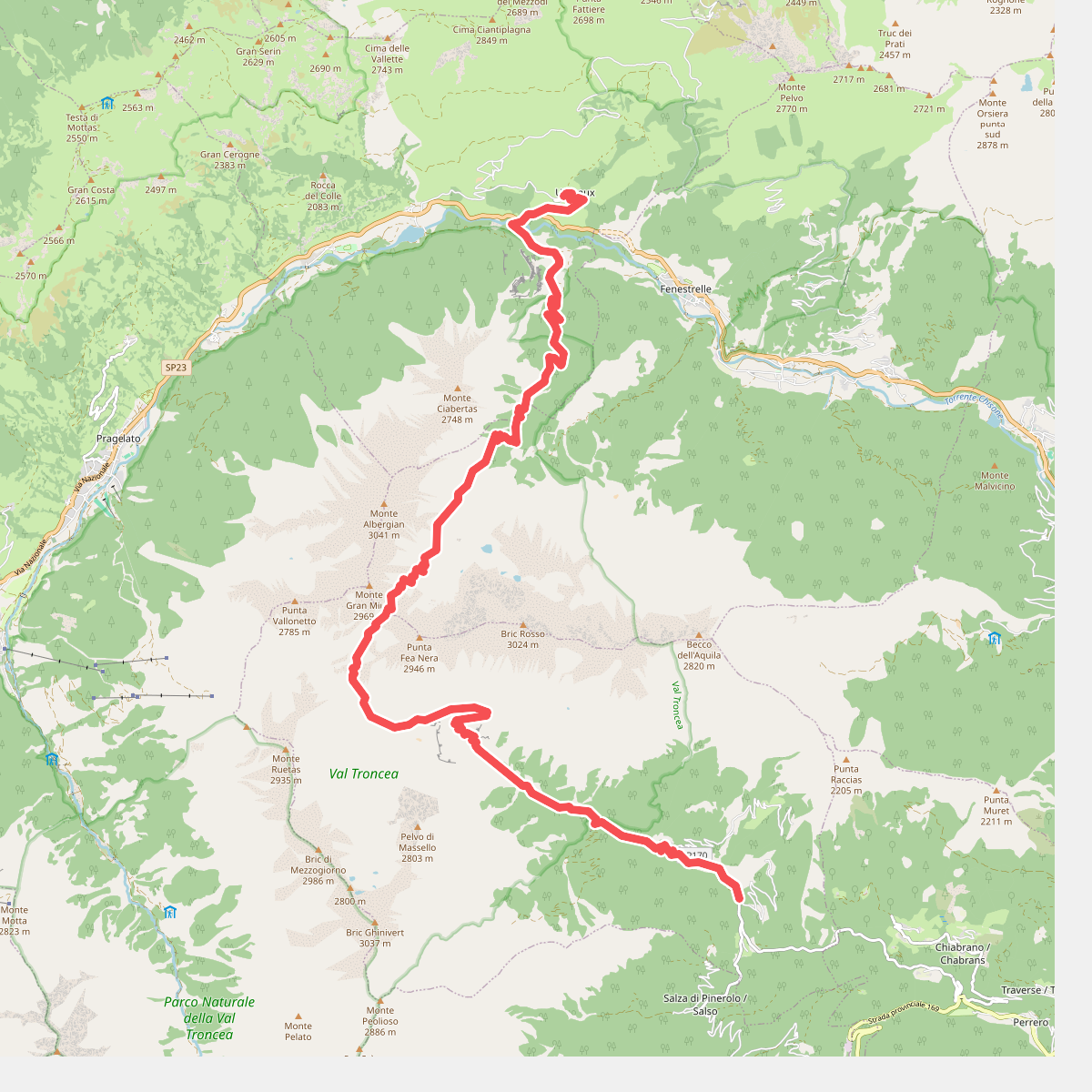
#6. Sentiero Italia - Piemonte E00 · SI
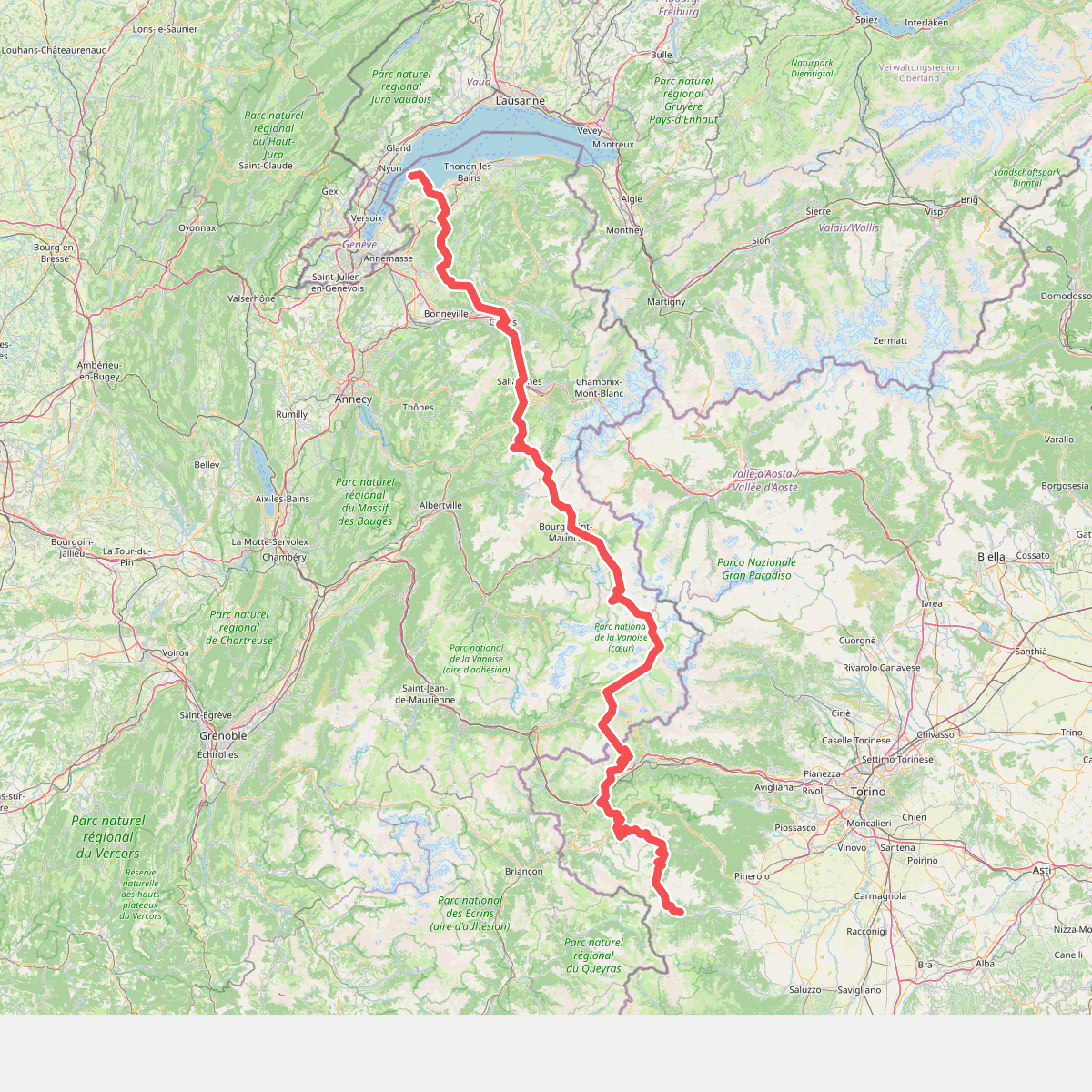
#7. Sulle strade dei valdesi: GRV Glorioso Rimpatrio dei Valdesi