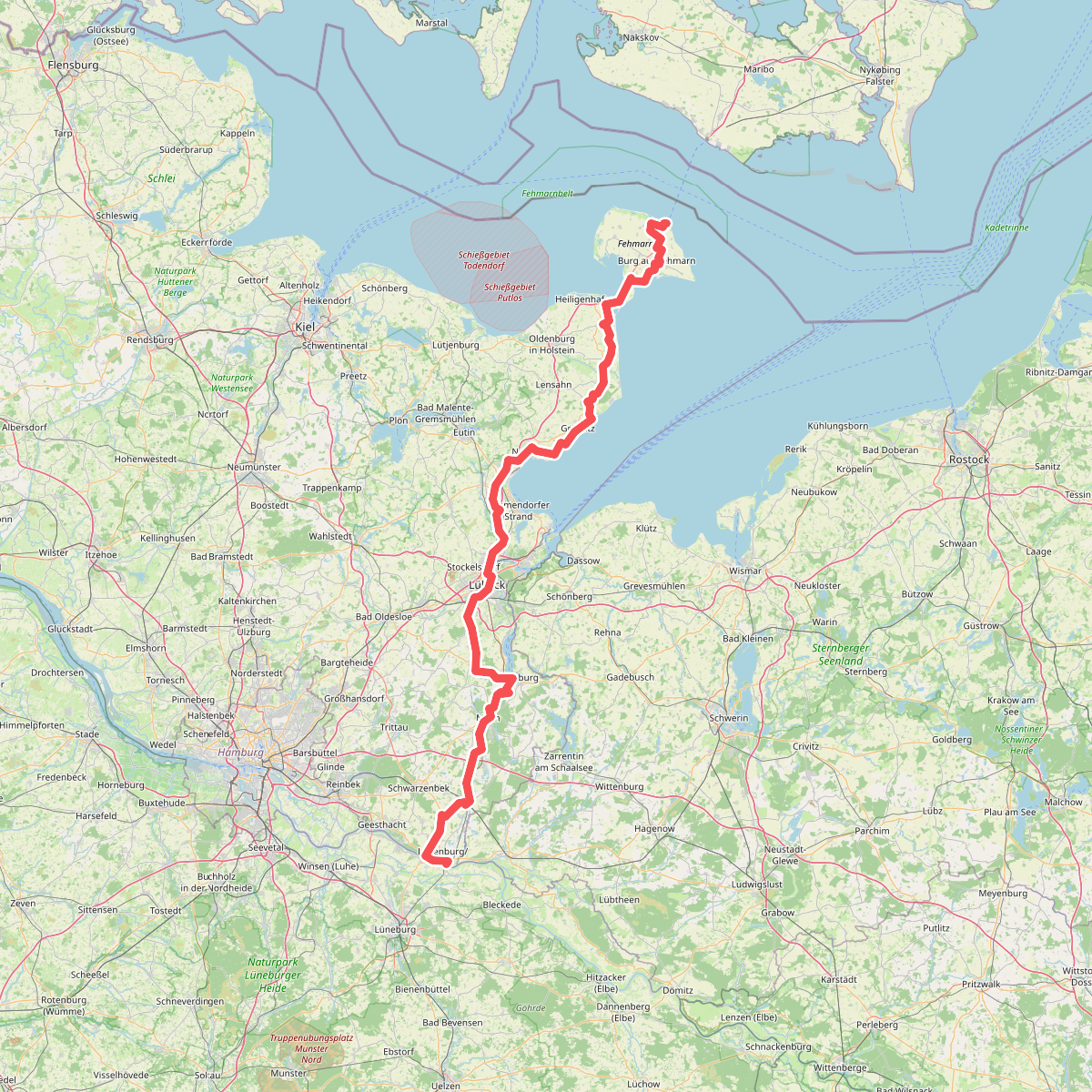

The best hiking routes in Palinger Heide und Halbinsel Teschow
Discover the best walks in Palinger Heide und Halbinsel Teschow. 6 routes on the map, with descriptions, photos and GPX.
About Palinger Heide und Halbinsel Teschow
Palinger Heide und Halbinsel Teschow offers a distinct transition between dry, sandy inland heath and the low-lying, marshy shores of the Dassower See. The southern section, Palinger Heide, is characterized by open heather, gorse, and sparse pine stands growing on nutrient-poor glacial sands. Walking here means following wide, unpaved sandy tracks that can become soft underfoot. The landscape is mostly flat with gentle, rolling swells left behind by the last ice age, rather than dramatic hills.
Read more
About Palinger Heide und Halbinsel Teschow
Palinger Heide und Halbinsel Teschow offers a distinct transition between dry, sandy inland heath and the low-lying, marshy shores of the Dassower See. The southern section, Palinger Heide, is characterized by open heather, gorse, and sparse pine stands growing on nutrient-poor glacial sands. Walking here means following wide, unpaved sandy tracks that can become soft underfoot. The landscape is mostly flat with gentle, rolling swells left behind by the last ice age, rather than dramatic hills.
Read morePalinger Heide und Halbinsel Teschow offers a distinct transition between dry, sandy inland heath and the low-lying, marshy shores of the Dassower See. The southern section, Palinger Heide, is characterized by open heather, gorse, and sparse pine stands growing on nutrient-poor glacial sands. Walking here means following wide, unpaved sandy tracks that can become soft underfoot. The landscape is mostly flat with gentle, rolling swells left behind by the last ice age, rather than dramatic hills.
As you move north toward the Halbinsel Teschow peninsula, the sandy soil gives way to heavier clay and damp alluvial meadows along the water's edge. The paths transition into grassy farm tracks and dirt trails that run alongside reed beds and small patches of deciduous woodland. This northern peninsula is shaped by its proximity to the brackish water, where drainage ditches and dikes mark the boundary between pasture and the lake.
This area is generally quiet, though the lakeside paths near Teschow can attract more visitors on weekends. It is a working landscape where forestry and conservation grazing shape the vegetation, meaning you will see managed woods and fenced pastures rather than untouched wilderness. Visitors should expect a mix of open, exposed heathland trails and sheltered, tree-lined shoreline paths.
Hiking routes in Palinger Heide und Halbinsel Teschow (6)
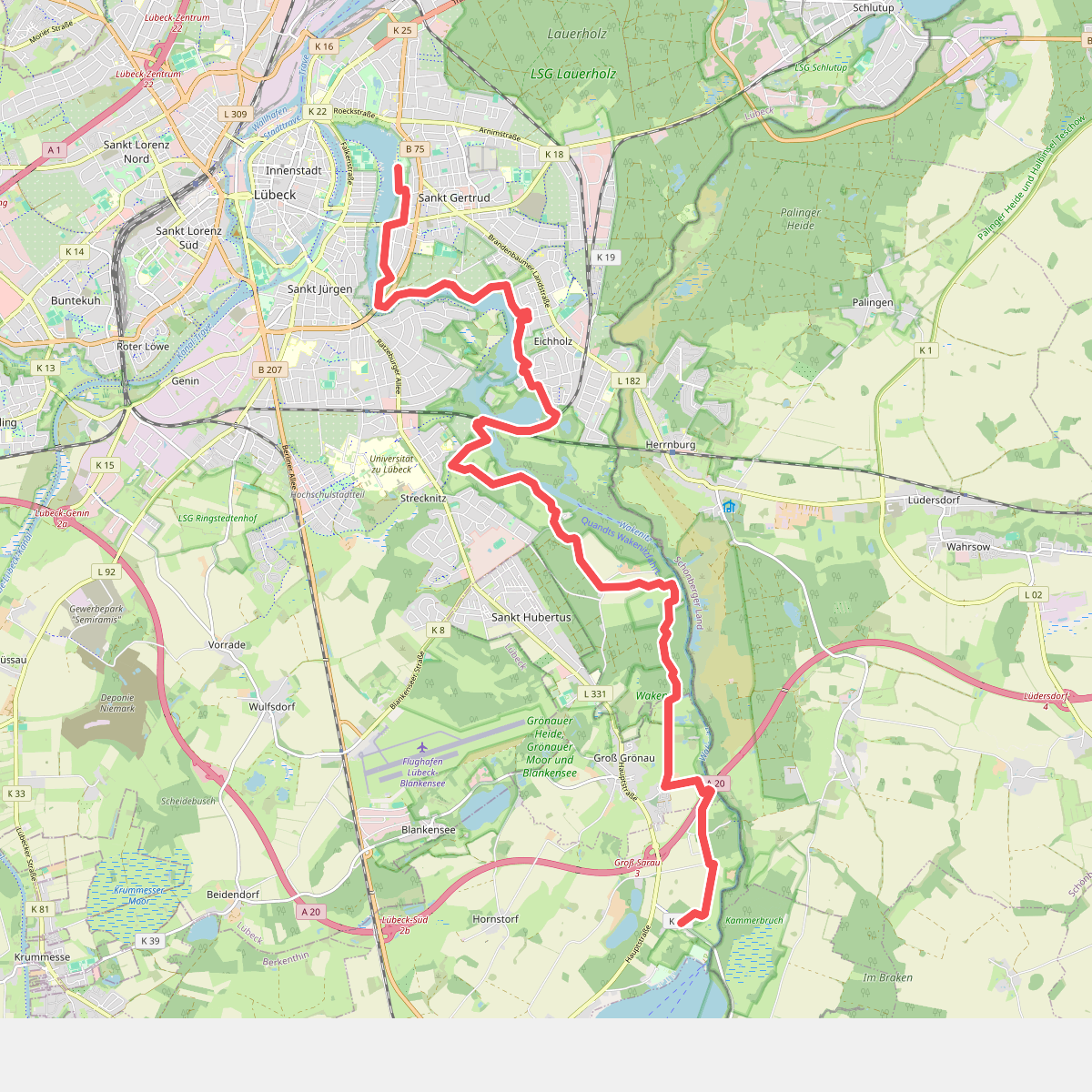
#1. Drägerweg
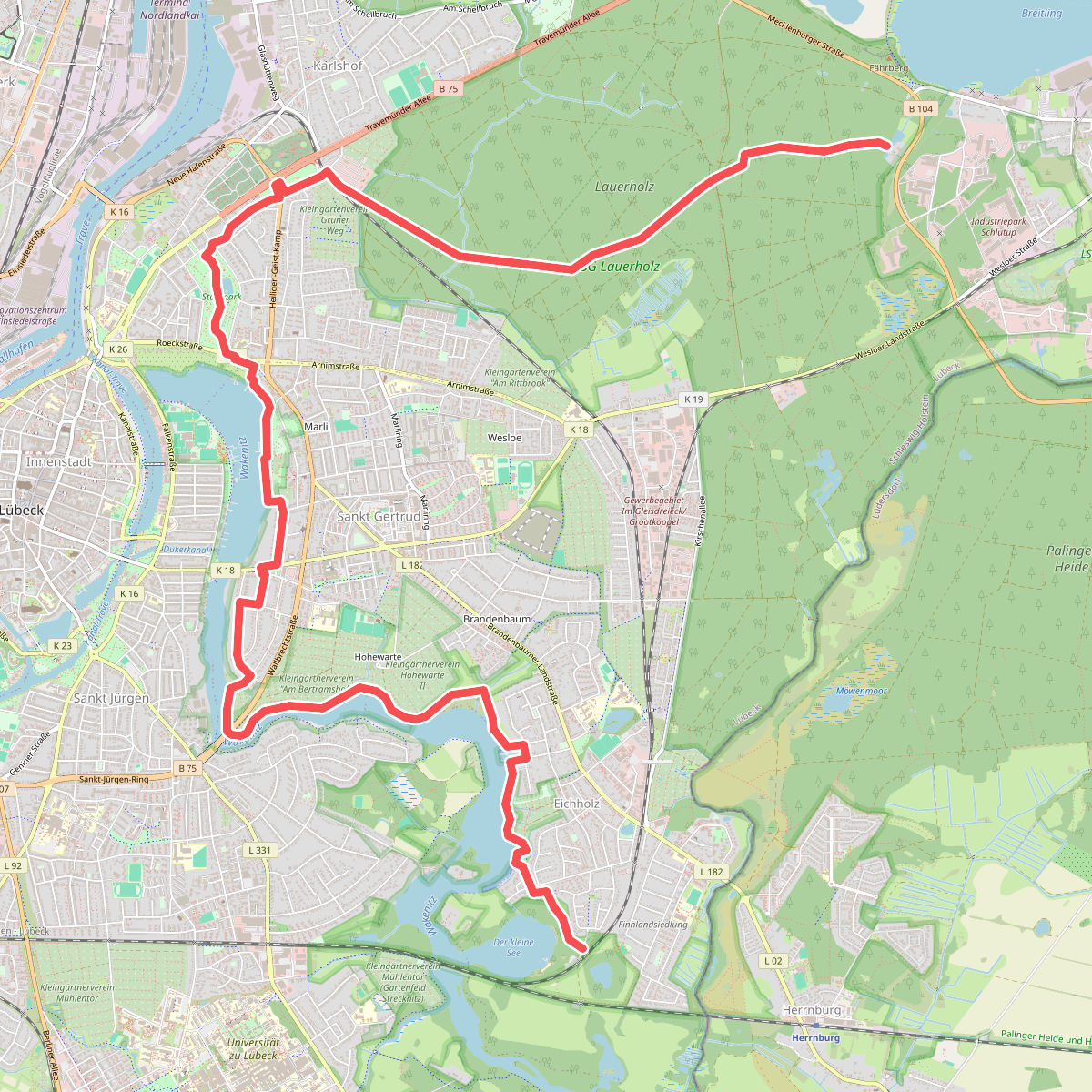
#2. Europäischer Fernwanderweg E9, Deutschland, Alternativroute Lübeck
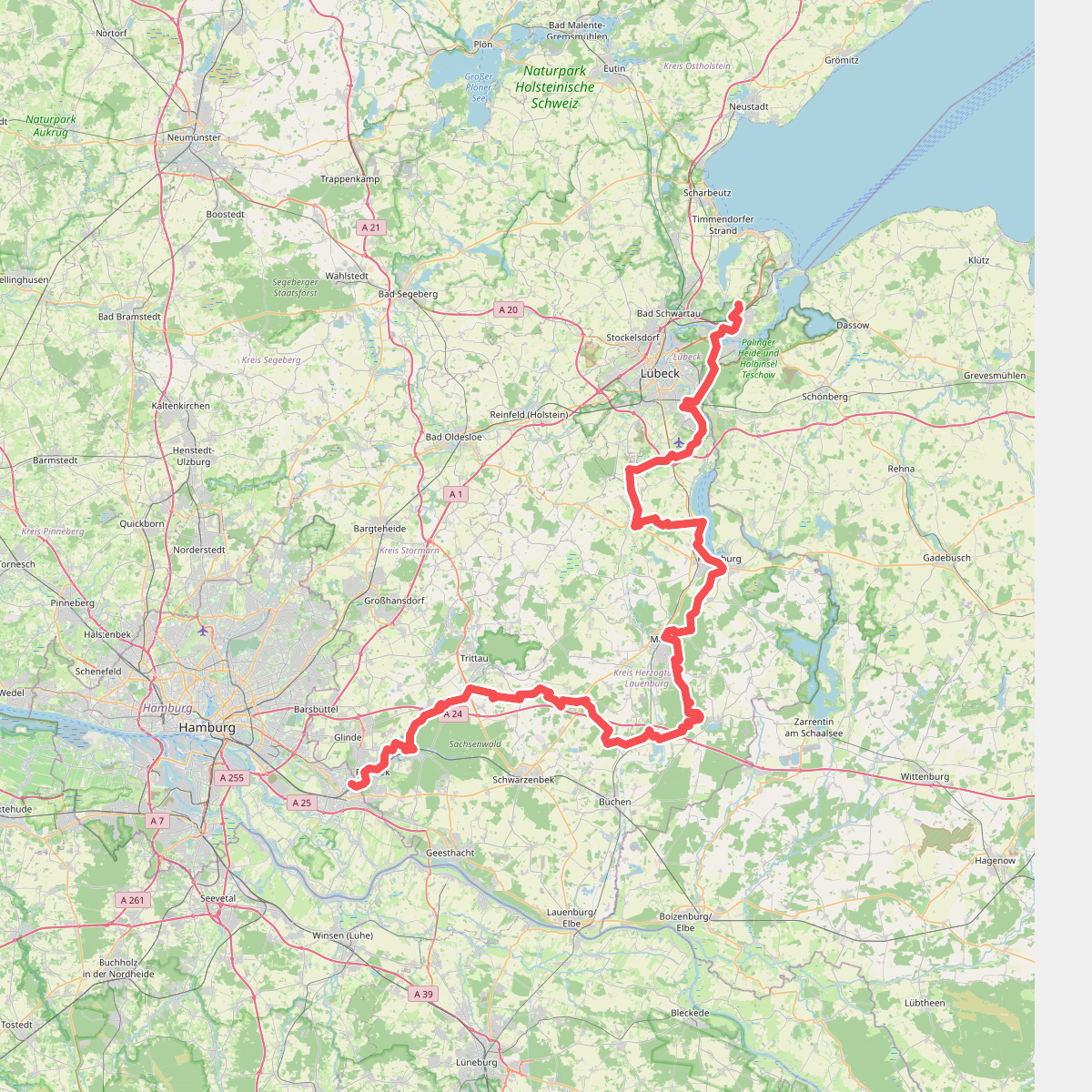
#3. Europäischer Fernwanderweg E9, Deutschland, Schleswig-Holstein (Ost)
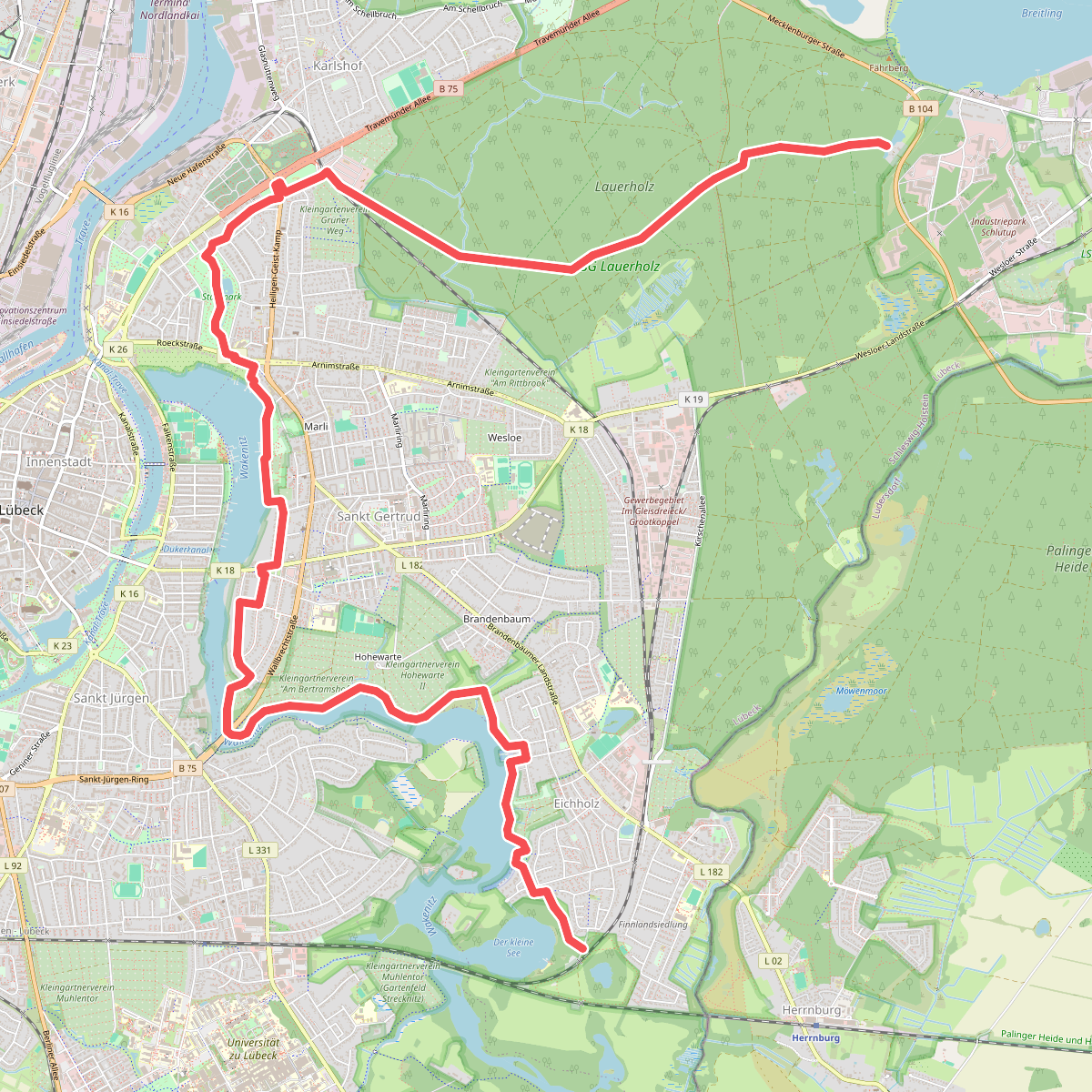
#4. European Long distance path E1 - part Germany, Schleswig-Holstein (alternative route Lübeck)
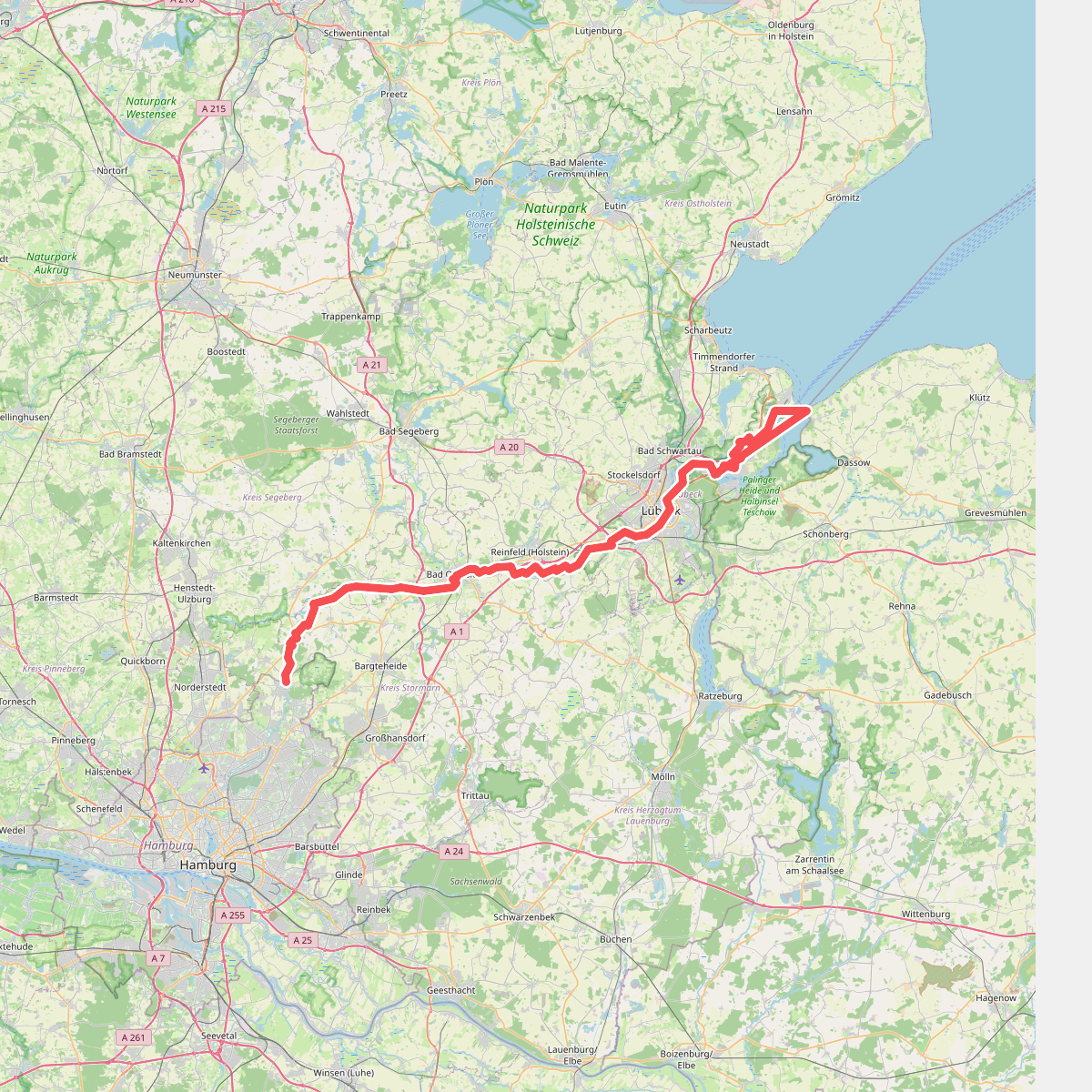
#5. Hanseatenweg - Abschnitt Schleswig-Holstein