
The best hiking routes in Nisa/Lage da Prata
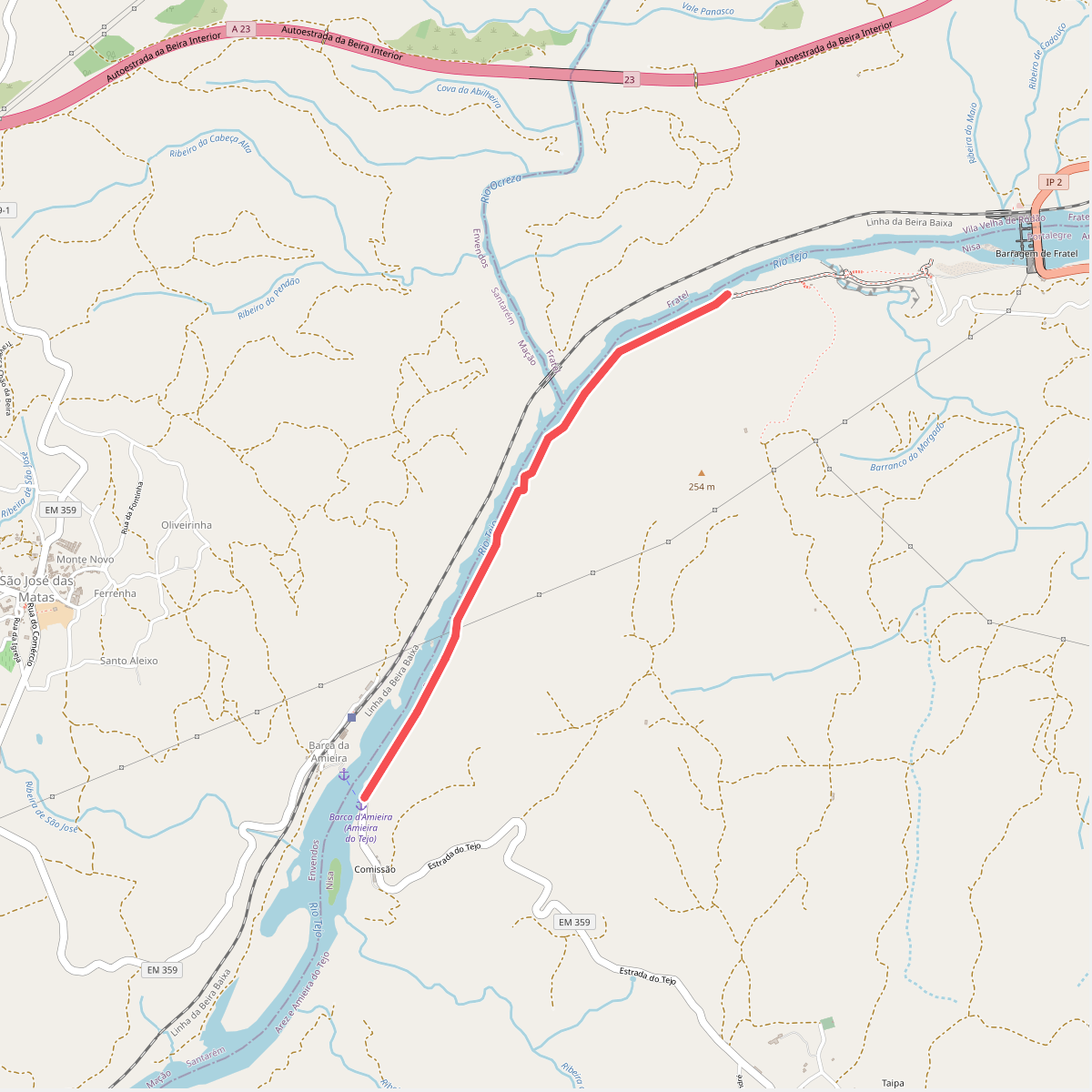
Discover the best walks in Nisa/Lage da Prata. 1 routes on the map, with descriptions, photos and GPX.
Managed by Instituto da Conservação da Natureza e das Florestas
About Nisa/Lage da Prata
Nisa/Lage da Prata offers a walking environment dominated by the granite geology of northeastern Alentejo. The landscape is characterized by massive, exposed granite pavements, known locally as lages, interspersed with cork oak woodlands, olive groves, and low scrub. Unlike the soft alluvial plains further south, the ground here is firm and rocky, shaped by centuries of traditional grazing and stone quarrying. Walking in this area means navigating a mix of wide dirt tracks, ancient stone-walled lanes, and open rock surfaces where the path is marked directly on the granite.
Read more
About Nisa/Lage da Prata
Nisa/Lage da Prata offers a walking environment dominated by the granite geology of northeastern Alentejo. The landscape is characterized by massive, exposed granite pavements, known locally as lages, interspersed with cork oak woodlands, olive groves, and low scrub. Unlike the soft alluvial plains further south, the ground here is firm and rocky, shaped by centuries of traditional grazing and stone quarrying. Walking in this area means navigating a mix of wide dirt tracks, ancient stone-walled lanes, and open rock surfaces where the path is marked directly on the granite.
Read moreNisa/Lage da Prata offers a walking environment dominated by the granite geology of northeastern Alentejo. The landscape is characterized by massive, exposed granite pavements, known locally as lages, interspersed with cork oak woodlands, olive groves, and low scrub. Unlike the soft alluvial plains further south, the ground here is firm and rocky, shaped by centuries of traditional grazing and stone quarrying. Walking in this area means navigating a mix of wide dirt tracks, ancient stone-walled lanes, and open rock surfaces where the path is marked directly on the granite.
Underfoot, the terrain varies between hard-packed earth, loose gravel, and the smooth, flat expanses of the granite outcrops themselves. These natural stone slabs can be slippery after rainfall, but they provide a solid, stable surface during dry periods. The vegetation is sparse in the open areas, consisting of hardy rockrose and broom, which gives way to the shade of mature cork oaks in the depressions where soil has accumulated. Watercourses in this park are seasonal, often reduced to dry, rocky beds by late summer, leaving the granite pools empty.
This area is best suited for those who appreciate a rugged, low-lying landscape rather than dramatic elevation changes. There are no deep gorges or high peaks here; instead, the trails follow the gentle, rolling contours of the plateau. While the main access points near the historical town of Nisa can see some local foot traffic, the deeper paths through the granite fields are generally quiet, offering a straightforward look at the rural, working landscape of the region.