
The best hiking routes in Naturpark Westensee
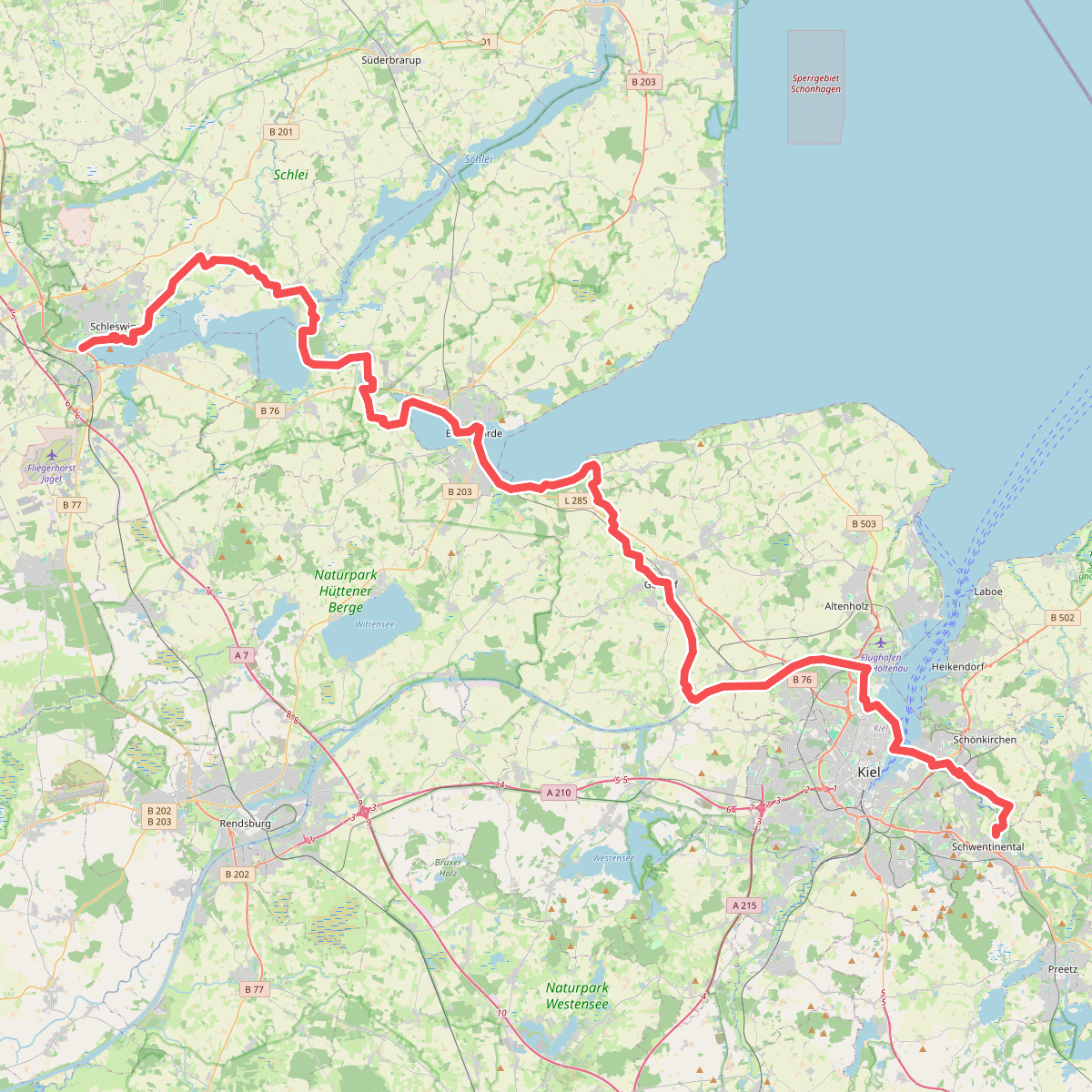
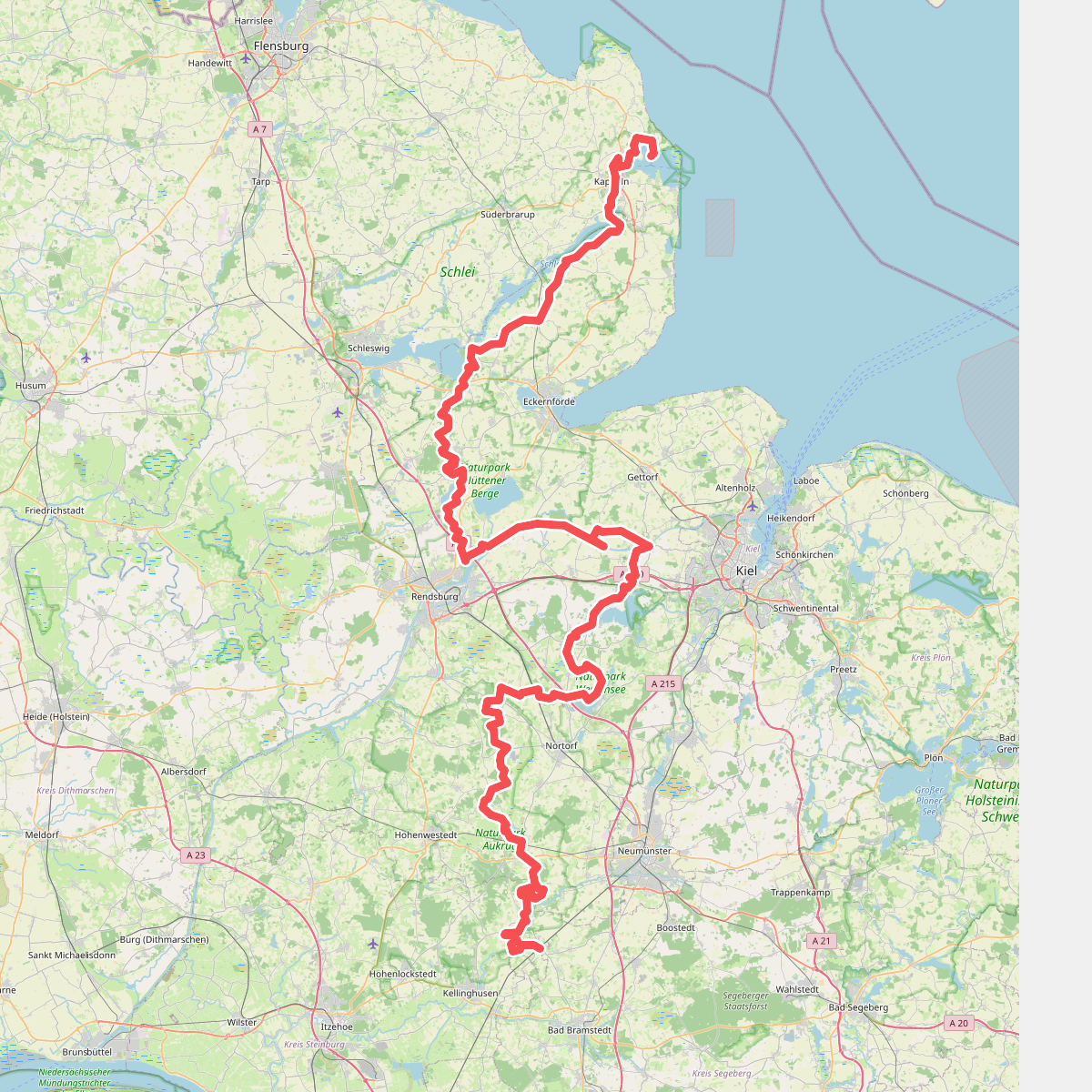
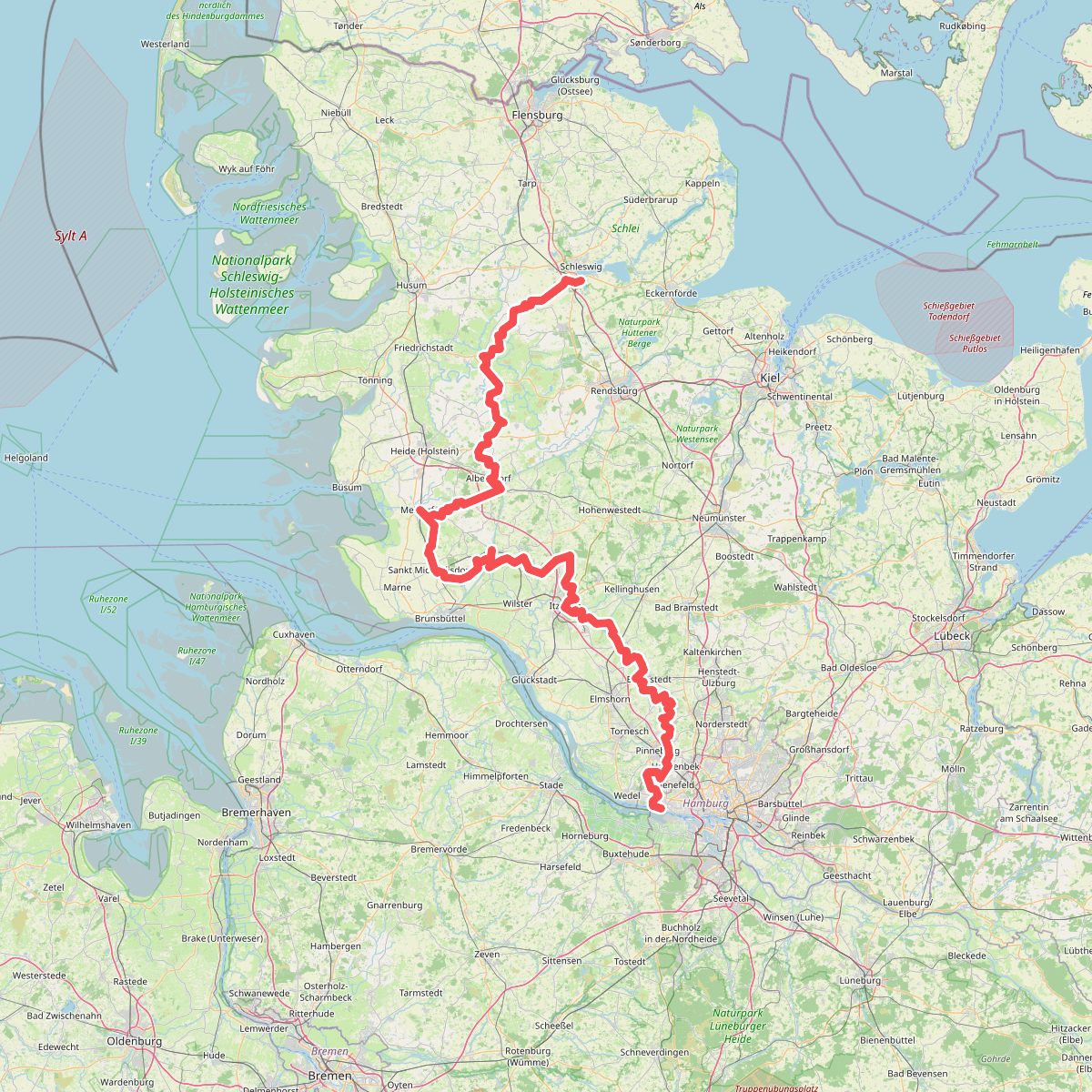
Discover the best walks in Naturpark Westensee. 3 routes on the map, with descriptions, photos and GPX.
Managed by Naturpark Westensee - Obere Eider e.V.
About Naturpark Westensee
Naturpark Westensee offers a landscape shaped by the last ice age, characterized by gently rolling morainic hills, deciduous woodlands, and numerous lakes. Unlike the flat marshlands of western Schleswig-Holstein, walkers here will encounter constant but gentle elevation changes. The terrain is defined by the central Westensee lake and the winding upper reaches of the Eider river. You will not find dramatic peaks or deep gorges, but rather a quiet, undulating countryside where farmland, beech forests, and peat bogs alternate.
Read more
About Naturpark Westensee
Naturpark Westensee offers a landscape shaped by the last ice age, characterized by gently rolling morainic hills, deciduous woodlands, and numerous lakes. Unlike the flat marshlands of western Schleswig-Holstein, walkers here will encounter constant but gentle elevation changes. The terrain is defined by the central Westensee lake and the winding upper reaches of the Eider river. You will not find dramatic peaks or deep gorges, but rather a quiet, undulating countryside where farmland, beech forests, and peat bogs alternate.
Read moreNaturpark Westensee offers a landscape shaped by the last ice age, characterized by gently rolling morainic hills, deciduous woodlands, and numerous lakes. Unlike the flat marshlands of western Schleswig-Holstein, walkers here will encounter constant but gentle elevation changes. The terrain is defined by the central Westensee lake and the winding upper reaches of the Eider river. You will not find dramatic peaks or deep gorges, but rather a quiet, undulating countryside where farmland, beech forests, and peat bogs alternate.
Underfoot, the paths vary from firm gravel forestry tracks and sandy paths through the woods to softer, damp earth trails near the lake shores and boggy depressions. Some low-lying sections near the water can be muddy, while the wooded ridges remain dry. The vegetation changes noticeably with the elevation, shifting from dense beech canopy on the hills to alders and reeds in the wetter basins.
In late spring, particularly around May, the fresh green of the beech leaves and the blooming marsh marigolds near the lake edges are prominent features of the landscape. The area is well-suited for those who prefer varied, small-scale scenery over wide, flat plains. The paths near the main lake shores and established parking areas are popular with local walkers, while the deeper forest tracks and the quieter valleys of the Eider remain less frequented.