
The best hiking routes in Naturpark Eisenwurzen
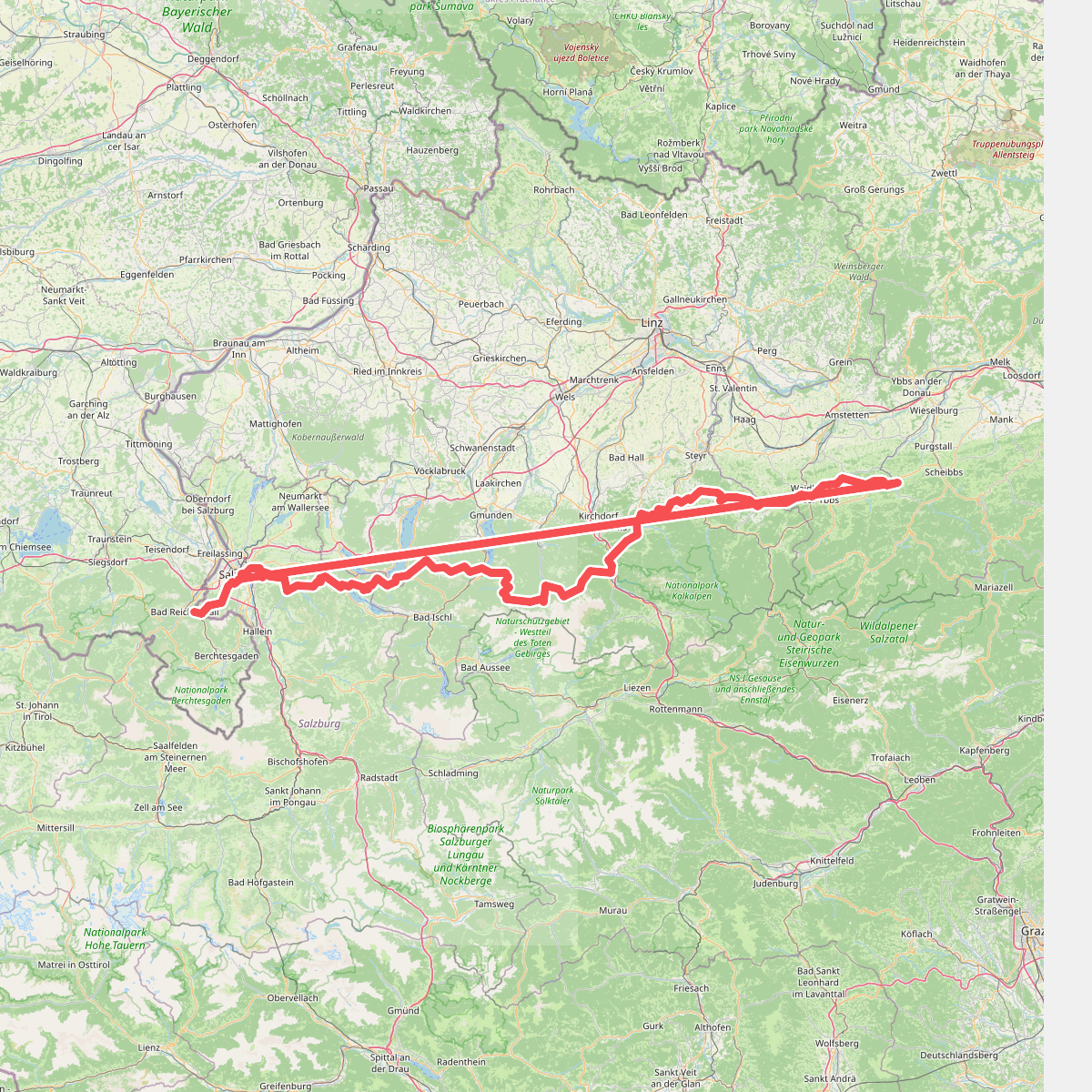
Discover the best walks in Naturpark Eisenwurzen. 1 routes on the map, with descriptions, photos and GPX.
About Naturpark Eisenwurzen
Naturpark Eisenwurzen is characterized by its steep, forested valleys, rushing mountain rivers, and the visible legacy of historic iron working. Unlike flatter nature reserves, this area forces you onto paths that climb through dense beech and spruce woods or follow the rocky banks of the river Salza. The landscape is defined by water cutting through limestone, creating deep gorges and exposed rock faces rather than open alpine meadows. Underfoot, you will mostly find gravel tracks, damp forest soil, and narrow, stony paths that require careful stepping.
Read more
About Naturpark Eisenwurzen
Naturpark Eisenwurzen is characterized by its steep, forested valleys, rushing mountain rivers, and the visible legacy of historic iron working. Unlike flatter nature reserves, this area forces you onto paths that climb through dense beech and spruce woods or follow the rocky banks of the river Salza. The landscape is defined by water cutting through limestone, creating deep gorges and exposed rock faces rather than open alpine meadows. Underfoot, you will mostly find gravel tracks, damp forest soil, and narrow, stony paths that require careful stepping.
Read moreNaturpark Eisenwurzen is characterized by its steep, forested valleys, rushing mountain rivers, and the visible legacy of historic iron working. Unlike flatter nature reserves, this area forces you onto paths that climb through dense beech and spruce woods or follow the rocky banks of the river Salza. The landscape is defined by water cutting through limestone, creating deep gorges and exposed rock faces rather than open alpine meadows. Underfoot, you will mostly find gravel tracks, damp forest soil, and narrow, stony paths that require careful stepping.
As you walk, you will notice how the geology dictates the vegetation. The limestone cliffs support specialized rock-dwelling plants, while the damp valley floors are thick with ferns and mosses. In May, the fresh green of the beech leaves contrasts sharply with the dark conifers and grey stone. You will also spot old water flumes and charcoal burning sites along the trails, showing how the forest was once heavily harvested to fuel the local iron industry.
This is a landscape of enclosed valleys and rushing water rather than high, windswept peaks. While the main gorge walks and water-themed trails near the villages can be busy, the steep forested ridges offer quieter, more demanding walking. There are no vast, open panoramas here; instead, the views are framed by steep slopes and the bends of the river.