
The best hiking routes in Natura 2000 Kaløskovene og Kaløvig
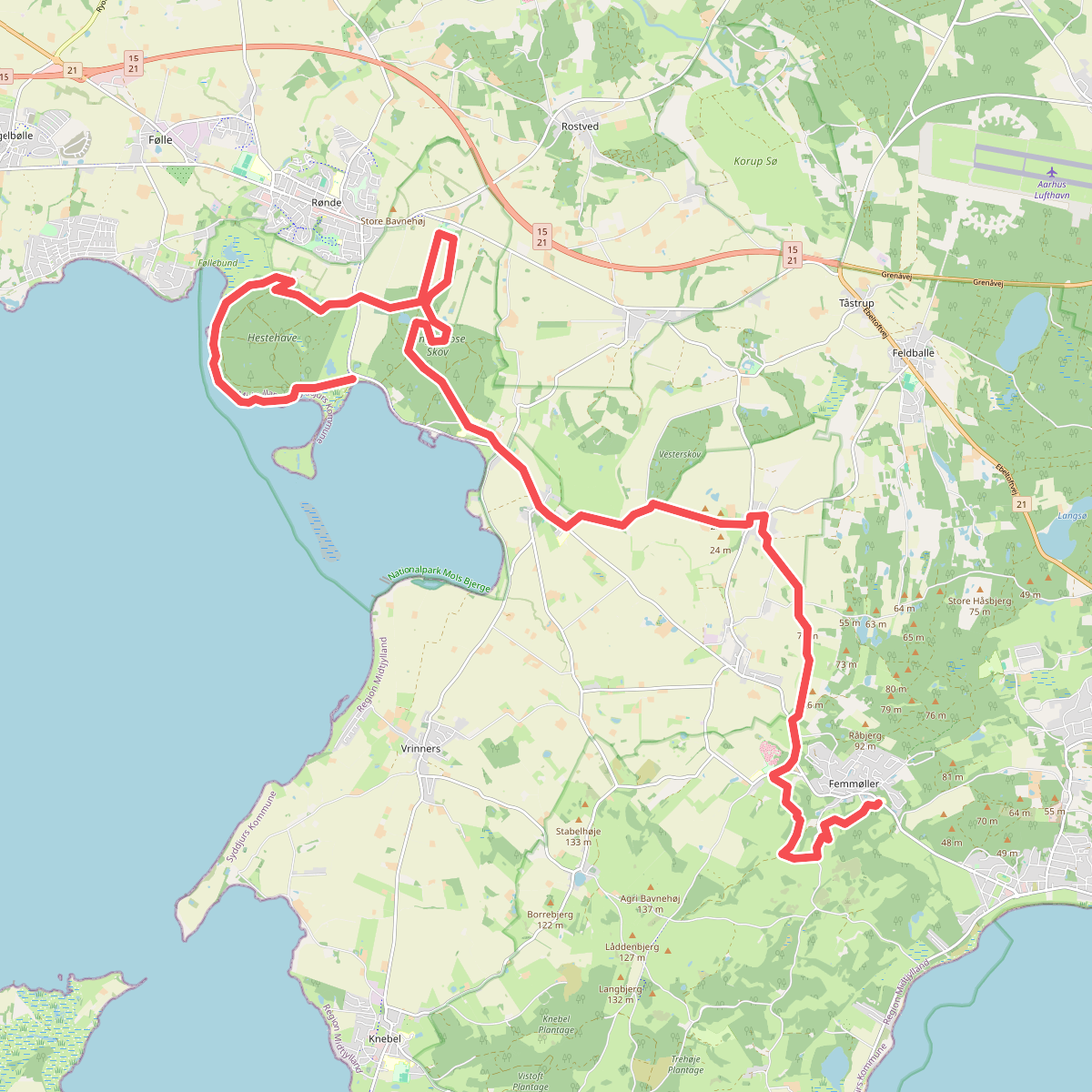
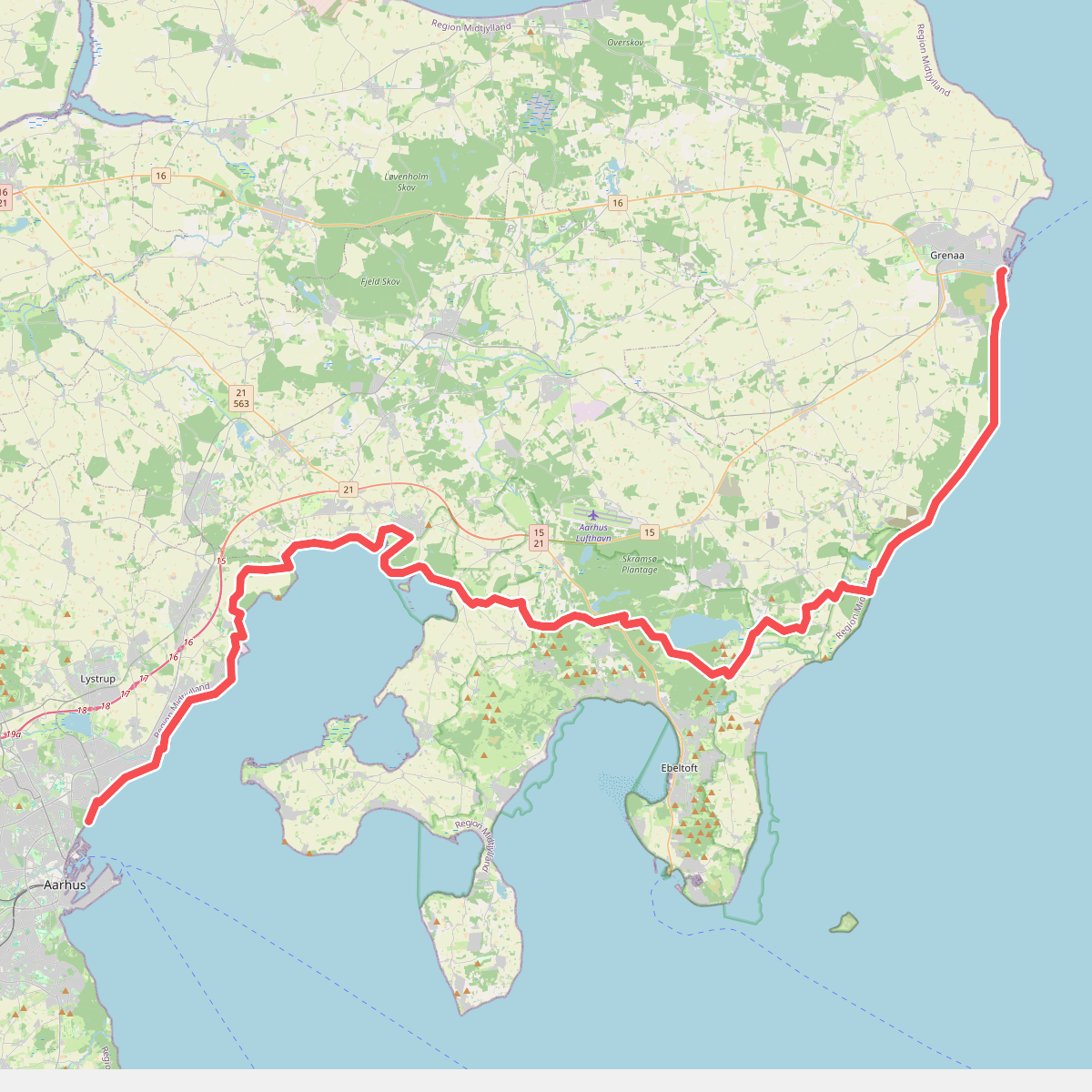
Discover the best walks in Natura 2000 Kaløskovene og Kaløvig. 2 routes on the map, with descriptions, photos and GPX.
About Natura 2000 Kaløskovene og Kaløvig
Natura 2000 Kaløskovene og Kaløvig offers a distinct coastal woodland experience where mature beech forests grow directly down to the edge of the salt water. Unlike inland Danish forests, the paths here are shaped by the immediate proximity of the sea, transitioning from soft forest soil and leaf litter to stony beaches and tidal mudflats. The terrain is gently rolling rather than flat, with low clay cliffs shaped by coastal erosion that expose the root systems of the trees above.
Read more
About Natura 2000 Kaløskovene og Kaløvig
Natura 2000 Kaløskovene og Kaløvig offers a distinct coastal woodland experience where mature beech forests grow directly down to the edge of the salt water. Unlike inland Danish forests, the paths here are shaped by the immediate proximity of the sea, transitioning from soft forest soil and leaf litter to stony beaches and tidal mudflats. The terrain is gently rolling rather than flat, with low clay cliffs shaped by coastal erosion that expose the root systems of the trees above.
Read moreNatura 2000 Kaløskovene og Kaløvig offers a distinct coastal woodland experience where mature beech forests grow directly down to the edge of the salt water. Unlike inland Danish forests, the paths here are shaped by the immediate proximity of the sea, transitioning from soft forest soil and leaf litter to stony beaches and tidal mudflats. The terrain is gently rolling rather than flat, with low clay cliffs shaped by coastal erosion that expose the root systems of the trees above.
Walking through the woods of Ringelmose Skov and Hestehave Skov, you will notice how the trees lean away from the prevailing salt winds, creating a dense, wind-sheared canopy. The underfoot conditions vary from wide, firm dirt tracks suitable for steady walking to narrow, muddy paths that follow the shoreline. In late spring, around May, the forest floor is covered in wild garlic and anemones before the thick beech canopy closes and shades out the undergrowth.
This area is not a wilderness of high dunes or deep pine forests, but a managed cultural landscape where historical stone walls and old drainage ditches cut through the trees. The shoreline sections can be busy near the castle ruins, but the deeper forest loops remain quieter, defined by the sound of water lapping against the stones just meters from the woodland path.