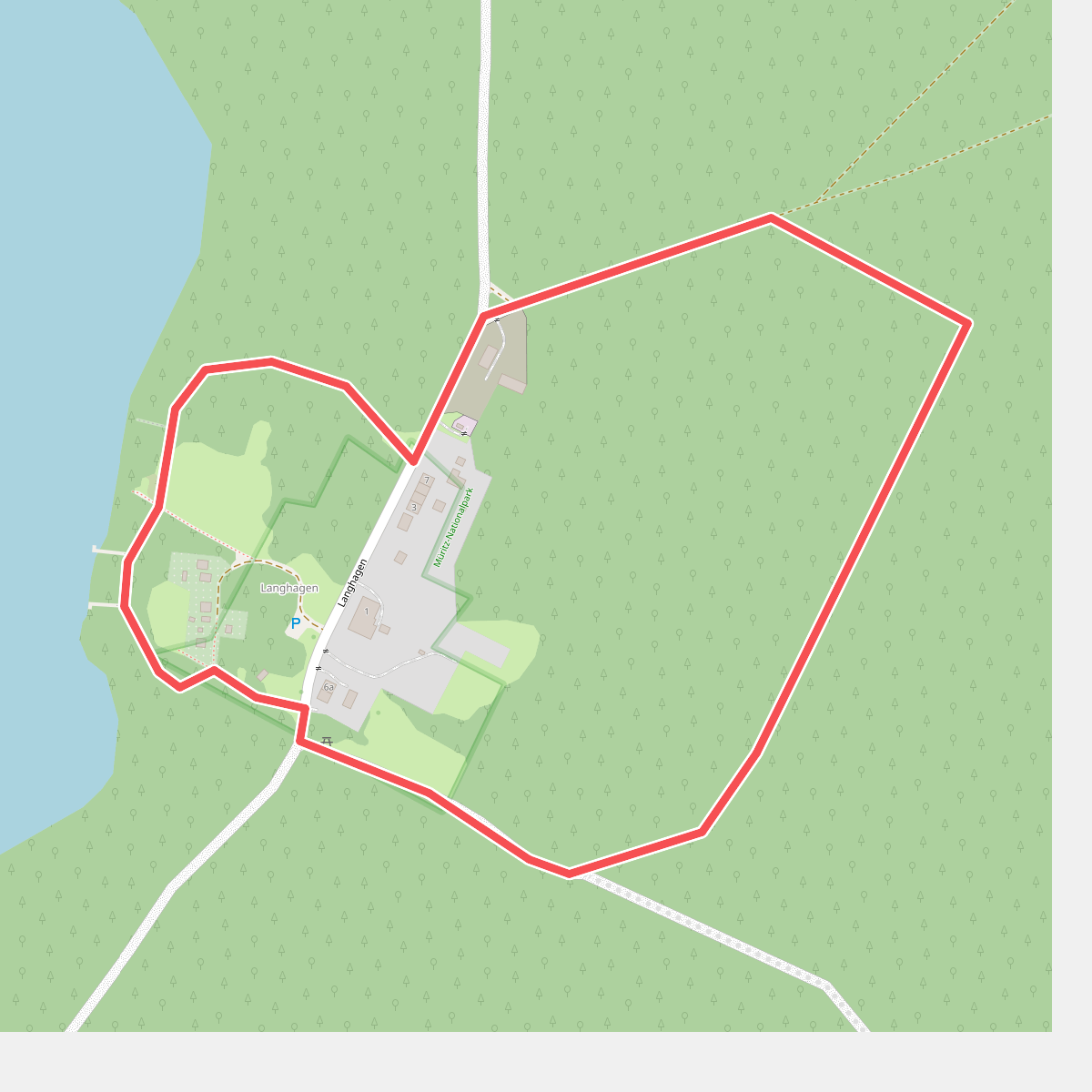

The best hiking routes in Müritz-Nationalpark
Discover the best walks in Müritz-Nationalpark. 44 routes on the map, with descriptions, photos and GPX.
About Müritz-Nationalpark
Müritz-Nationalpark is characterized by a flat to gently undulating glacial landscape dominated by vast pine and beech forests, bogs, and over a hundred lakes. Walkers will find a distinct contrast between the dry, sandy pine barrens of the east, where the soil is nutrient-poor and acidic, and the ancient, dense beech forests of Serrahn in the east, which are recognized for their undisturbed development. The terrain does not offer dramatic elevation changes or deep valleys, but rather a quiet, horizontal landscape of water and wood.
Read more
About Müritz-Nationalpark
Müritz-Nationalpark is characterized by a flat to gently undulating glacial landscape dominated by vast pine and beech forests, bogs, and over a hundred lakes. Walkers will find a distinct contrast between the dry, sandy pine barrens of the east, where the soil is nutrient-poor and acidic, and the ancient, dense beech forests of Serrahn in the east, which are recognized for their undisturbed development. The terrain does not offer dramatic elevation changes or deep valleys, but rather a quiet, horizontal landscape of water and wood.
Read moreMüritz-Nationalpark is characterized by a flat to gently undulating glacial landscape dominated by vast pine and beech forests, bogs, and over a hundred lakes. Walkers will find a distinct contrast between the dry, sandy pine barrens of the east, where the soil is nutrient-poor and acidic, and the ancient, dense beech forests of Serrahn in the east, which are recognized for their undisturbed development. The terrain does not offer dramatic elevation changes or deep valleys, but rather a quiet, horizontal landscape of water and wood.
Underfoot, the paths vary significantly depending on the section you choose. You will encounter wide, sandy forestry tracks that can feel soft underfoot, as well as narrow dirt paths winding through the trees. In the wetter peatland and bog areas, wooden boardwalks elevate walkers above the standing water and fragile mosses, allowing close views of the wetland vegetation without disturbing the habitat. Navigating the park requires attention to these transitions, as dry forest floor can quickly give way to damp lakeside margins.
In autumn, particularly during October, the beech forests of Serrahn turn deep orange and yellow, making this a popular time for woodland walks, while the open lake shores offer opportunities to observe migrating cranes. The areas closest to the main visitor hubs and boat landings can be busier, but the extensive network of trails allows for quieter walking on the longer loop trails deeper in the forest.
Hiking routes in Müritz-Nationalpark (44)
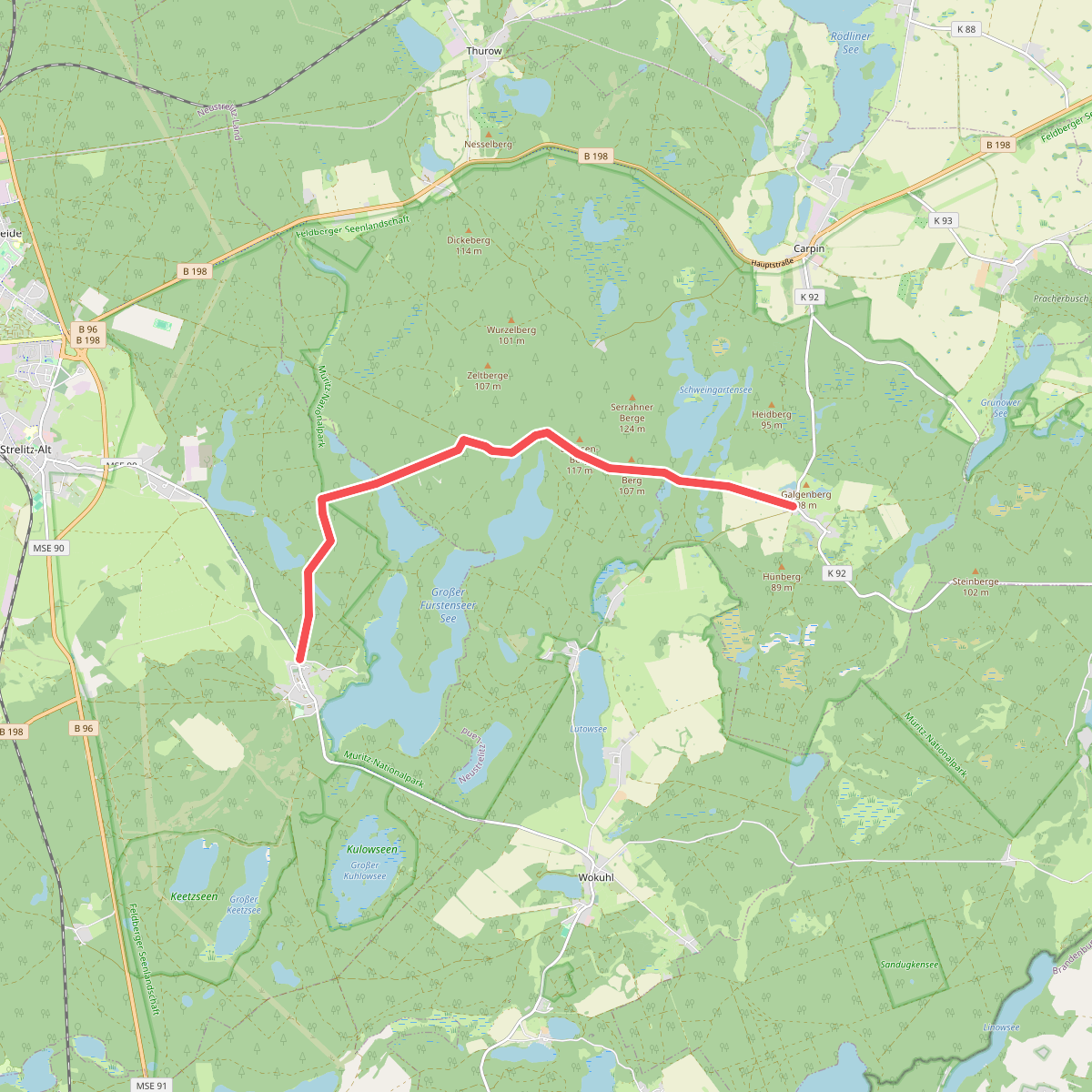
#1. Blauer Falke Fürstensee
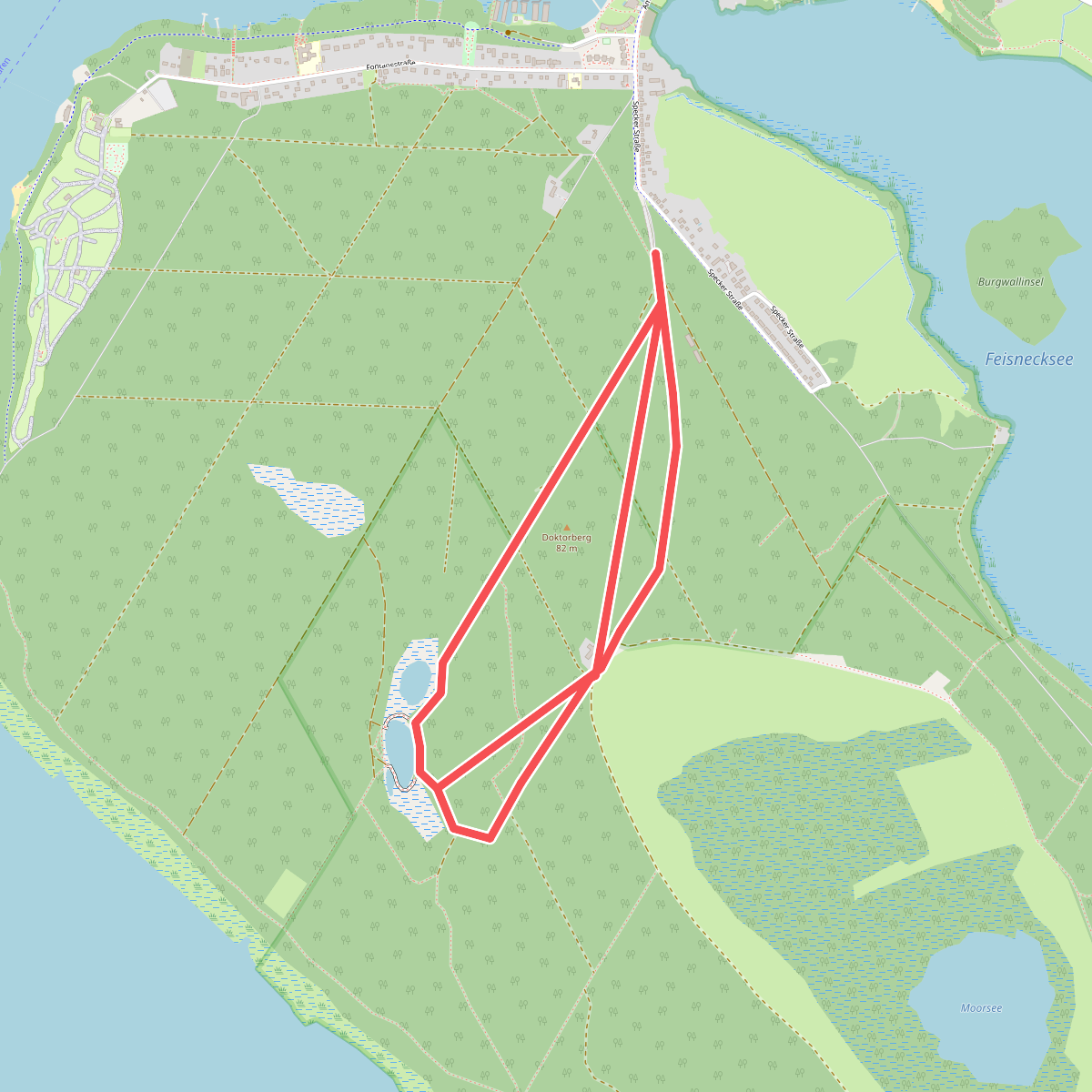
#2. Brauner Hase Waren
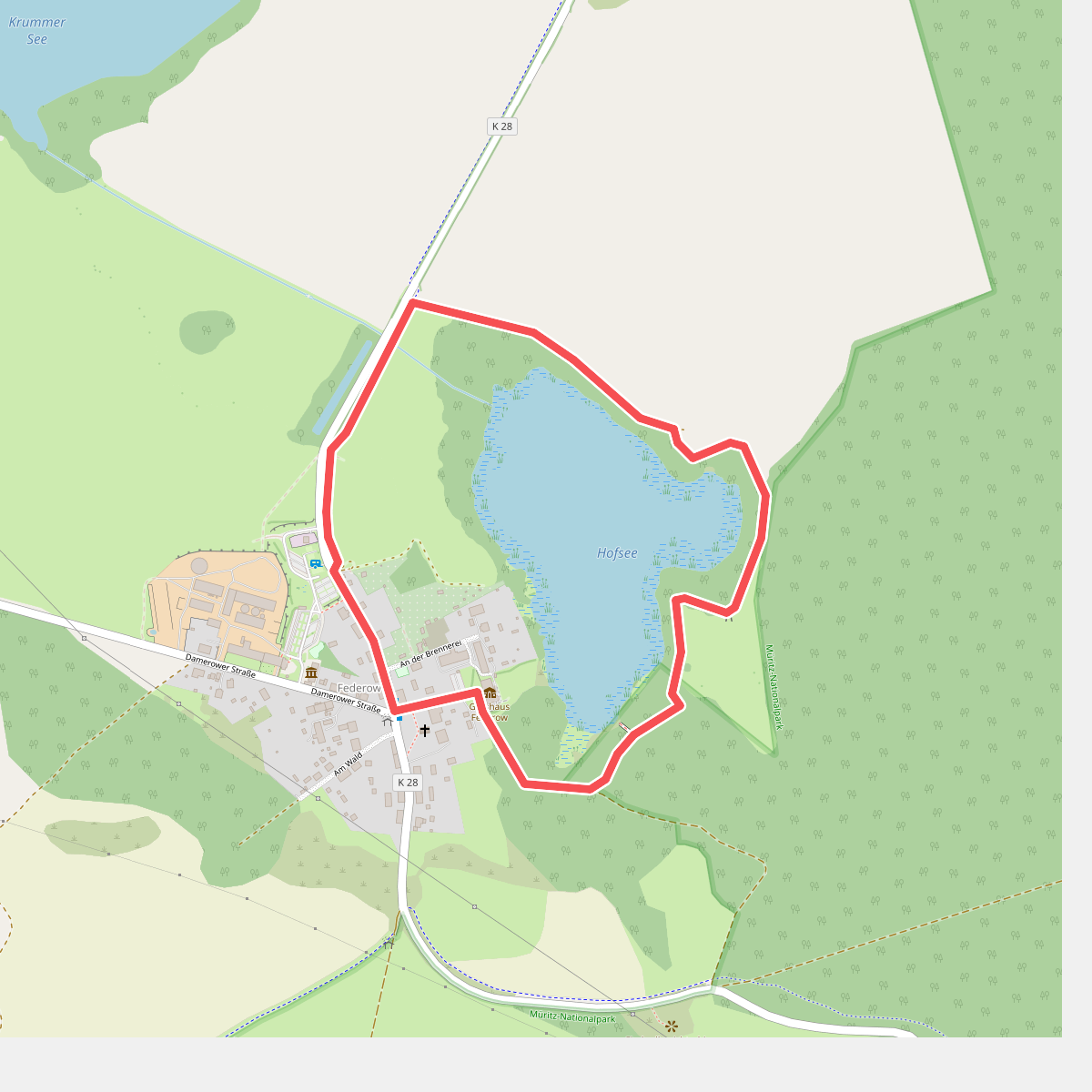
#3. Brauner Rohrkolben Federow
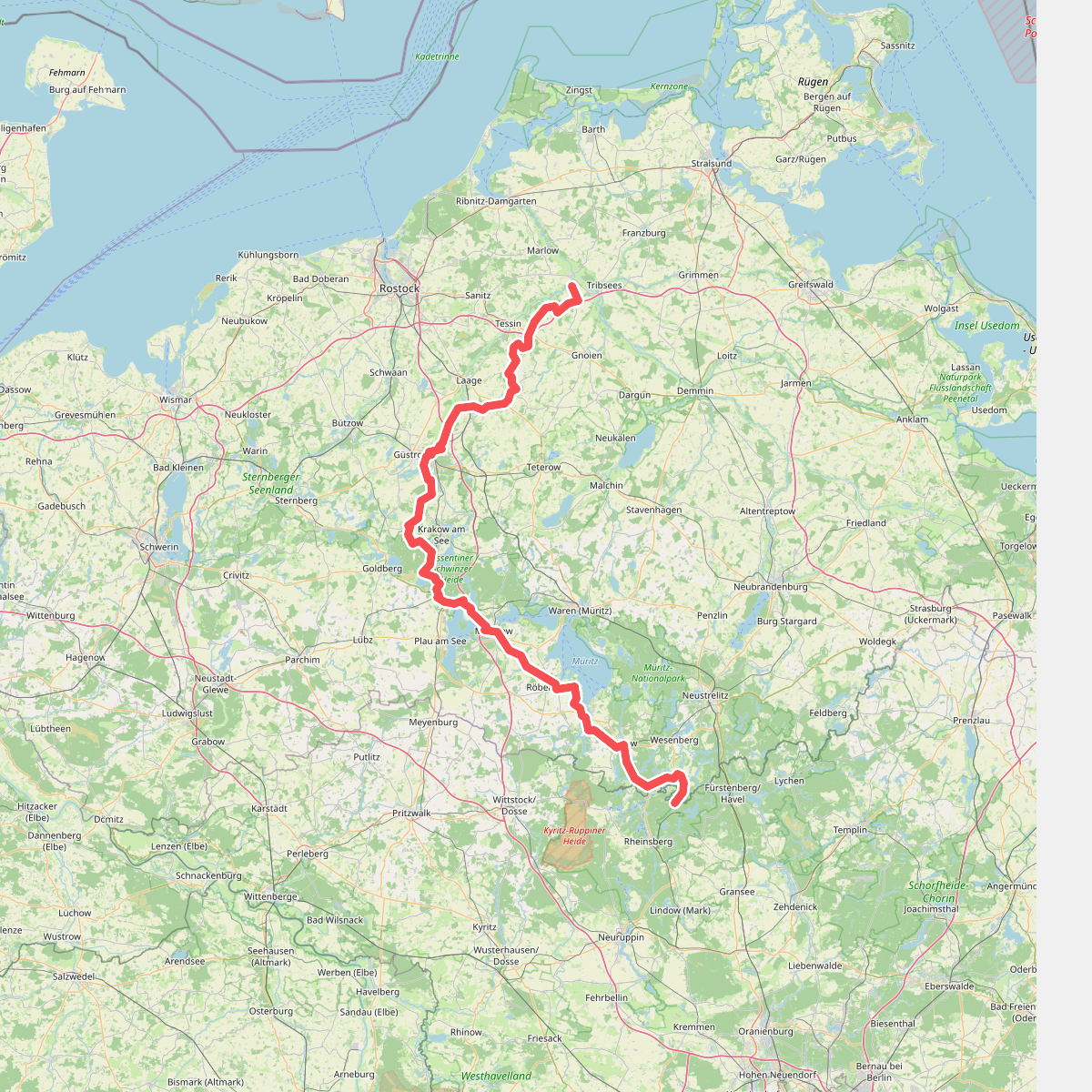
#4. Europäischer Fernwanderweg E10, Deutschland, Mecklenburg
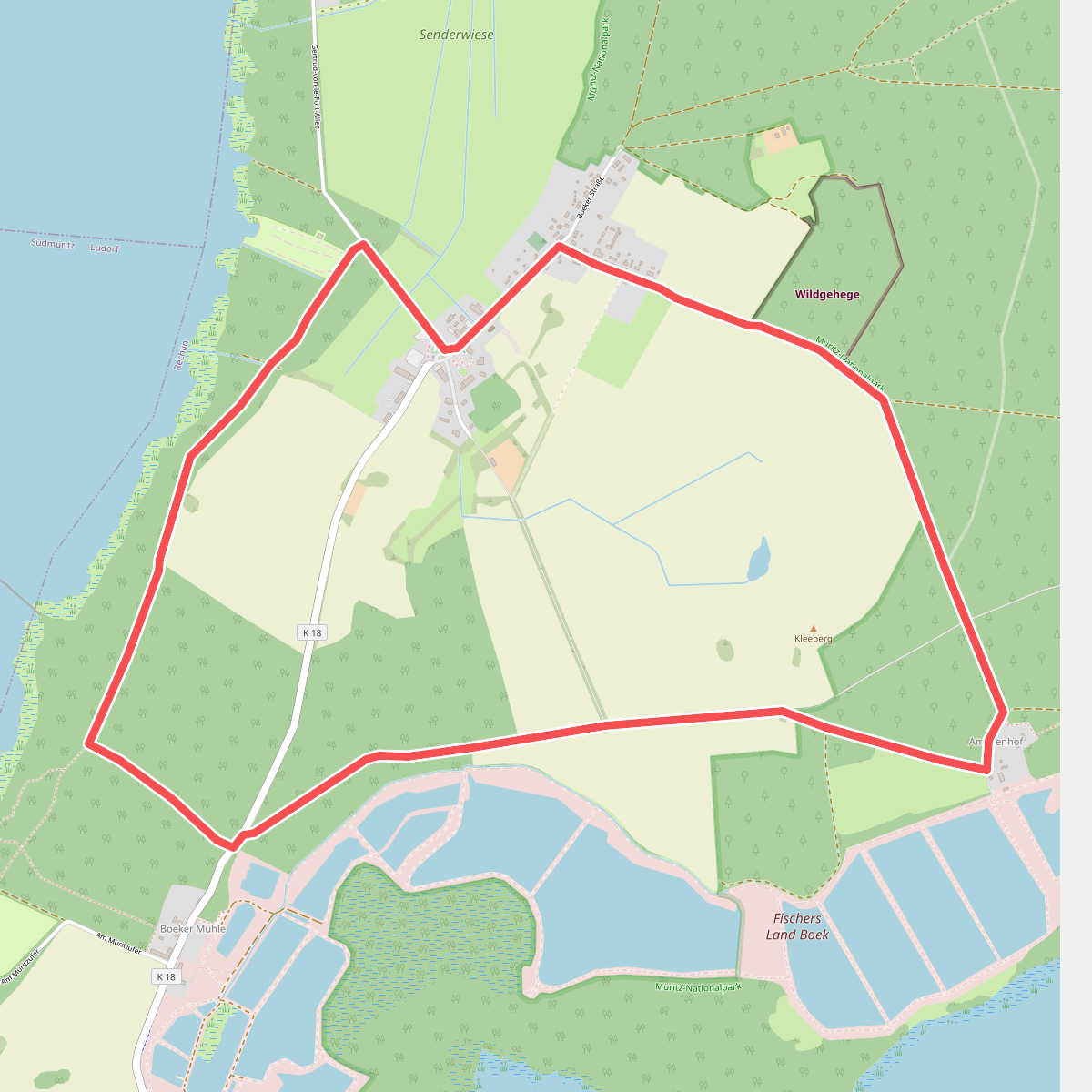
#5. Gelber Falke Boek
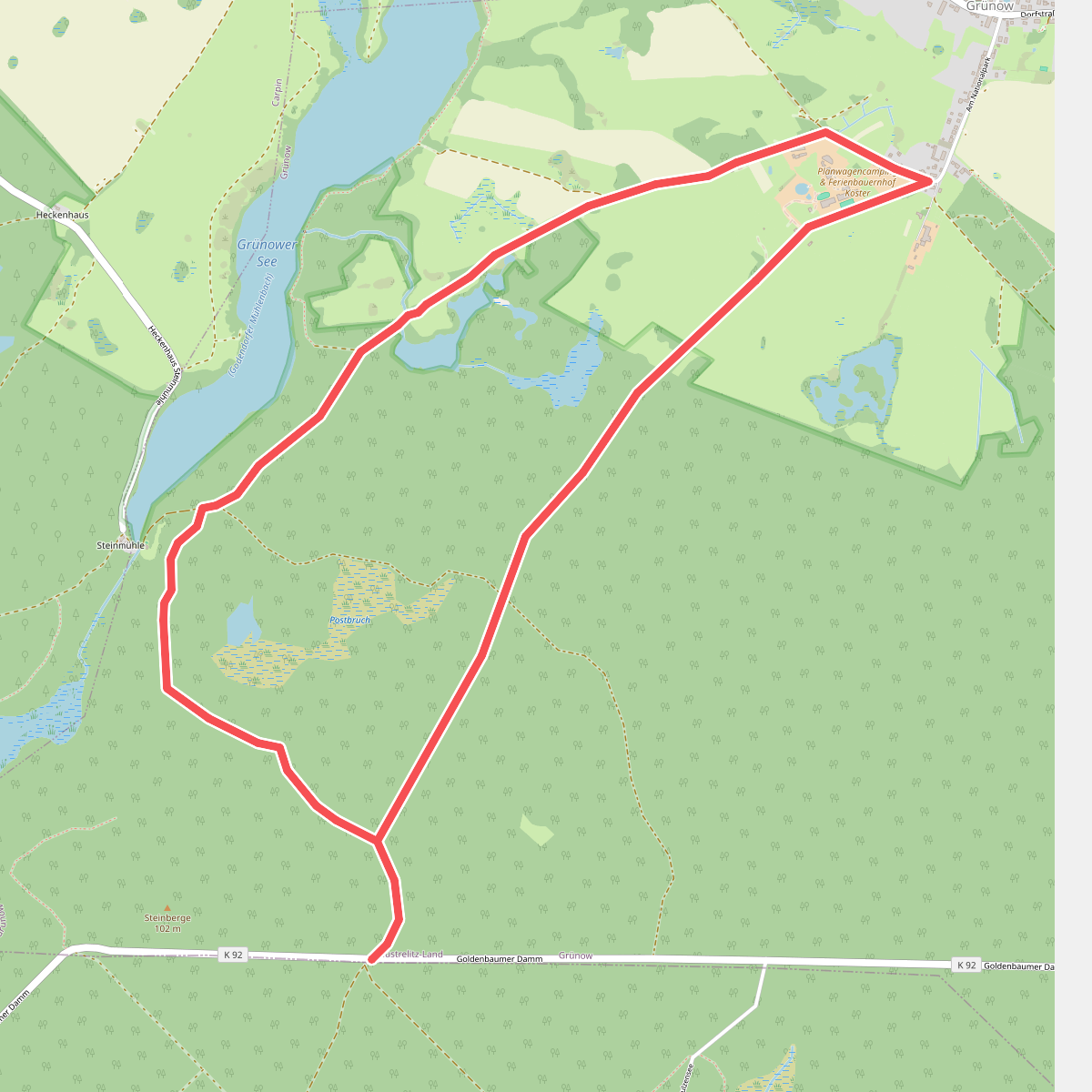
#6. Gelber Falke Grünow
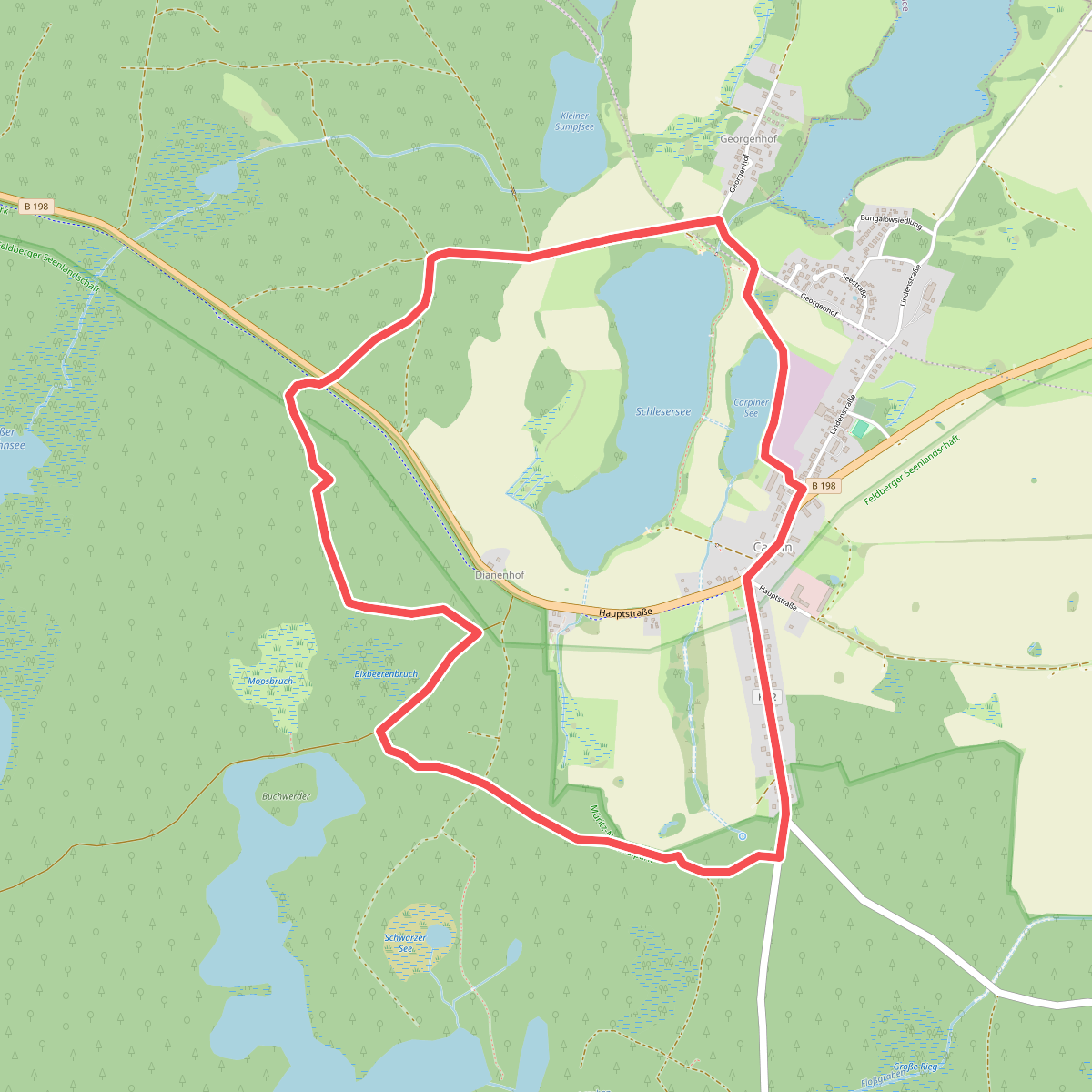
#7. Gelber Schmetterling Carpin
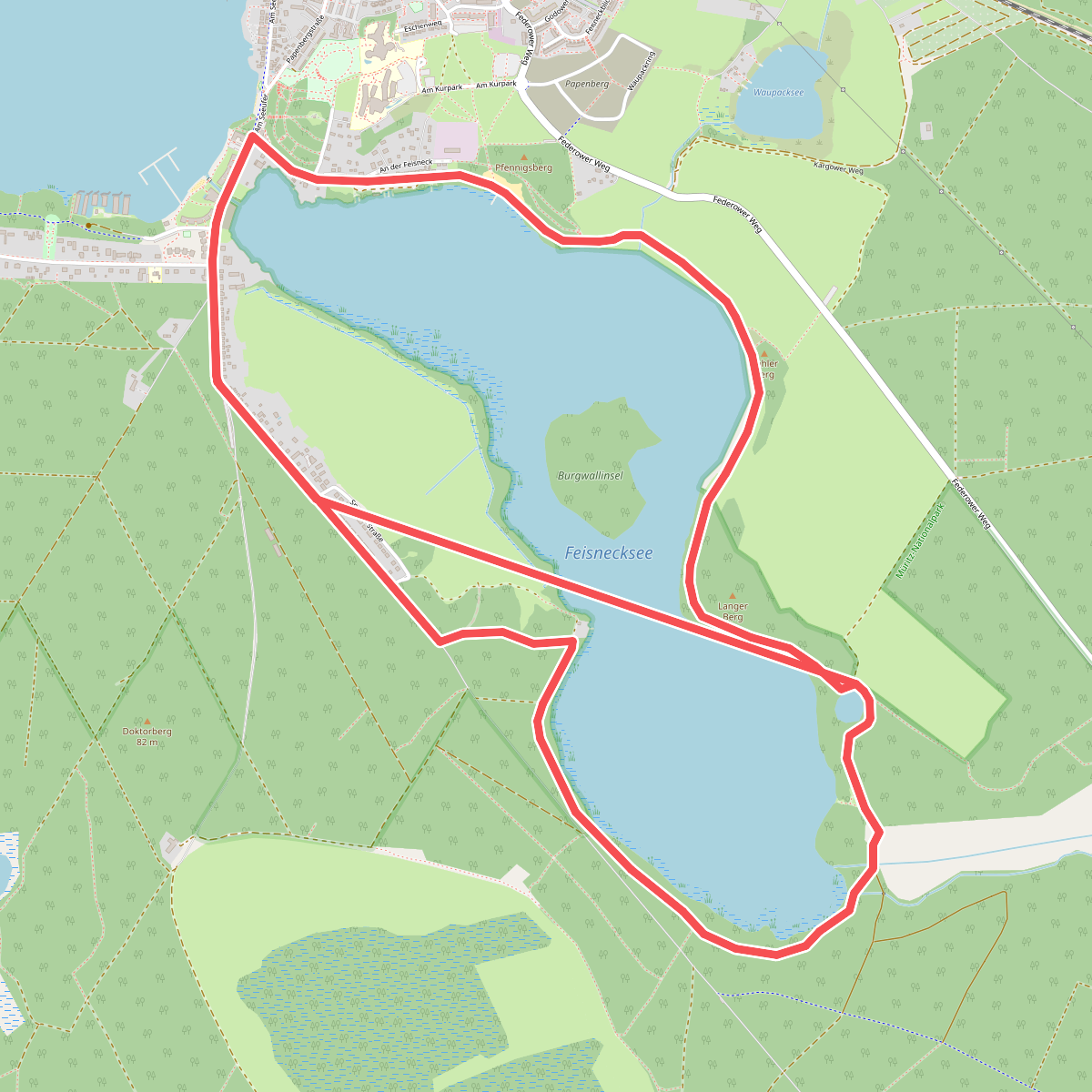
#8. Gelber Schmetterling Waren
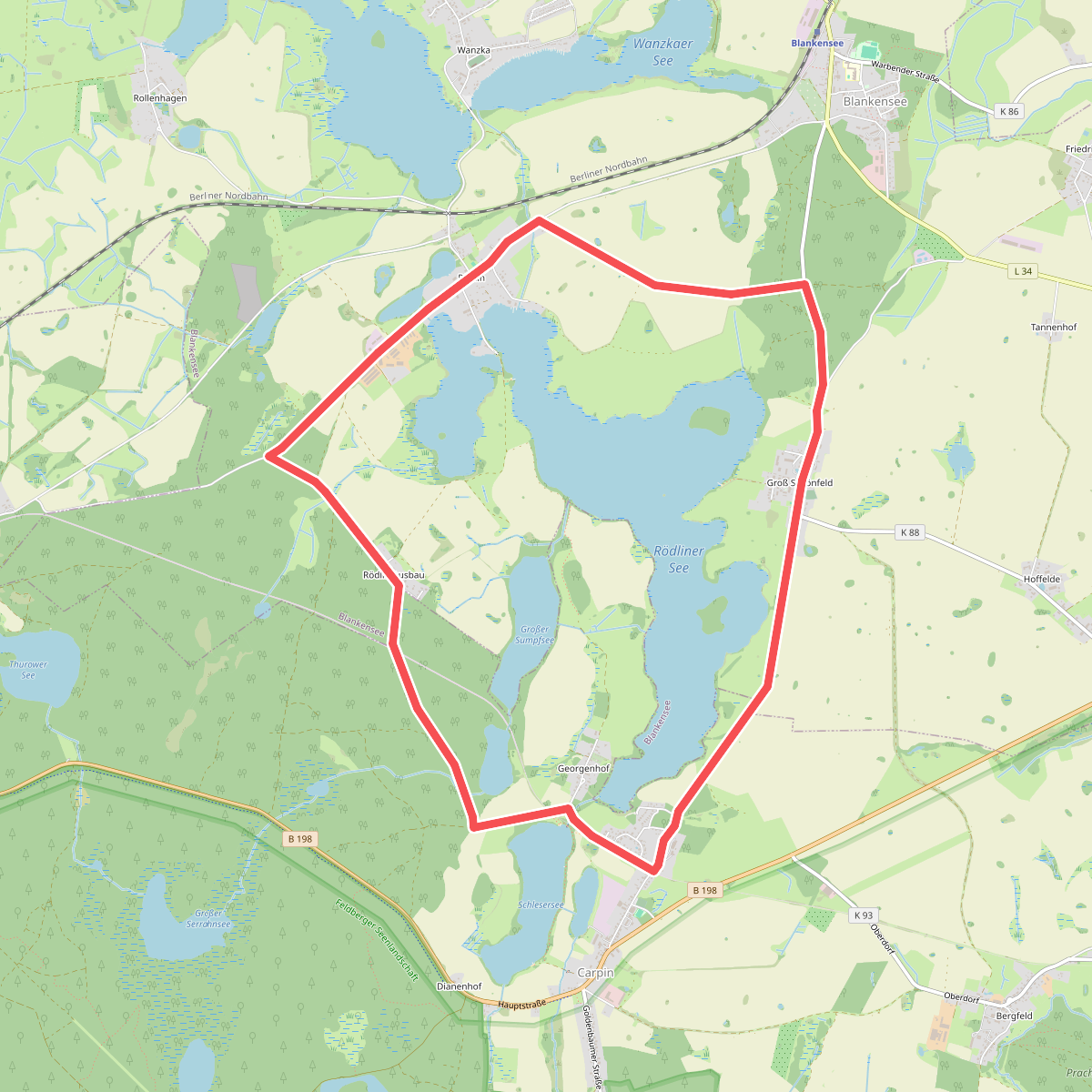
#9. Große Rödliner Runde
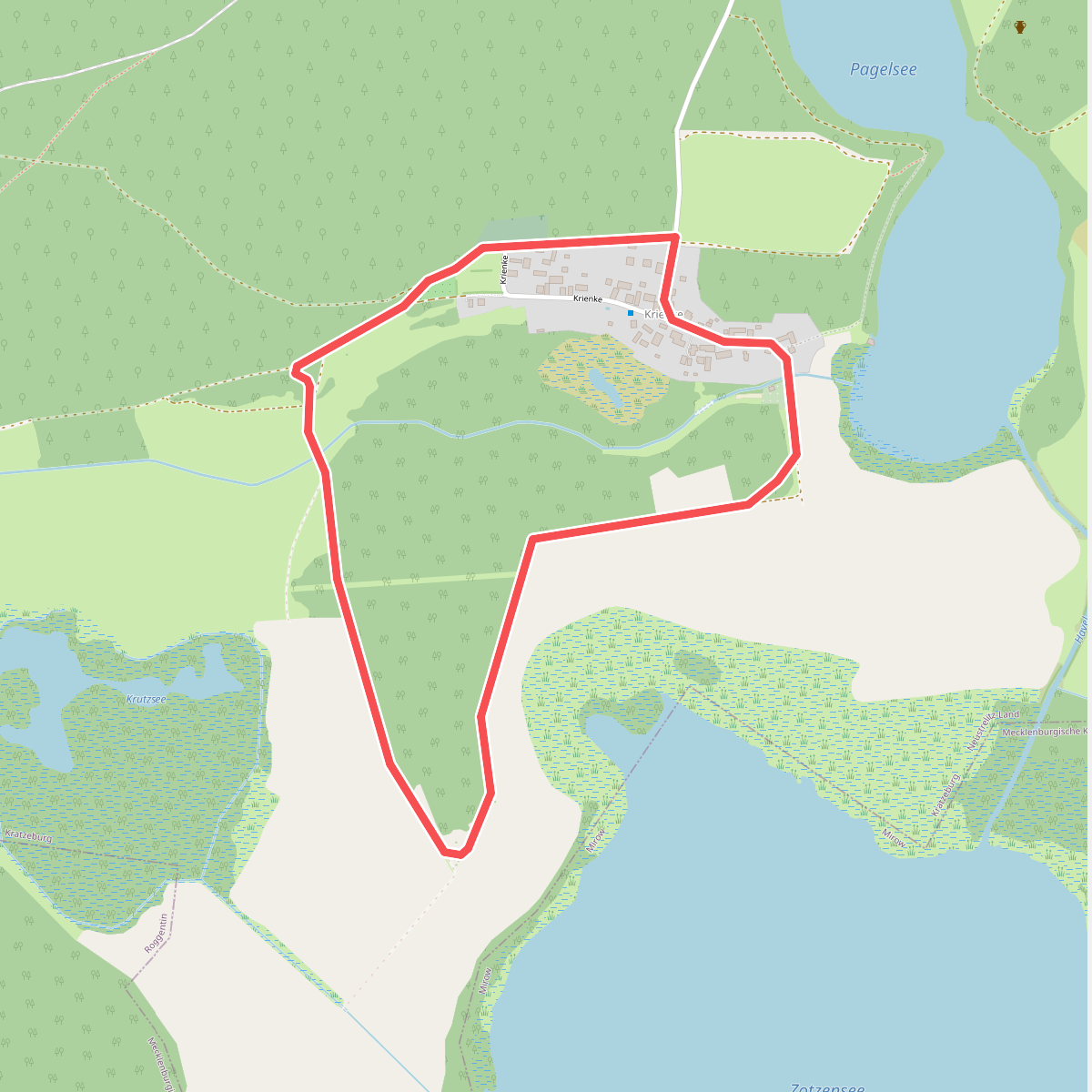
#10. Grüne Rohrdommel Krienke
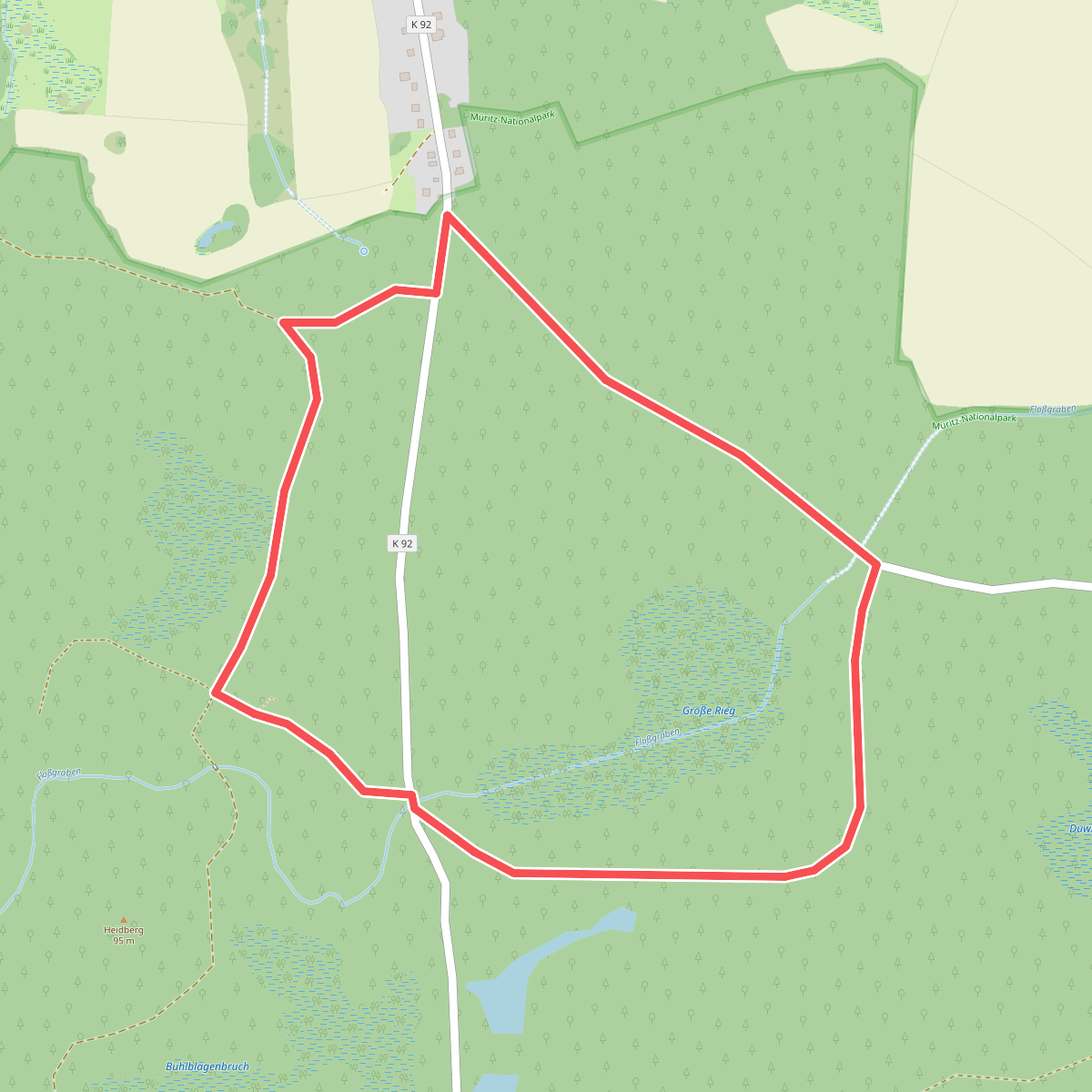
#11. Grüner Baum Carpin