
The best hiking routes in LSG Werdauer Wald
Discover the best walks in LSG Werdauer Wald. 5 routes on the map, with descriptions, photos and GPX.
About LSG Werdauer Wald
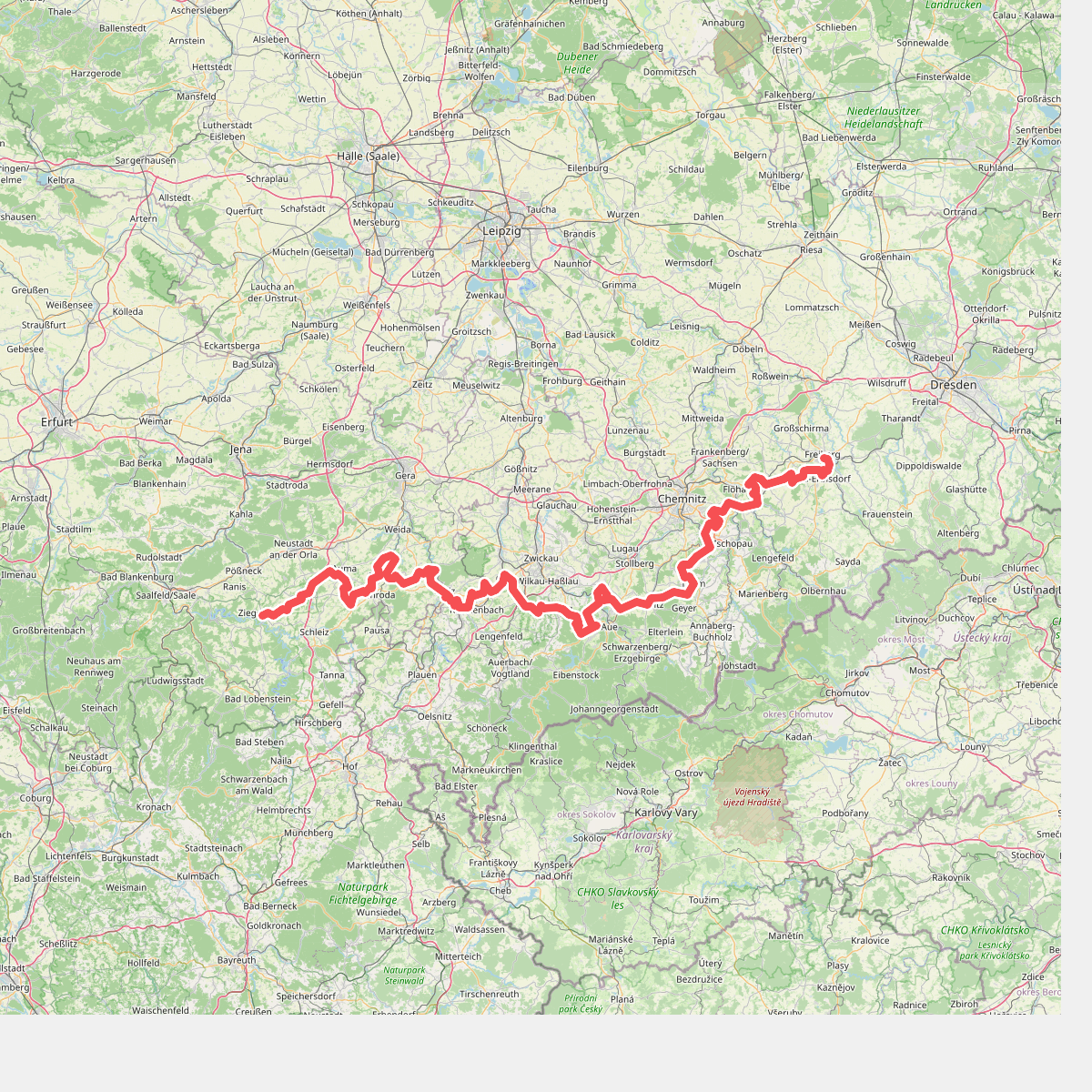
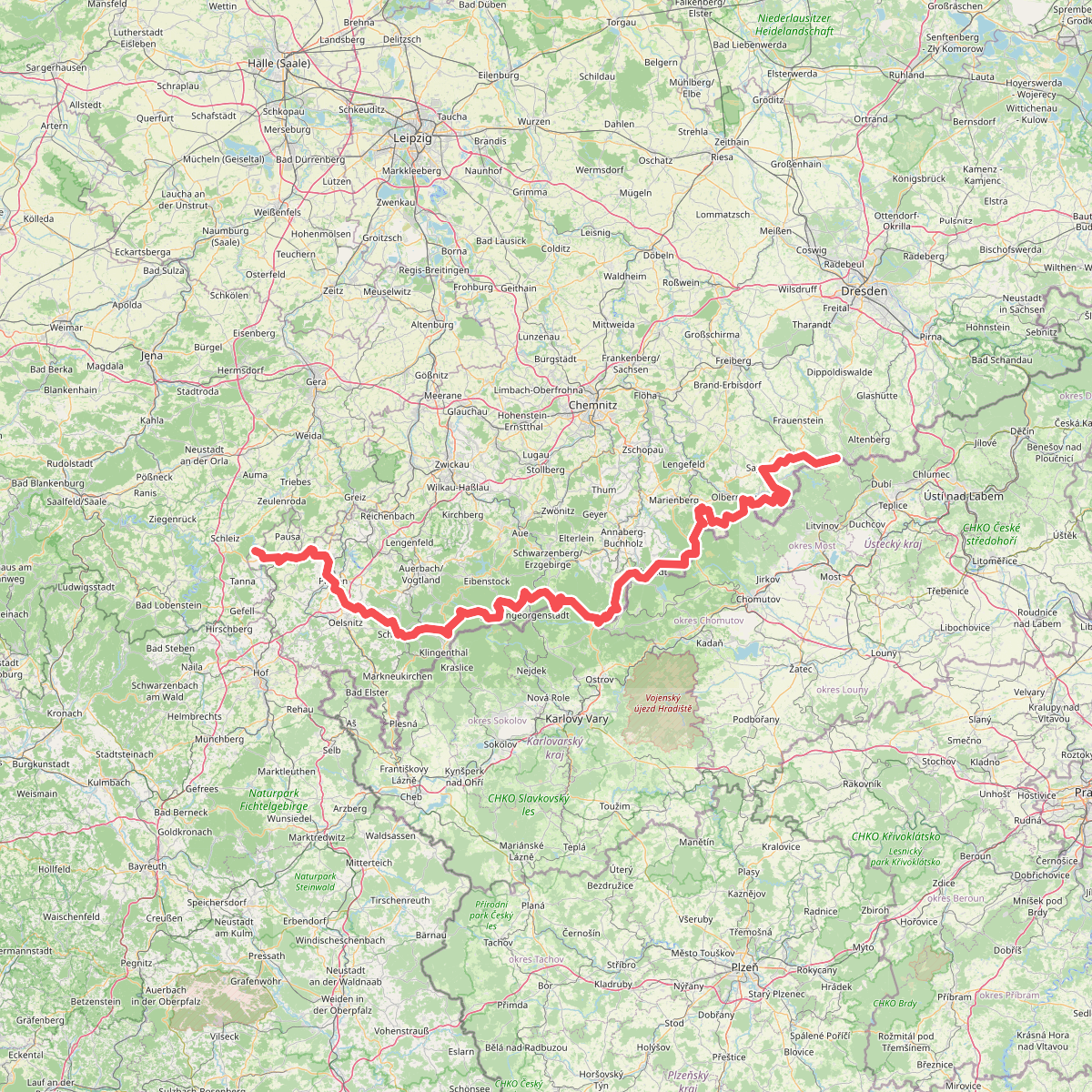
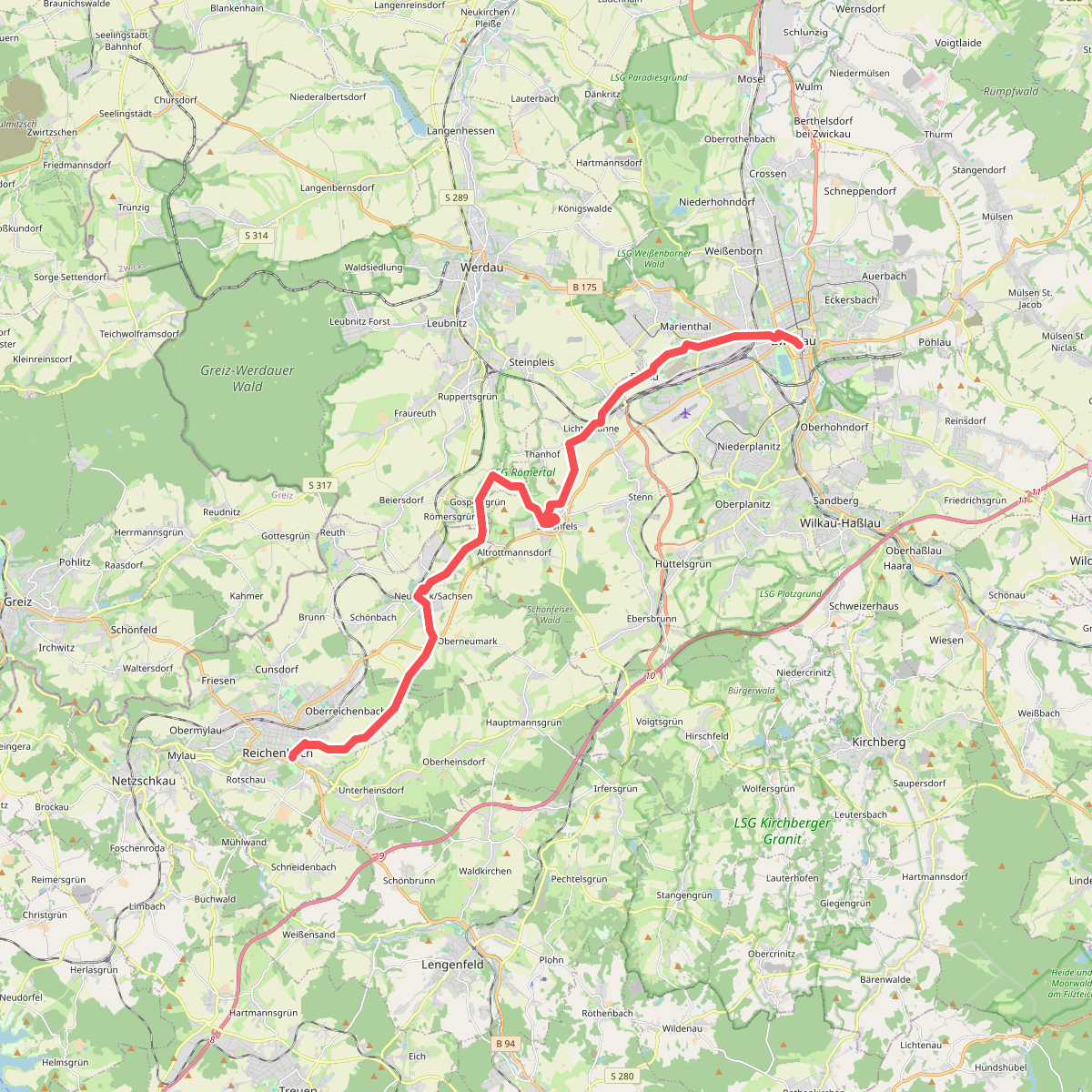
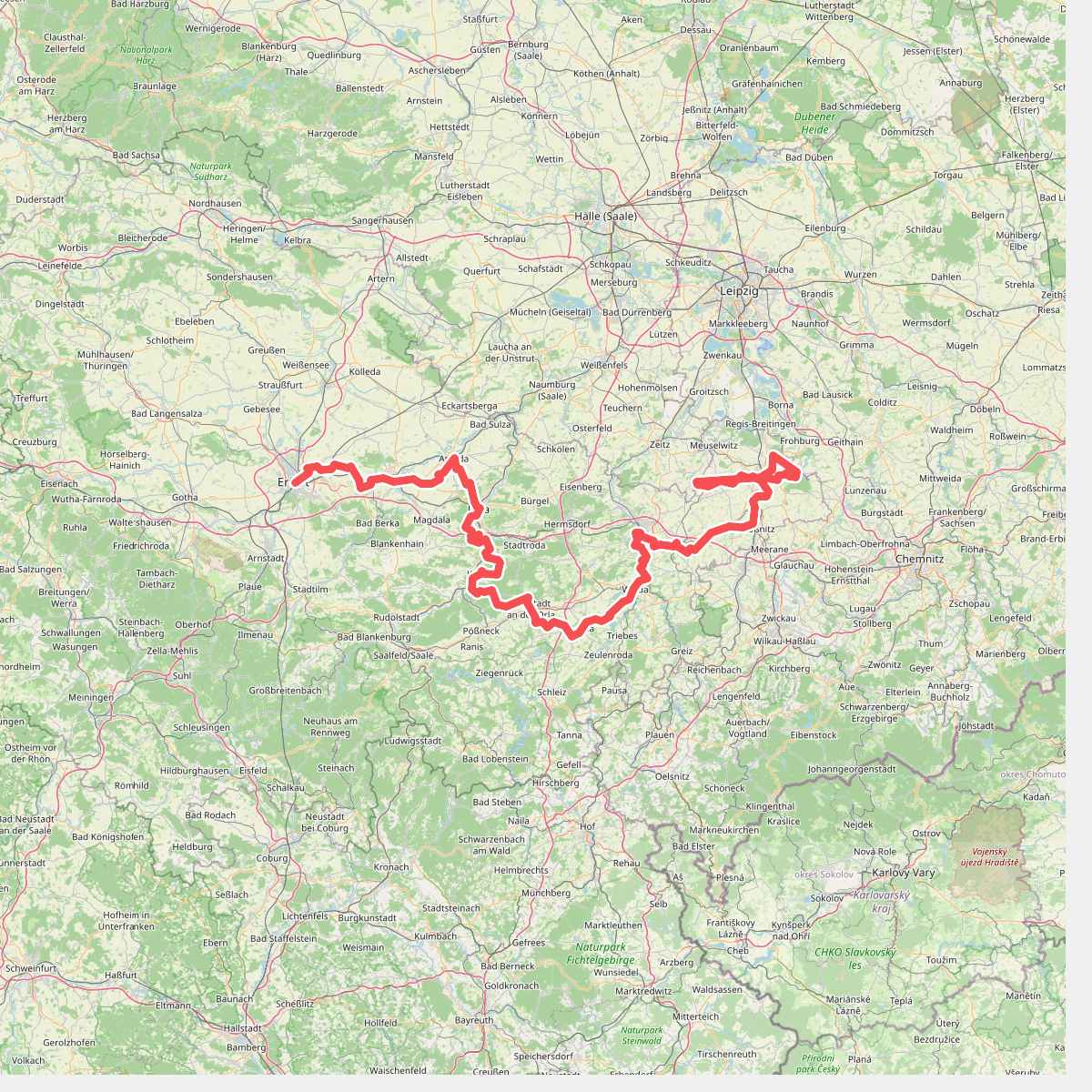
LSG Werdauer Wald is a large, continuous forest area on the border of Saxony and Thuringia, characterized by its gently rolling plateau landscape rather than dramatic peaks or deep valleys. For a walker, the terrain offers a steady, predictable underfoot experience, dominated by wide forestry tracks, gravel paths, and occasional damp earth trails. The forest structure is a mix of managed spruce plantations and older beech stands, which creates a shifting canopy that alternates between dense, dark corridors and more open, light-dappled sections.
Read more
About LSG Werdauer Wald
LSG Werdauer Wald is a large, continuous forest area on the border of Saxony and Thuringia, characterized by its gently rolling plateau landscape rather than dramatic peaks or deep valleys. For a walker, the terrain offers a steady, predictable underfoot experience, dominated by wide forestry tracks, gravel paths, and occasional damp earth trails. The forest structure is a mix of managed spruce plantations and older beech stands, which creates a shifting canopy that alternates between dense, dark corridors and more open, light-dappled sections.
Read moreLSG Werdauer Wald is a large, continuous forest area on the border of Saxony and Thuringia, characterized by its gently rolling plateau landscape rather than dramatic peaks or deep valleys. For a walker, the terrain offers a steady, predictable underfoot experience, dominated by wide forestry tracks, gravel paths, and occasional damp earth trails. The forest structure is a mix of managed spruce plantations and older beech stands, which creates a shifting canopy that alternates between dense, dark corridors and more open, light-dappled sections.
As you walk, the landscape reveals its history as a managed woodland and water catchment area. You will frequently cross small, slow-flowing streams and pass quiet forest ponds, which are often bordered by damp mosses and ferns. These wet depressions contrast with the drier, slightly elevated ridges where Scots pine and birch trees become more common. The paths are generally wide and easy to navigate, making this area highly accessible, though it lacks the rugged, narrow footpaths found in more mountainous regions.
While the outer edges near Werdau and the local forest inns can be busier with families and cyclists, the deeper interior of the forest remains quiet. In October, the beech sections turn a deep copper, making these specific zones the most visual part of the walk. It is a reliable destination for those seeking long, uncomplicated forest walks on stable ground, without steep climbs or technical terrain.