
The best hiking routes in Gessi Bolognesi, Calanchi dell'Abbadessa
Discover the best walks in Gessi Bolognesi, Calanchi dell'Abbadessa. 13 routes on the map, with descriptions, photos and GPX.
Managed by Ente di gestione per i Parchi e la Biodiversità - Emilia orientale;Provincia di Bologna
About Gessi Bolognesi, Calanchi dell'Abbadessa
The Gessi Bolognesi, Calanchi dell'Abbadessa reserve offers a stark contrast between two distinct geological formations just outside Bologna. On one side, the landscape is dominated by grey, barren clay gullies known as calanchi, which have been carved by erosion into sharp, steep ridges. Walking here means following narrow paths along exposed clay crests where vegetation struggles to take hold, offering clear views of the furrowed slopes. Underfoot, the clay is hard and cracked during dry summer months like August, but quickly turns sticky and slick after autumn rains.
Read more
About Gessi Bolognesi, Calanchi dell'Abbadessa
The Gessi Bolognesi, Calanchi dell'Abbadessa reserve offers a stark contrast between two distinct geological formations just outside Bologna. On one side, the landscape is dominated by grey, barren clay gullies known as calanchi, which have been carved by erosion into sharp, steep ridges. Walking here means following narrow paths along exposed clay crests where vegetation struggles to take hold, offering clear views of the furrowed slopes. Underfoot, the clay is hard and cracked during dry summer months like August, but quickly turns sticky and slick after autumn rains.
Read moreThe Gessi Bolognesi, Calanchi dell'Abbadessa reserve offers a stark contrast between two distinct geological formations just outside Bologna. On one side, the landscape is dominated by grey, barren clay gullies known as calanchi, which have been carved by erosion into sharp, steep ridges. Walking here means following narrow paths along exposed clay crests where vegetation struggles to take hold, offering clear views of the furrowed slopes. Underfoot, the clay is hard and cracked during dry summer months like August, but quickly turns sticky and slick after autumn rains.
In contrast, the gypsum areas of the reserve present a wooded, karst landscape pitted with sinkholes and blind valleys. Here, the paths wind through deciduous woodland and brush, occasionally opening up near the entrances of natural caves and swallow holes where surface water disappears underground. The terrain underfoot changes from the open clay ridges to shaded, stony dirt tracks cushioned by leaf litter.
This is a landscape of rugged, low-altitude hills rather than high mountain peaks. While the lower paths near the trailheads can be busy with local walkers on spring weekends, the steeper trails climbing through the calanchi are often quieter. It is a place to observe how different rock types shape the vegetation and path conditions over short distances.
Hiking routes in Gessi Bolognesi, Calanchi dell'Abbadessa (13)
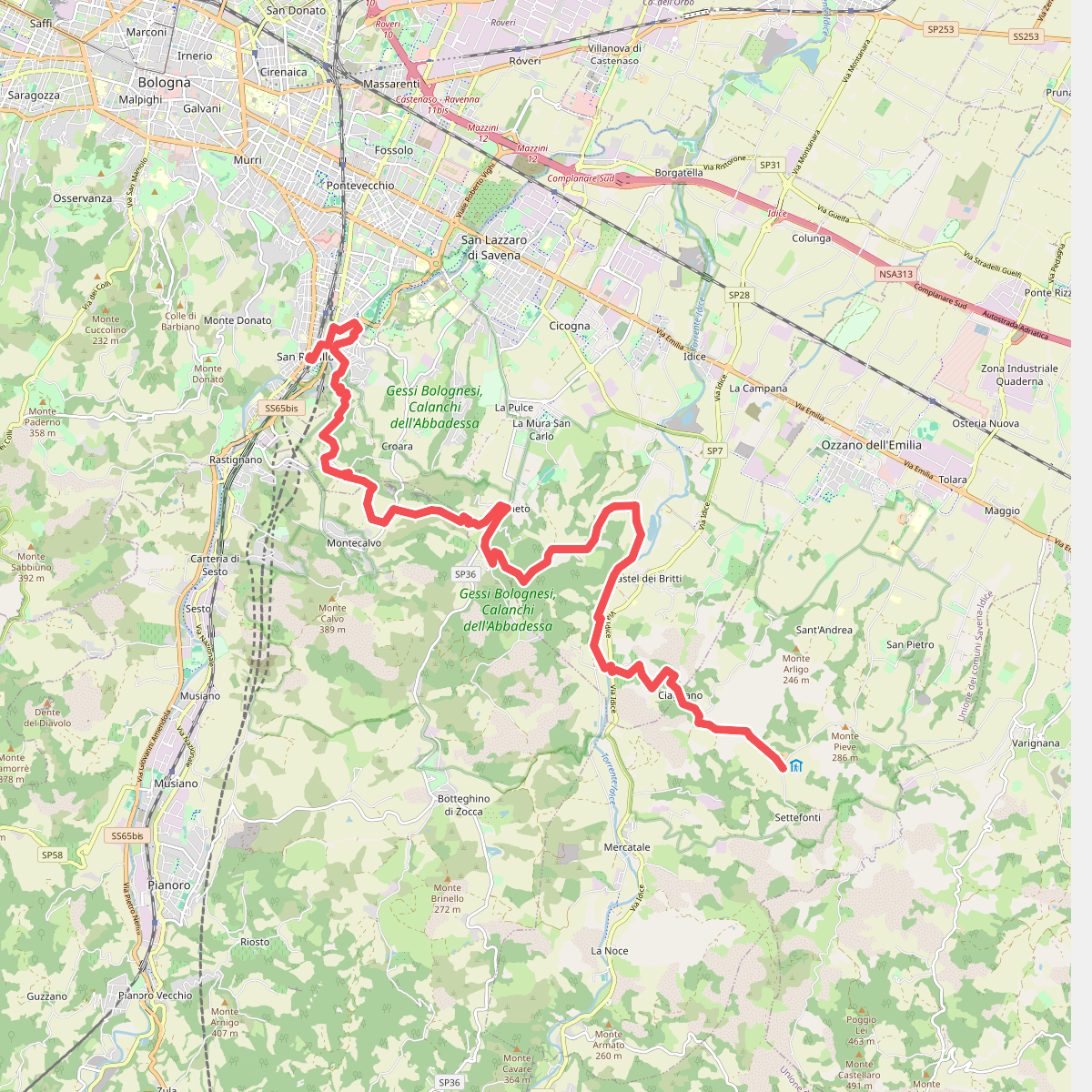
#1. Il Cammino di Sant'Antonio: Tappa 9
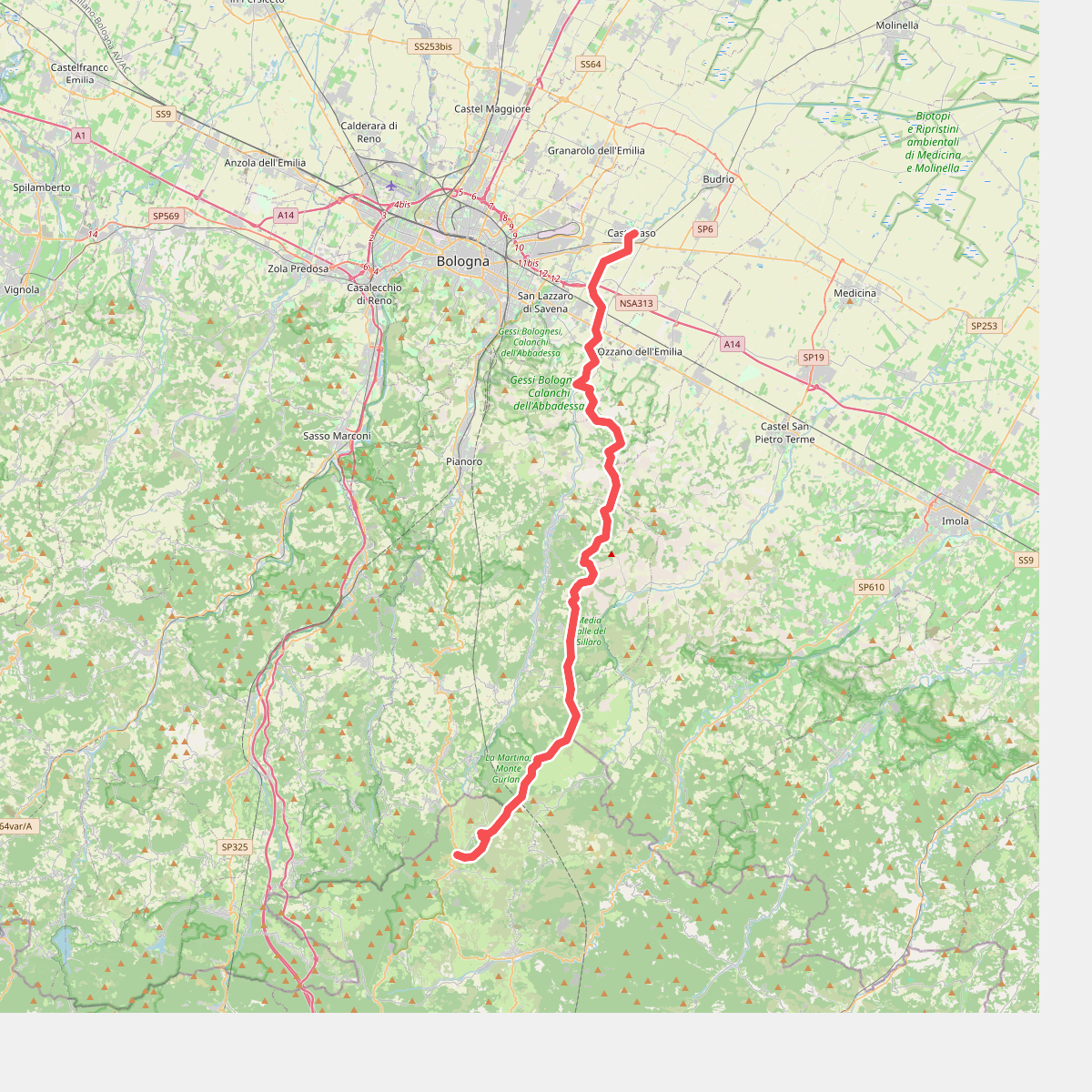
#2. Percorso CAI 801
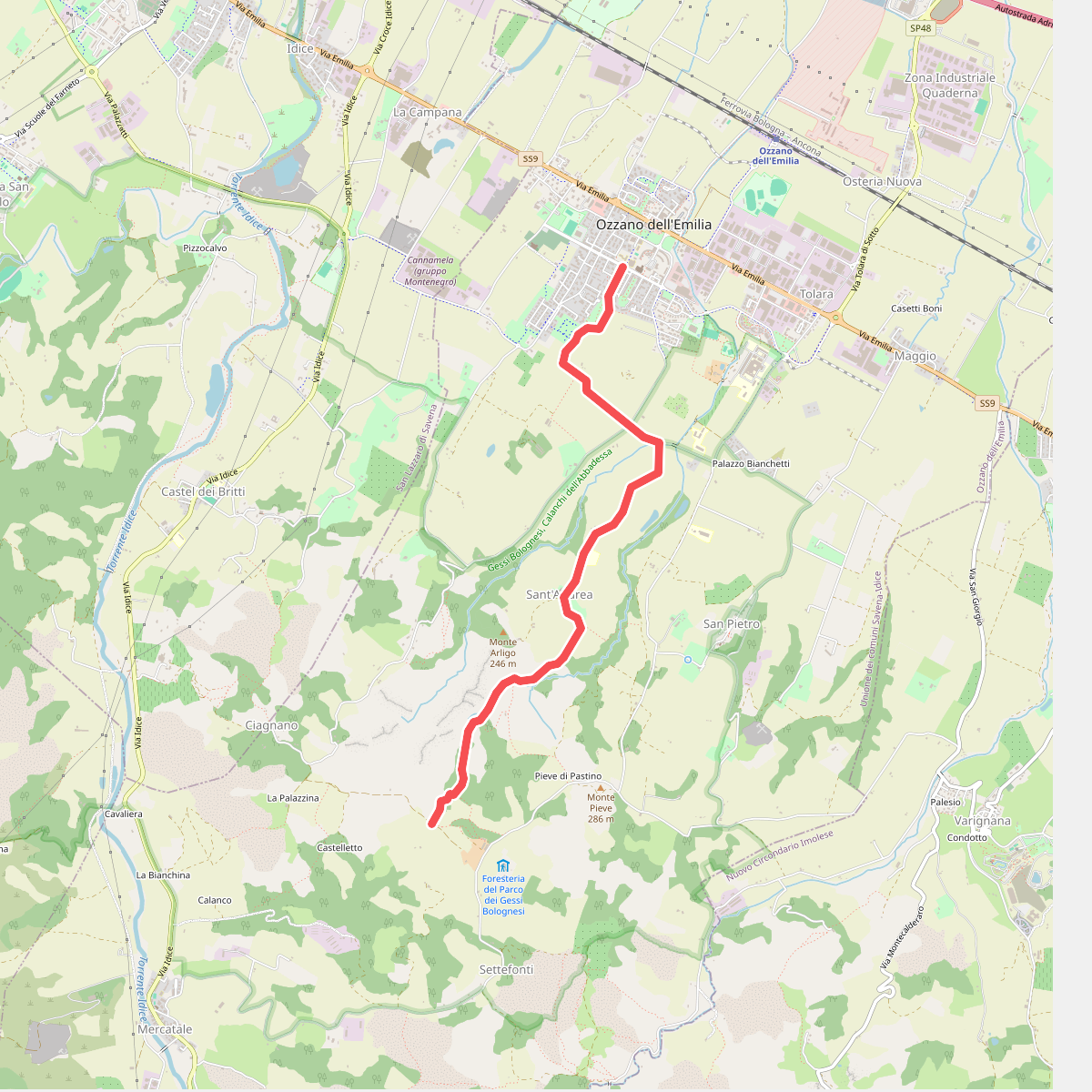
#3. Percorso CAI 801A
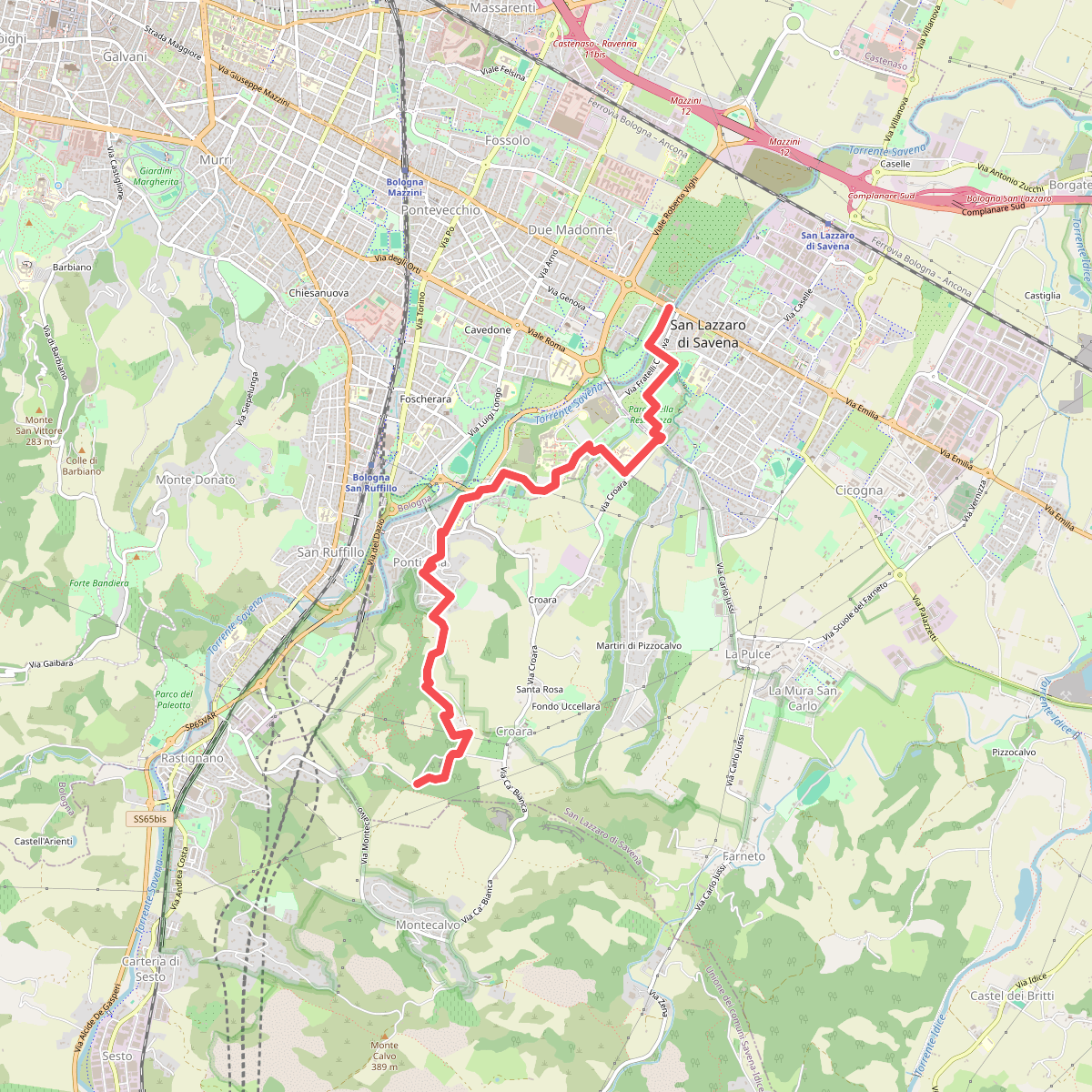
#4. Percorso CAI 802
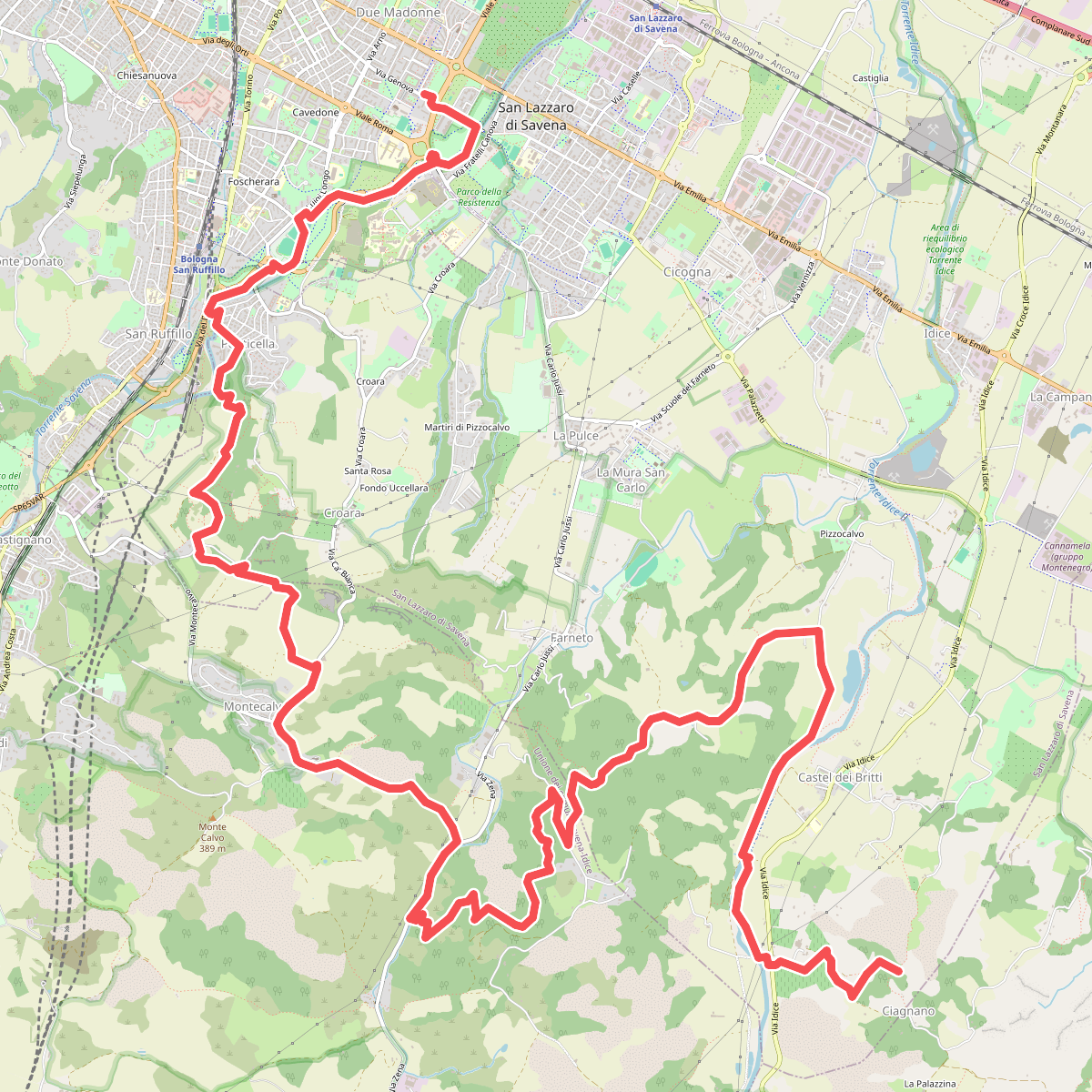
#5. Percorso CAI 817
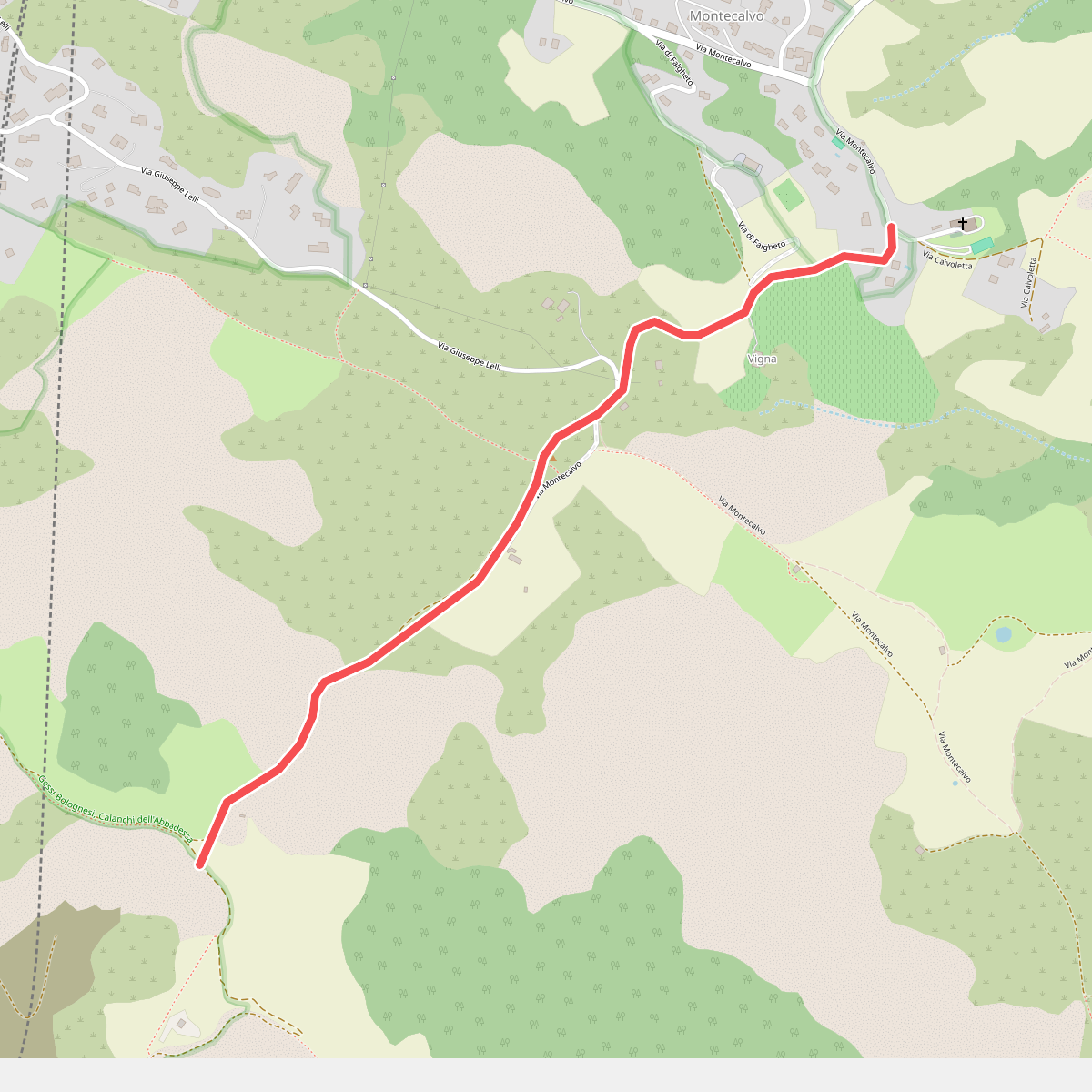
#6. Percorso CAI 817A
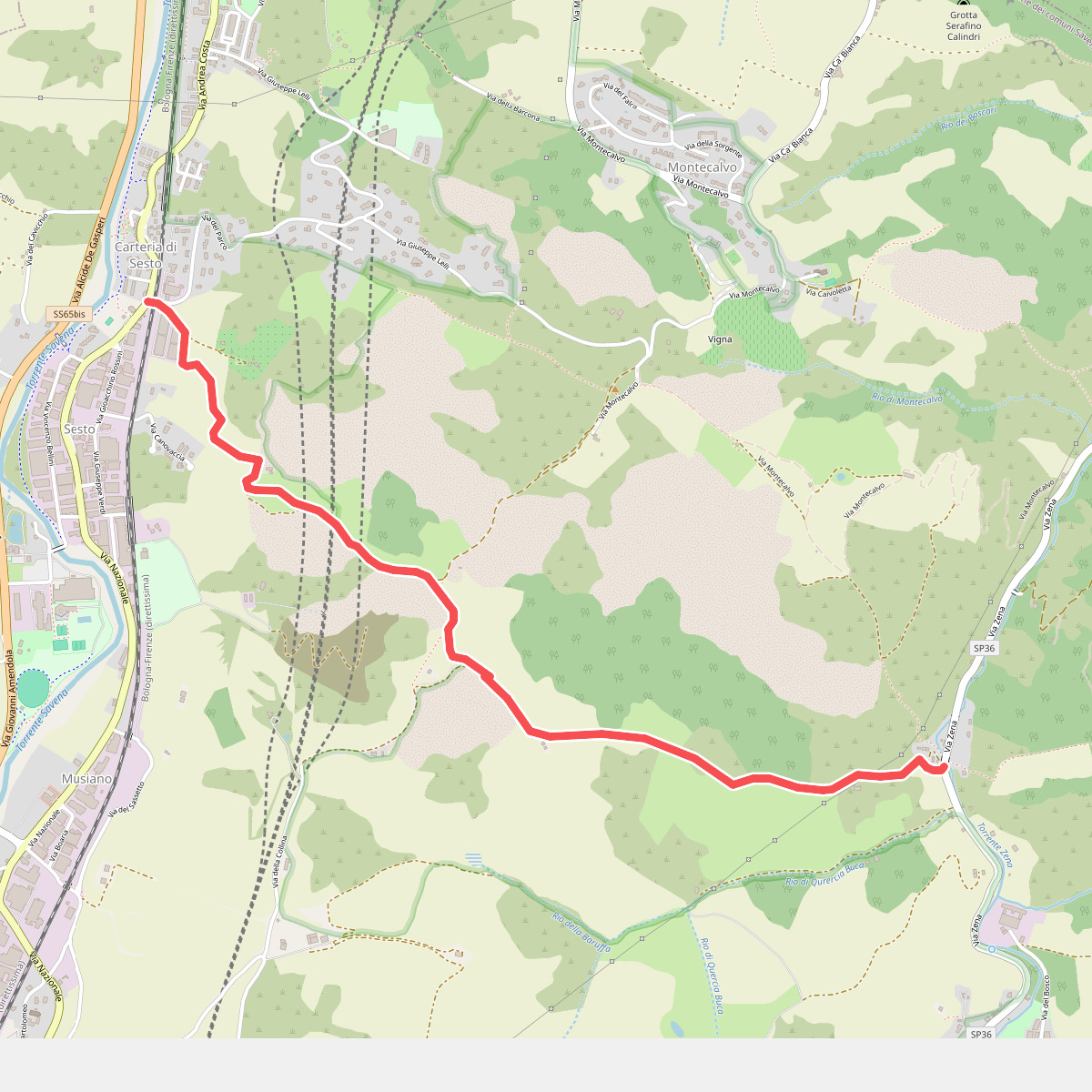
#7. Percorso CAI 819
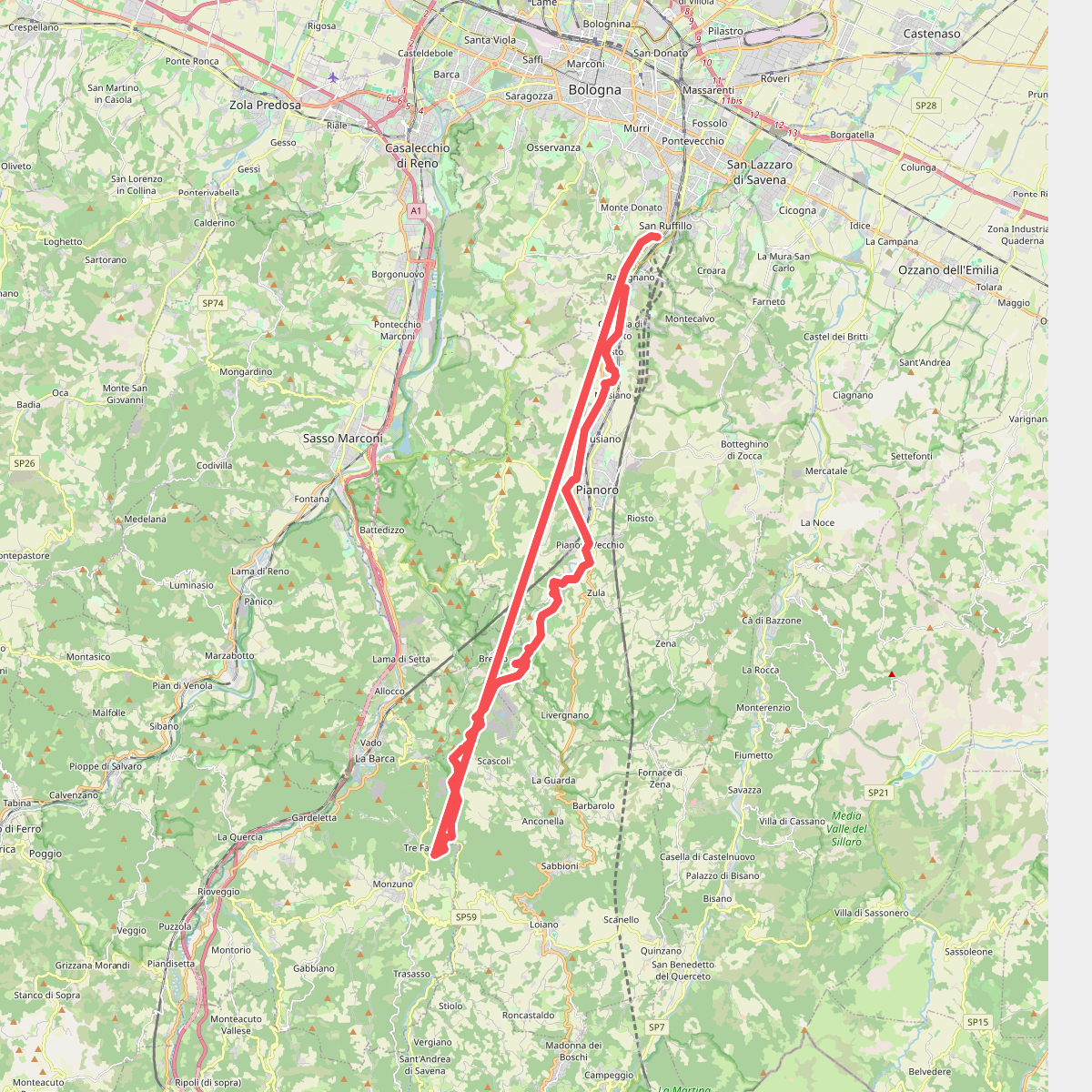
#8. Percorso CAI 913
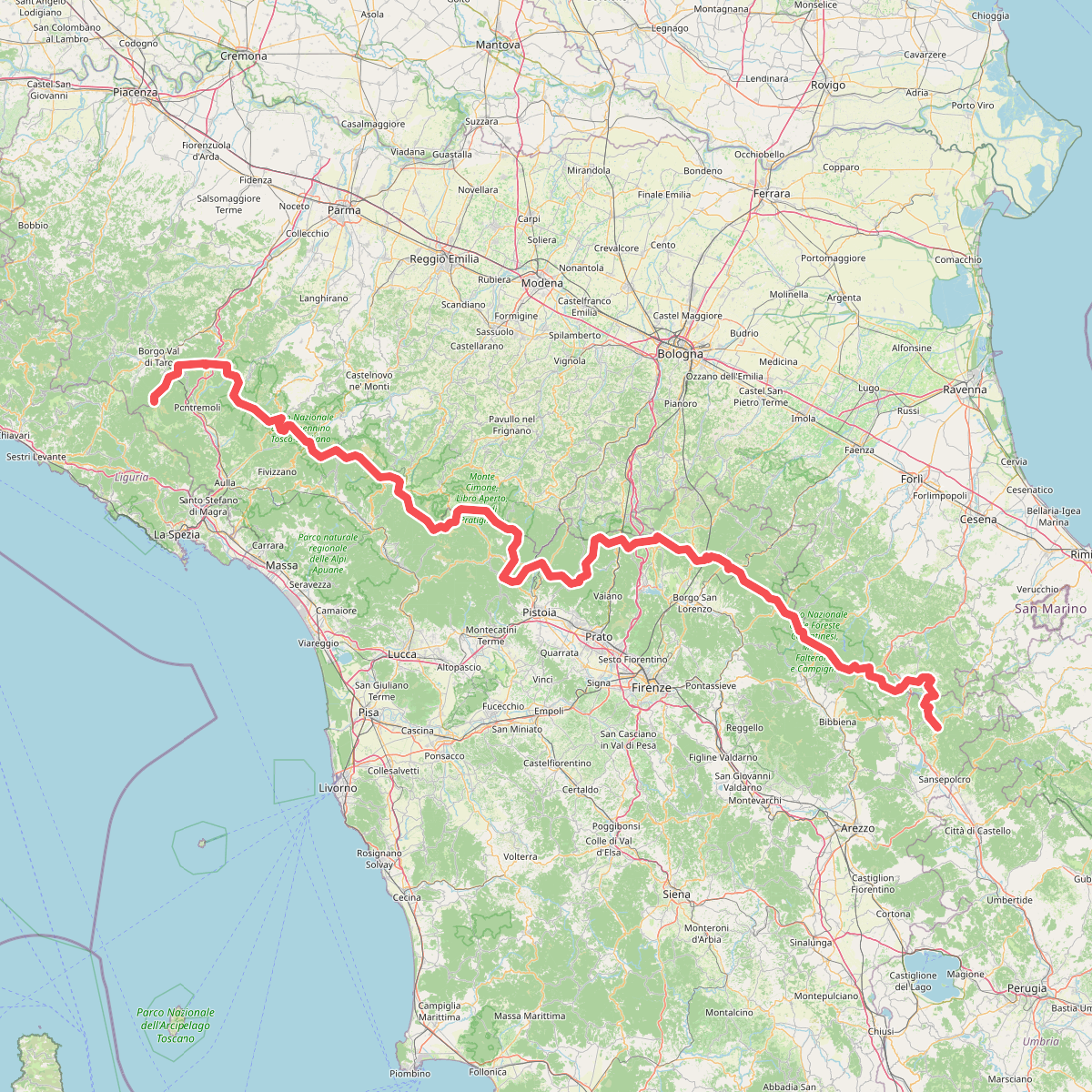
#9. Sentiero di spartiacque appenninico
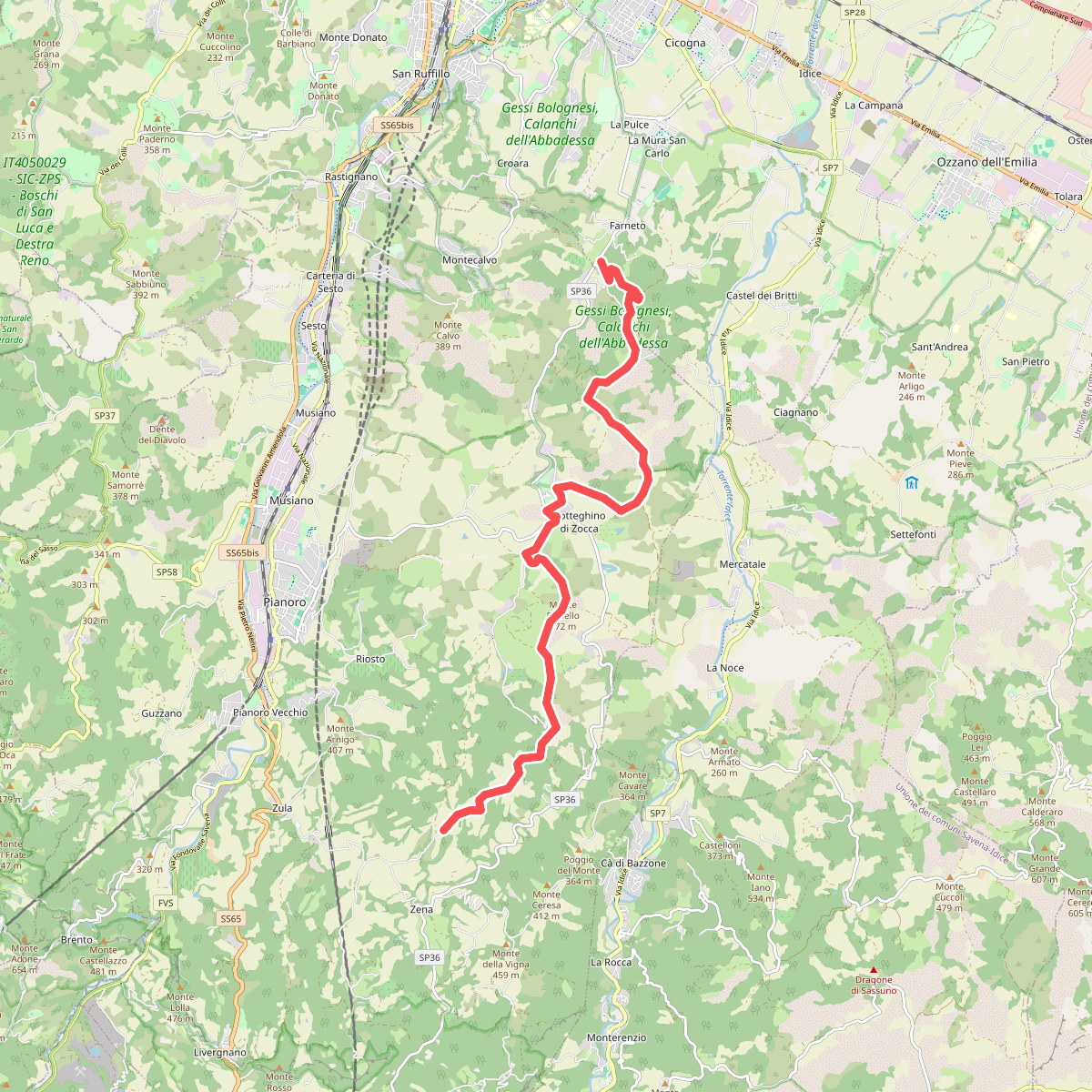
#10. Via del Fantin tappa 2
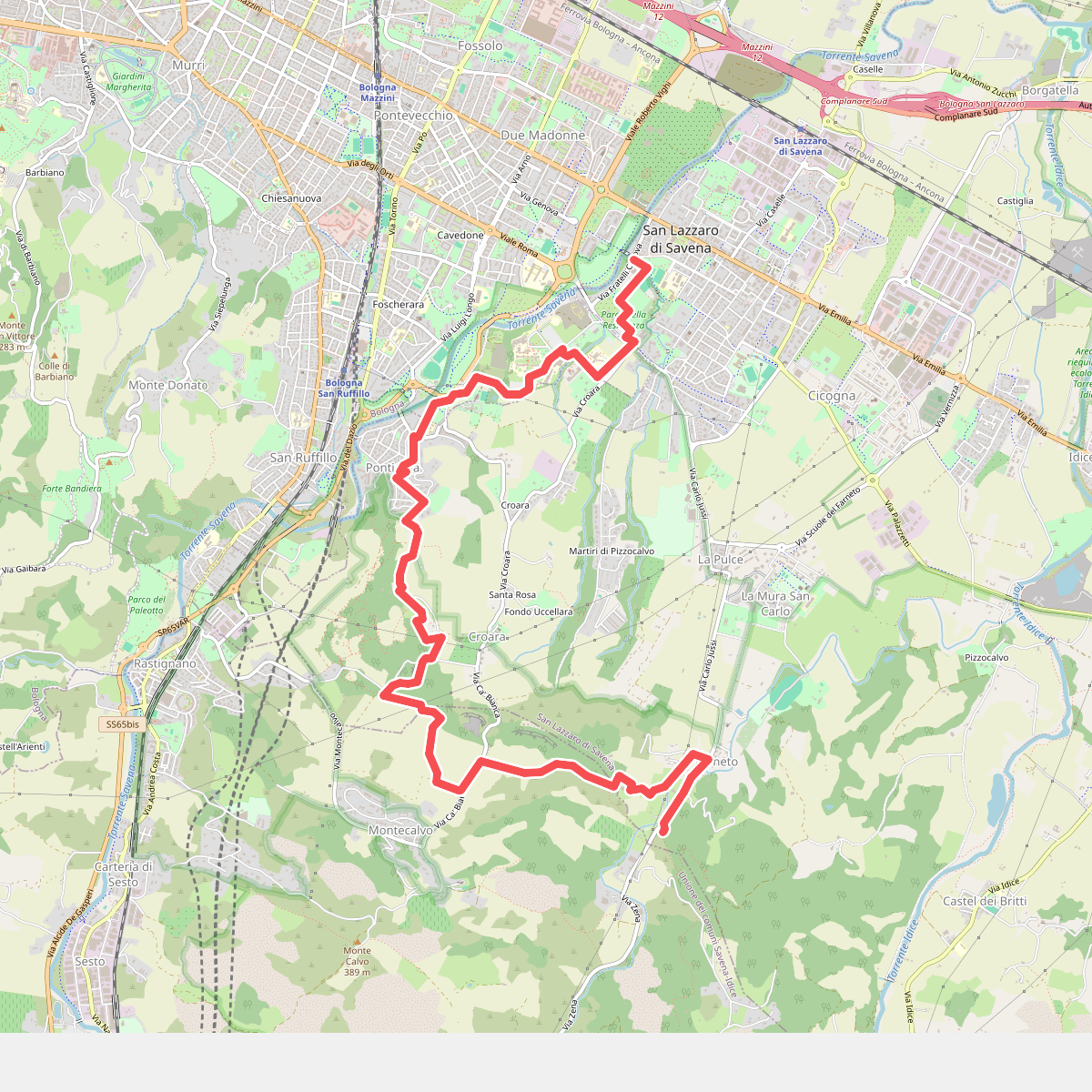
#11. Via del Fantini · VdF-1