The best hiking routes in Gessi Bolognesi, Calanchi dell'Abbadessa
Discover the best walks in Gessi Bolognesi, Calanchi dell'Abbadessa. 17 routes on the map, with descriptions, photos and GPX.
Managed by Ente di gestione per i Parchi e la Biodiversità - Emilia orientale;Provincia di Bologna
About Gessi Bolognesi, Calanchi dell'Abbadessa
The landscape of Gessi Bolognesi, Calanchi dell'Abbadessa is defined by a stark contrast between grey, eroded clay gullies and white gypsum outcrops. Walking here means navigating two distinct environments. On one side, the calanchi form dry, barren ridges where the clay has been carved by water into sharp, knife-like edges. On the other side, the gypsum karst features sinkholes, blind valleys, and cave openings where water disappears underground, surrounded by denser, more humid woodland.
Read more
About Gessi Bolognesi, Calanchi dell'Abbadessa
The landscape of Gessi Bolognesi, Calanchi dell'Abbadessa is defined by a stark contrast between grey, eroded clay gullies and white gypsum outcrops. Walking here means navigating two distinct environments. On one side, the calanchi form dry, barren ridges where the clay has been carved by water into sharp, knife-like edges. On the other side, the gypsum karst features sinkholes, blind valleys, and cave openings where water disappears underground, surrounded by denser, more humid woodland.
Read moreThe landscape of Gessi Bolognesi, Calanchi dell'Abbadessa is defined by a stark contrast between grey, eroded clay gullies and white gypsum outcrops. Walking here means navigating two distinct environments. On one side, the calanchi form dry, barren ridges where the clay has been carved by water into sharp, knife-like edges. On the other side, the gypsum karst features sinkholes, blind valleys, and cave openings where water disappears underground, surrounded by denser, more humid woodland.
Underfoot, the paths alternate between hard, dusty clay that turns slick after rainfall, and rocky, uneven limestone and gypsum tracks. You will notice how the vegetation adapts to these soils, with Mediterranean shrubs clinging to the warm, south-facing clay slopes, while hazel and chestnut trees thrive in the cooler, shaded gypsum depressions. This is a terrain of low, rugged hills rather than high peaks, offering a close-up look at active geological erosion.
Because of its proximity to Bologna, the main access points and panoramic ridges can be busy on weekends, though the deeper wooded paths remain quieter. The area is best visited in spring, particularly in April, when the wild orchids bloom on the grassy slopes before the summer heat dries out the clay hillsides.
Hiking routes in Gessi Bolognesi, Calanchi dell'Abbadessa (17)
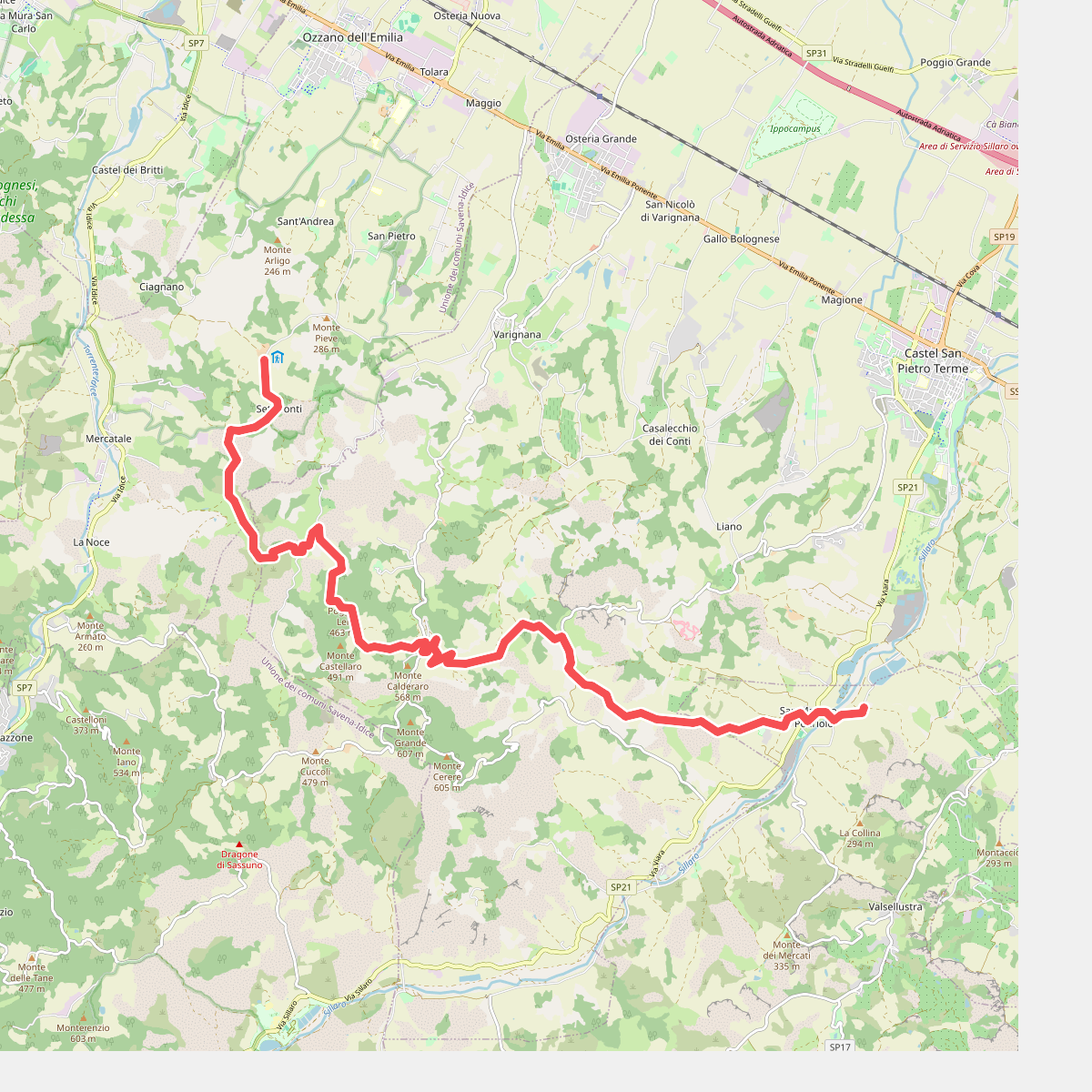
#1. Il Cammino di Sant'Antonio: Tappa 10
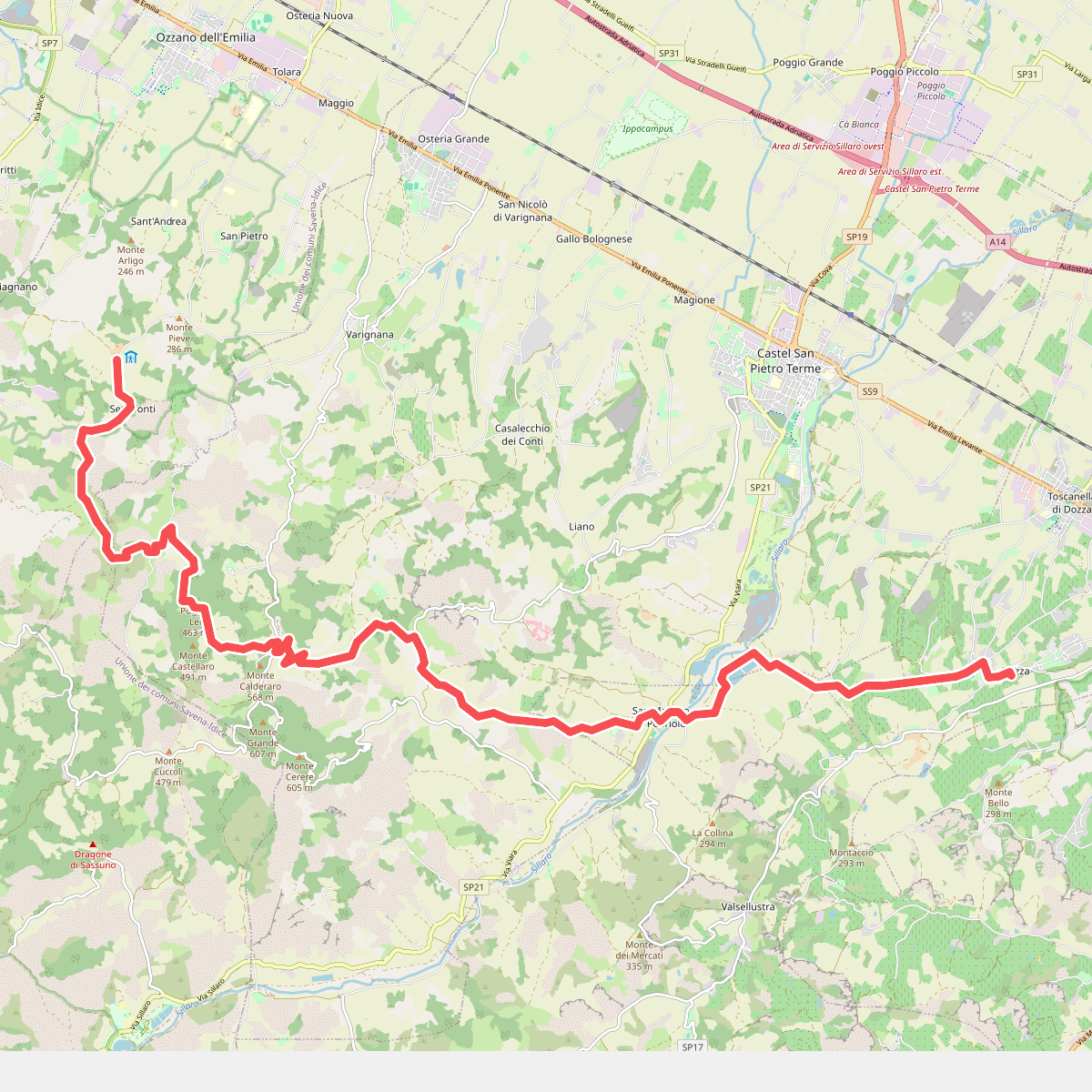
#2. Il Cammino di Sant'Antonio: Tappa 10D
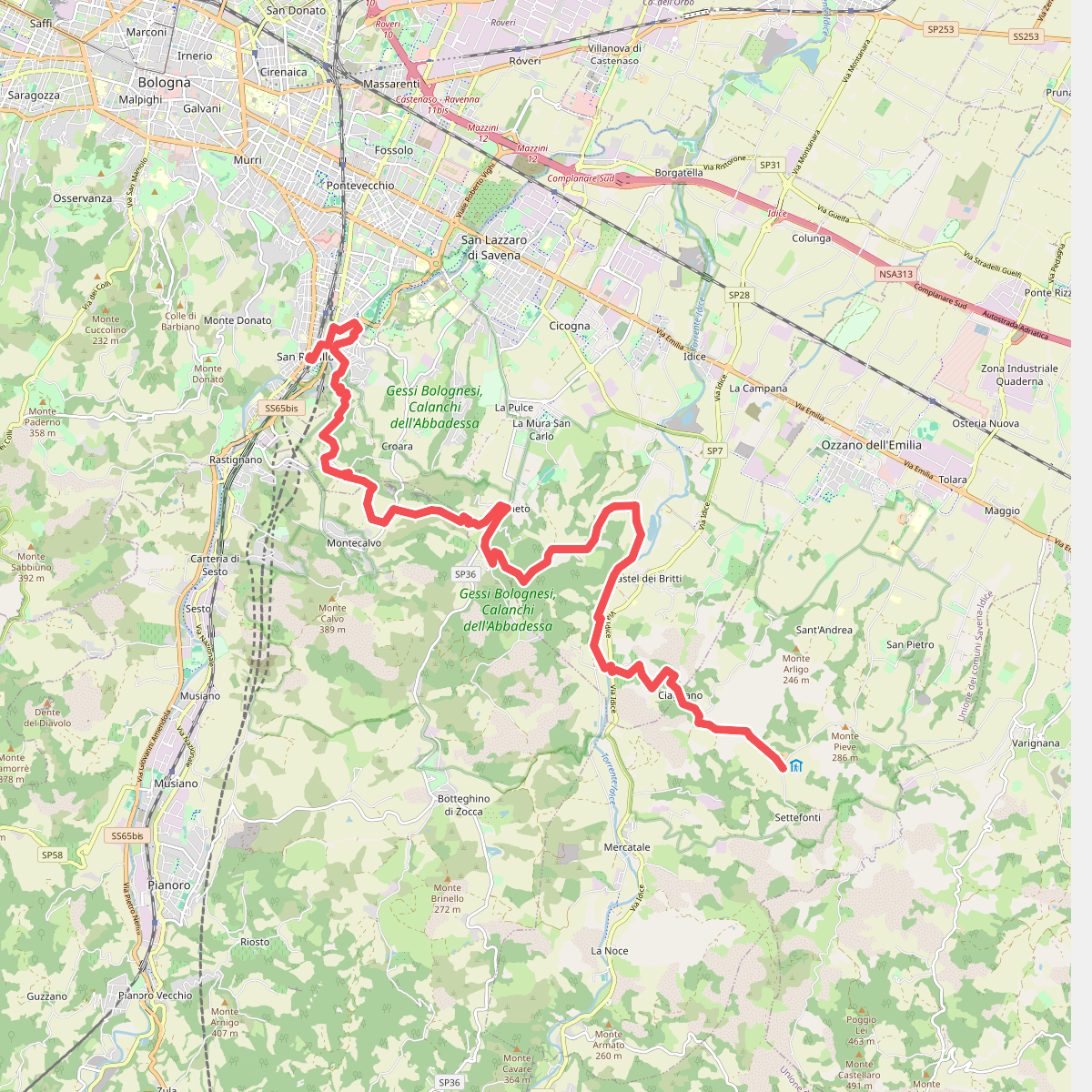
#3. Il Cammino di Sant'Antonio: Tappa 9
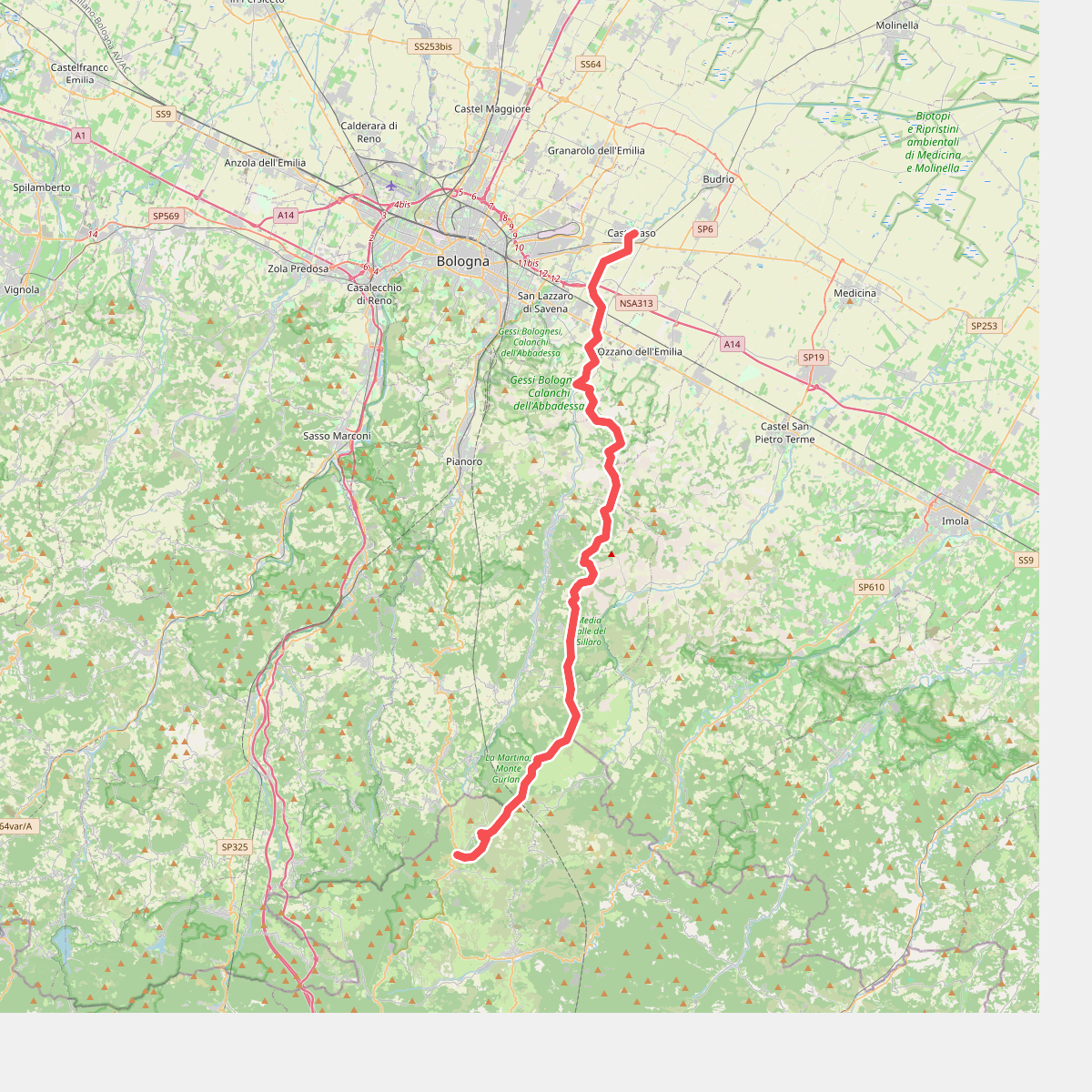
#4. Percorso CAI 801
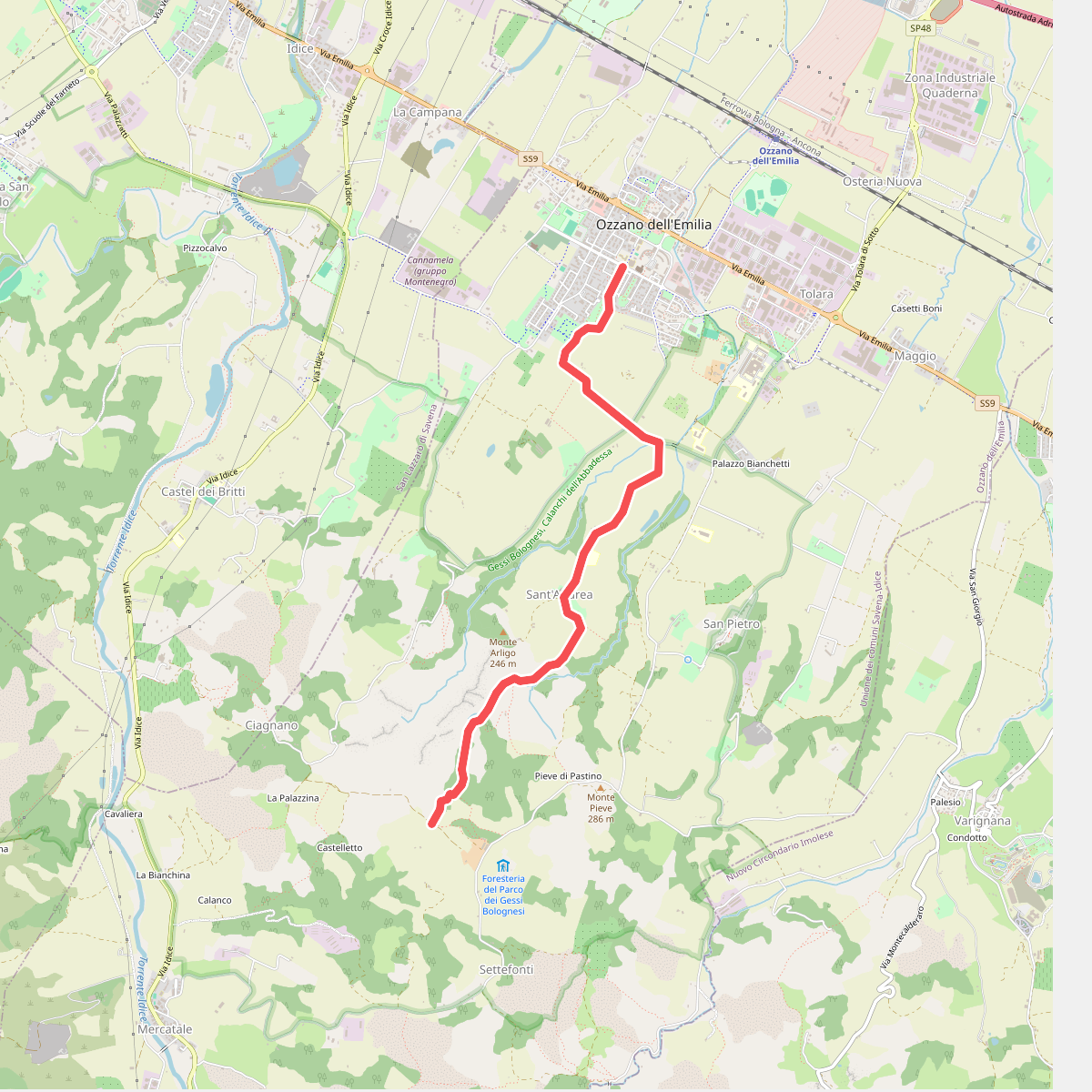
#5. Percorso CAI 801A
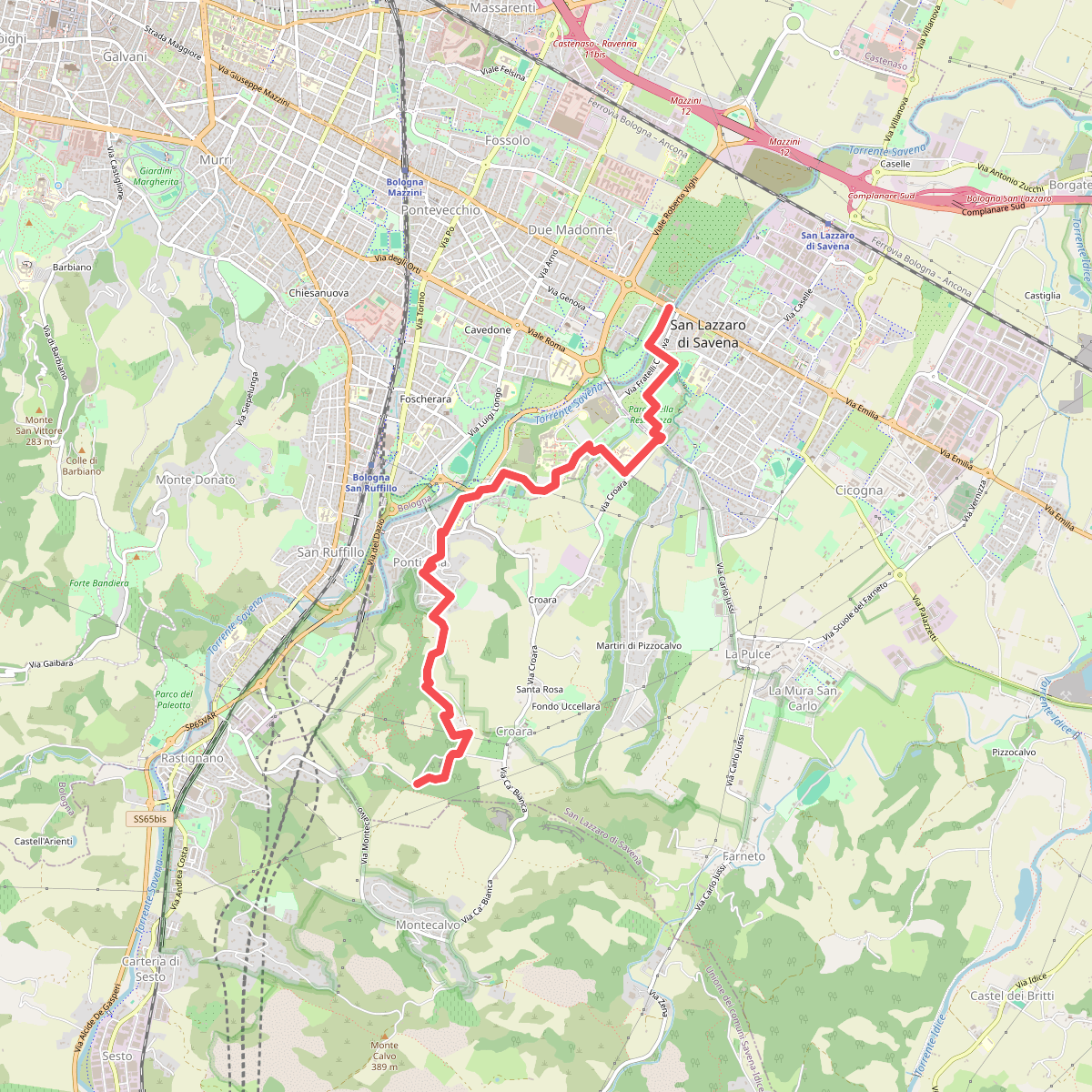
#6. Percorso CAI 802
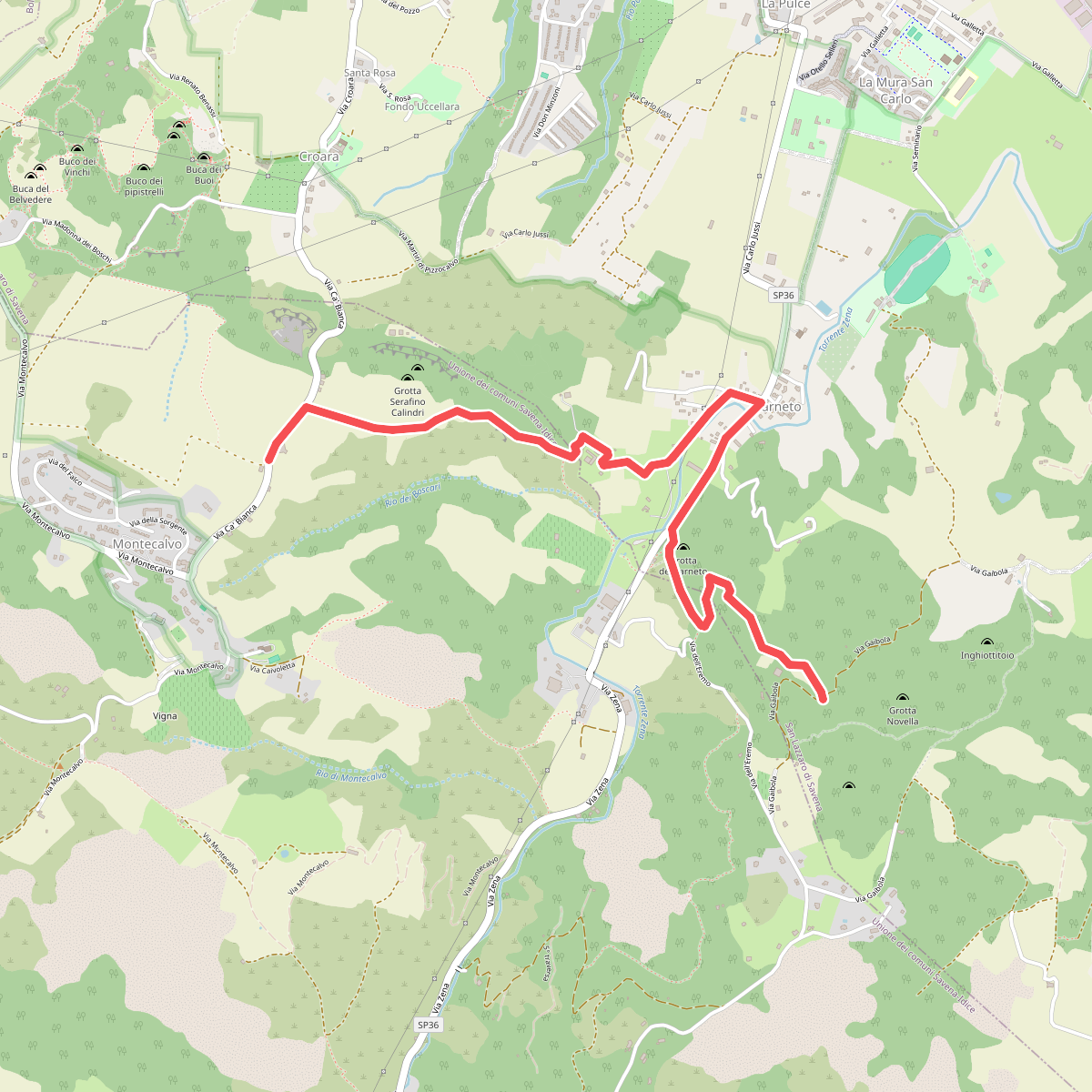
#7. Percorso CAI 804
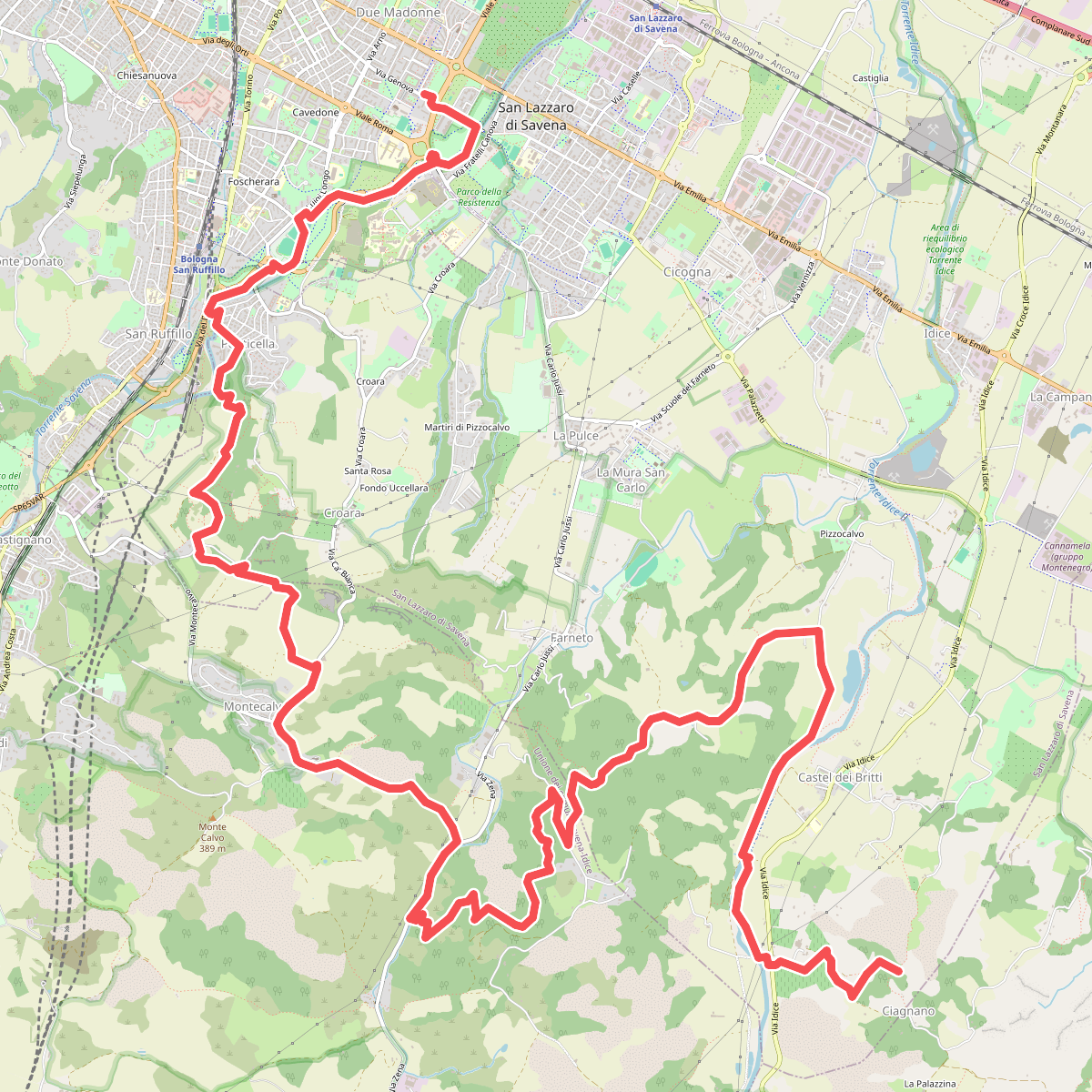
#8. Percorso CAI 817
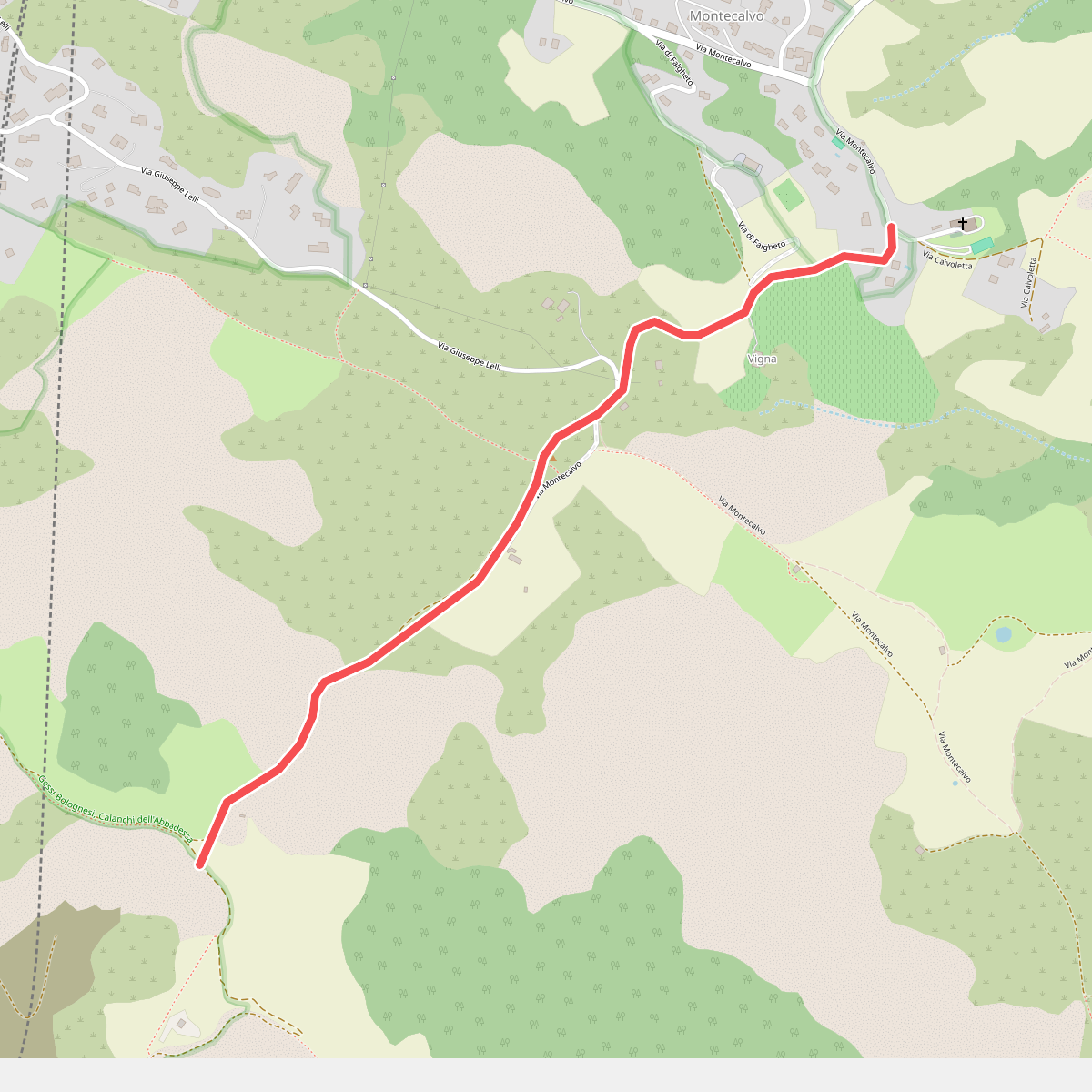
#9. Percorso CAI 817A
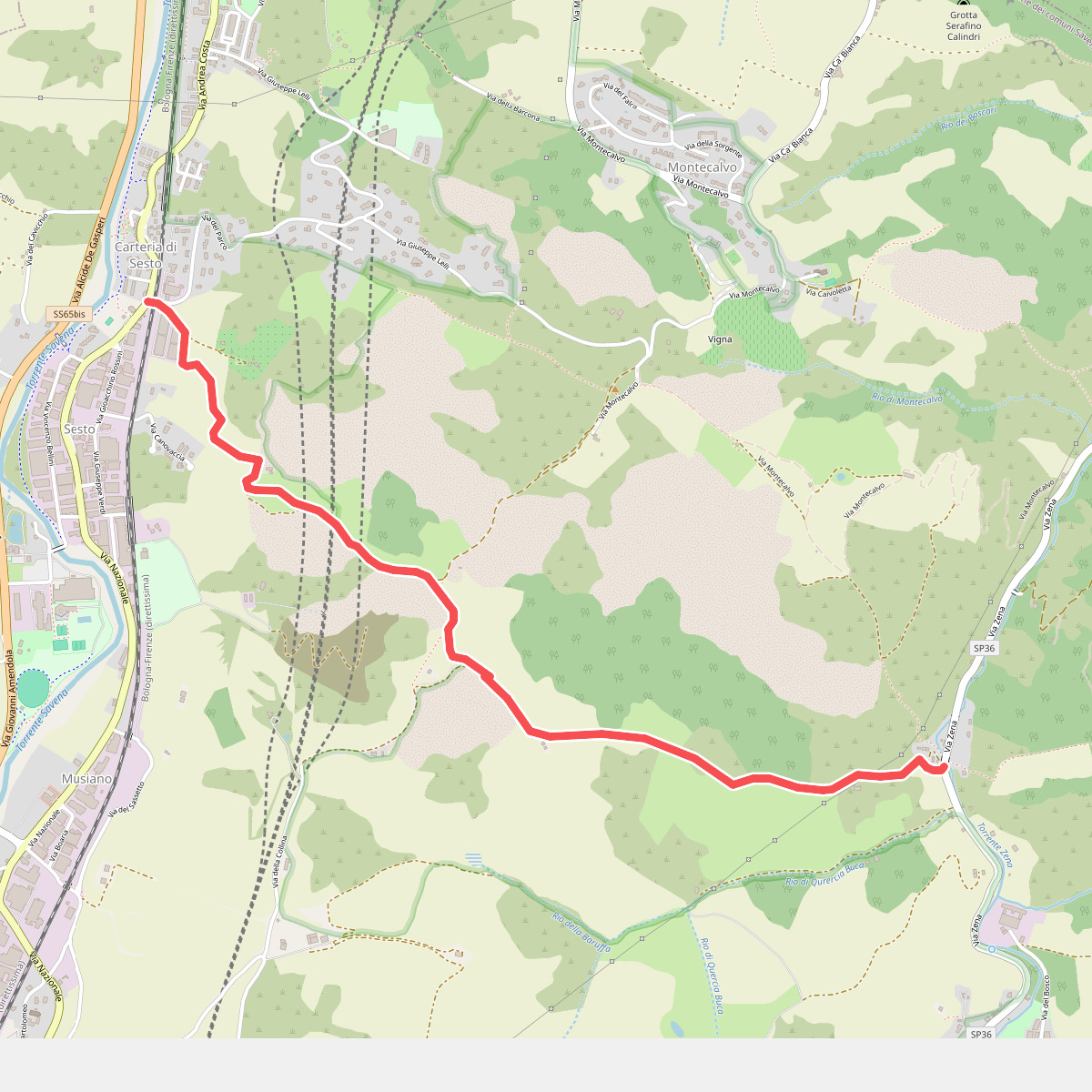
#10. Percorso CAI 819
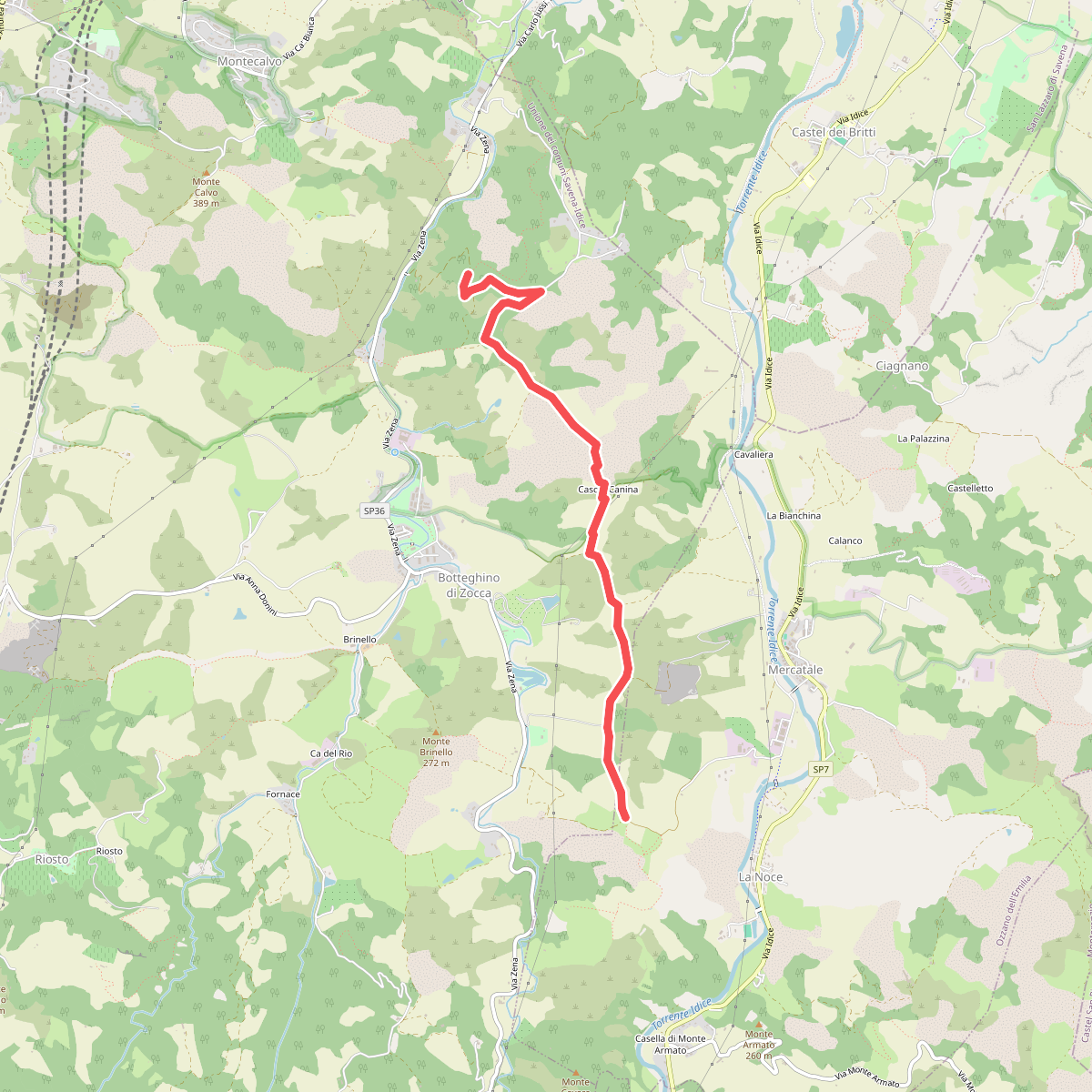
#11. Percorso CAI 831