
The best hiking routes in Emstal von Lathen bis Papenburg
Discover the best walks in Emstal von Lathen bis Papenburg. 6 routes on the map, with descriptions, photos and GPX.
About Emstal von Lathen bis Papenburg
The Emstal von Lathen bis Papenburg covers a low-lying river corridor shaped by the natural flow of the Ems. This landscape is characterized by wide alluvial meadows, old river branches, and wet grasslands rather than dry forests or sandy dunes. Walking here means navigating a flat valley floor where drainage ditches and dikes dictate the paths, offering a clear view of how agricultural reclamation has shaped the riverbanks.
Read more
About Emstal von Lathen bis Papenburg
The Emstal von Lathen bis Papenburg covers a low-lying river corridor shaped by the natural flow of the Ems. This landscape is characterized by wide alluvial meadows, old river branches, and wet grasslands rather than dry forests or sandy dunes. Walking here means navigating a flat valley floor where drainage ditches and dikes dictate the paths, offering a clear view of how agricultural reclamation has shaped the riverbanks.
Read moreThe Emstal von Lathen bis Papenburg covers a low-lying river corridor shaped by the natural flow of the Ems. This landscape is characterized by wide alluvial meadows, old river branches, and wet grasslands rather than dry forests or sandy dunes. Walking here means navigating a flat valley floor where drainage ditches and dikes dictate the paths, offering a clear view of how agricultural reclamation has shaped the riverbanks.
Underfoot, the terrain consists mostly of grassy dikes, unpaved farm tracks, and occasional paved service roads. Unlike drier heathlands, the soil here is predominantly heavy clay and moist peat, which can feel soft underfoot. The route lacks boardwalks or steep climbs, remaining consistently level as it follows the path of the water.
In late spring, particularly around May, the damp meadows are marked by flowering marsh plants and active birdlife in the ditches. This area is less about deep woodland shelter and more about open, working agricultural landscapes, making it a straightforward choice for those who prefer flat, waterside walking over varied forest terrain.
Hiking routes in Emstal von Lathen bis Papenburg (6)
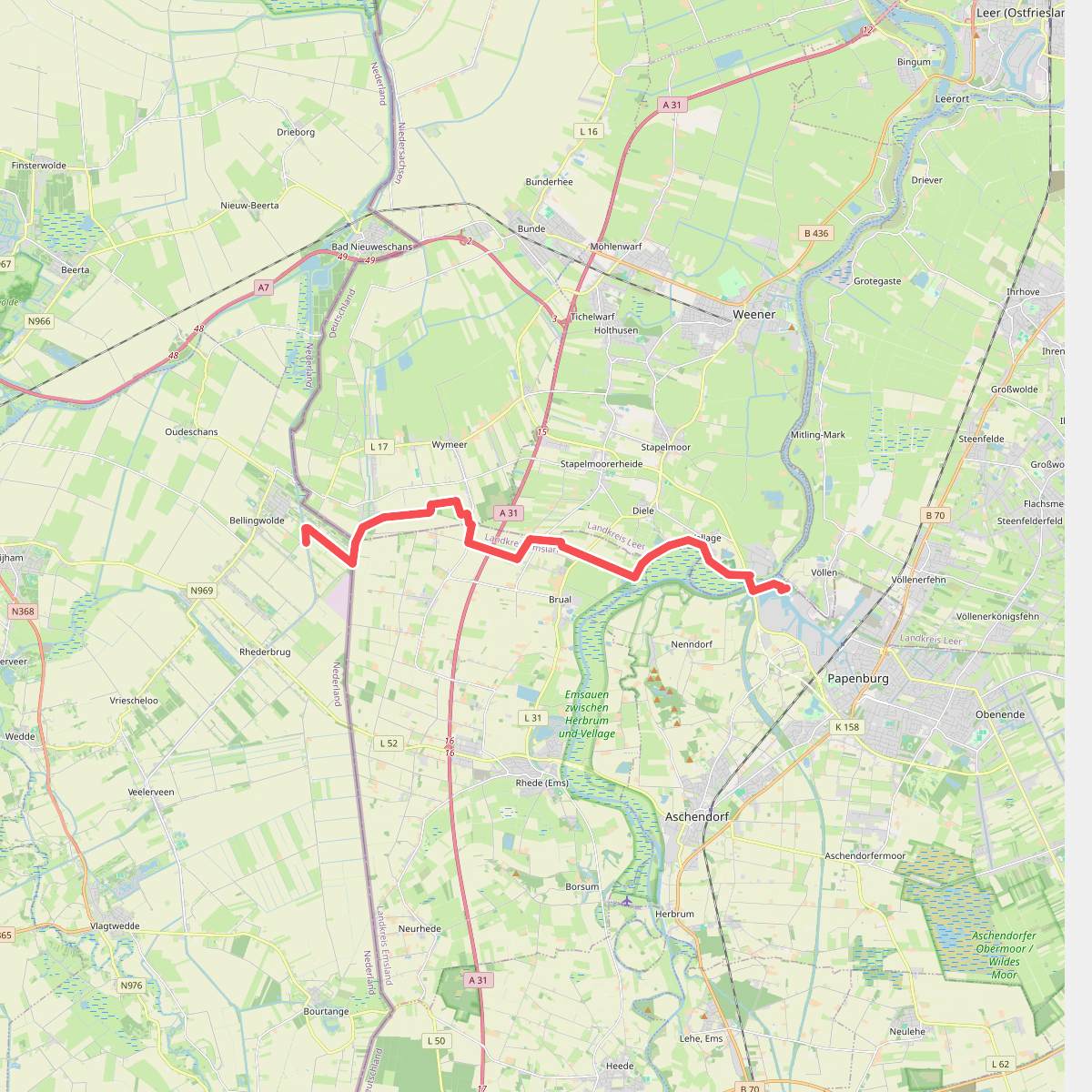
#1. Bellingwolde - Papenburg (D) · Groot Frieslandpad etappe 22
Bellingwolde
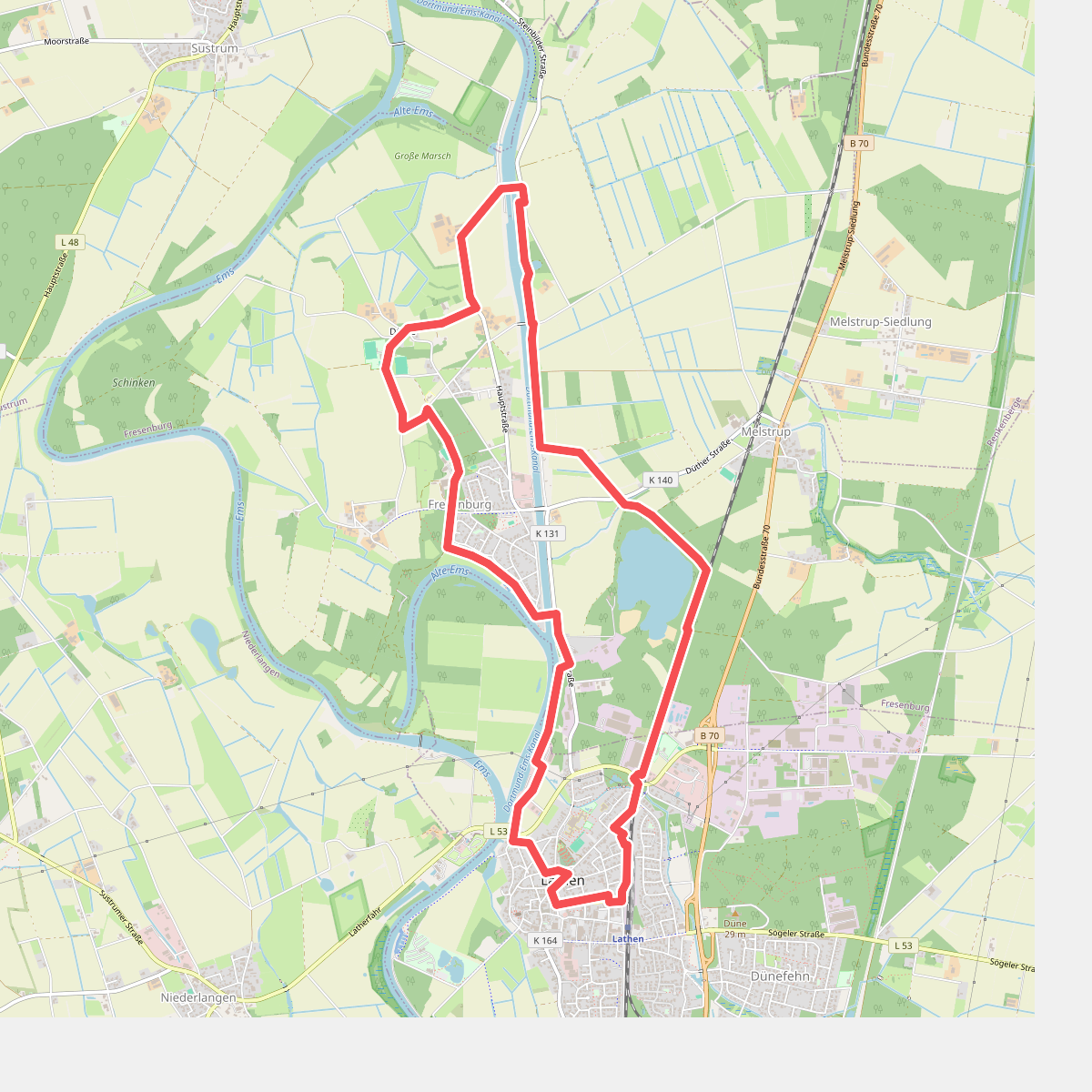
#2. Wanderweg Lathen Fresenburg Düthe
Fresenburg,Lathen
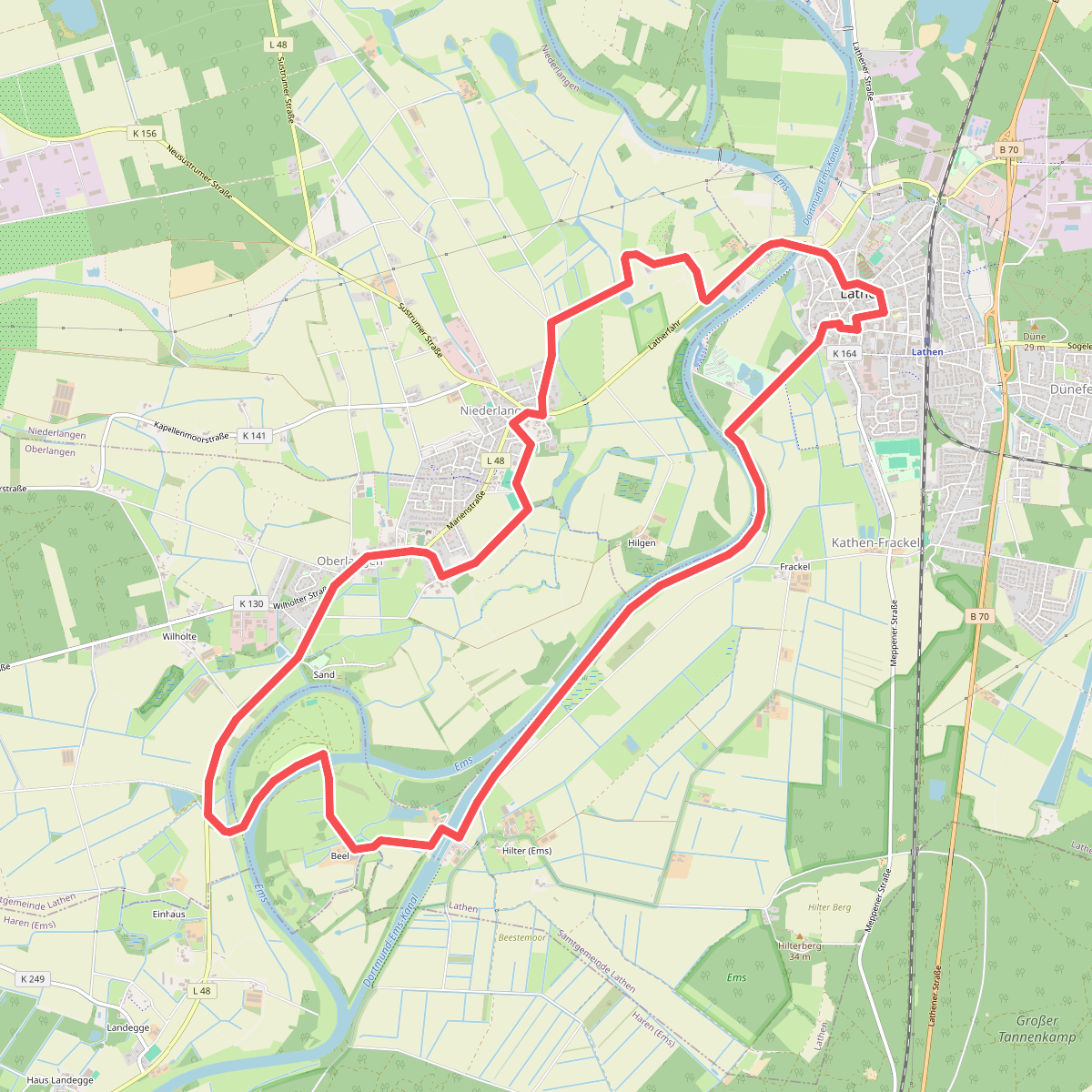
#3. Wanderweg Lathen Oberlangen Niederlangen
Niederlangen,Lathen,Oberlangen
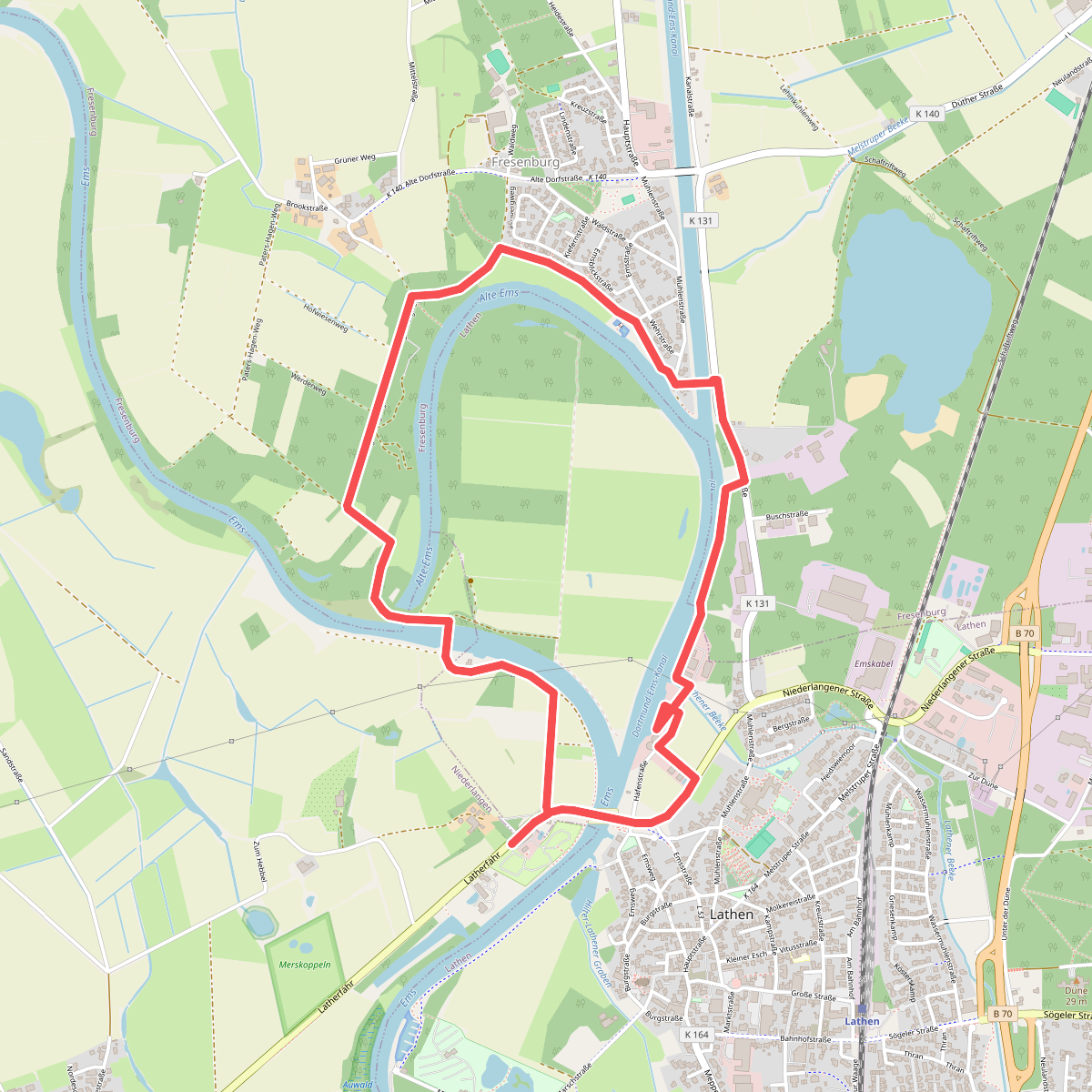
#4. Wanderweg Lathener Wehr - Fresenburg
Niederlangen,Lathen,Fresenburg
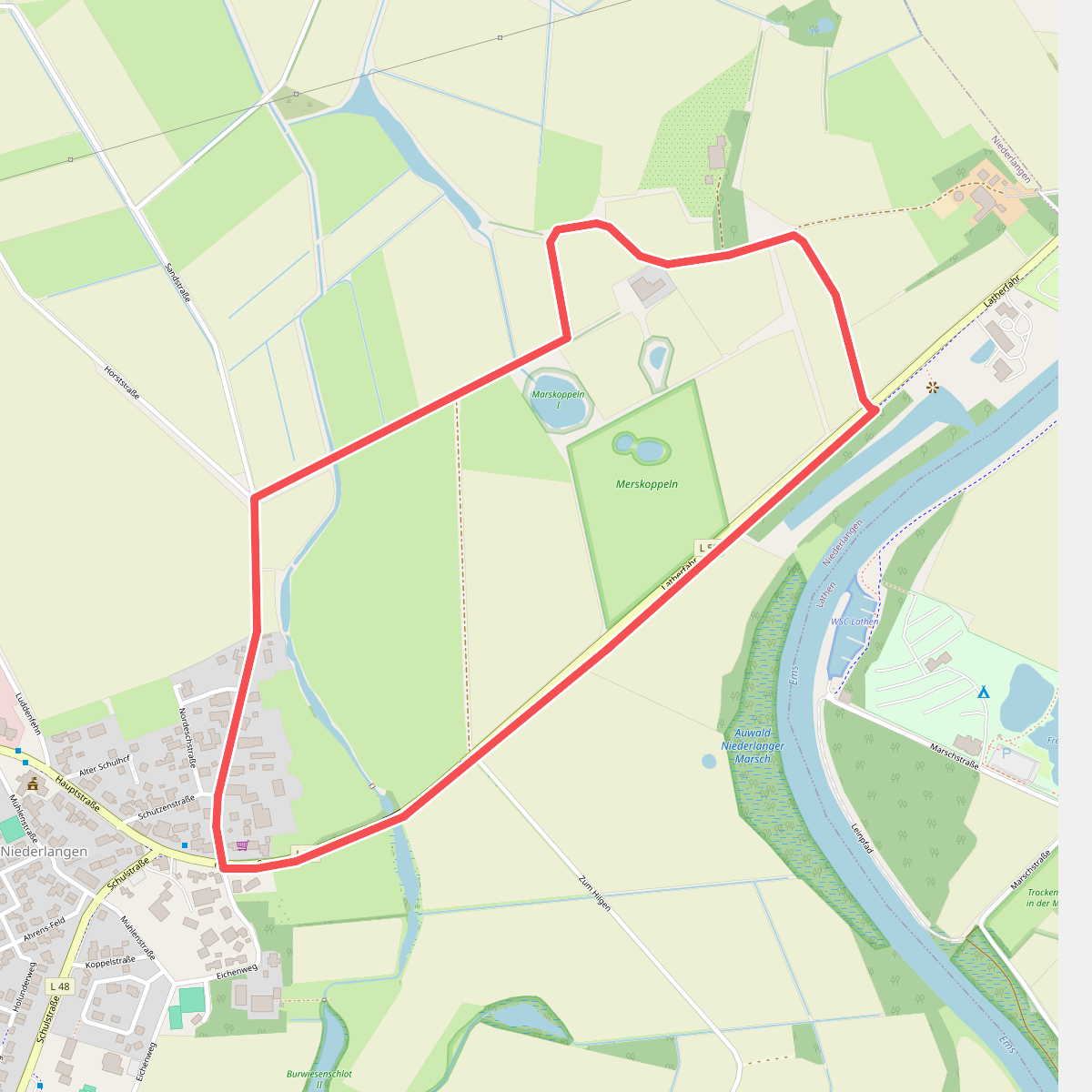
#5. Wanderweg Niederlangen - Zum Hebbel
Niederlangen
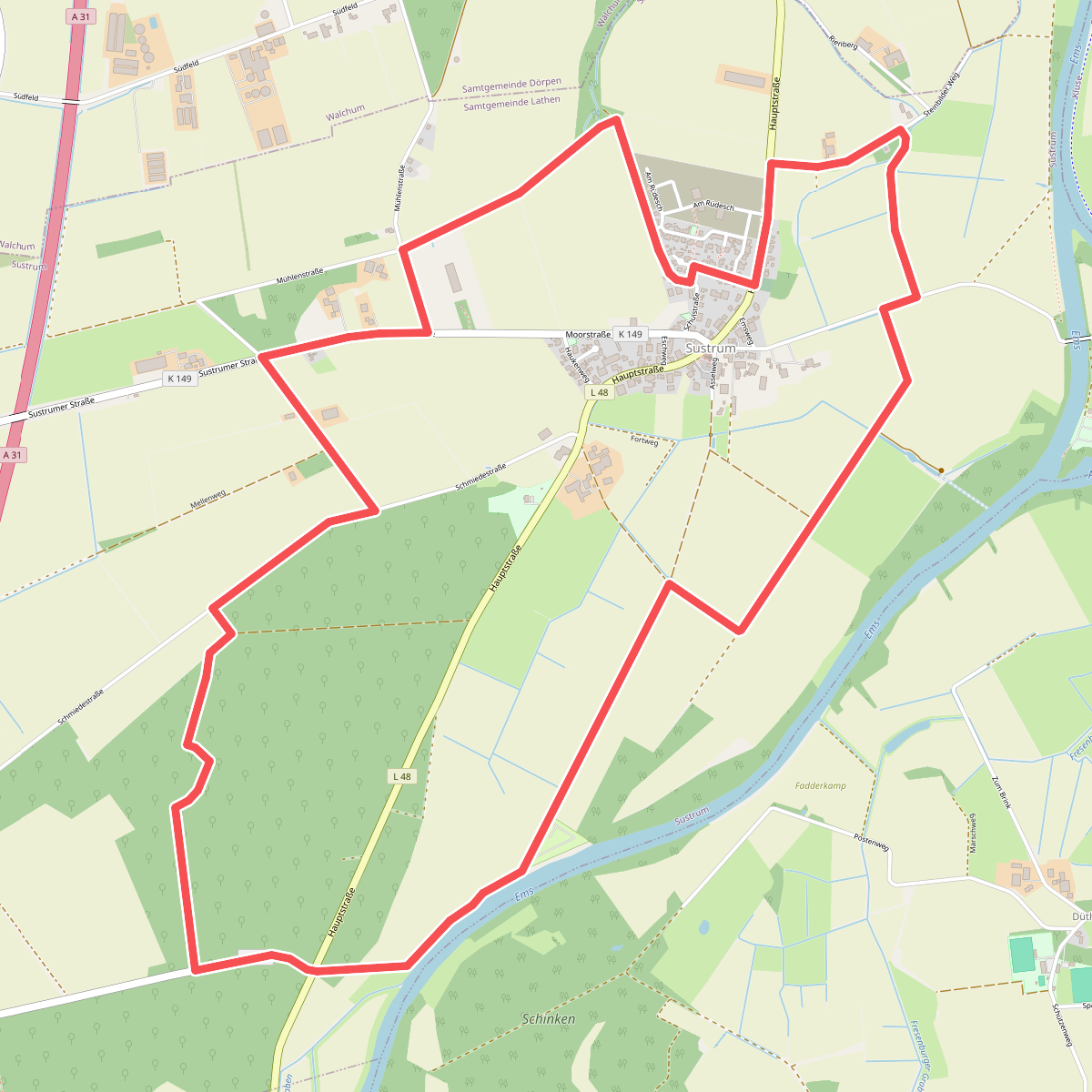
#6. Wanderweg Sustrum Ort
Sustrum