
The best hiking routes in Elbaue-Wahlenberge
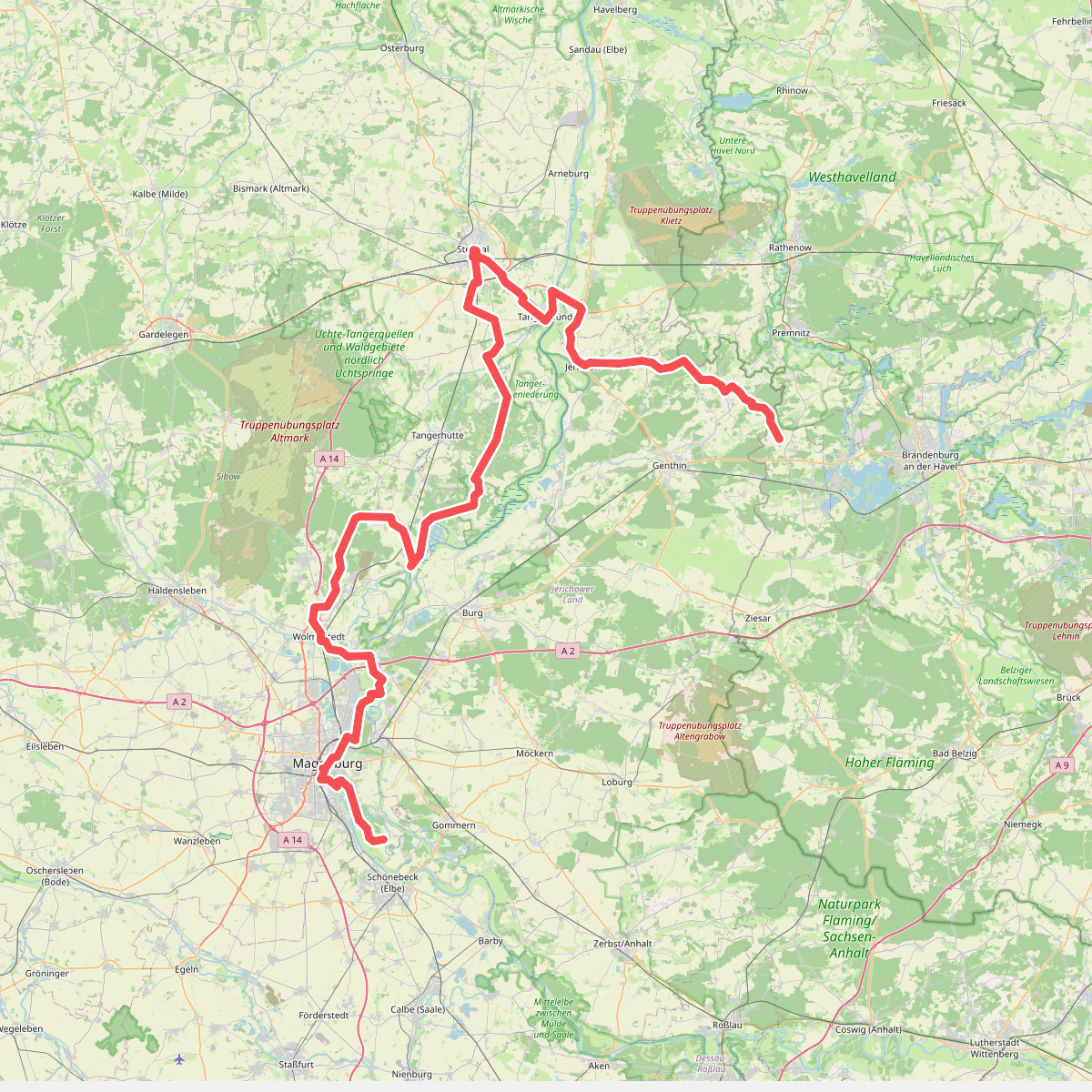
Discover the best walks in Elbaue-Wahlenberge. 1 routes on the map, with descriptions, photos and GPX.
About Elbaue-Wahlenberge
Elbaue-Wahlenberge offers a distinct contrast between the flat, open floodplain of the Elbe river and the steep, dry inland dunes of the Wahlenberge that rise abruptly from the valley floor. Walking here means transitioning quickly between two entirely different environments. The lower sections consist of damp alluvial meadows and clay soils, where old river arms and drainage ditches shape the terrain. In contrast, the elevated dunes feature loose, sandy tracks and dry pine forests where the ground is highly permeable and nutrient-poor.
Read more
About Elbaue-Wahlenberge
Elbaue-Wahlenberge offers a distinct contrast between the flat, open floodplain of the Elbe river and the steep, dry inland dunes of the Wahlenberge that rise abruptly from the valley floor. Walking here means transitioning quickly between two entirely different environments. The lower sections consist of damp alluvial meadows and clay soils, where old river arms and drainage ditches shape the terrain. In contrast, the elevated dunes feature loose, sandy tracks and dry pine forests where the ground is highly permeable and nutrient-poor.
Read moreElbaue-Wahlenberge offers a distinct contrast between the flat, open floodplain of the Elbe river and the steep, dry inland dunes of the Wahlenberge that rise abruptly from the valley floor. Walking here means transitioning quickly between two entirely different environments. The lower sections consist of damp alluvial meadows and clay soils, where old river arms and drainage ditches shape the terrain. In contrast, the elevated dunes feature loose, sandy tracks and dry pine forests where the ground is highly permeable and nutrient-poor.
The landscape is a direct result of wind deposition from the last ice age, which piled up the sand dunes right next to the river's natural flood basin. On the path, you will notice this geological boundary as the vegetation shifts from moisture-loving oaks and river grasses to sparse lichens, heather, and Scots pine within a few meters of climbing. The underfoot conditions change just as rapidly, moving from firm clay and grassy dyke paths to deep, soft sand that requires more physical effort.
This area is not a place for deep forest solitude or rocky climbs, as the surrounding agricultural plains and the river itself are often visible. While the higher sandy ridges remain dry and passable throughout the year, the lower meadows near the Elbe can become waterlogged during high water periods, particularly in the spring months. The well-known viewpoint on the Wahlenberge dune can be busier on weekends, but the connecting paths through the pine woods and along the secondary river channels generally offer a quieter walking experience.