
The best hiking routes in Dübener Heide
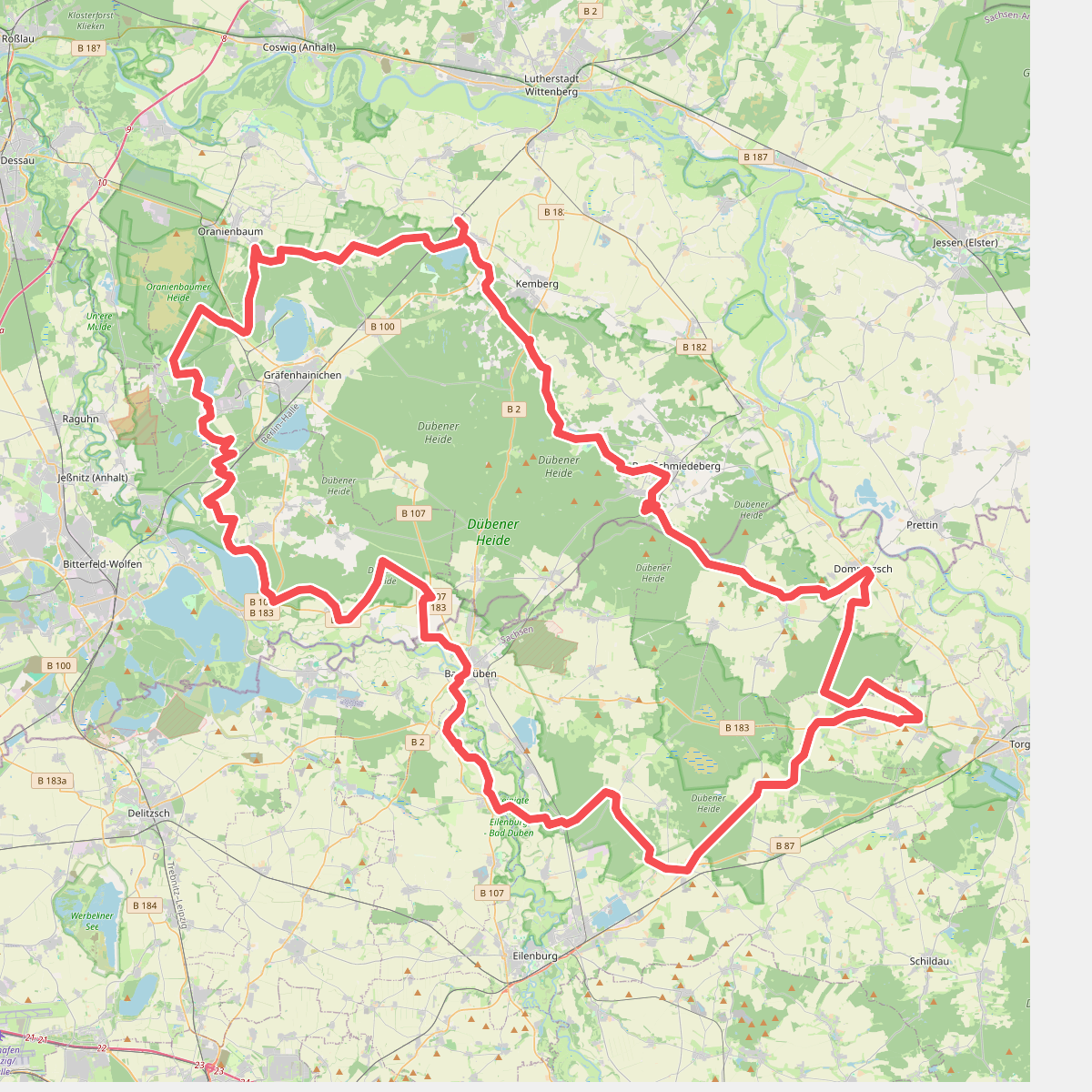
Discover the best walks in Dübener Heide. 33 routes on the map, with descriptions, photos and GPX.
About Dübener Heide
Dübener Heide offers a low-lying, gently rolling forest landscape shaped by glacial deposits and centuries of forestry. Unlike the rocky gorges of nearby Saxon Switzerland, this area consists of vast, quiet pine and beech woods interspersed with open heathland and boggy depressions. Walkers will notice a distinct transition between the dry, sandy tracks that run through the pine plantations and the softer, damp ground of the alder carrs and peat bogs in the lower basins.
Read more
About Dübener Heide
Dübener Heide offers a low-lying, gently rolling forest landscape shaped by glacial deposits and centuries of forestry. Unlike the rocky gorges of nearby Saxon Switzerland, this area consists of vast, quiet pine and beech woods interspersed with open heathland and boggy depressions. Walkers will notice a distinct transition between the dry, sandy tracks that run through the pine plantations and the softer, damp ground of the alder carrs and peat bogs in the lower basins.
Read moreDübener Heide offers a low-lying, gently rolling forest landscape shaped by glacial deposits and centuries of forestry. Unlike the rocky gorges of nearby Saxon Switzerland, this area consists of vast, quiet pine and beech woods interspersed with open heathland and boggy depressions. Walkers will notice a distinct transition between the dry, sandy tracks that run through the pine plantations and the softer, damp ground of the alder carrs and peat bogs in the lower basins.
Underfoot, the paths are predominantly unpaved forestry tracks, sandy trails that can feel loose, and occasional grassy paths. In the wetter, low-lying sections, particularly around the central peat cuts and small forest ponds, wooden boardwalks help you cross the marshy ground. The landscape is not dramatic; there are no steep climbs or panoramic viewpoints, but rather a subtle mix of dense woodland cover and sudden, quiet clearings where coal-mining history has left behind small lakes.
In late August and September, the purple heather blooms in the open clearings, creating a sharp contrast with the dark green pine needles. The area is generally peaceful, though the paths around the therapeutic spa town of Bad Düben and the larger forest lakes tend to see more local foot traffic than the deeper, isolated woodland tracks near the Saxon-Anhalt border.
Hiking routes in Dübener Heide (33)
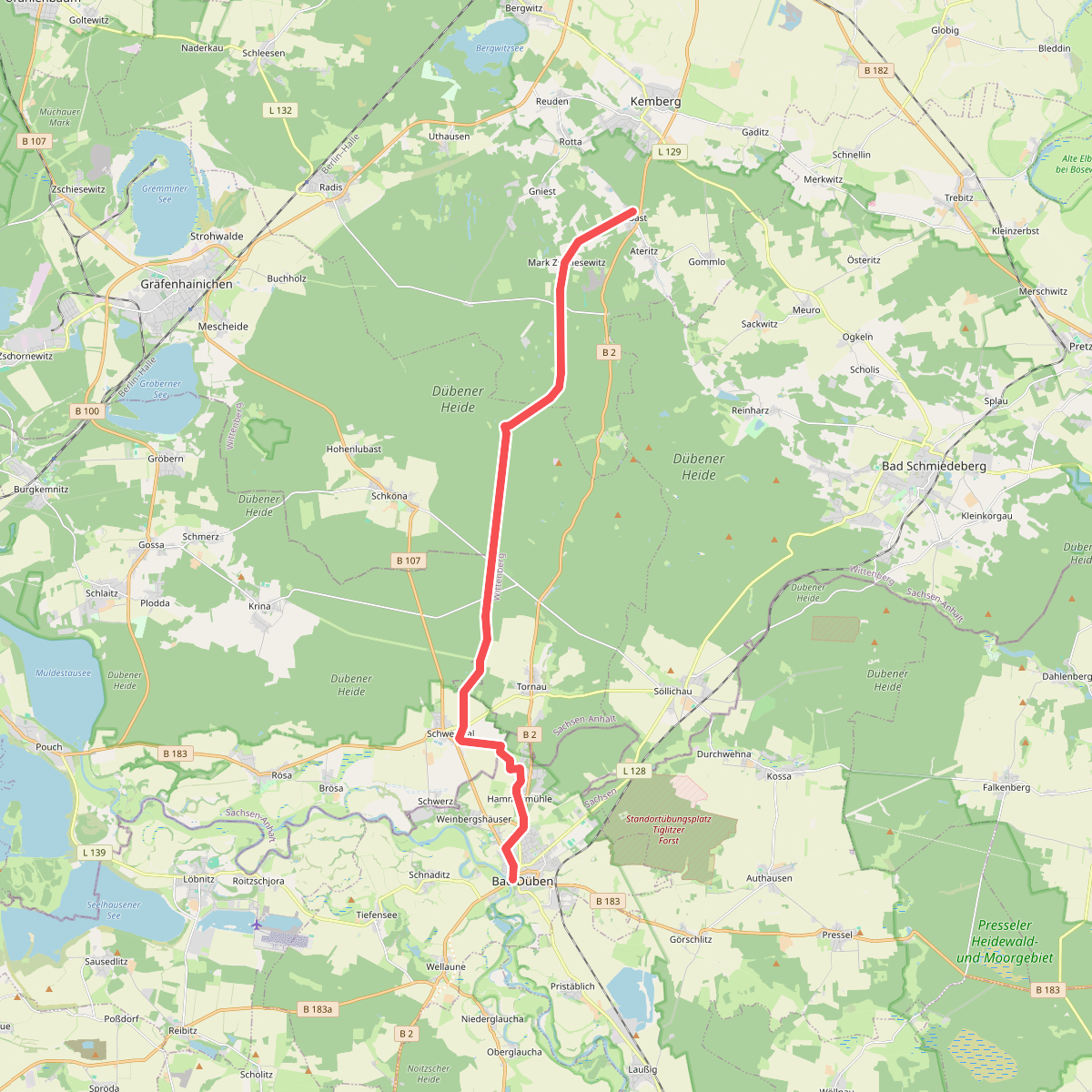
#1. Bad Düben - Kemberg
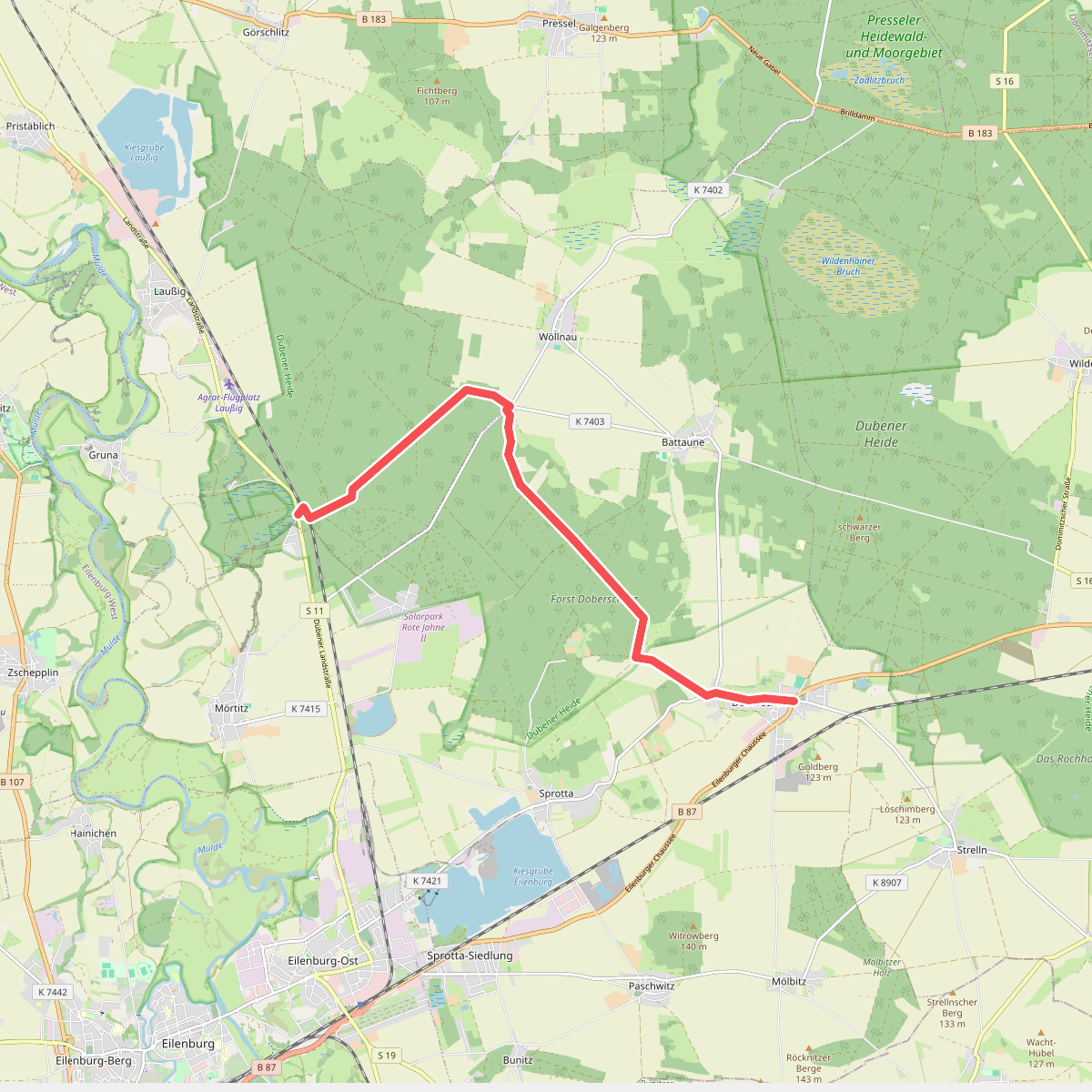
#2. Bierlinie
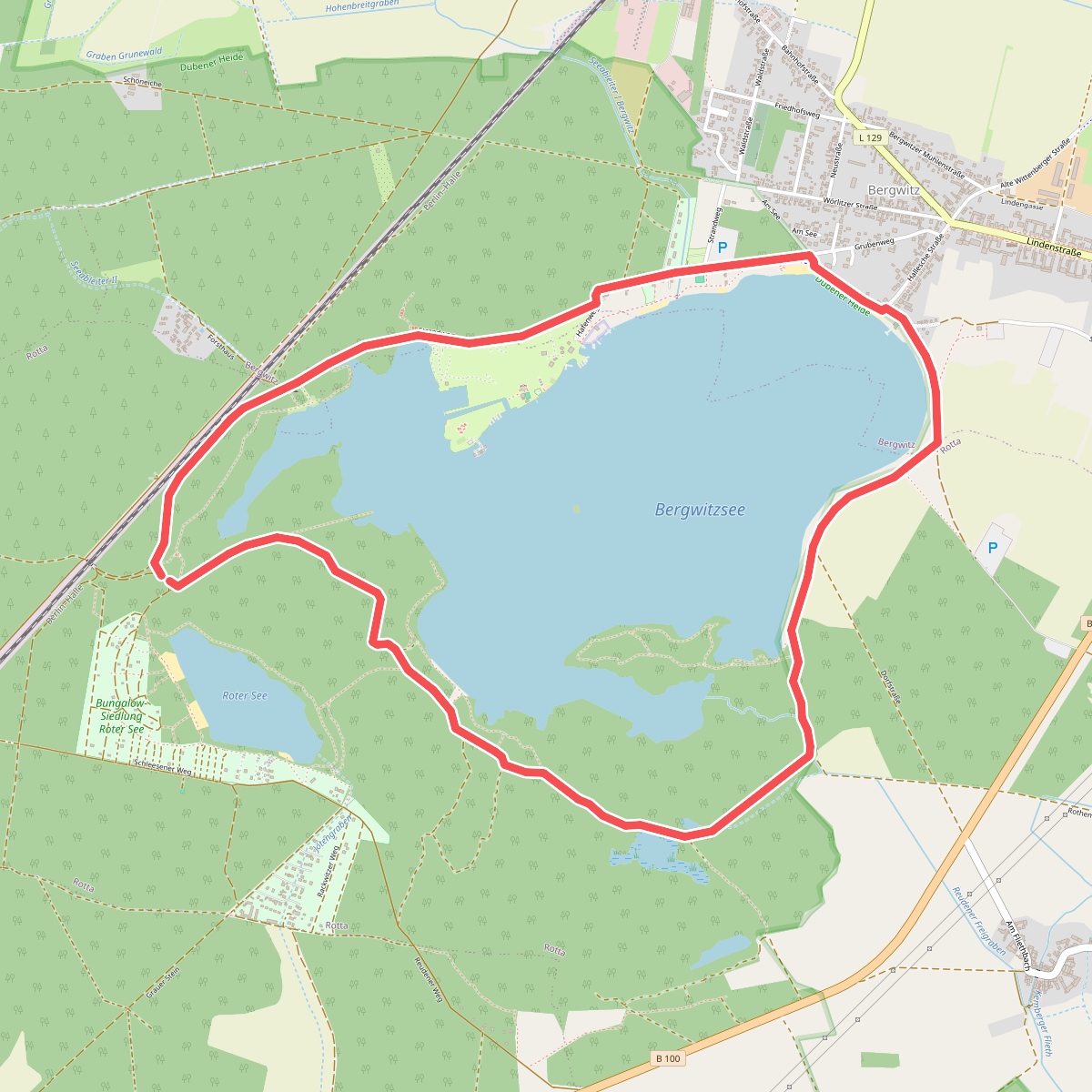
#3. Dammwildweg
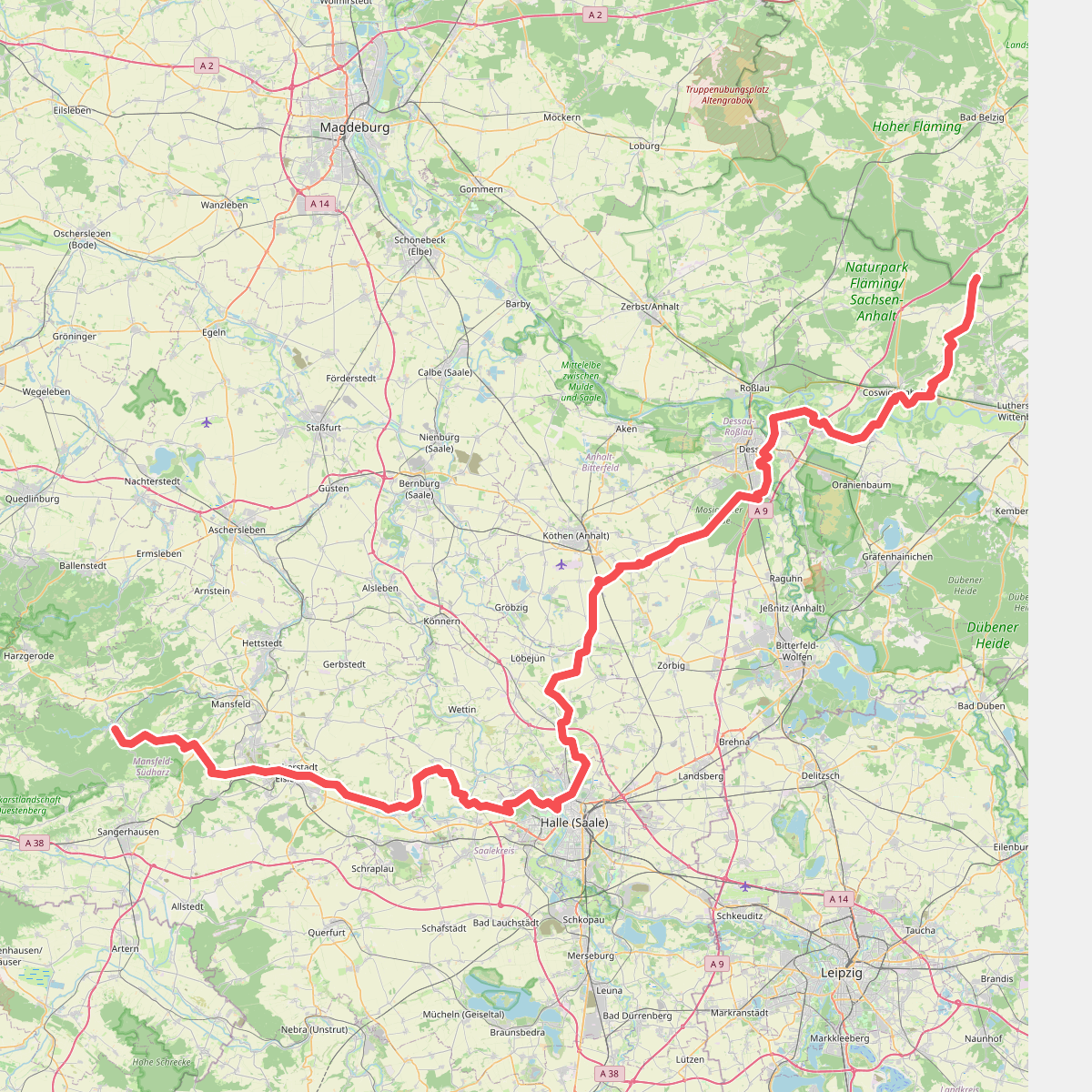
#4. Europäischer Fernwanderweg E11, Sachsen-Anhalt (O)
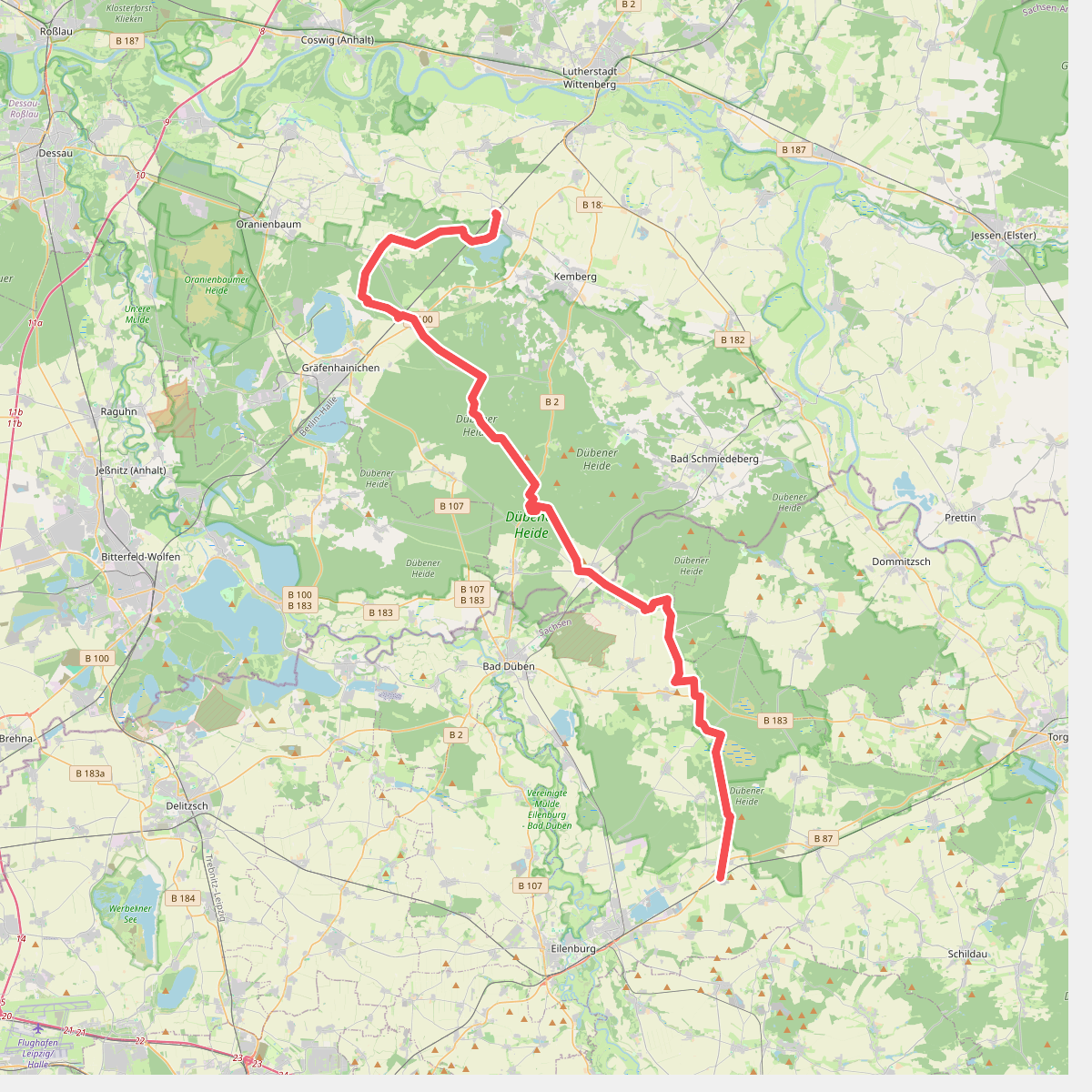
#5. Försterweg
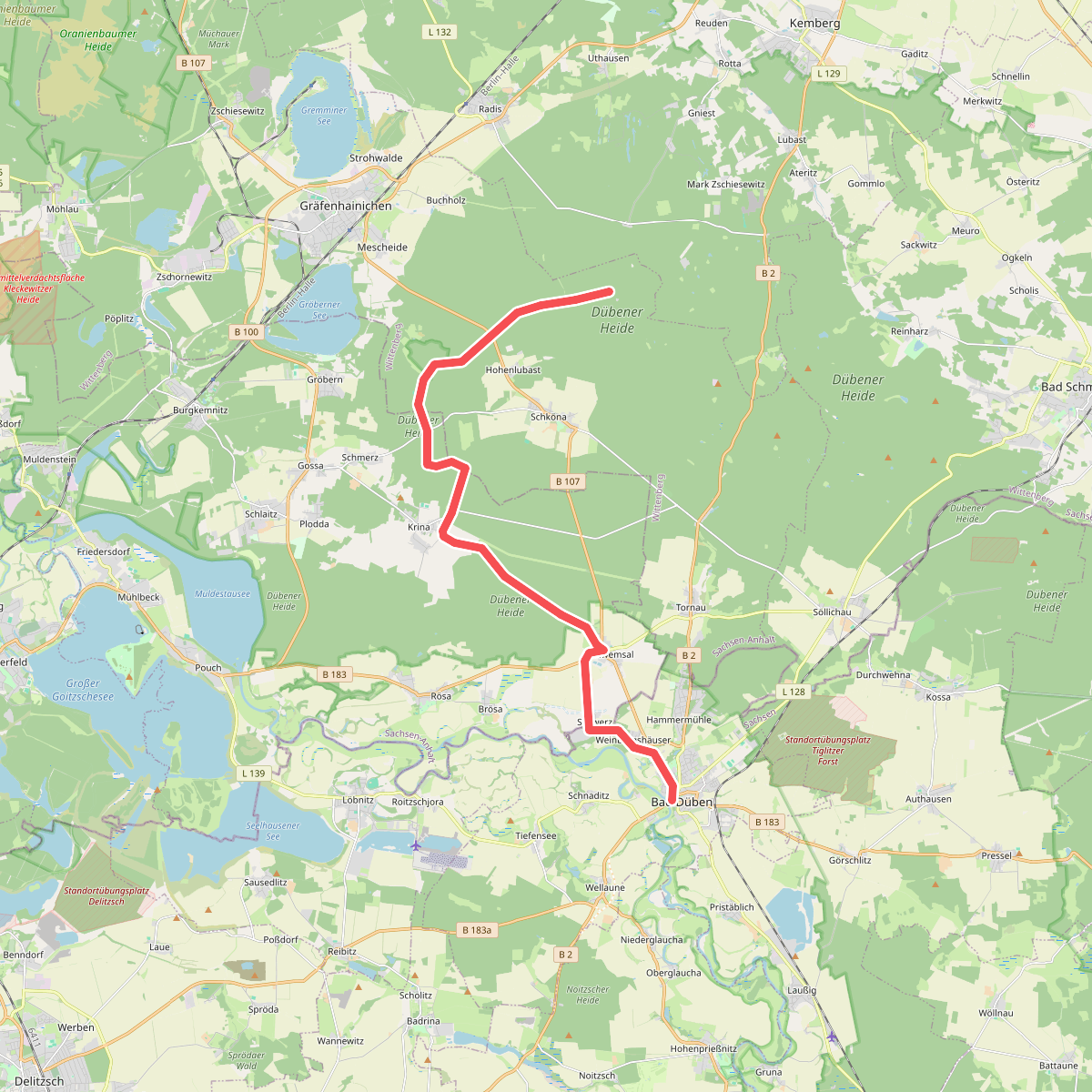
#6. Fuhrmannsweg
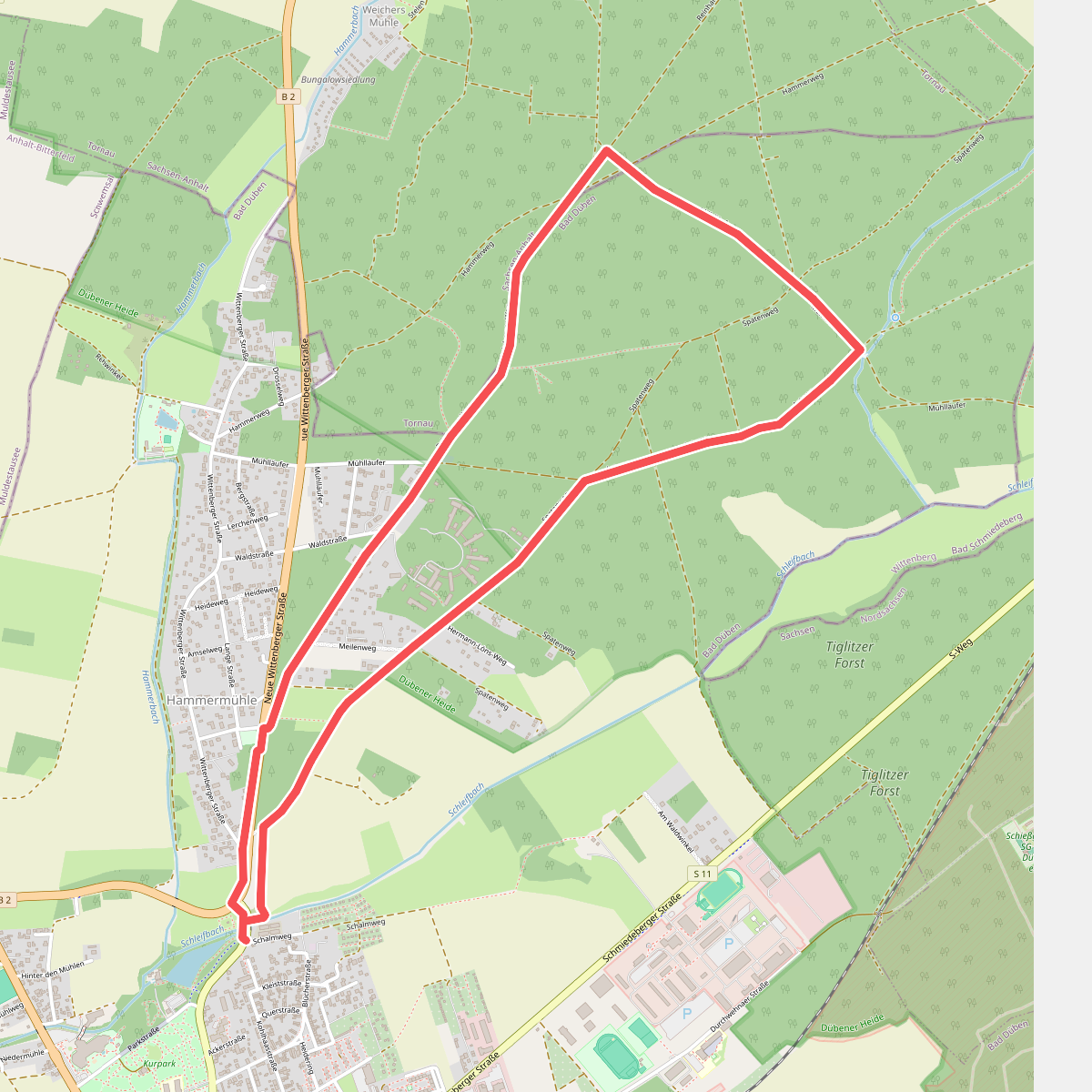
#7. Gesundbrunnenweg
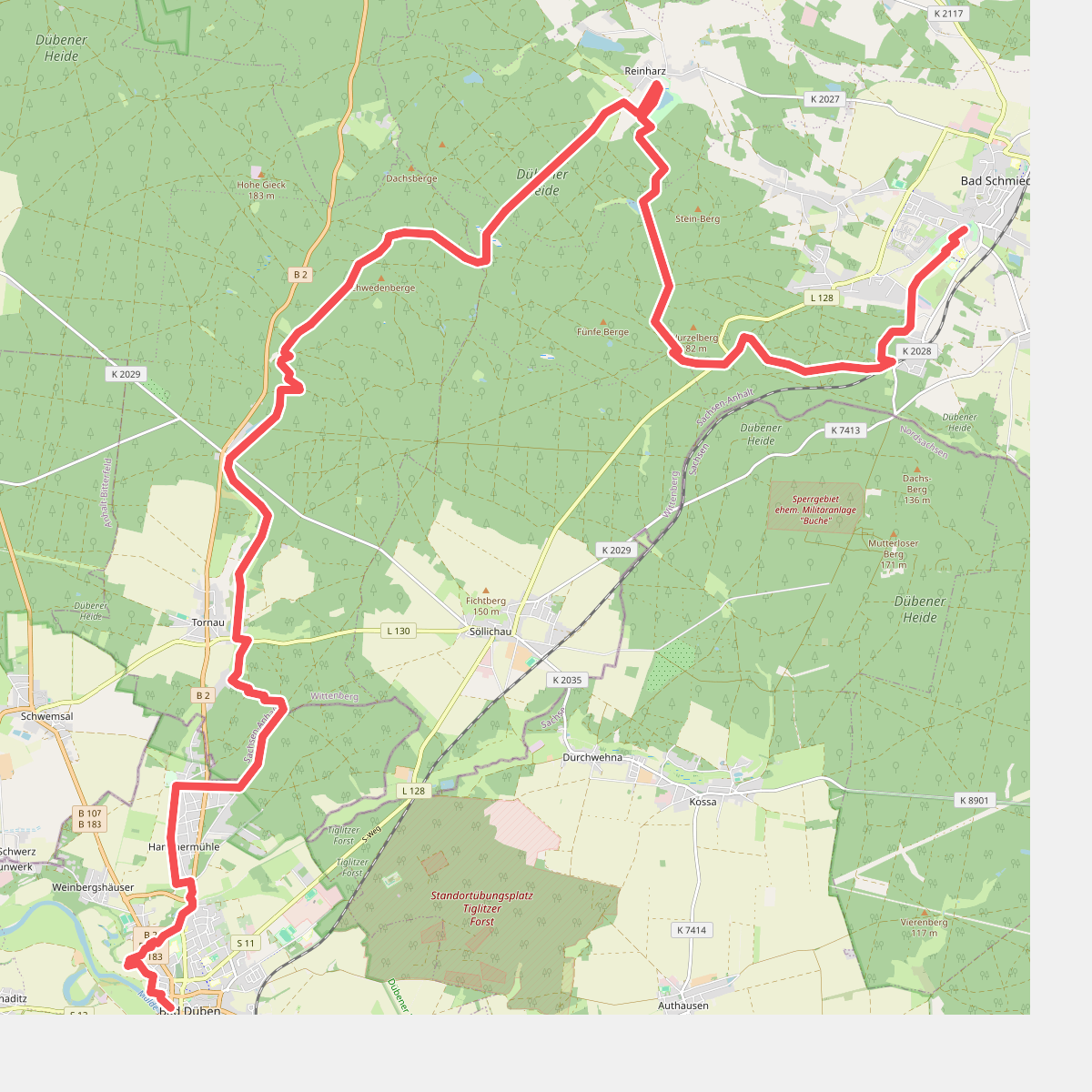
#8. Heide-Biber-Tour
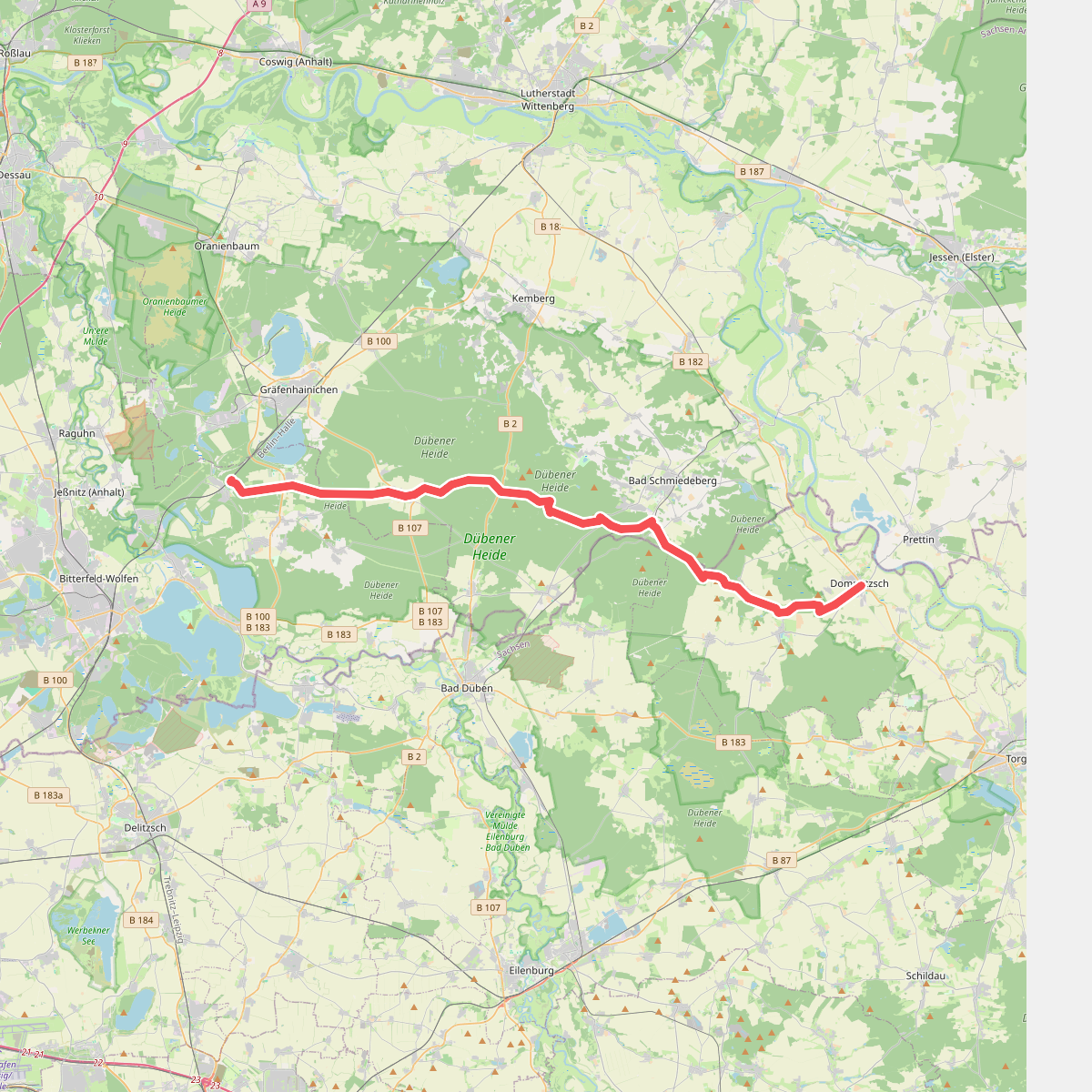
#9. Heidekammweg
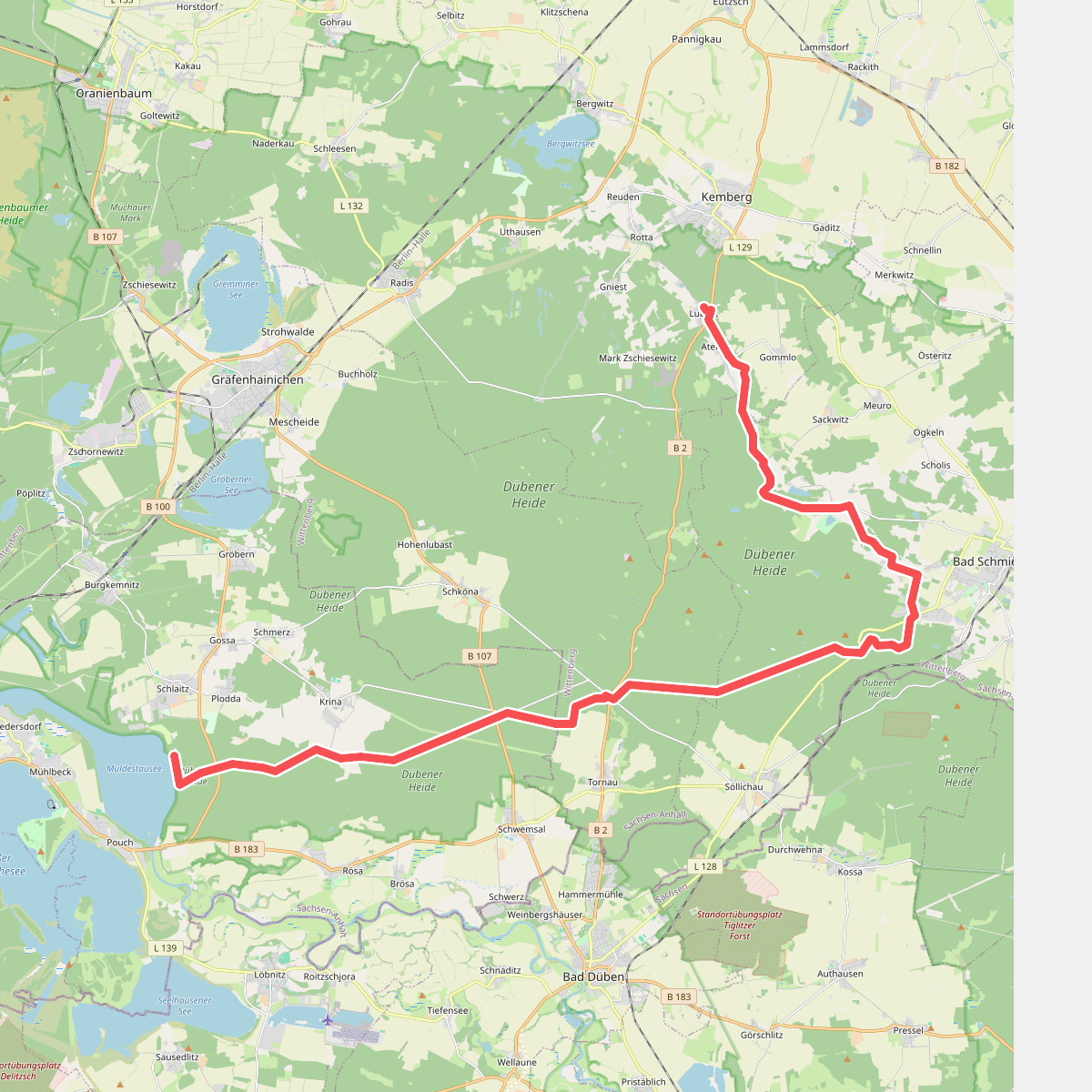
#10. Heideringweg
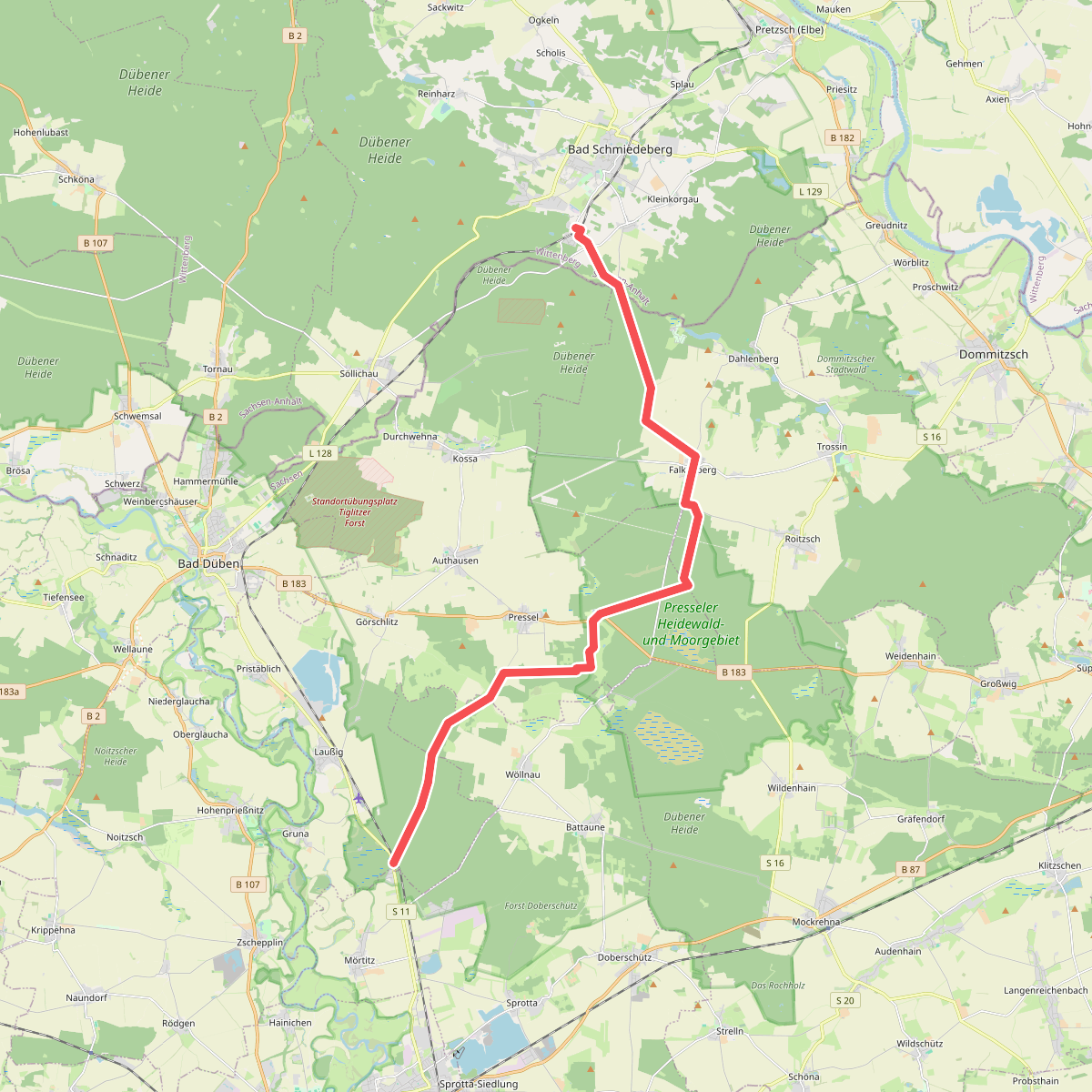
#11. Heideschänke-Moschwig