
The best hiking routes in Chránená krajinná oblasť Východné Karpaty
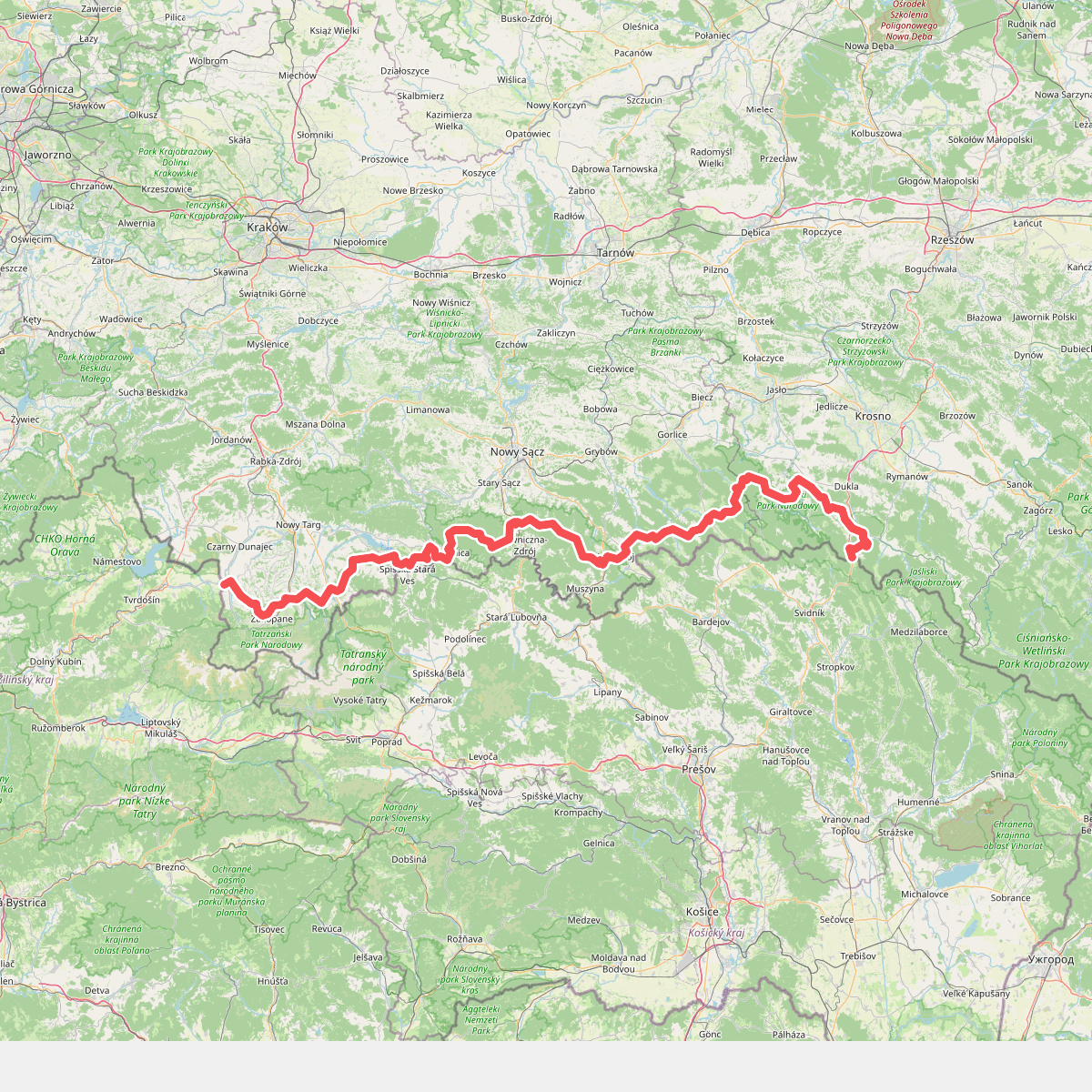
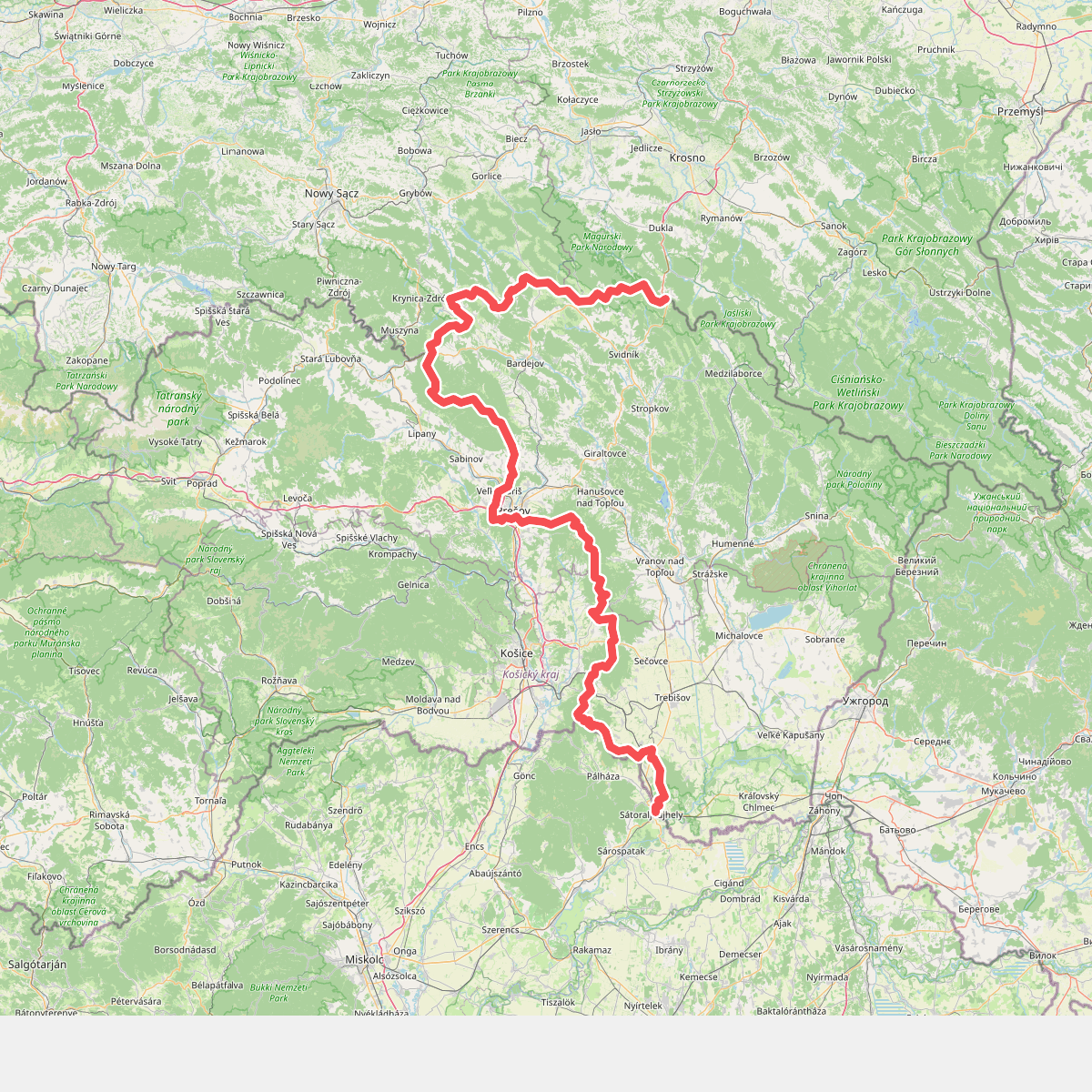
Discover the best walks in Chránená krajinná oblasť Východné Karpaty. 3 routes on the map, with descriptions, photos and GPX.
Managed by S-CHKO Východné Karpaty
About Chránená krajinná oblasť Východné Karpaty
Chránená krajinná oblasť Východné Karpaty offers a walking landscape dominated by flysch geology, which translates on the ground to rounded, clay-heavy ridges and damp valleys rather than sharp rocky peaks. Walkers will find a dense cover of beech and fir forests that limits long-distance views but provides a deep forest canopy. The terrain is characterized by gentle, rolling ridges that lack the dramatic exposure of alpine zones, making it a destination for those who prefer continuous woodland cover and quiet, unpaved forest tracks.
Read more
About Chránená krajinná oblasť Východné Karpaty
Chránená krajinná oblasť Východné Karpaty offers a walking landscape dominated by flysch geology, which translates on the ground to rounded, clay-heavy ridges and damp valleys rather than sharp rocky peaks. Walkers will find a dense cover of beech and fir forests that limits long-distance views but provides a deep forest canopy. The terrain is characterized by gentle, rolling ridges that lack the dramatic exposure of alpine zones, making it a destination for those who prefer continuous woodland cover and quiet, unpaved forest tracks.
Read moreChránená krajinná oblasť Východné Karpaty offers a walking landscape dominated by flysch geology, which translates on the ground to rounded, clay-heavy ridges and damp valleys rather than sharp rocky peaks. Walkers will find a dense cover of beech and fir forests that limits long-distance views but provides a deep forest canopy. The terrain is characterized by gentle, rolling ridges that lack the dramatic exposure of alpine zones, making it a destination for those who prefer continuous woodland cover and quiet, unpaved forest tracks.
Underfoot, the paths are mostly packed earth, clay, and leaf litter, which can become slick and heavy after wet weather. You will not find boardwalks or manicured gravel paths here; the trails are often old forestry tracks or simple dirt paths marked through the trees. Because of the clay-rich soil, water drains slowly, creating small marshy patches and stream crossings directly on the route. The vegetation is thick, with ferns and mosses lining the path edges under the heavy shade of the beech trees.
In late September and October, the beech canopy turns a deep copper, which is the most distinctive seasonal change in these woods. The area is generally quiet, though the main ridge trails see occasional hikers. This is a landscape of quiet, repetitive forest walking where the appeal lies in the lack of development and the steady, moderate climbs through uniform woodland rather than dramatic rocky viewpoints.