
The best hiking routes in CHKO Žďárské vrchy
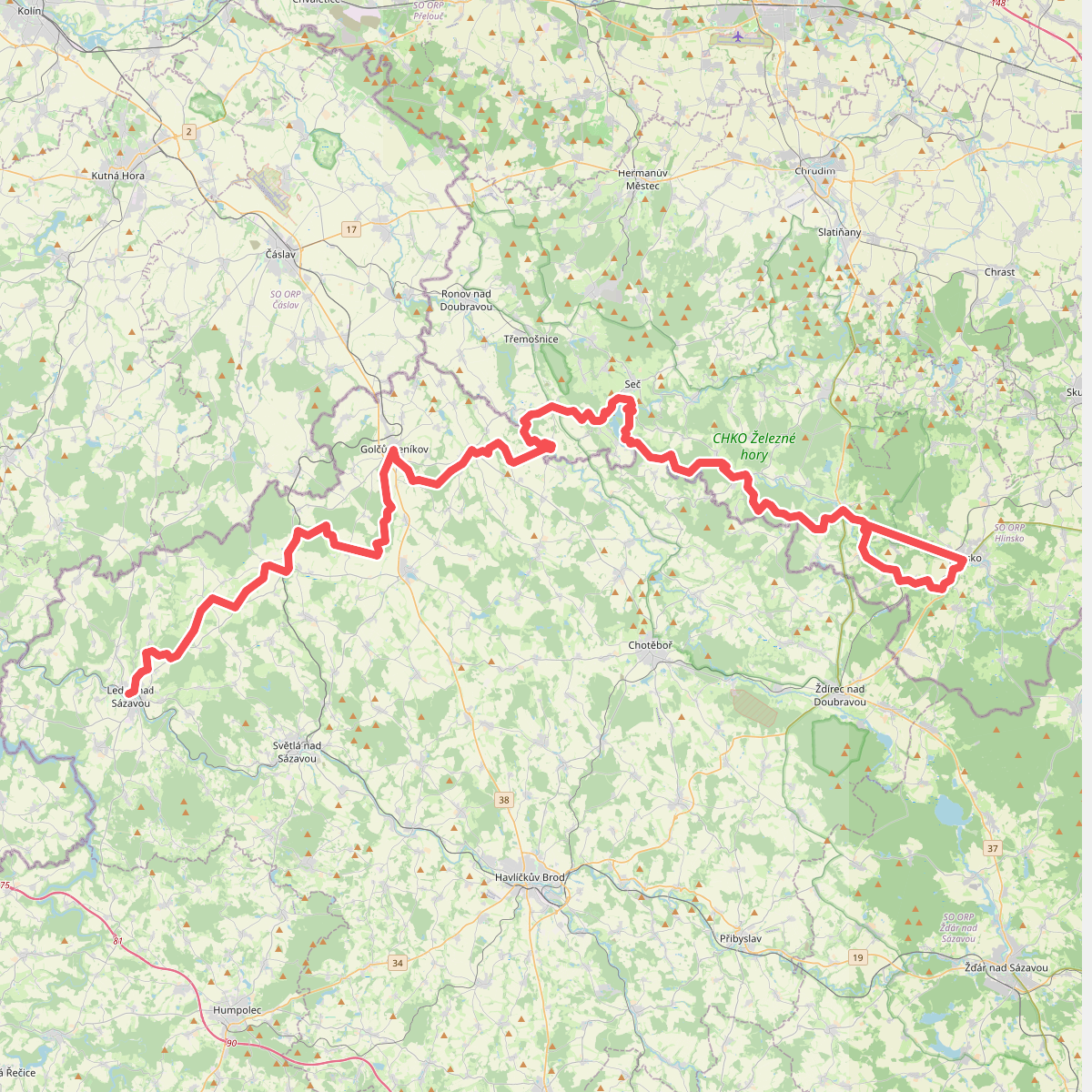
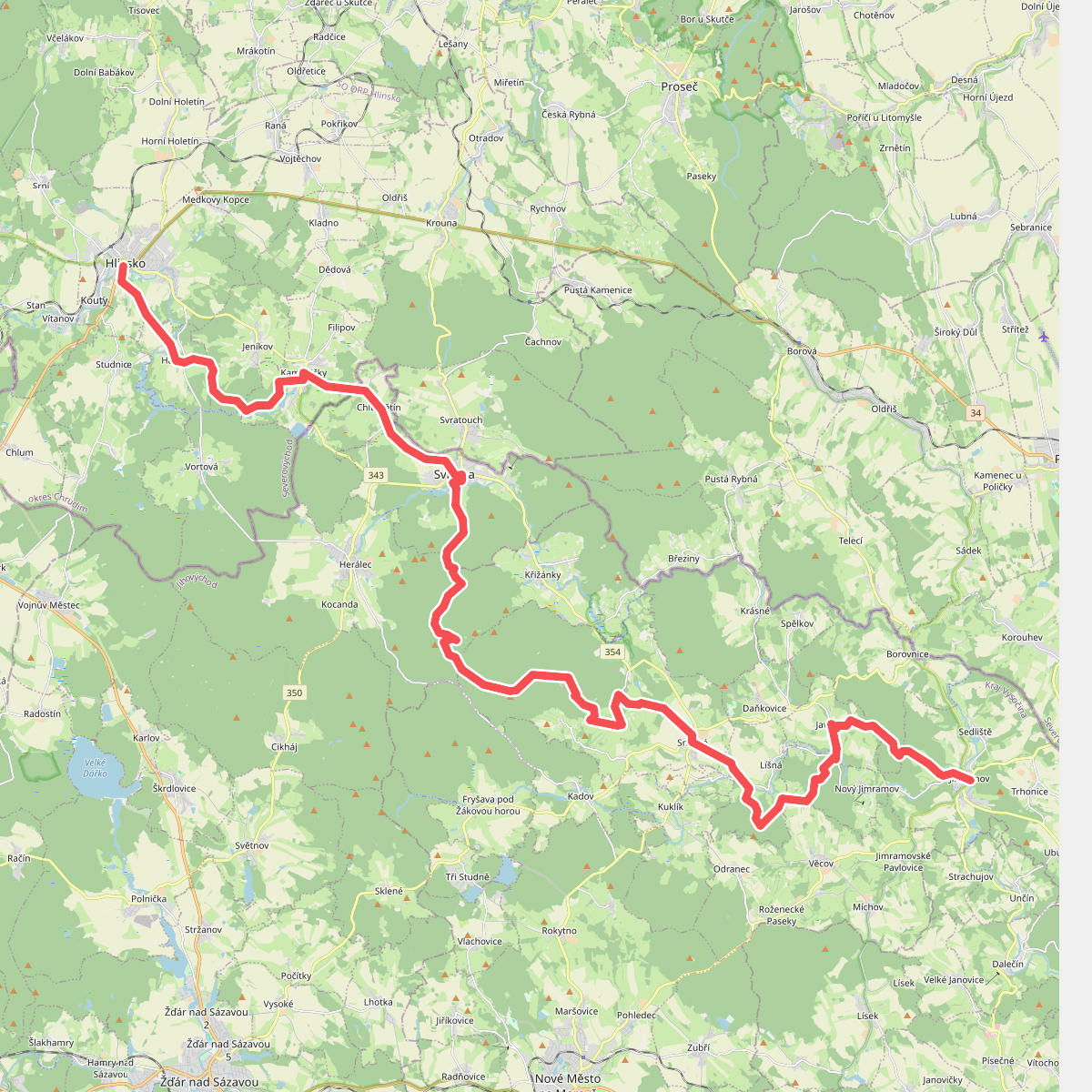
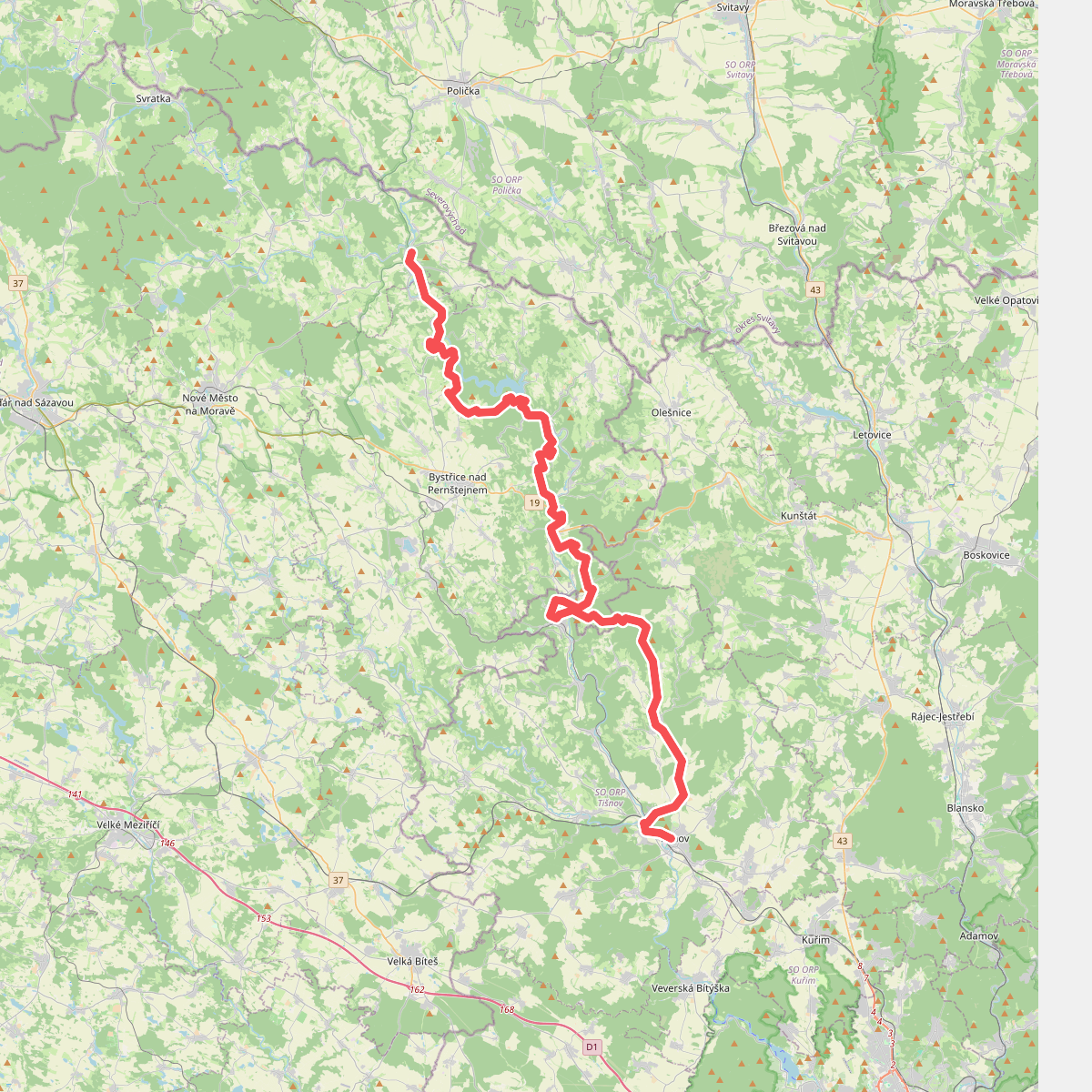
Discover the best walks in CHKO Žďárské vrchy. 3 routes on the map, with descriptions, photos and GPX.
About CHKO Žďárské vrchy
CHKO Žďárské vrchy is a highland landscape of gently rolling hills, dark spruce forests, and small peat bogs, rather than a place of dramatic gorges or high alpine peaks. The terrain is defined by its rounded granite summits, where wind-worn rock formations like Devět skal break through the canopy. Walking here means navigating a mix of damp forest tracks, soft needle-litter paths, and occasional wooden boardwalks over wetland areas. The valleys are filled with quiet meadows and traditional ponds that date back to medieval fish-farming.
Read more
About CHKO Žďárské vrchy
CHKO Žďárské vrchy is a highland landscape of gently rolling hills, dark spruce forests, and small peat bogs, rather than a place of dramatic gorges or high alpine peaks. The terrain is defined by its rounded granite summits, where wind-worn rock formations like Devět skal break through the canopy. Walking here means navigating a mix of damp forest tracks, soft needle-litter paths, and occasional wooden boardwalks over wetland areas. The valleys are filled with quiet meadows and traditional ponds that date back to medieval fish-farming.
Read moreCHKO Žďárské vrchy is a highland landscape of gently rolling hills, dark spruce forests, and small peat bogs, rather than a place of dramatic gorges or high alpine peaks. The terrain is defined by its rounded granite summits, where wind-worn rock formations like Devět skal break through the canopy. Walking here means navigating a mix of damp forest tracks, soft needle-litter paths, and occasional wooden boardwalks over wetland areas. The valleys are filled with quiet meadows and traditional ponds that date back to medieval fish-farming.
The forest floor tells the story of the area's geology and climate. You will notice how the spruce plantations give way to beech and fir on the higher slopes, where the soils are poorer and the weather is cooler. In the lower clearings, the ground is often damp, supporting mosses and marsh plants that thrive in the headwaters of major rivers like the Sázava and Svratka. Underfoot, the paths transition from hard-packed gravel on the forestry roads to muddy, root-strewn tracks in the denser woods.
While the main trails leading to the highest rock outcrops can be busy on weekends, the deeper forest paths remain quiet. In October, the beech leaves turn a deep copper, contrasting sharply with the dark green of the spruce. This is a working landscape of timber harvesting and small-scale farming, where the paths are practical links between villages rather than engineered tourist trails.