
The best hiking routes in Bardonecchia - Val Fredda
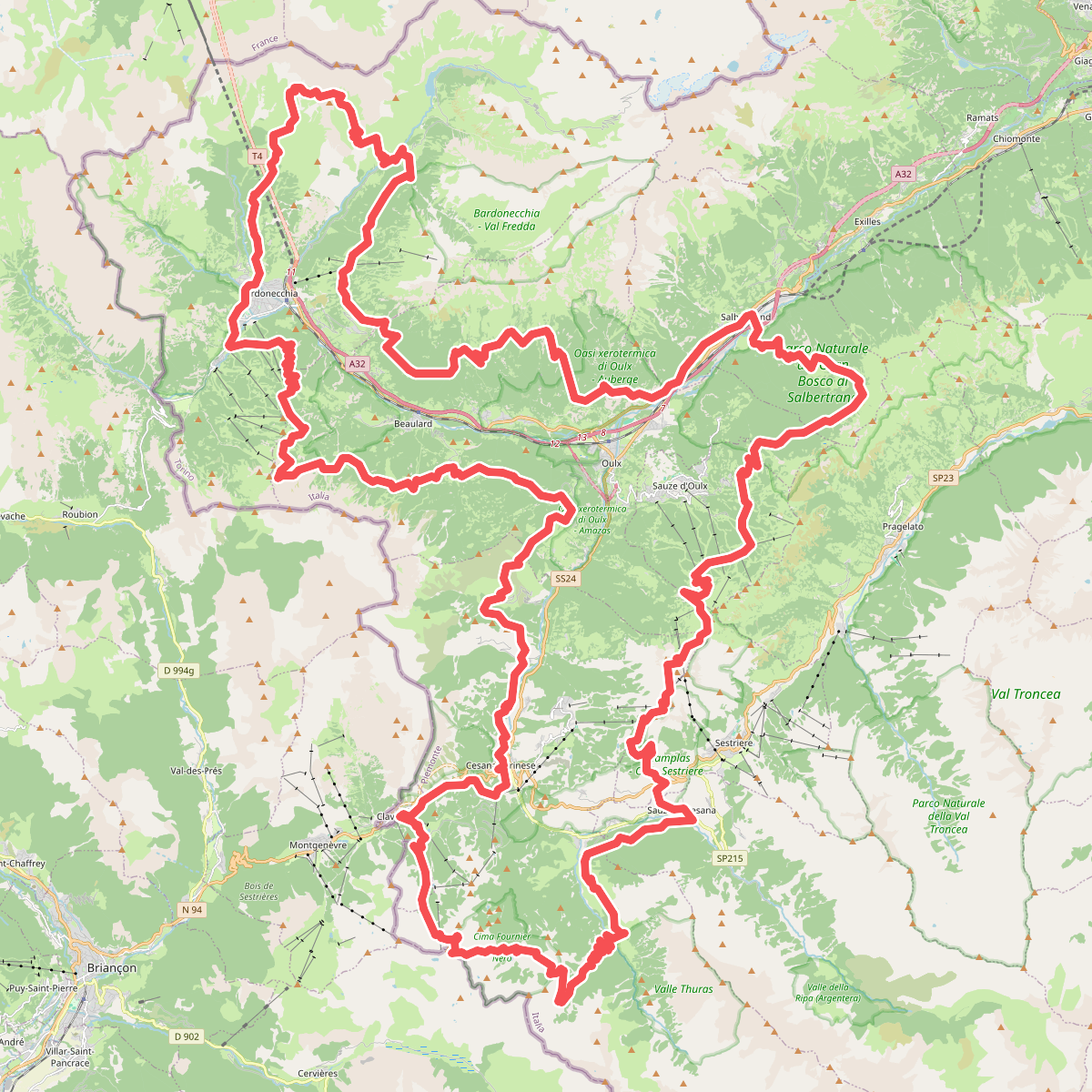
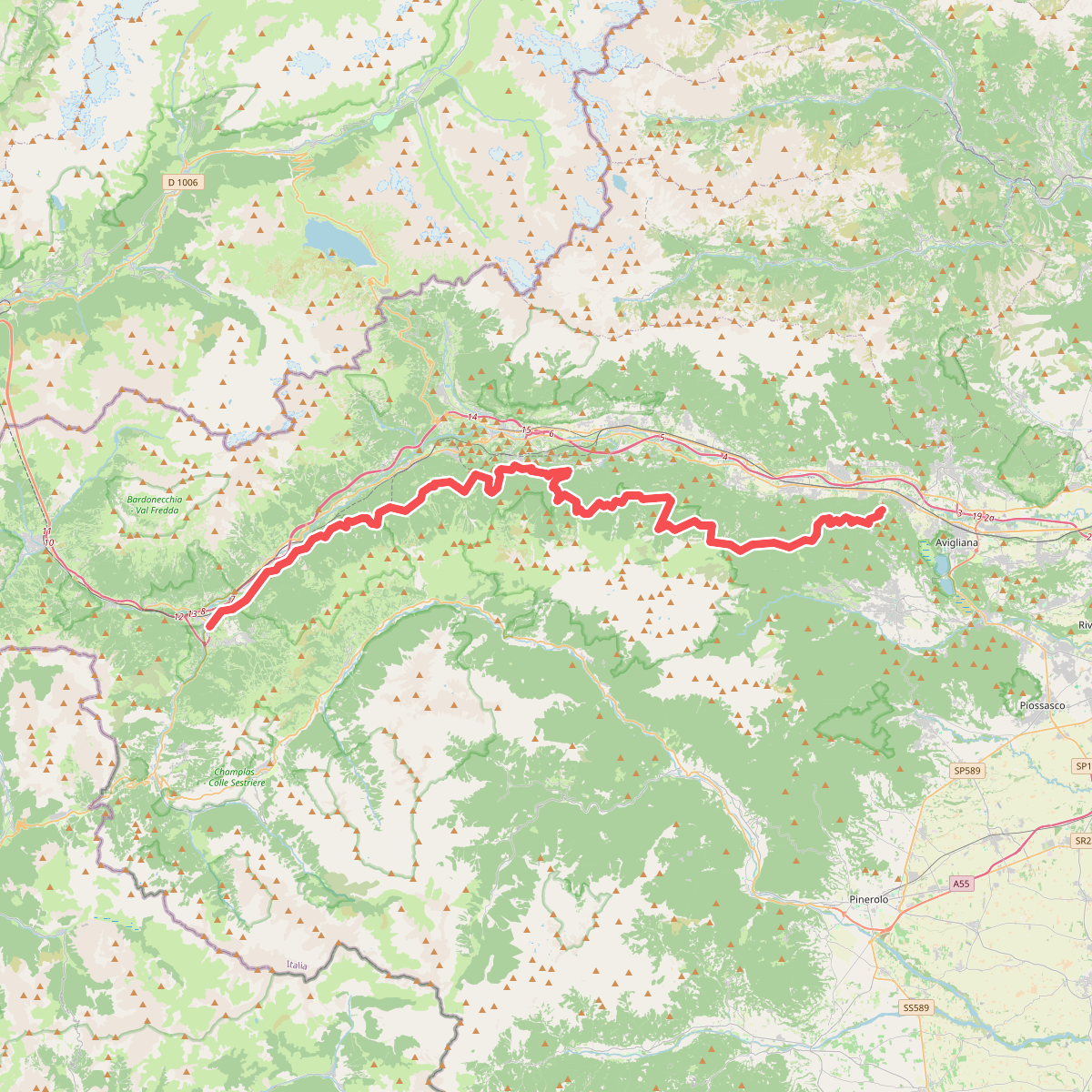
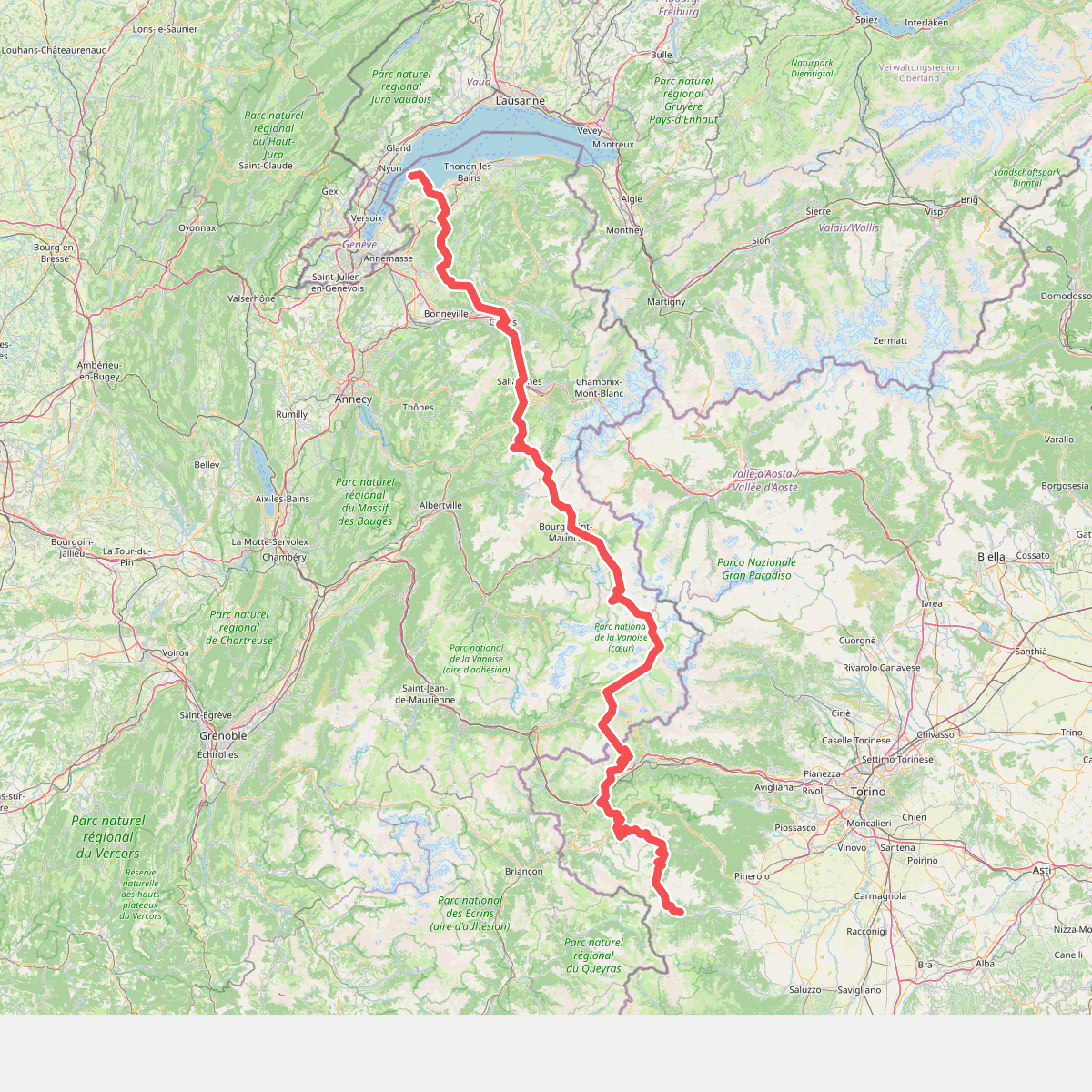
Discover the best walks in Bardonecchia - Val Fredda. 3 routes on the map, with descriptions, photos and GPX.
Managed by Natura 2000
About Bardonecchia - Val Fredda
Bardonecchia - Val Fredda is a high-altitude limestone valley in the Cottian Alps, characterized by its wide, gently sloping basin rather than steep, jagged peaks. Unlike the rugged, rocky gorges found in neighboring valleys, this area is defined by soft alpine pastures, scree slopes, and a distinct lack of dense forest cover. The open landscape allows walkers to see the geological transition from green meadows to bare, light-colored limestone cliffs that flank the valley sides.
Read more
About Bardonecchia - Val Fredda
Bardonecchia - Val Fredda is a high-altitude limestone valley in the Cottian Alps, characterized by its wide, gently sloping basin rather than steep, jagged peaks. Unlike the rugged, rocky gorges found in neighboring valleys, this area is defined by soft alpine pastures, scree slopes, and a distinct lack of dense forest cover. The open landscape allows walkers to see the geological transition from green meadows to bare, light-colored limestone cliffs that flank the valley sides.
Read moreBardonecchia - Val Fredda is a high-altitude limestone valley in the Cottian Alps, characterized by its wide, gently sloping basin rather than steep, jagged peaks. Unlike the rugged, rocky gorges found in neighboring valleys, this area is defined by soft alpine pastures, scree slopes, and a distinct lack of dense forest cover. The open landscape allows walkers to see the geological transition from green meadows to bare, light-colored limestone cliffs that flank the valley sides.
Underfoot, the main trail consists of a stony dirt track that climbs gradually along the valley floor, making it straightforward to navigate. As you ascend, the path transitions into narrower, rougher dirt tracks cutting through alpine grasslands. In July, these pastures are filled with flowering alpine flora, which thrives in the calcium-rich soil. The absence of trees means there is little shelter, exposing the entire route to the elements.
This valley is best suited for those seeking a steady, moderate climb through an open mountain pasture environment rather than a challenging scramble over high ridges. While the lower sections near the trailhead can be busier with day walkers, the upper reaches of the valley toward the pass offer a quieter experience focused on the limestone geology and alpine vegetation.