The best hiking routes in Area naturale protetta di interesse locale Monti della Calvana
Discover the best walks in Area naturale protetta di interesse locale Monti della Calvana. 10 routes on the map, with descriptions, photos and GPX.
About Area naturale protetta di interesse locale Monti della Calvana
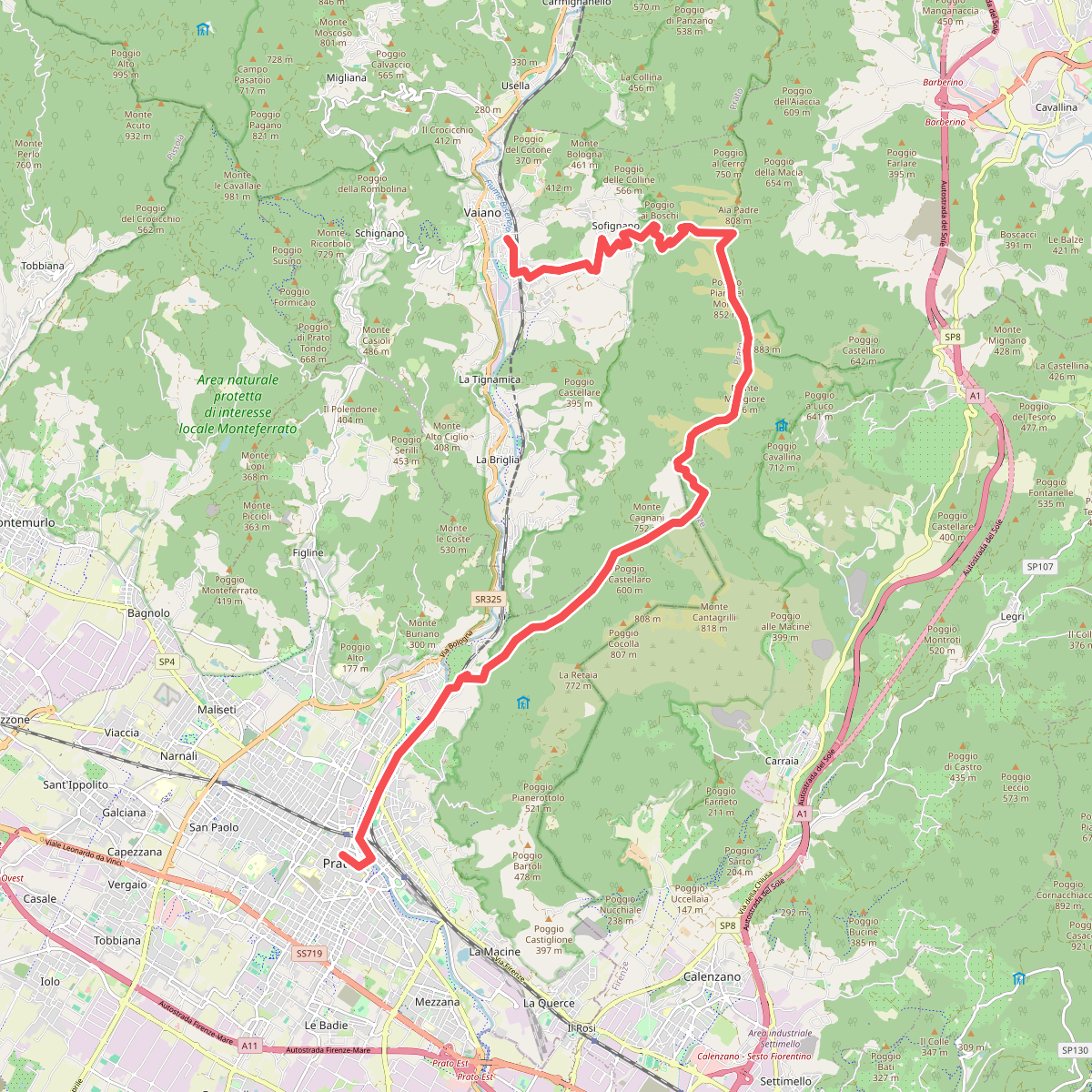
Area naturale protetta di interesse locale Monti della Calvana is a limestone ridge characterized by barren, windswept karst pastures and dense shrubland, quite different from the typical wooded clay hills of northern Tuscany. Walkers here will find a stark, open landscape where water drains quickly into the porous rock, leaving the high ridges dry and stony underfoot. The terrain consists of rough limestone gravel tracks, grassy paths kept short by grazing cattle, and steep, rocky steps that require careful footing.
Read more
About Area naturale protetta di interesse locale Monti della Calvana
Area naturale protetta di interesse locale Monti della Calvana is a limestone ridge characterized by barren, windswept karst pastures and dense shrubland, quite different from the typical wooded clay hills of northern Tuscany. Walkers here will find a stark, open landscape where water drains quickly into the porous rock, leaving the high ridges dry and stony underfoot. The terrain consists of rough limestone gravel tracks, grassy paths kept short by grazing cattle, and steep, rocky steps that require careful footing.
Read moreArea naturale protetta di interesse locale Monti della Calvana is a limestone ridge characterized by barren, windswept karst pastures and dense shrubland, quite different from the typical wooded clay hills of northern Tuscany. Walkers here will find a stark, open landscape where water drains quickly into the porous rock, leaving the high ridges dry and stony underfoot. The terrain consists of rough limestone gravel tracks, grassy paths kept short by grazing cattle, and steep, rocky steps that require careful footing.
This karst geology shapes everything you see along the trail. The lack of surface water means you will not find rushing streams or damp valleys; instead, the hillsides are dotted with sinkholes, shallow depressions, and exposed white limestone pavement. Low juniper bushes, gorse, and sparse herbaceous plants cling to the thin soil on the ridges, while the lower slopes and sheltered gullies support thicker oak coppices and hornbeam woods.
While the lower access points near the valley settlements can feel busy on weekends, the higher ridge paths are generally quieter, shared mostly with free-ranging Calvana cows and horses. There are no high alpine peaks or deep gorges here, but rather a series of rounded, grassy summits that offer clear views of the surrounding valleys. In May, these stony pastures are briefly colored by wild orchids and herbaceous flowers before the summer heat dries the thin soil.
Hiking routes in Area naturale protetta di interesse locale Monti della Calvana (10)
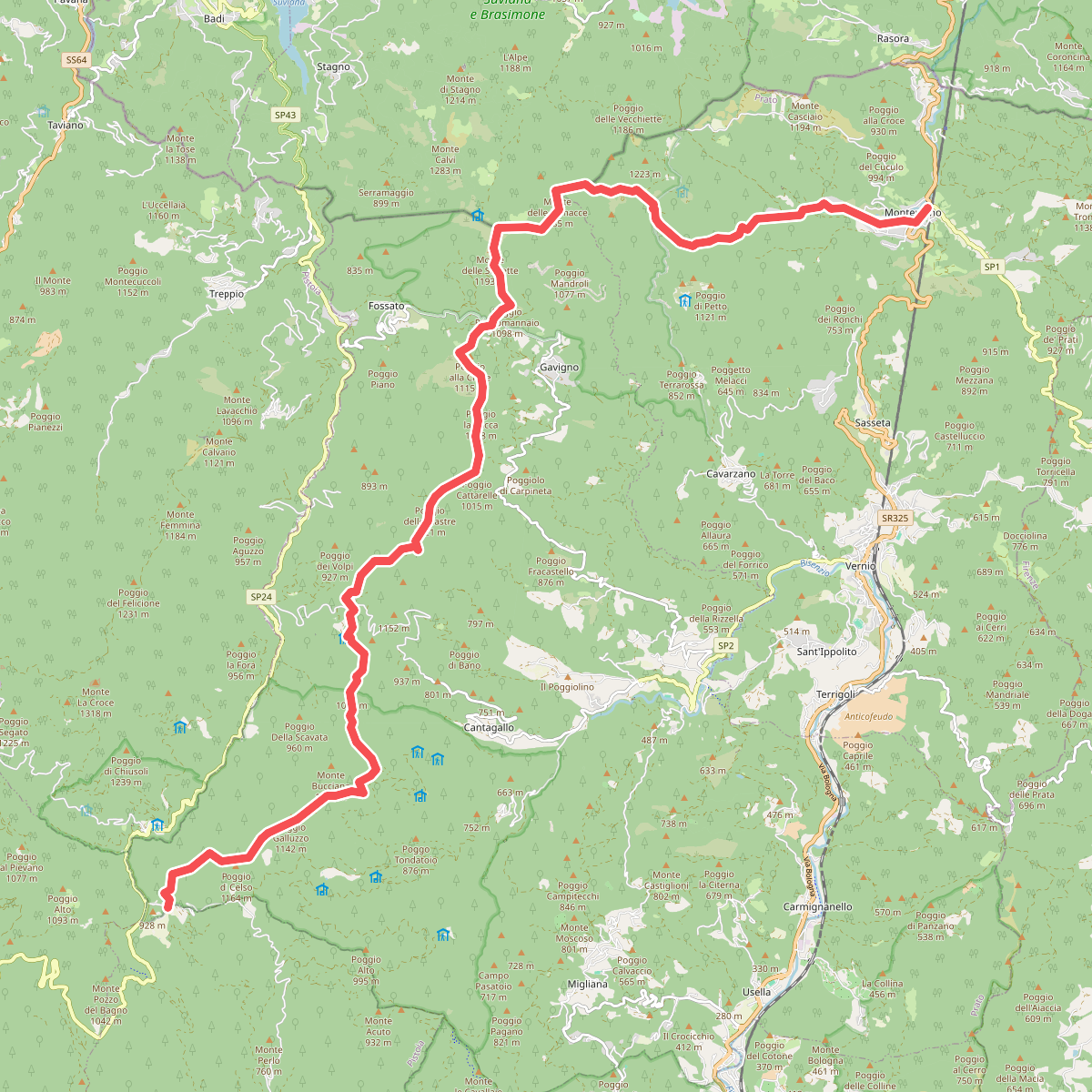
#1. E1 Toscana 12 Cascina di Spedaletto - Montepiano
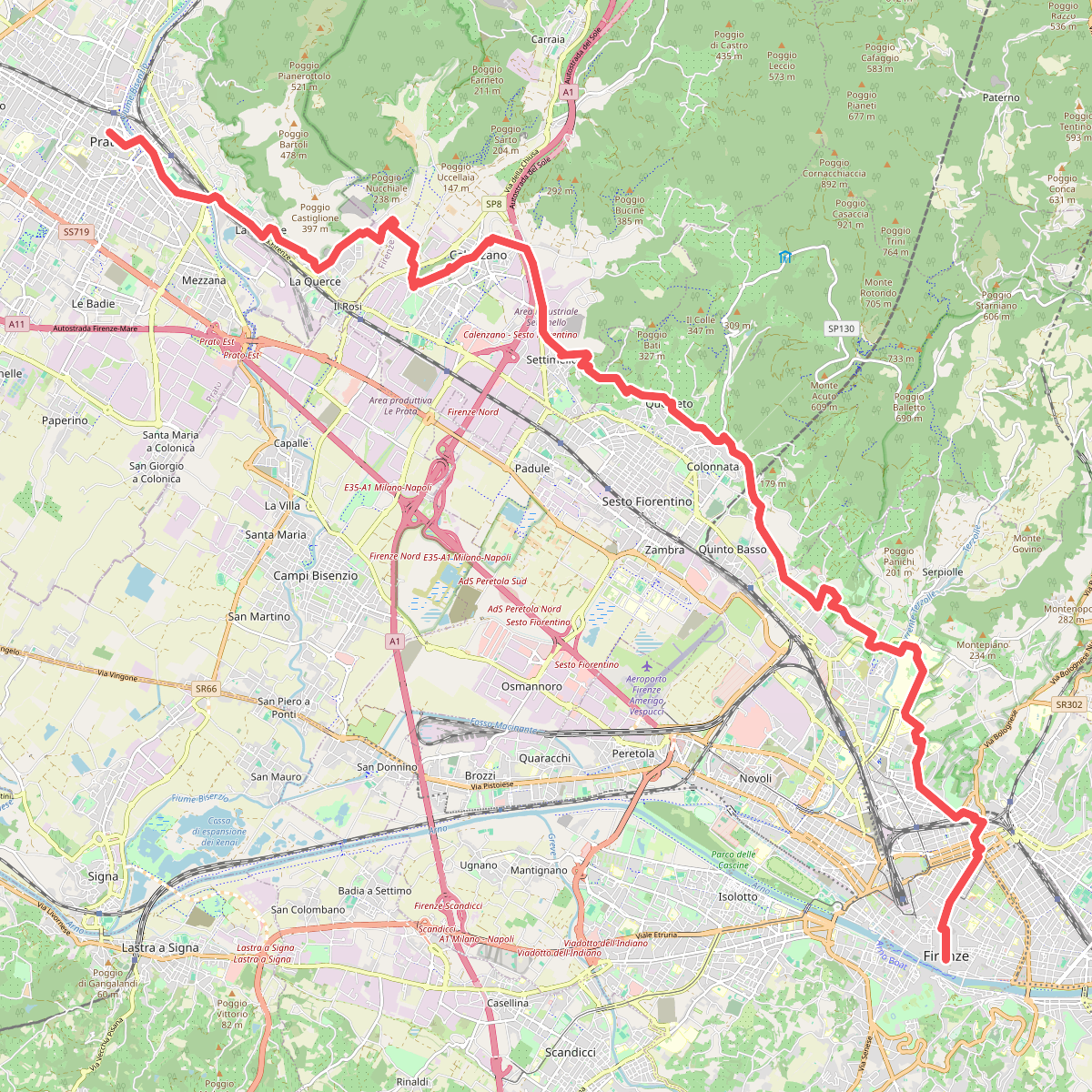
#2. Il Cammino di San Jacopo - Tappa 1
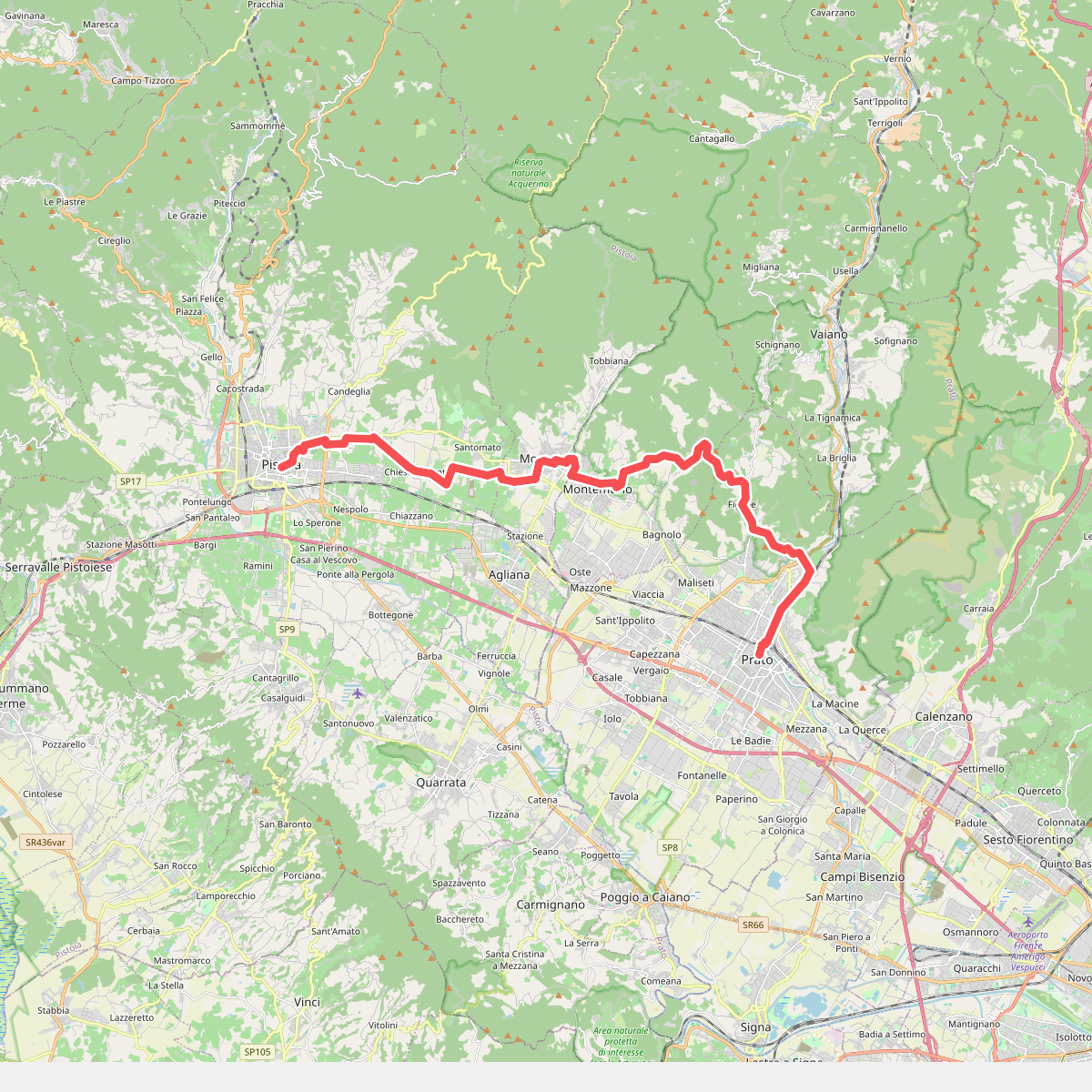
#3. Il Cammino di San Jacopo - Tappa 2
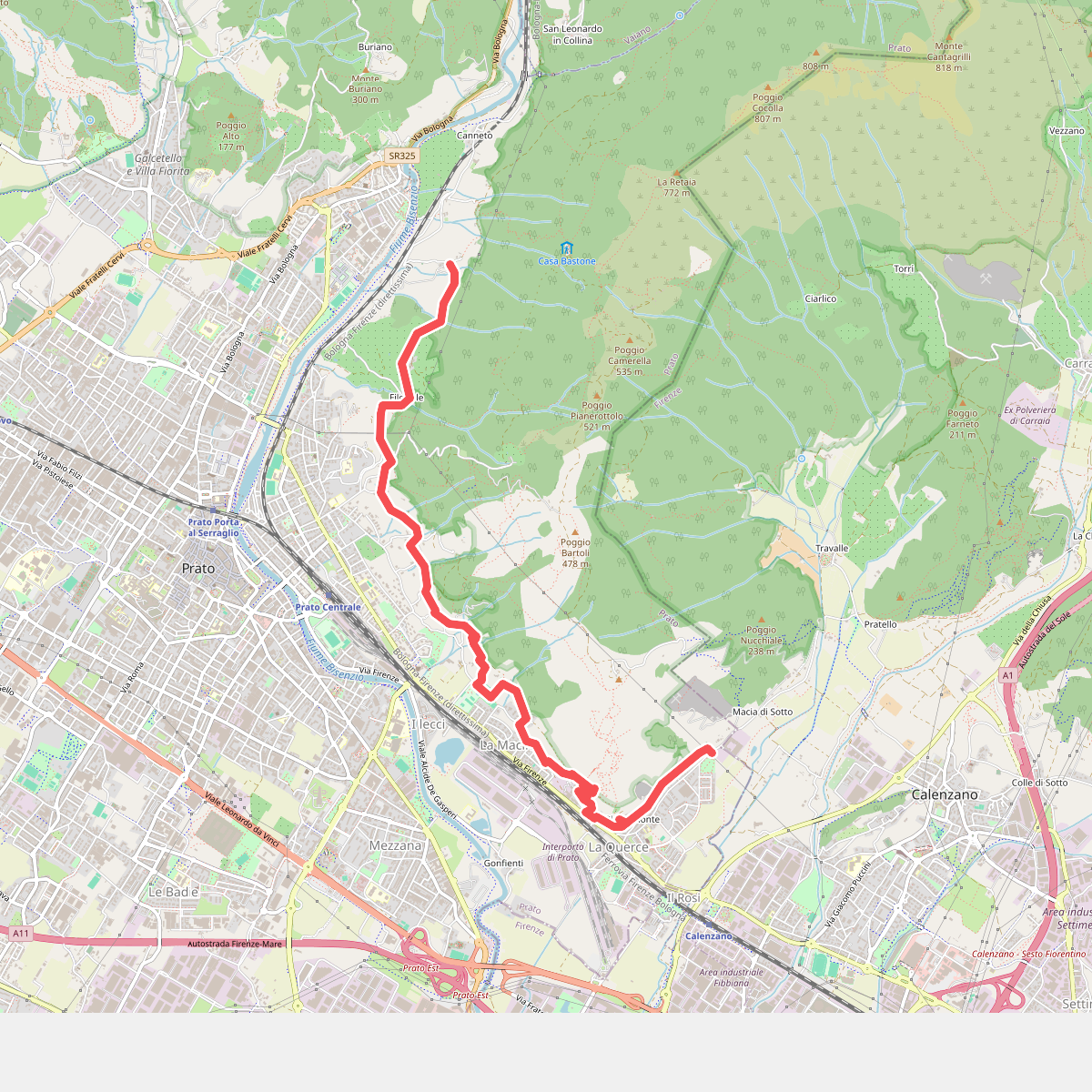
#4. Percorso pedecollinare
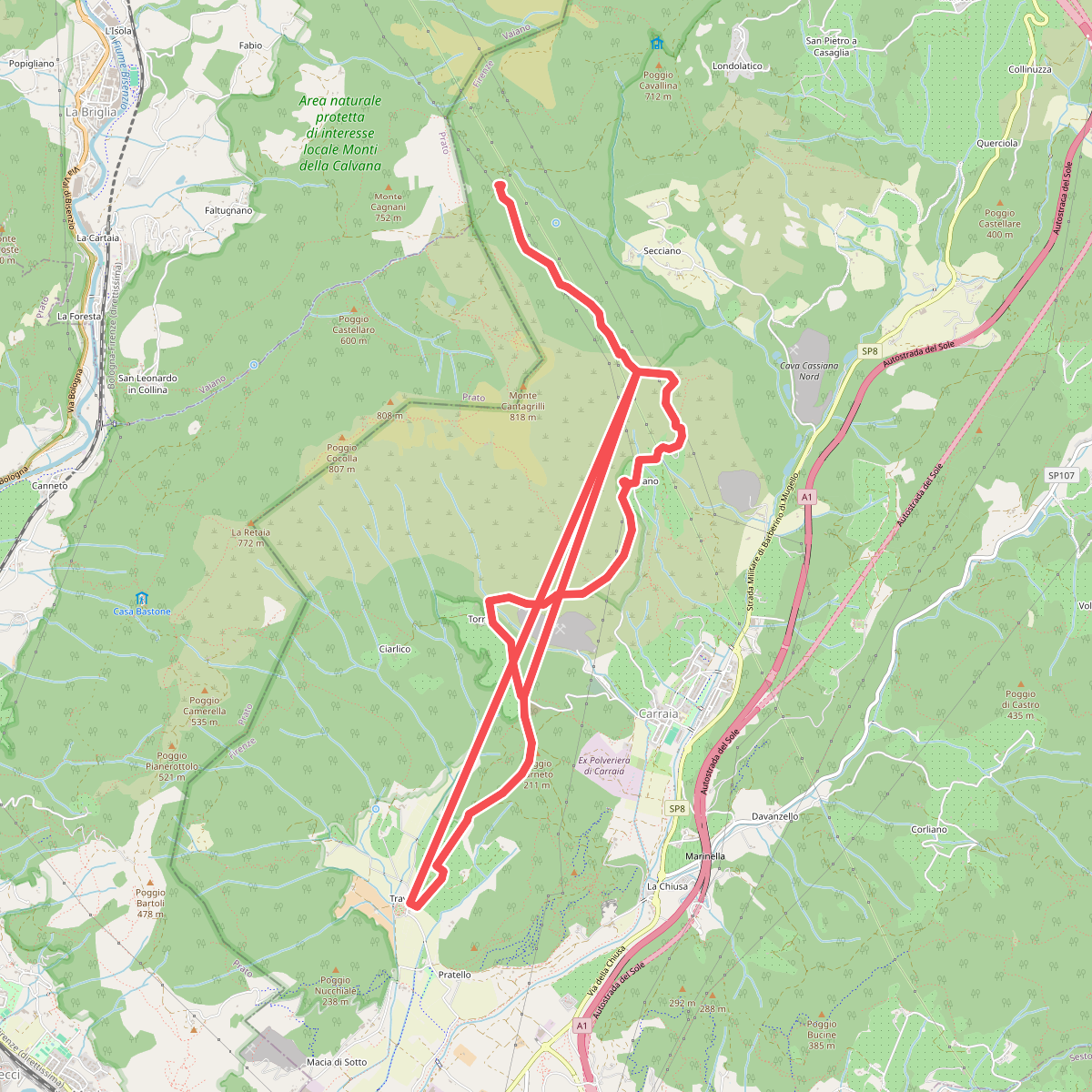
#5. Sentiero della Pace
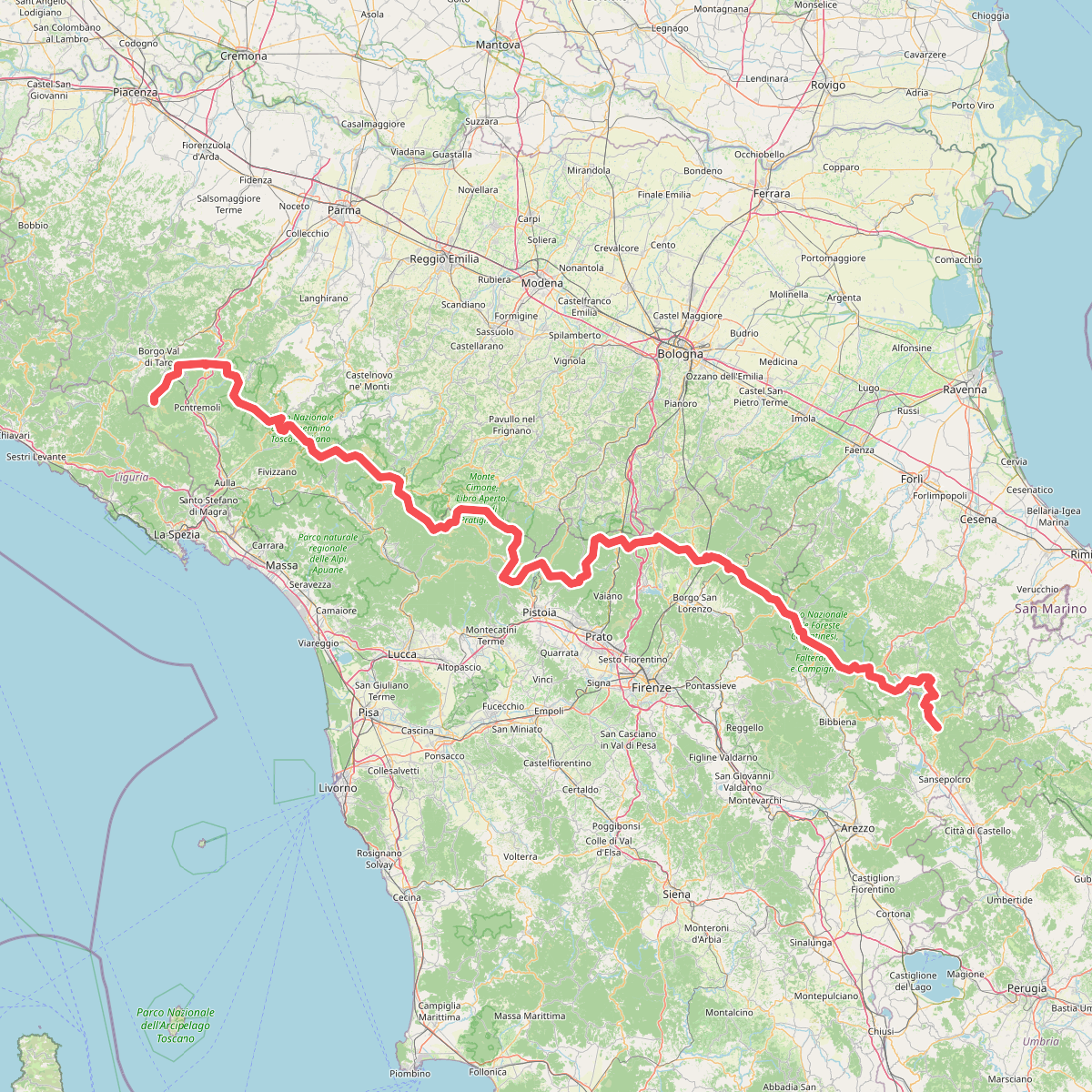
#6. Sentiero di spartiacque appenninico
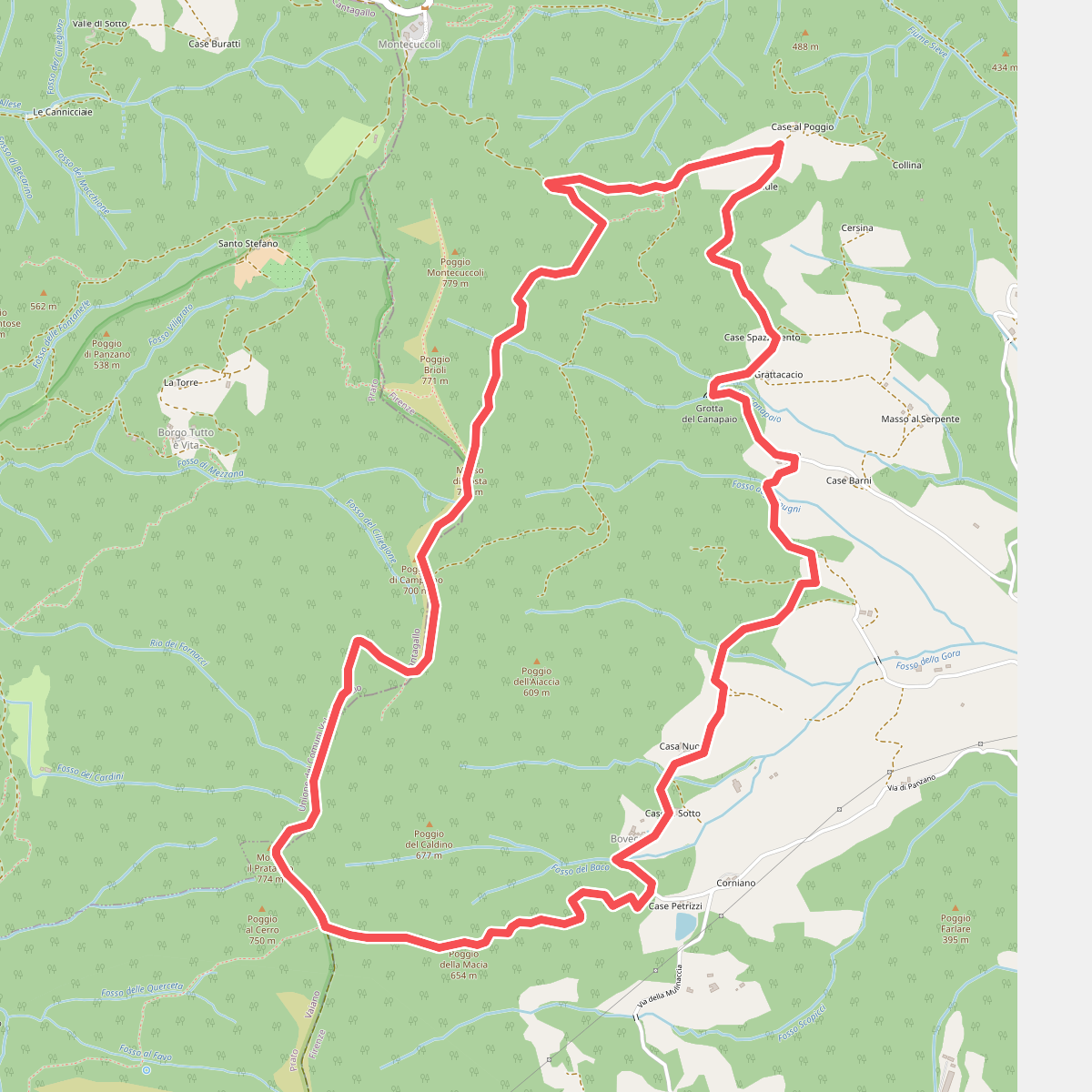
#7. Sorgenti di Firenze Trekking - Anello 9: Sul crinale della Calvana
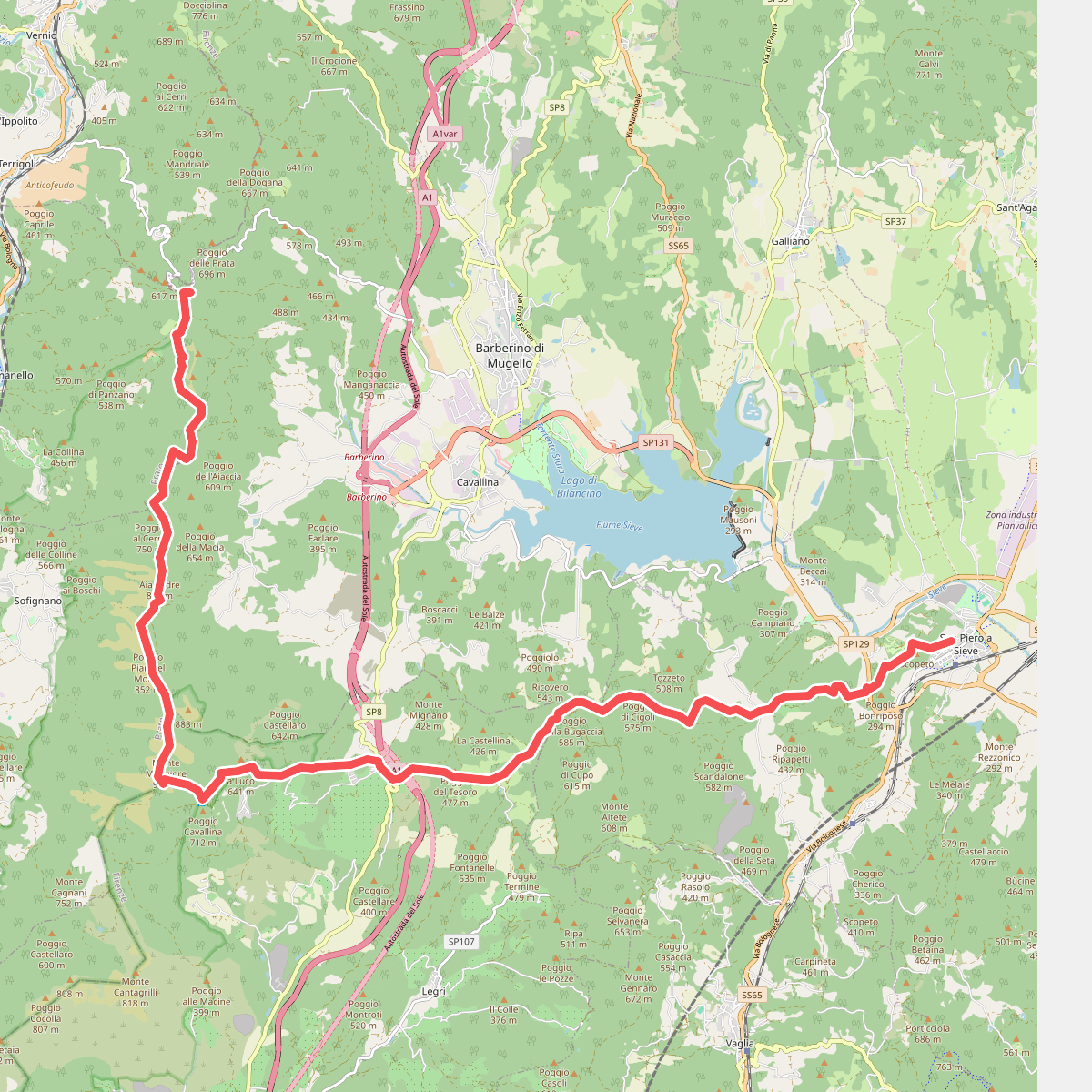
#8. Sorgenti di Firenze Trekking – Anello Principale: Tappa 9
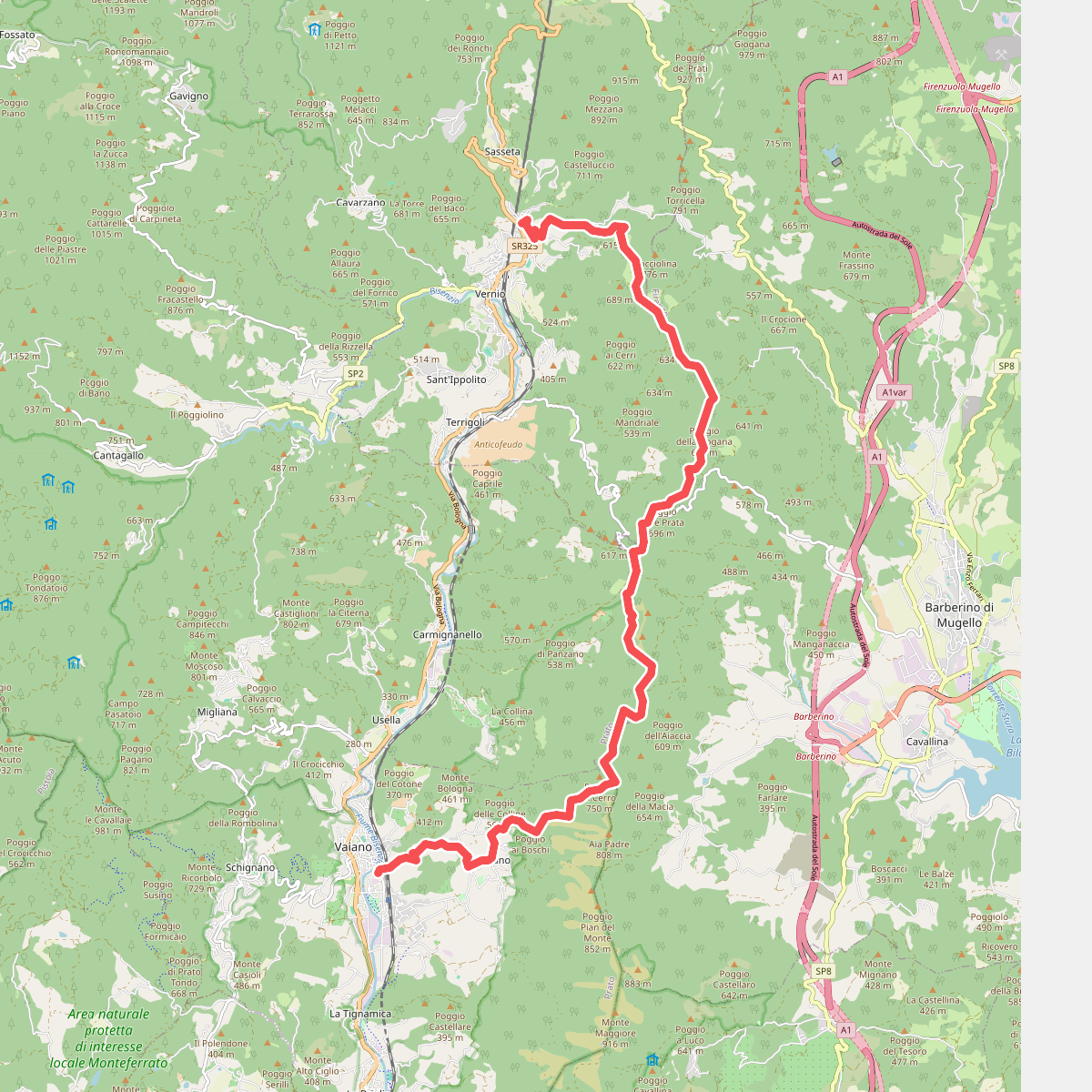
#9. Via della Lana e della Seta: Tappa 5