
The best hiking routes in Popradzki Park Krajobrazowy
Discover the best walks in Popradzki Park Krajobrazowy. 3 routes on the map, with descriptions, photos and GPX.
About Popradzki Park Krajobrazowy
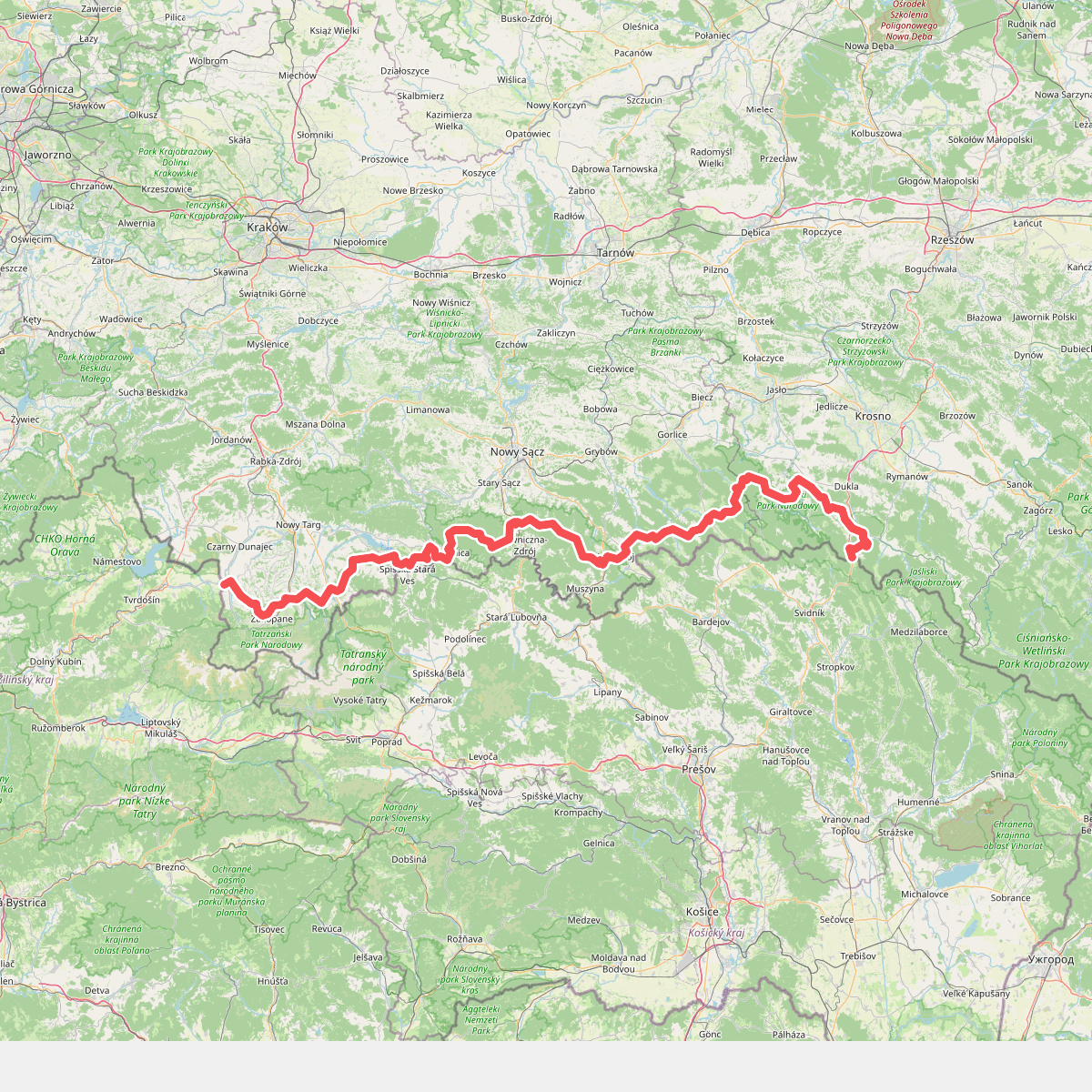
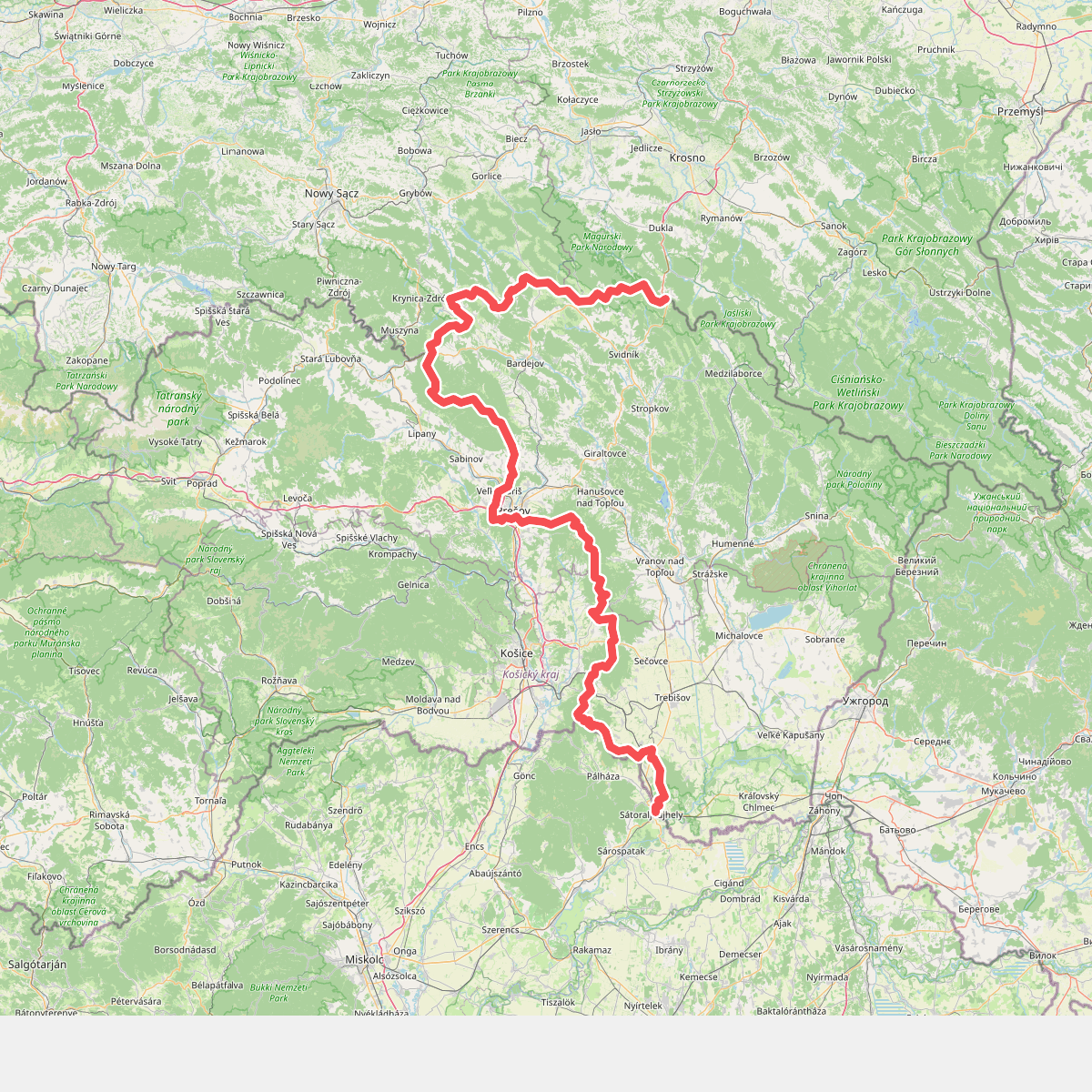
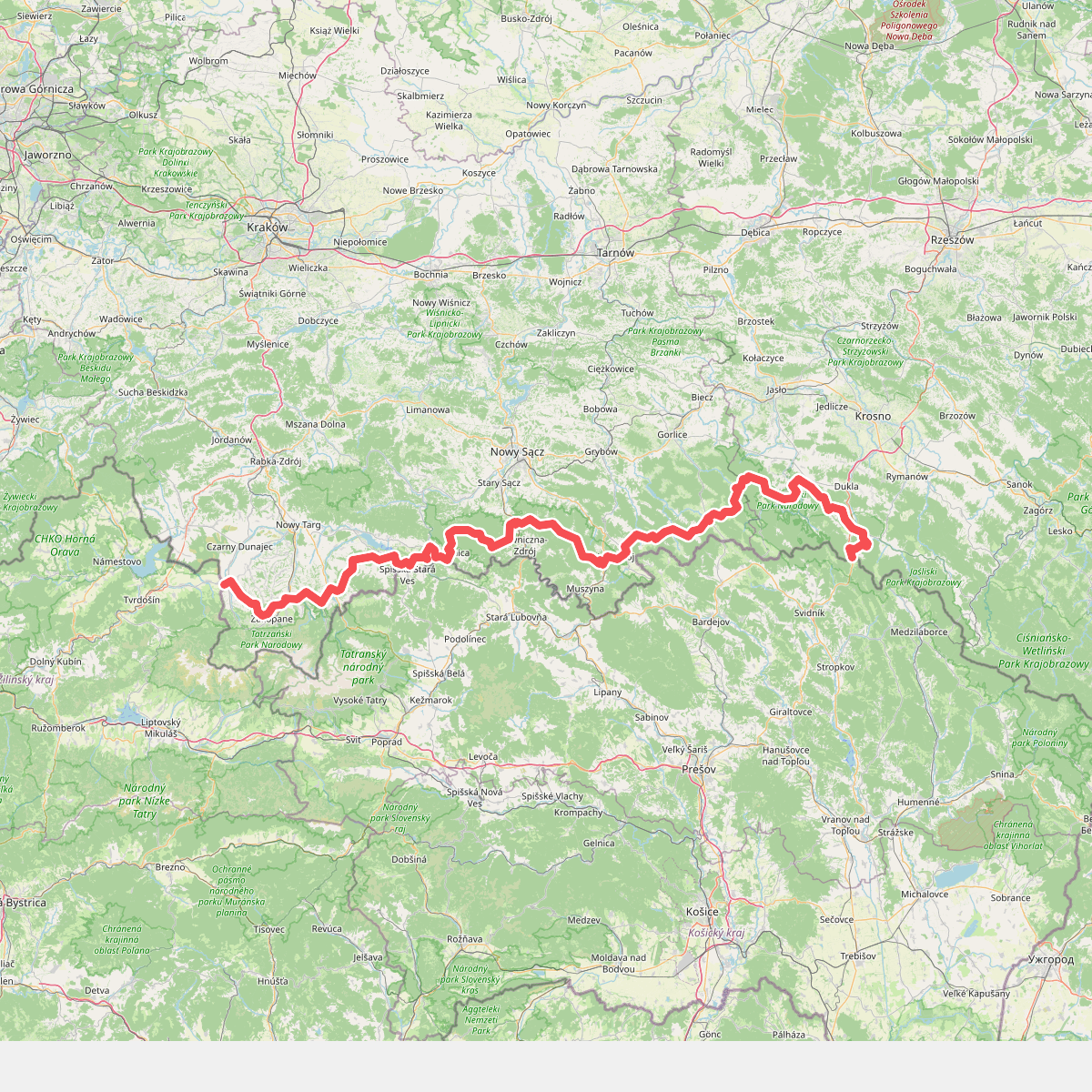
Popradzki Park Krajobrazowy offers a distinct mountain walking experience in the Beskid Sądecki range, characterized by rounded, forested ridges rather than jagged alpine peaks. The landscape is dominated by dense beech and fir forests, which open up at higher elevations into traditional mountain pastures known as polany. Walkers will notice a transition from the damp, shaded valley floors shaped by the Poprad river to drier, wind-exposed ridges where the soil is thin and rocky. Underfoot, the paths vary from soft forest loam and leaf litter to stony clay tracks that can become slippery after rain.
Read more
About Popradzki Park Krajobrazowy
Popradzki Park Krajobrazowy offers a distinct mountain walking experience in the Beskid Sądecki range, characterized by rounded, forested ridges rather than jagged alpine peaks. The landscape is dominated by dense beech and fir forests, which open up at higher elevations into traditional mountain pastures known as polany. Walkers will notice a transition from the damp, shaded valley floors shaped by the Poprad river to drier, wind-exposed ridges where the soil is thin and rocky. Underfoot, the paths vary from soft forest loam and leaf litter to stony clay tracks that can become slippery after rain.
Read morePopradzki Park Krajobrazowy offers a distinct mountain walking experience in the Beskid Sądecki range, characterized by rounded, forested ridges rather than jagged alpine peaks. The landscape is dominated by dense beech and fir forests, which open up at higher elevations into traditional mountain pastures known as polany. Walkers will notice a transition from the damp, shaded valley floors shaped by the Poprad river to drier, wind-exposed ridges where the soil is thin and rocky. Underfoot, the paths vary from soft forest loam and leaf litter to stony clay tracks that can become slippery after rain.
Water is a defining feature of this park, visible not only in the main river valley but also in the numerous mineral springs that seep directly from the sandstone bedrock along the trailside. These springs often stain the surrounding stones with rust-colored iron deposits, providing a clear visual cue of the area's geological activity. The terrain is generally steep but consistent, requiring steady climbing rather than technical scrambling.
While the main trailheads near spa towns like Krynica-Zdr3j and Szczawnica attract more foot traffic, the interior forest paths remain quiet. In October, the beech canopy turns a deep copper, making this the most distinctive time to observe the forest structure. Walkers should expect long, continuous ascents through deep woodland, with views limited to specific clearings rather than wide, open horizons.