
The best hiking routes in Plinkšių kraštovaizdžio draustinis
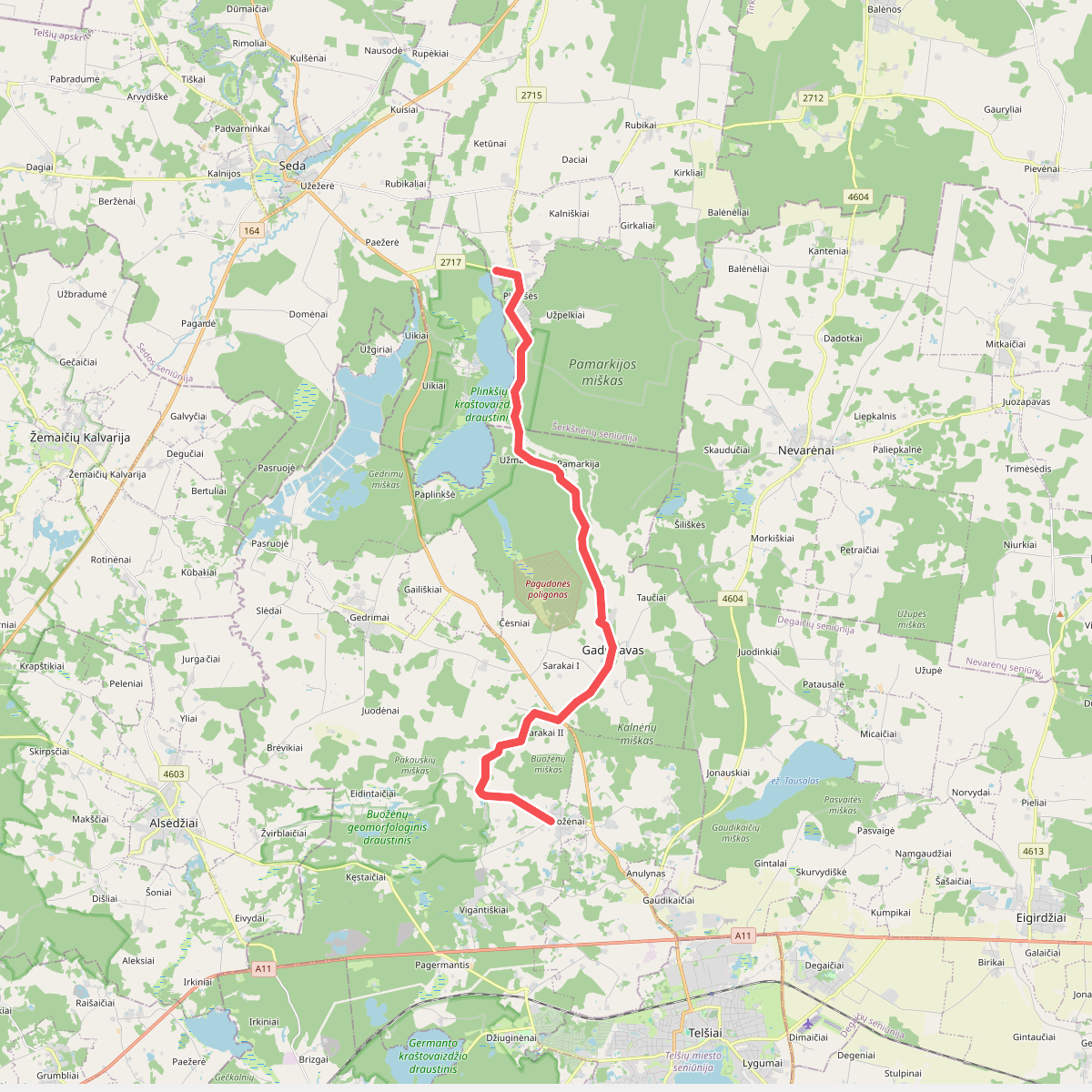
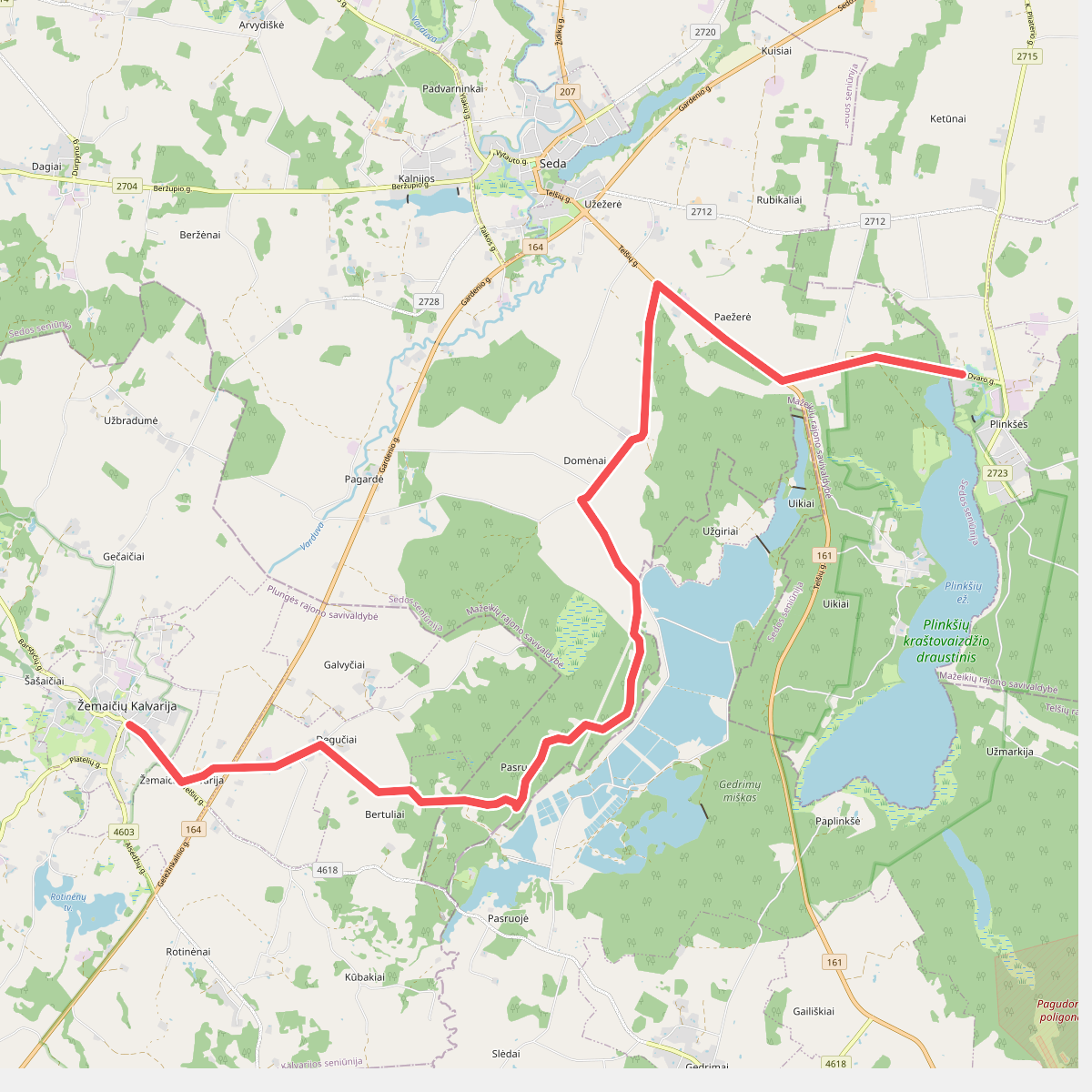
Discover the best walks in Plinkšių kraštovaizdžio draustinis. 2 routes on the map, with descriptions, photos and GPX.
About Plinkšių kraštovaizdžio draustinis
Plinkšių kraštovaizdųio draustinis protects a dense, humid forest landscape centered around the large Plinkšės Lake. Unlike the open, sandy pine forests found in other parts of Lithuania, this reserve is characterized by heavy, clay-rich soils that support mature deciduous woodlands, particularly old-growth oak and ash stands. The terrain is gently undulating, shaped by glacial activity that left behind a network of small, marshy depressions and wet hollows between the low ridges.
Read more
About Plinkšių kraštovaizdžio draustinis
Plinkšių kraštovaizdųio draustinis protects a dense, humid forest landscape centered around the large Plinkšės Lake. Unlike the open, sandy pine forests found in other parts of Lithuania, this reserve is characterized by heavy, clay-rich soils that support mature deciduous woodlands, particularly old-growth oak and ash stands. The terrain is gently undulating, shaped by glacial activity that left behind a network of small, marshy depressions and wet hollows between the low ridges.
Read morePlinkšių kraštovaizdųio draustinis protects a dense, humid forest landscape centered around the large Plinkšės Lake. Unlike the open, sandy pine forests found in other parts of Lithuania, this reserve is characterized by heavy, clay-rich soils that support mature deciduous woodlands, particularly old-growth oak and ash stands. The terrain is gently undulating, shaped by glacial activity that left behind a network of small, marshy depressions and wet hollows between the low ridges.
Walkers will find a distinct contrast underfoot depending on their proximity to the water. The lakeside paths and low-lying forest tracks often cross damp, peat-heavy ground where wooden boardwalks are absent, requiring sturdy footwear to navigate the natural forest floor. Further inland, the paths rise slightly onto firmer ground, winding through thick undergrowth and stands of hazel where the canopy keeps the forest interior shaded and cool even in midsummer.
This reserve is not a place for wide, sweeping views or manicured trails. Instead, it offers an intimate look at a regenerating natural woodland where fallen timber is left to decay, creating a rich habitat for mosses and fungi. It is a quiet, working conservation area where the focus remains on the dense forest structure and the quiet shoreline of Plinkšės Lake rather than developed tourist infrastructure.