
The best hiking routes in Paraje Natural de Sierra Alhamilla
Discover the best walks in Paraje Natural de Sierra Alhamilla. 7 routes on the map, with descriptions, photos and GPX.
About Paraje Natural de Sierra Alhamilla
Paraje Natural de Sierra Alhamilla rises as a stark, semi-arid mountain range above the Almerían desert landscape. Unlike the nearby coastal dunes or the high, pine-clad peaks of neighboring ranges, this area is characterized by a dramatic contrast between its bare, sun-baked southern slopes and the surprising holm oak woodlands that cling to the higher, north-facing ridges. The terrain is defined by deep, dry ravines and sharp ridges of mica schist and limestone.
Read more
About Paraje Natural de Sierra Alhamilla
Paraje Natural de Sierra Alhamilla rises as a stark, semi-arid mountain range above the Almerían desert landscape. Unlike the nearby coastal dunes or the high, pine-clad peaks of neighboring ranges, this area is characterized by a dramatic contrast between its bare, sun-baked southern slopes and the surprising holm oak woodlands that cling to the higher, north-facing ridges. The terrain is defined by deep, dry ravines and sharp ridges of mica schist and limestone.
Read moreParaje Natural de Sierra Alhamilla rises as a stark, semi-arid mountain range above the Almerían desert landscape. Unlike the nearby coastal dunes or the high, pine-clad peaks of neighboring ranges, this area is characterized by a dramatic contrast between its bare, sun-baked southern slopes and the surprising holm oak woodlands that cling to the higher, north-facing ridges. The terrain is defined by deep, dry ravines and sharp ridges of mica schist and limestone.
Underfoot, walkers will mostly encounter rough, stony tracks, loose gravel, and steep, dusty paths that require careful footwork. There are no manicured boardwalks or gentle grassy trails here. The vegetation on the lower slopes consists of tough, drought-resistant scrub like esparto grass and gorse, which gradually gives way to wild olive trees and small oak groves as you climb higher.
Water is scarce, but the presence of thermal springs near the base of the range has created small, lush oases that stand out sharply against the otherwise barren, grey-brown rock. Walking here in January or February offers a chance to see the almond trees in bloom on the lower terraces, providing a brief contrast to the otherwise harsh, scrubby mountain landscape.
Hiking routes in Paraje Natural de Sierra Alhamilla (7)
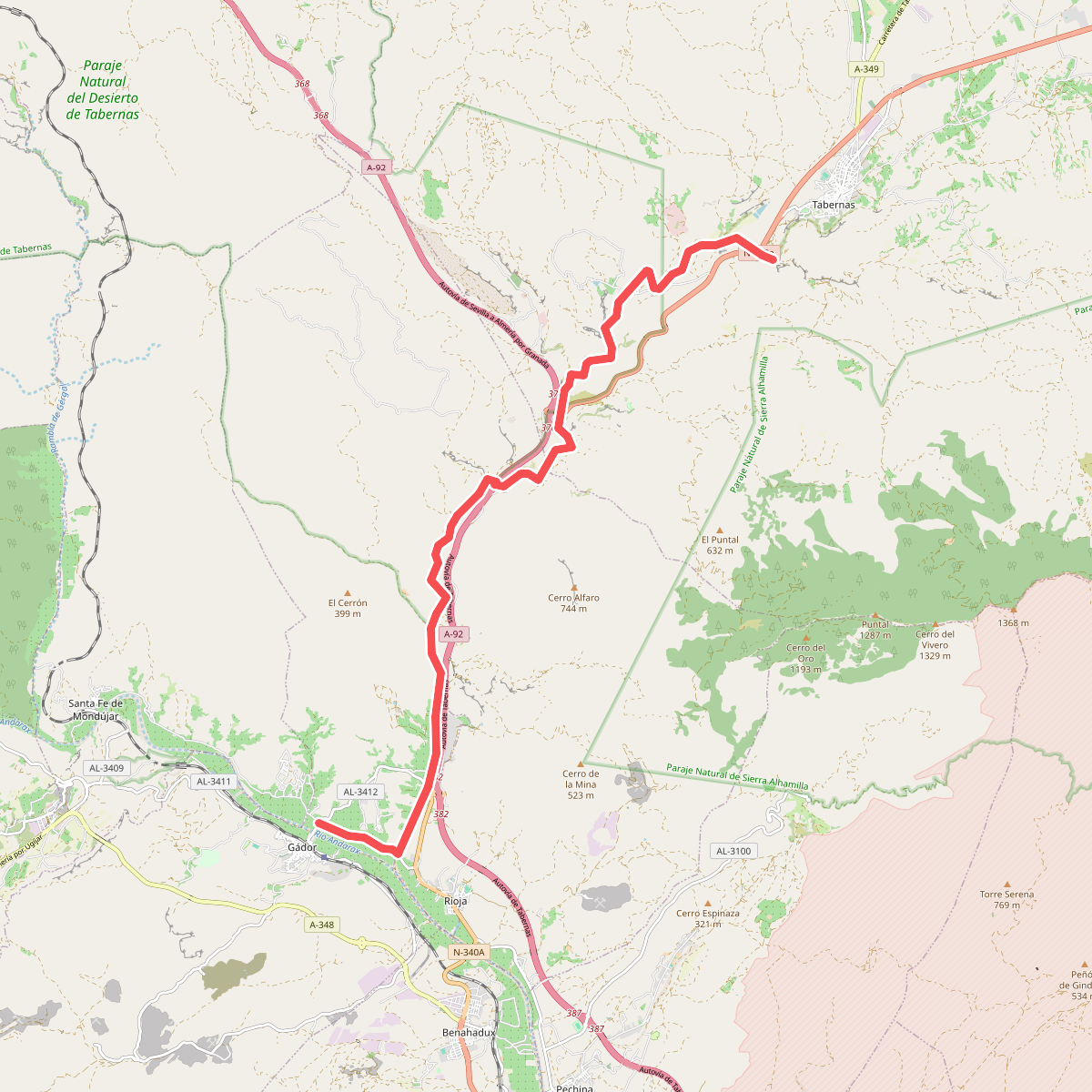
#1. GR-140 Puerto de la Ragua - Cabo de Gata · GR 140
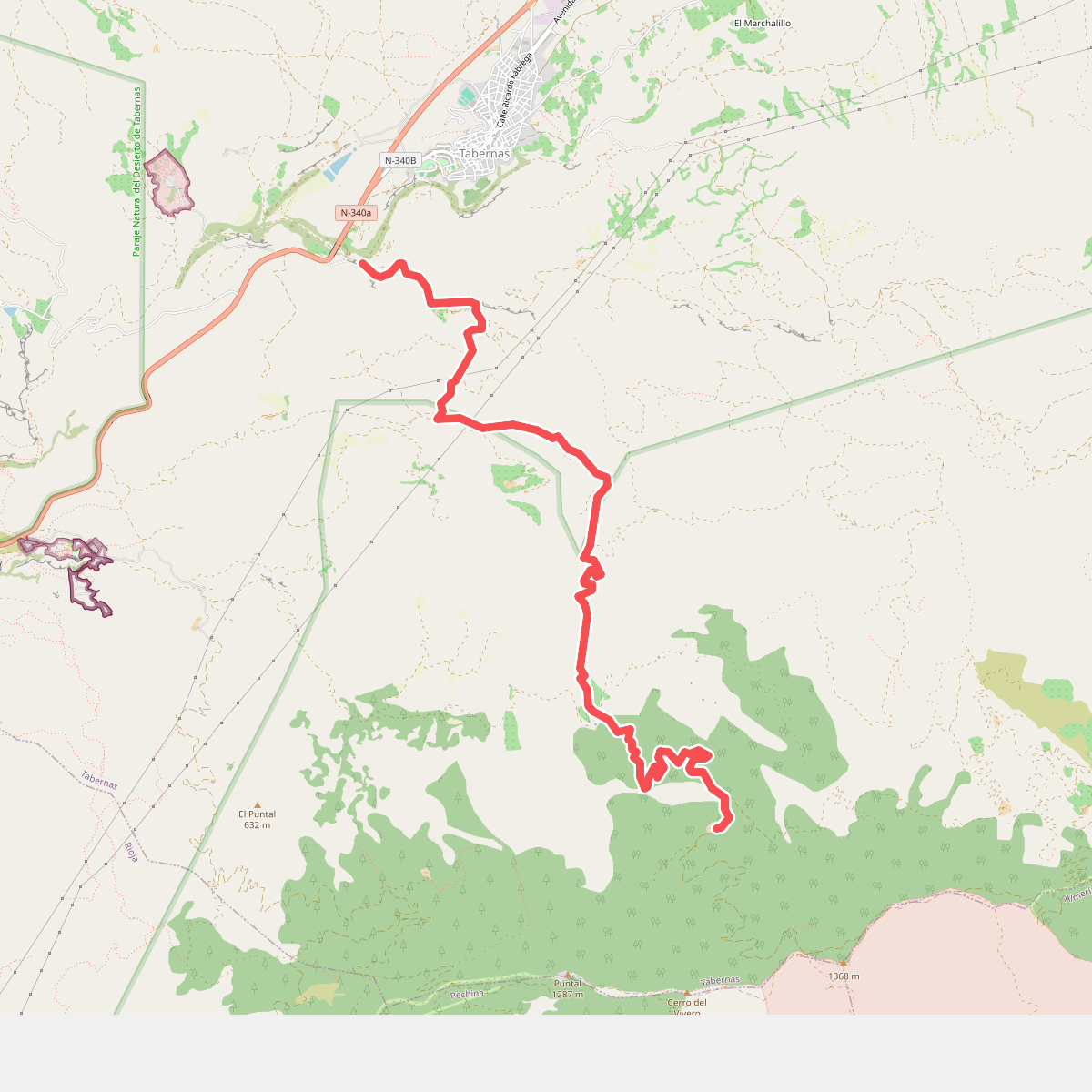
#2. GR-140 Puerto de la Ragua - Cabo de Gata · GR 140
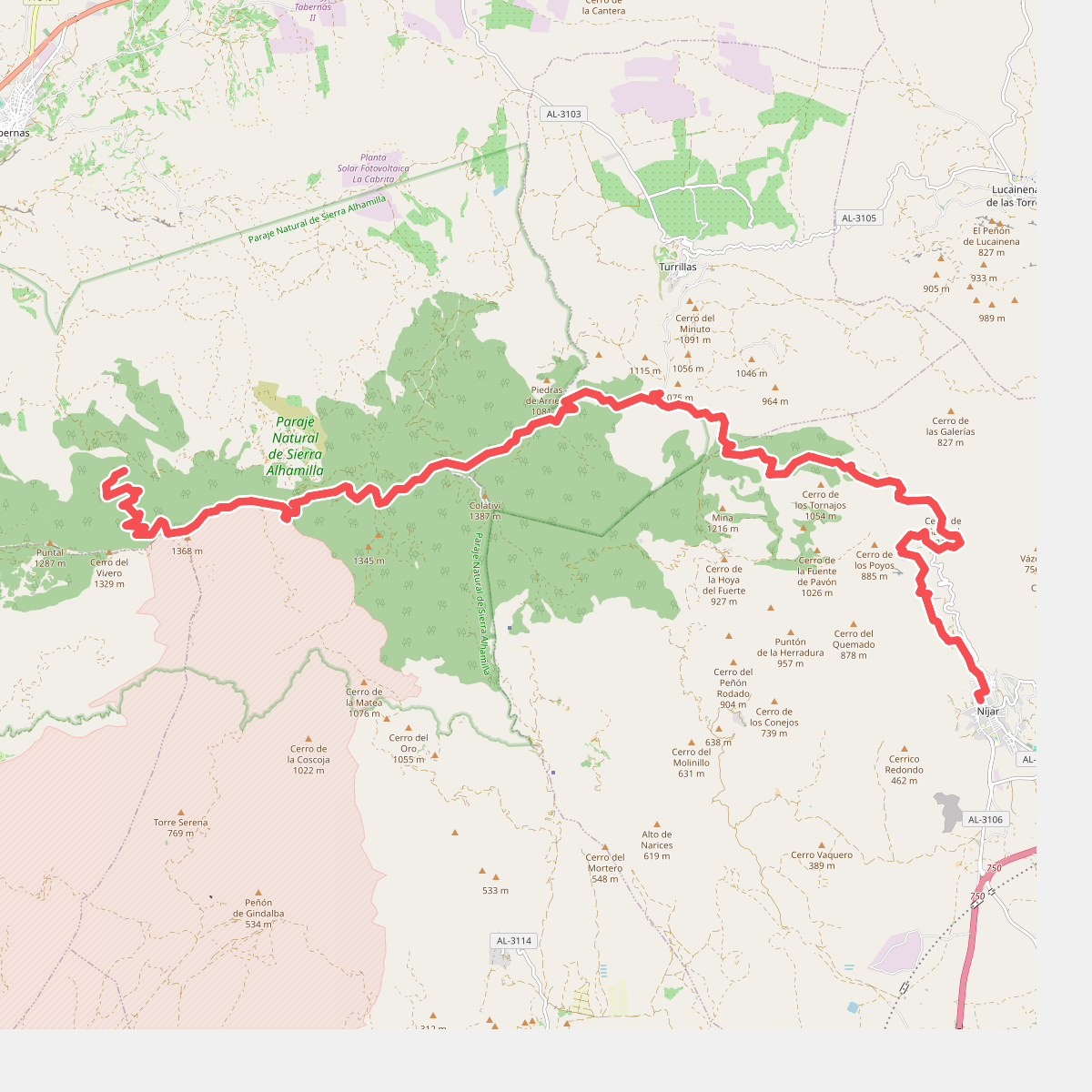
#3. GR-140 Puerto de la Ragua - Cabo de Gata · GR 140
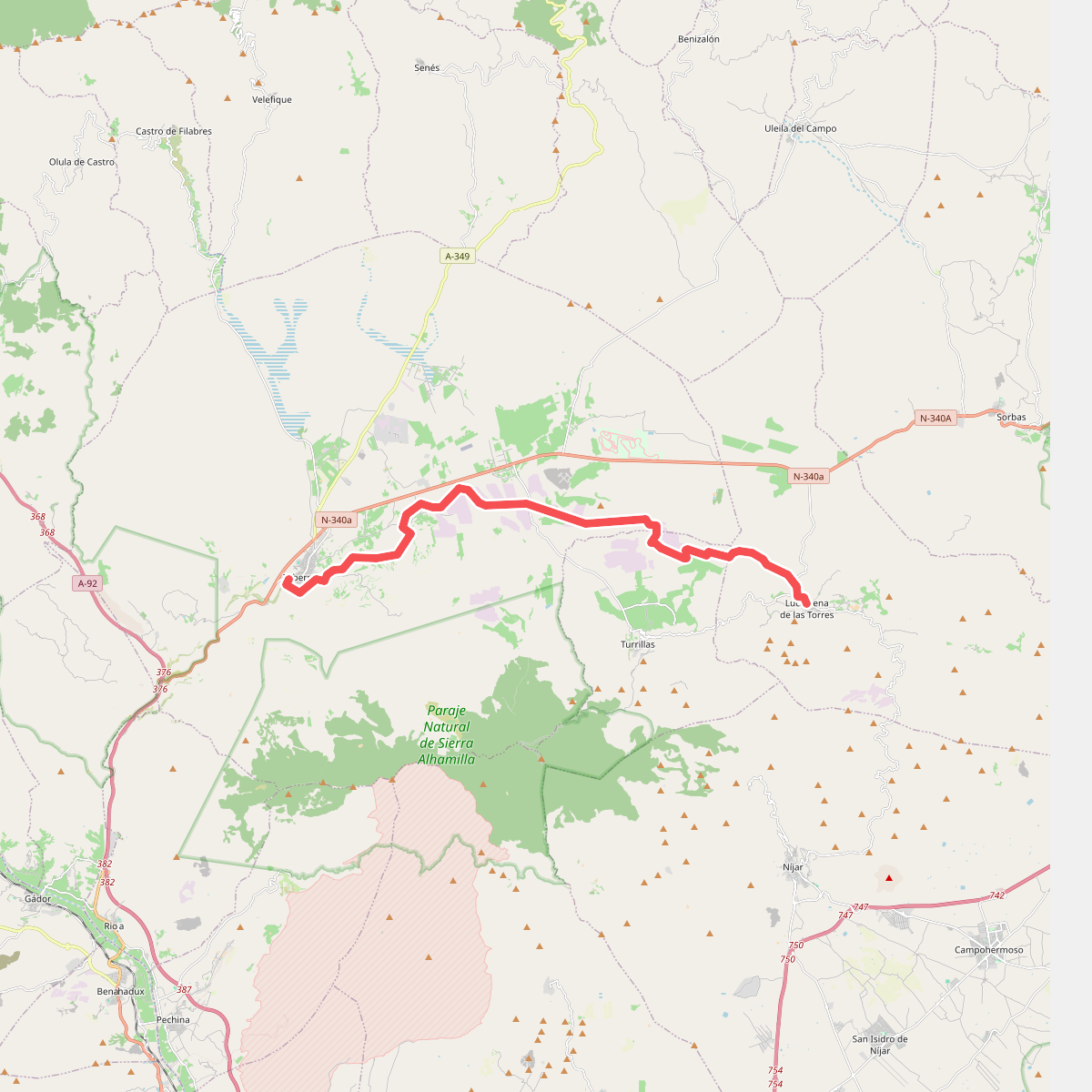
#4. GR 244 Senderos de los pueblos del interior · GR 244
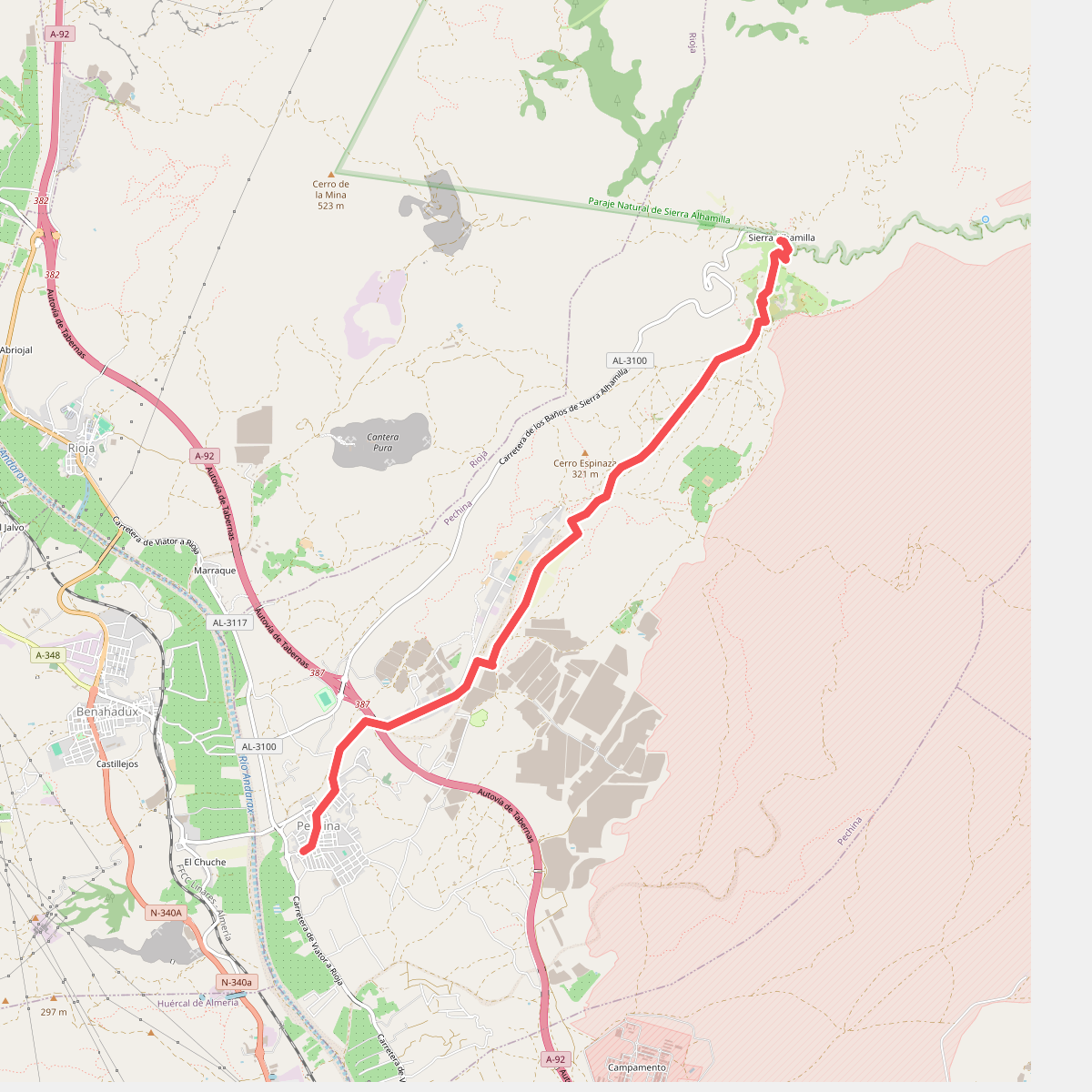
#5. Los Baños
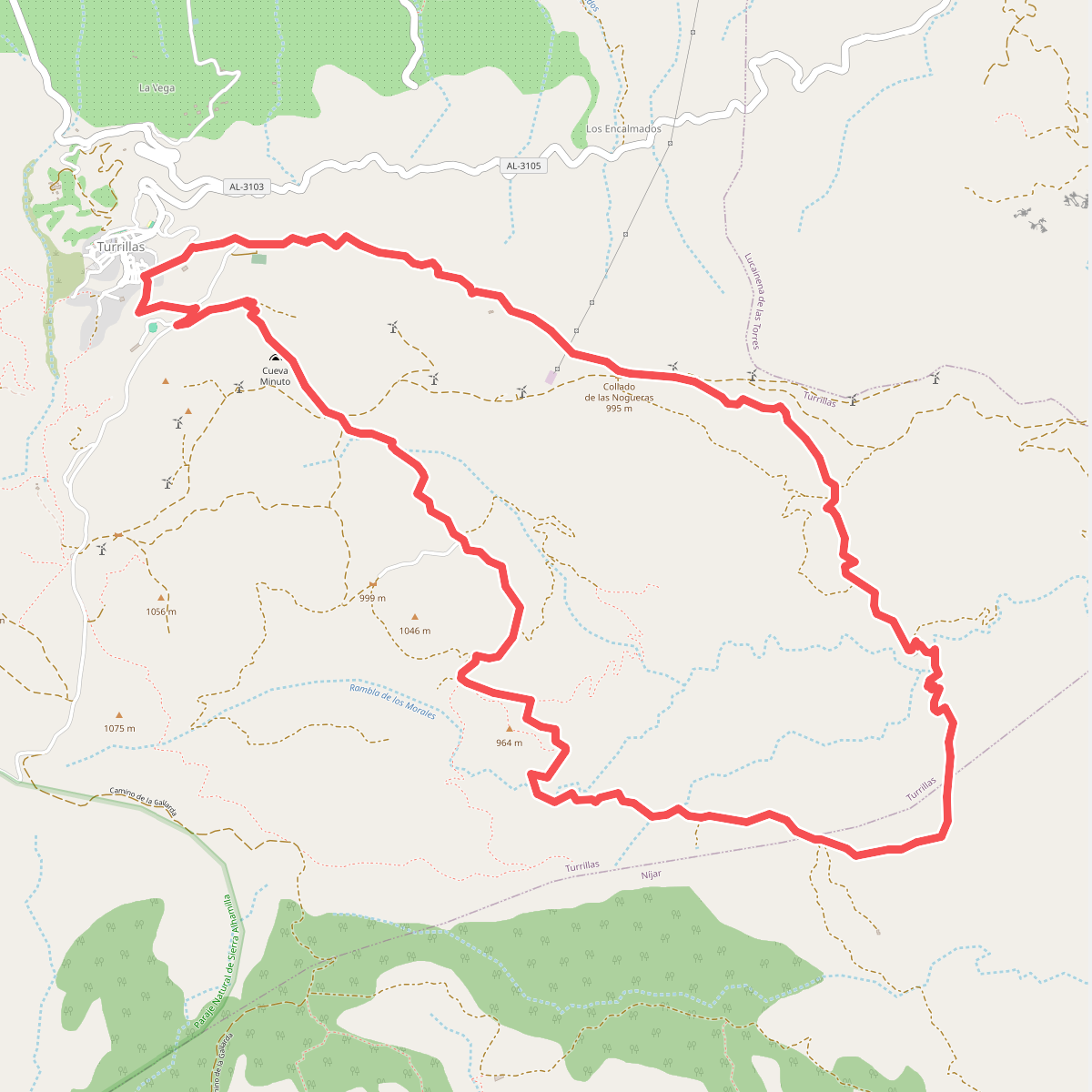
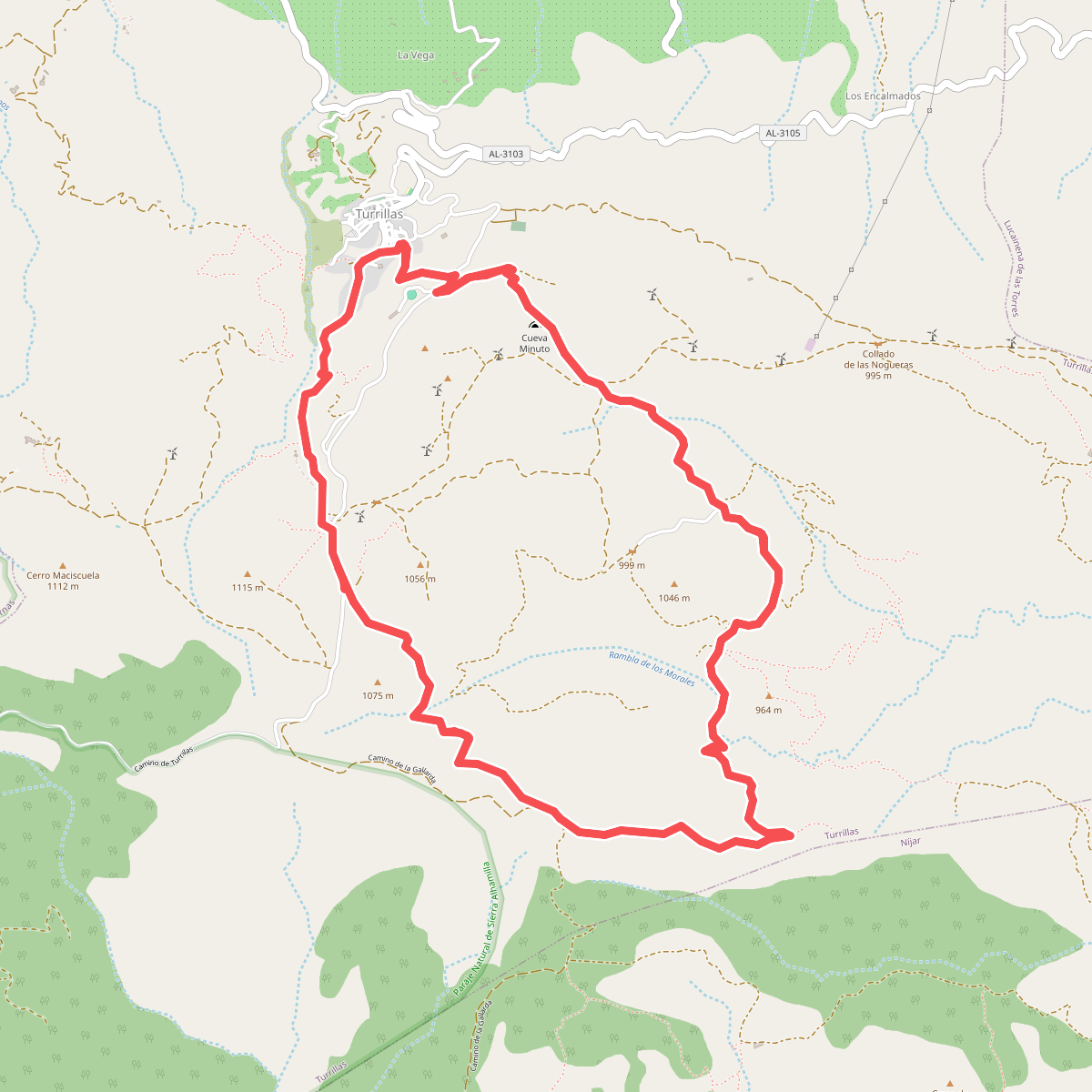
#6. Turrillas - Las Cucas