
The best hiking routes in Paisaje Protegido de los Pinares de Rodeno
Discover the best walks in Paisaje Protegido de los Pinares de Rodeno. 5 routes on the map, with descriptions, photos and GPX.
About Paisaje Protegido de los Pinares de Rodeno
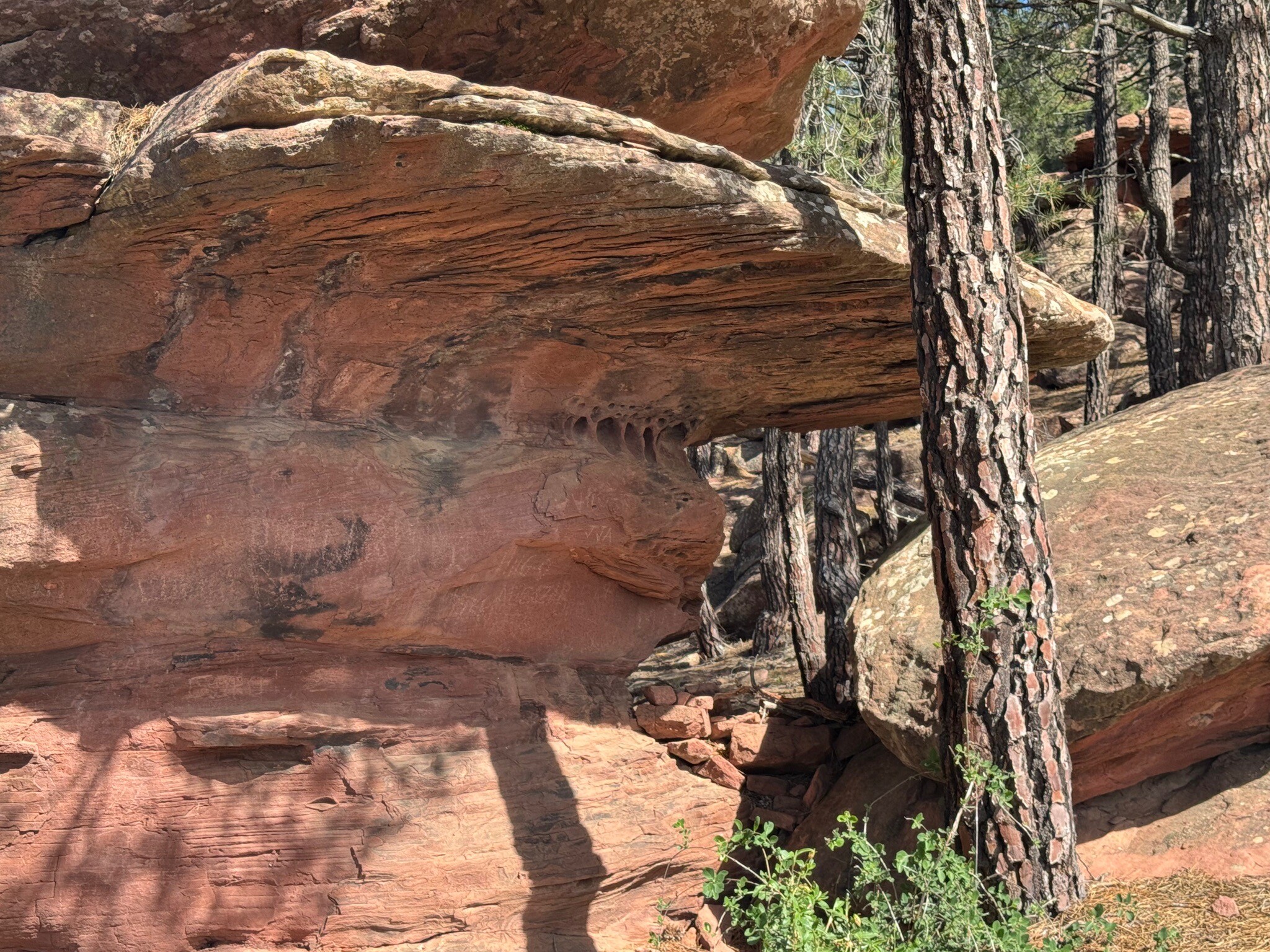
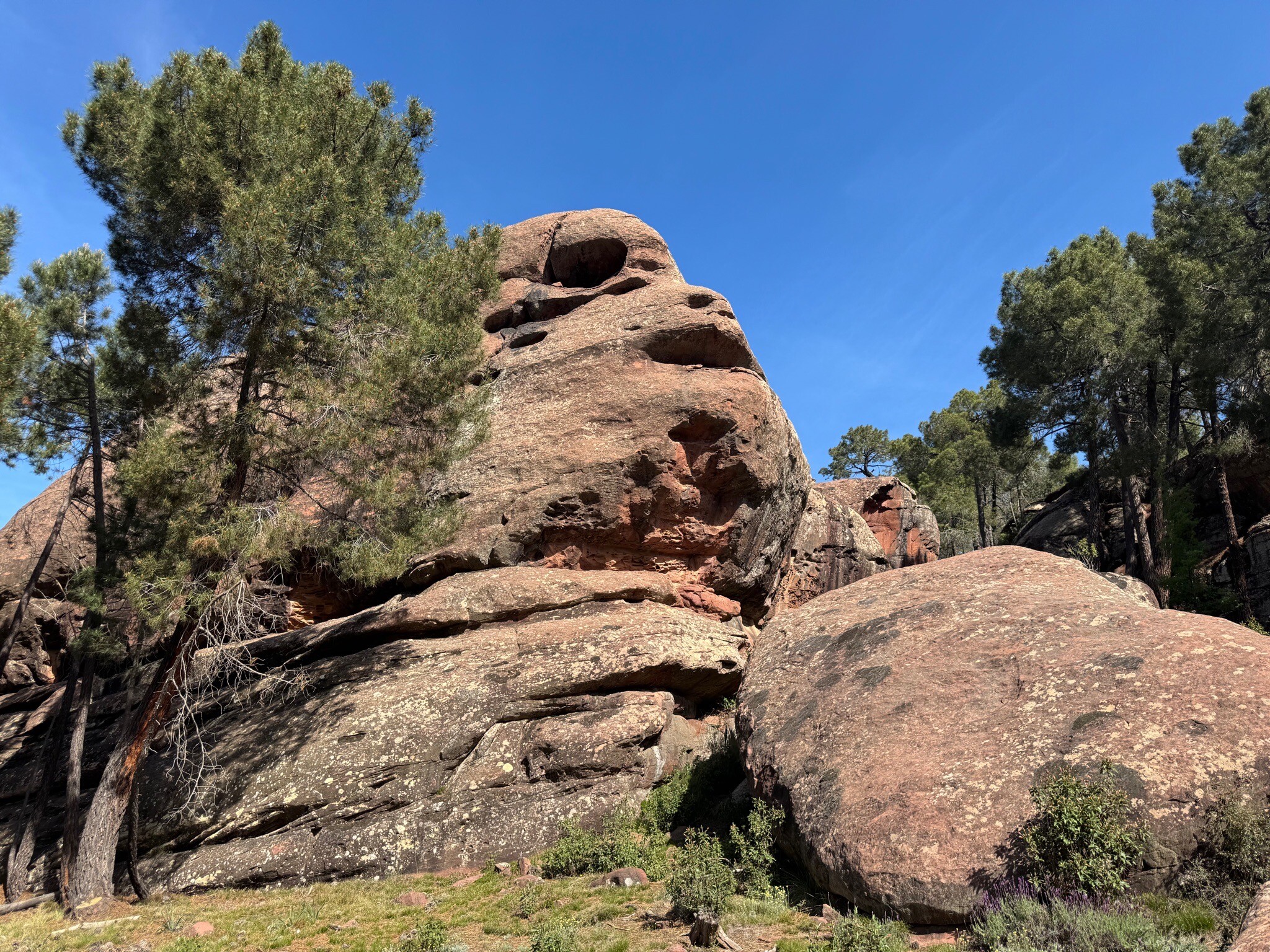
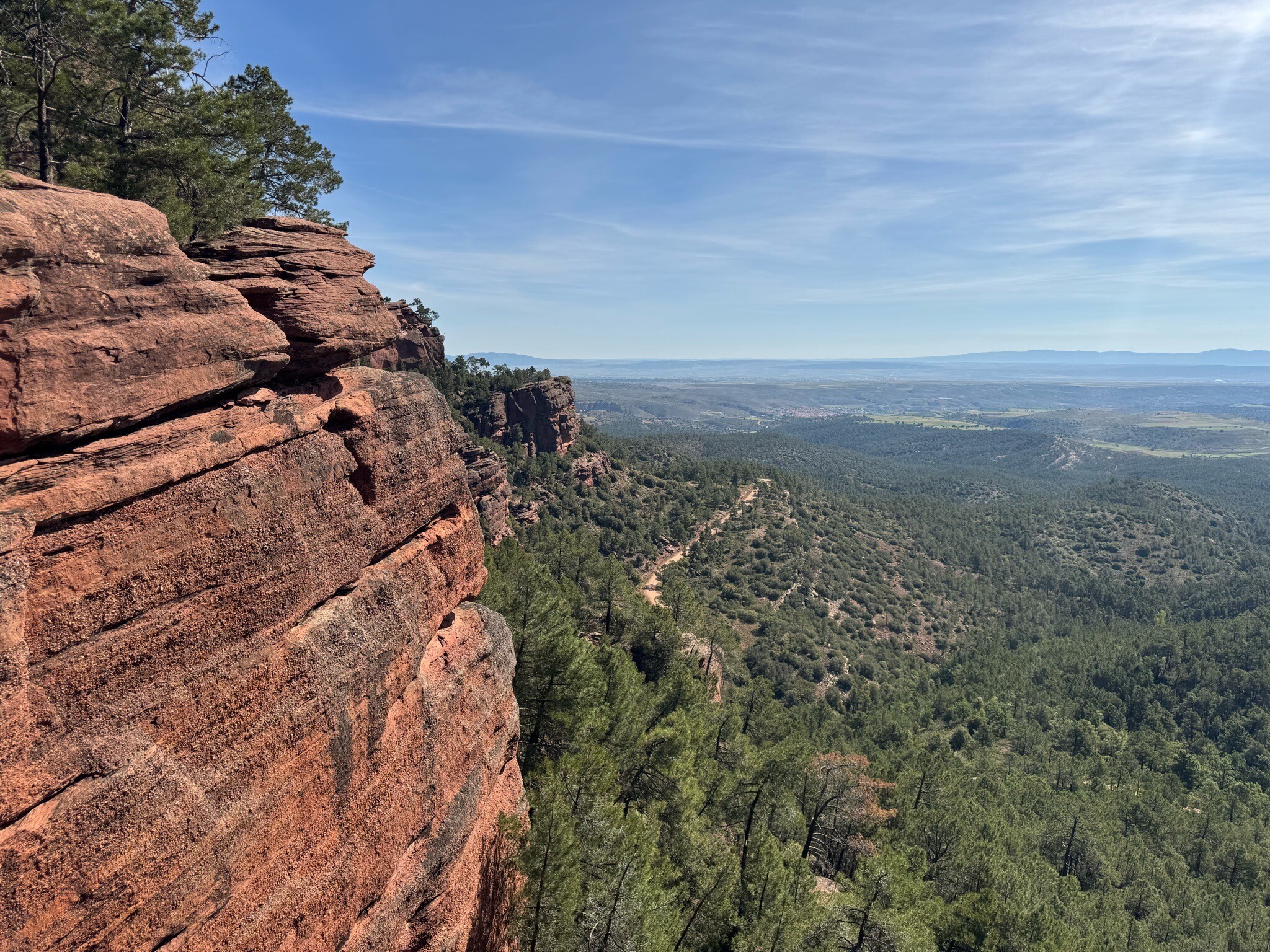
The Paisaje Protegido de los Pinares de Rodeno is defined by its striking contrast of deep red sandstone formations and dense green maritime pine forests. Unlike the limestone ranges common in this part of Aragon, the ground here is dominated by coarse red sand and weathered stone blocks. Walkers will find themselves navigating a maze of massive, wind-carved boulders and narrow ravines, where the soil underfoot is dry and acidic, supporting mainly rock-dwelling plants and hardy pines.
Read more
About Paisaje Protegido de los Pinares de Rodeno
The Paisaje Protegido de los Pinares de Rodeno is defined by its striking contrast of deep red sandstone formations and dense green maritime pine forests. Unlike the limestone ranges common in this part of Aragon, the ground here is dominated by coarse red sand and weathered stone blocks. Walkers will find themselves navigating a maze of massive, wind-carved boulders and narrow ravines, where the soil underfoot is dry and acidic, supporting mainly rock-dwelling plants and hardy pines.
Read moreThe Paisaje Protegido de los Pinares de Rodeno is defined by its striking contrast of deep red sandstone formations and dense green maritime pine forests. Unlike the limestone ranges common in this part of Aragon, the ground here is dominated by coarse red sand and weathered stone blocks. Walkers will find themselves navigating a maze of massive, wind-carved boulders and narrow ravines, where the soil underfoot is dry and acidic, supporting mainly rock-dwelling plants and hardy pines.
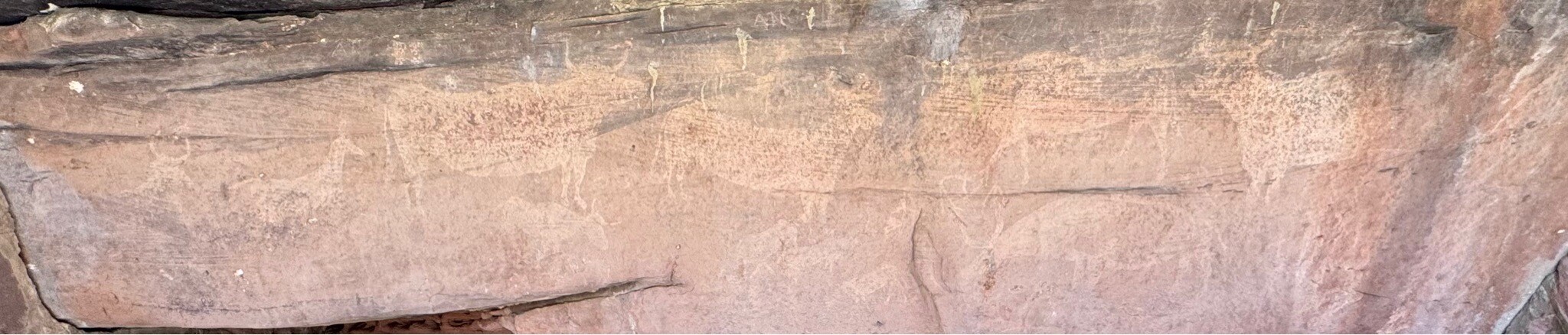
Underfoot, the paths alternate between soft, sandy tracks and uneven, rocky slabs. The terrain does not feature high alpine peaks or deep river canyons, but rather a rugged, undulating plateau where the elevation changes are short and frequent. Navigating the area requires careful stepping over exposed tree roots and sandstone steps rather than climbing steep mountain passes. The red rock faces also preserve ancient post-palaeolithic rock art, which you can spot directly from the marked trails.
In late autumn, particularly around November, the deciduous oaks scattered among the pines turn a deep orange, contrasting sharply with the permanent green canopy and the red stone. The main access points and the areas near the prehistoric cave paintings tend to attract more visitors, while the deeper forest tracks remain much quieter. Walkers should expect a dry, forested environment where the interest lies in the close-up geology and the labyrinthine rock formations rather than wide, open mountain vistas.
Hiking routes in Paisaje Protegido de los Pinares de Rodeno (5)
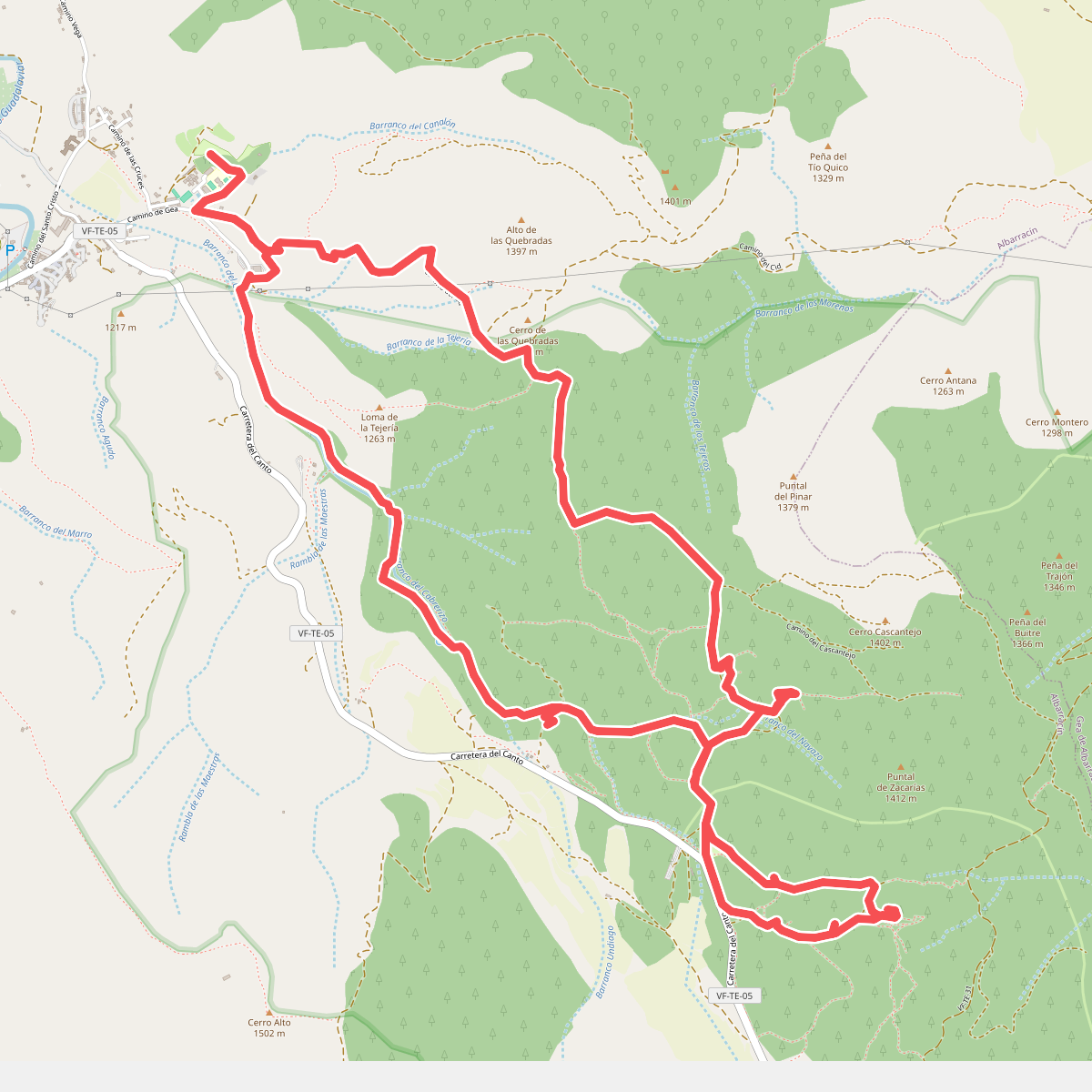
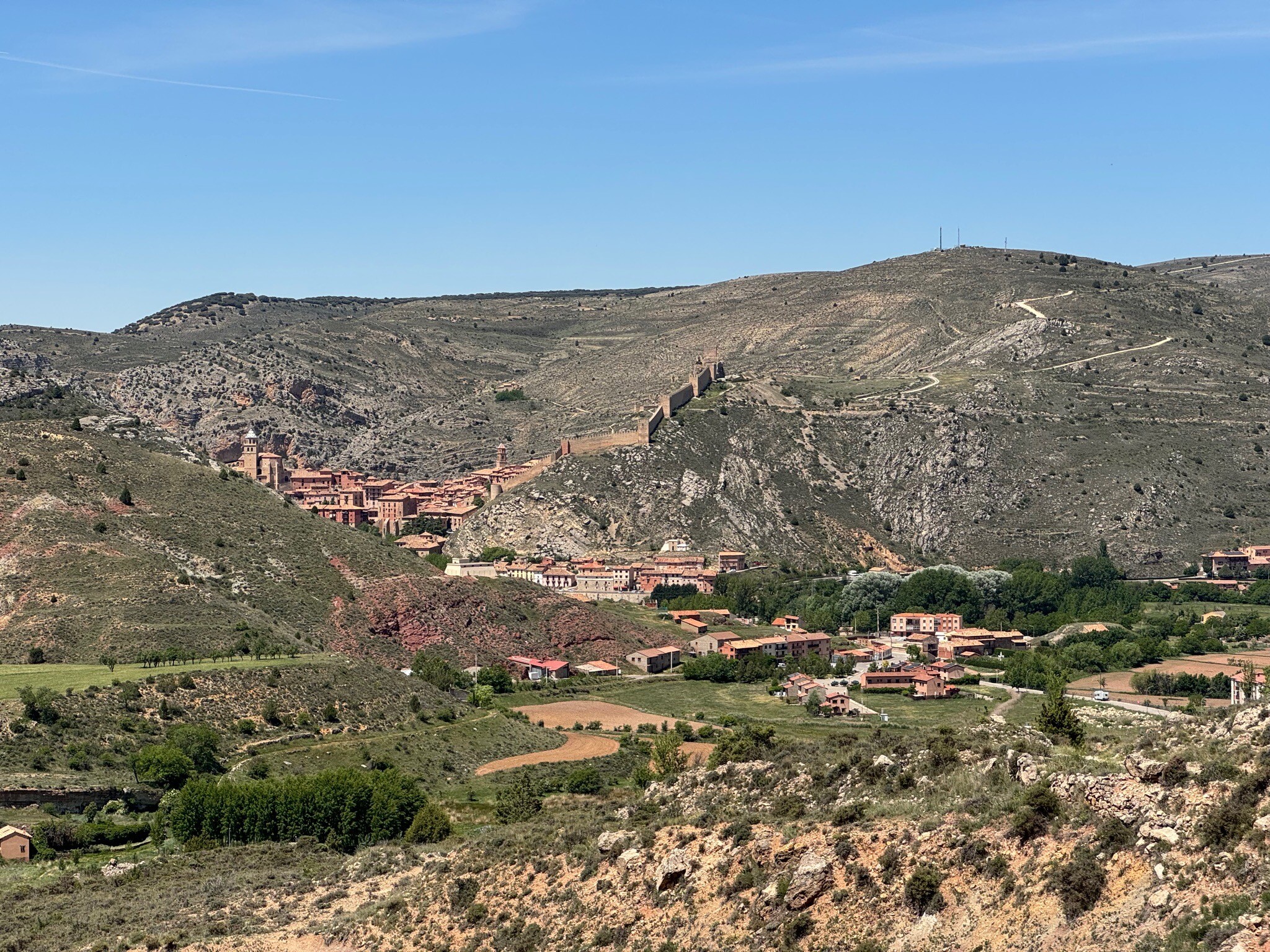
#1. Albarracin rondwandeling naar de rotstekeningen
Albarracín
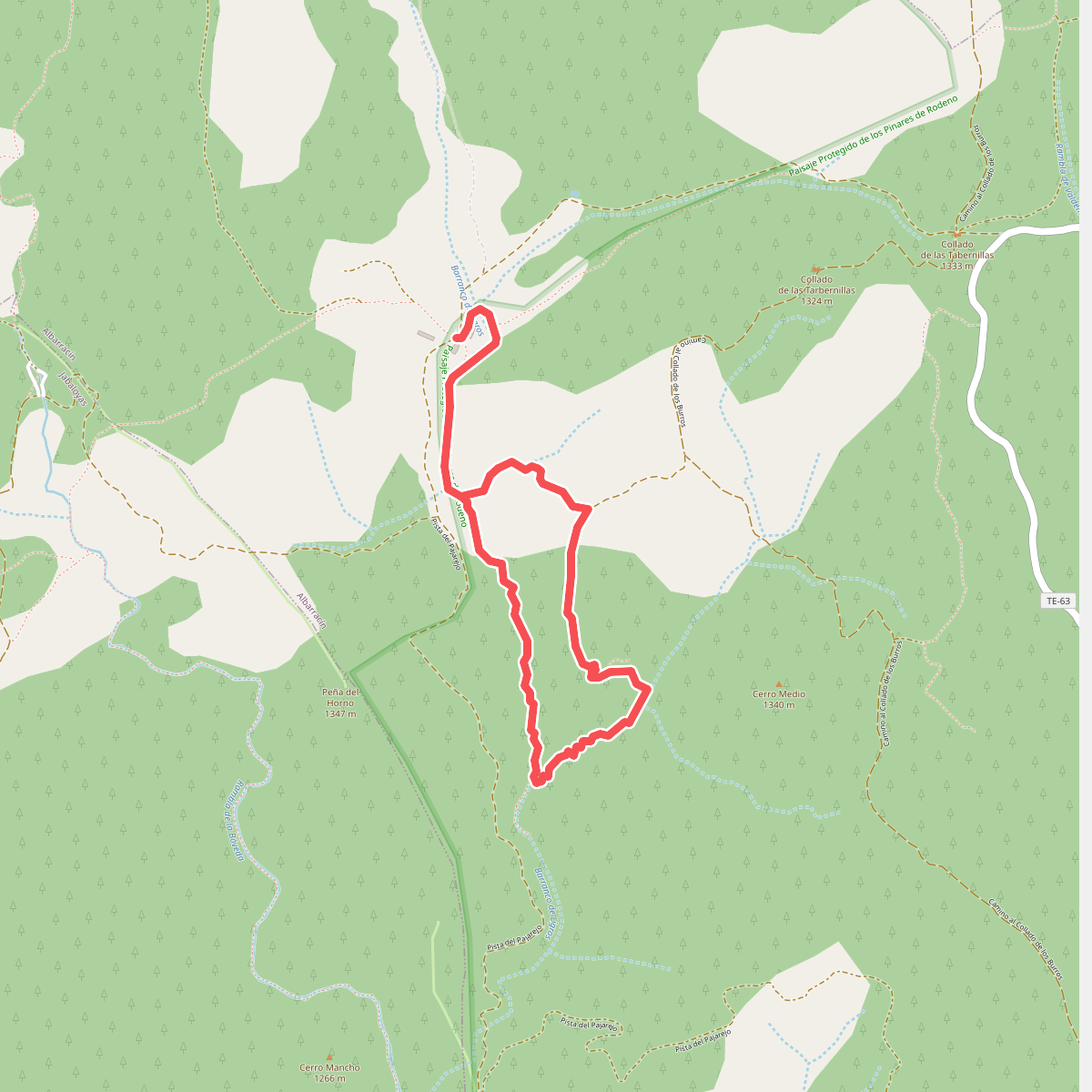
#2. Casa Forestal de Ligros - Campamento de los Maquis
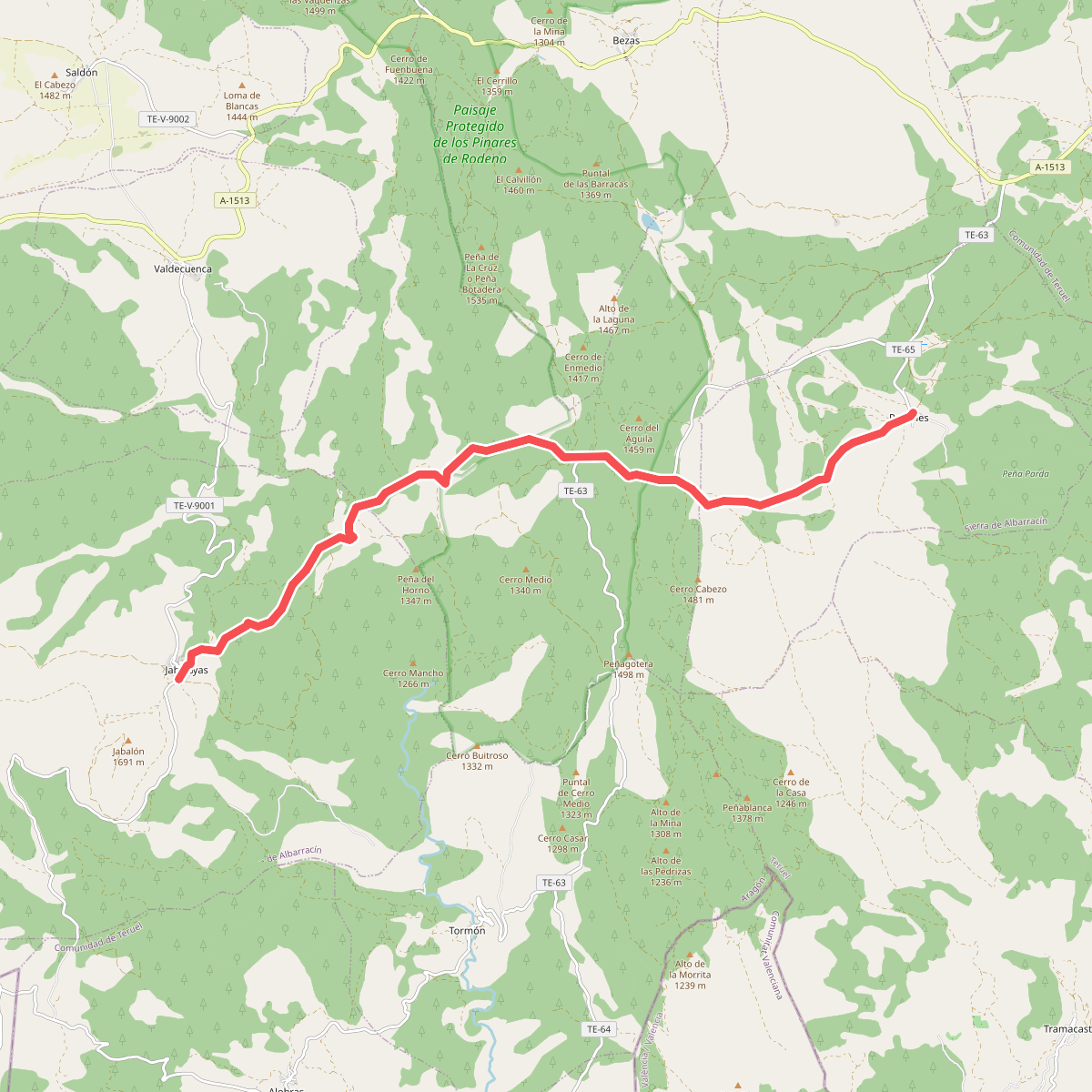
#3. Etapa 1: Rubiales - Jabaloyas
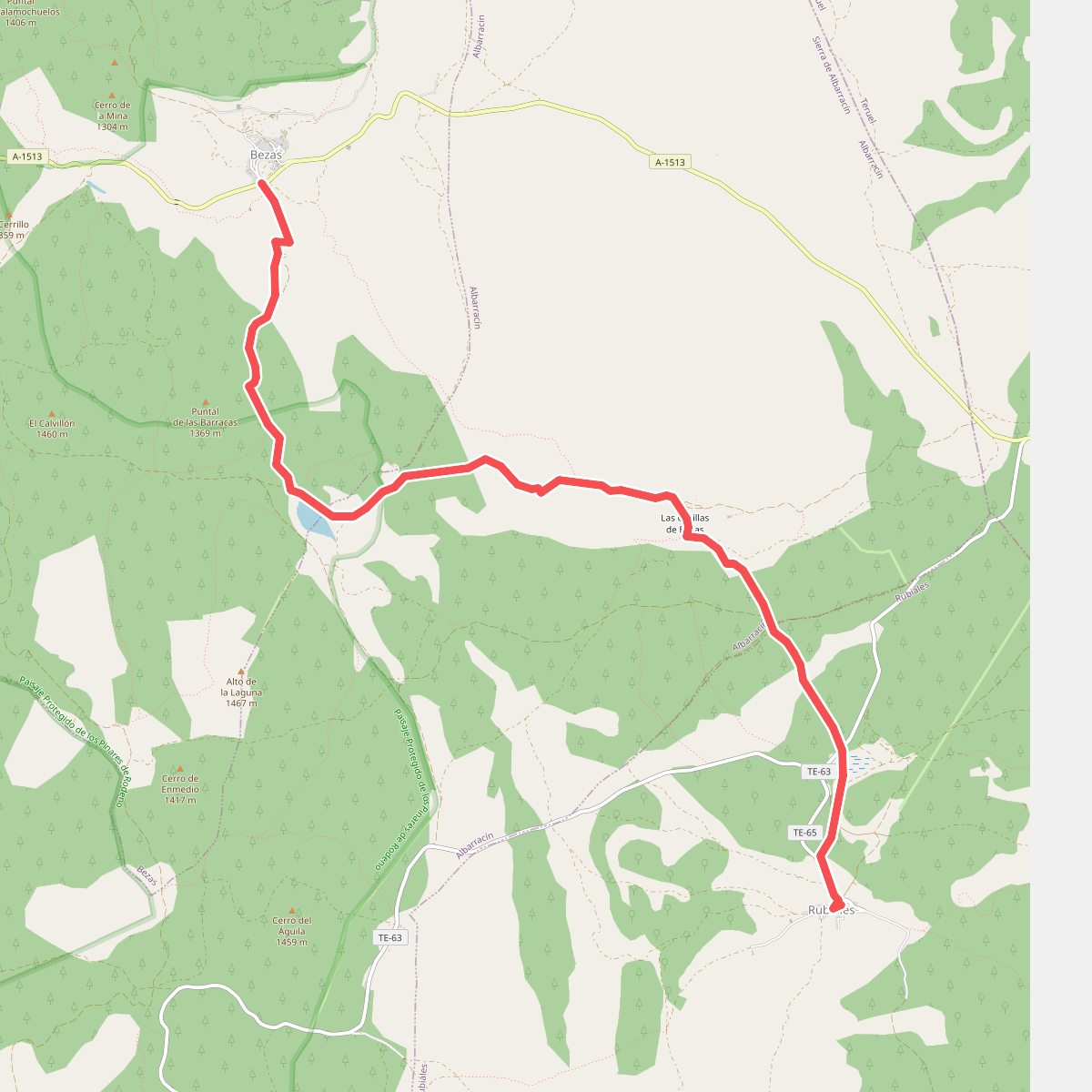
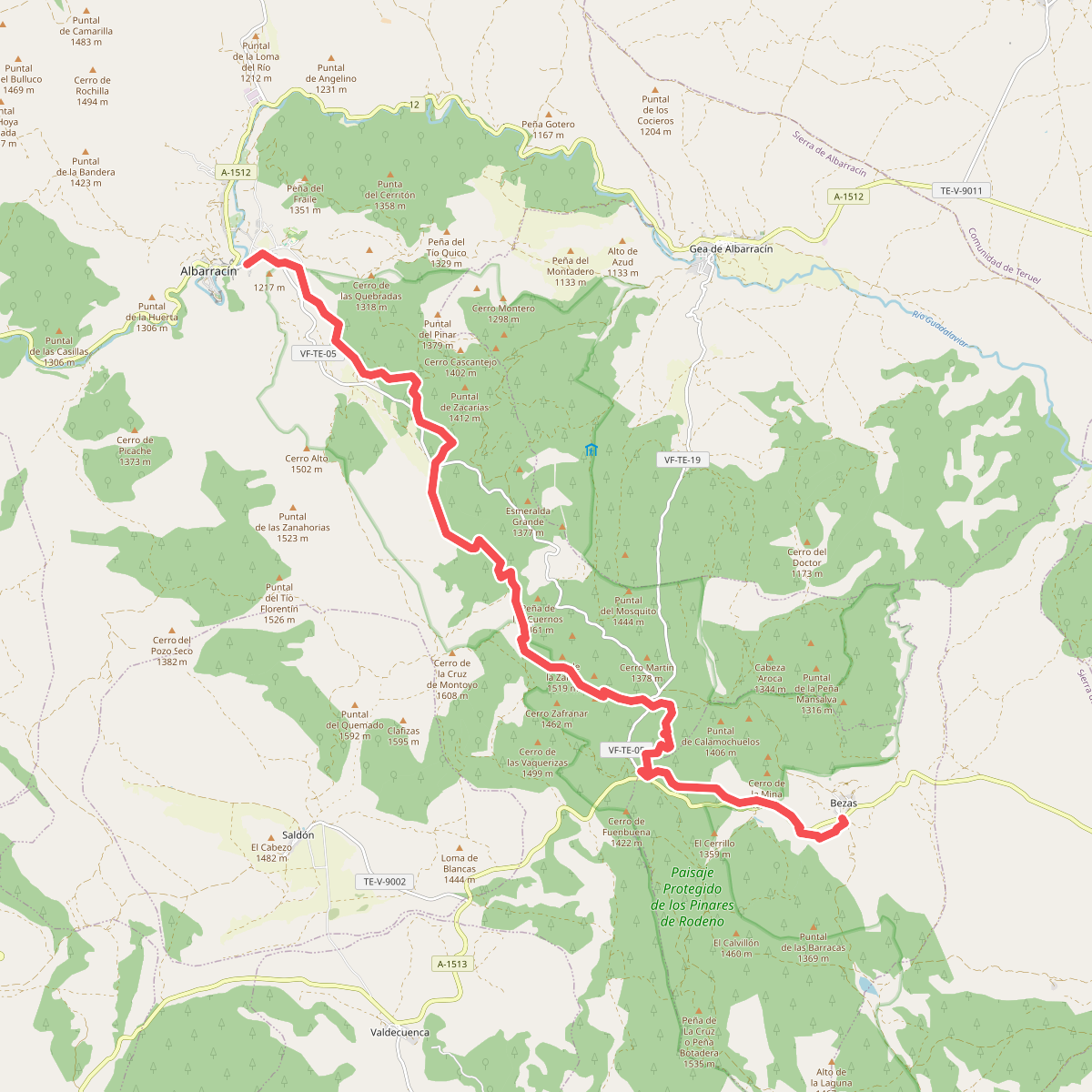
#4. Etapa 13: Rubiales - Bezas