
The best hiking routes in Książański Park Krajobrazowy
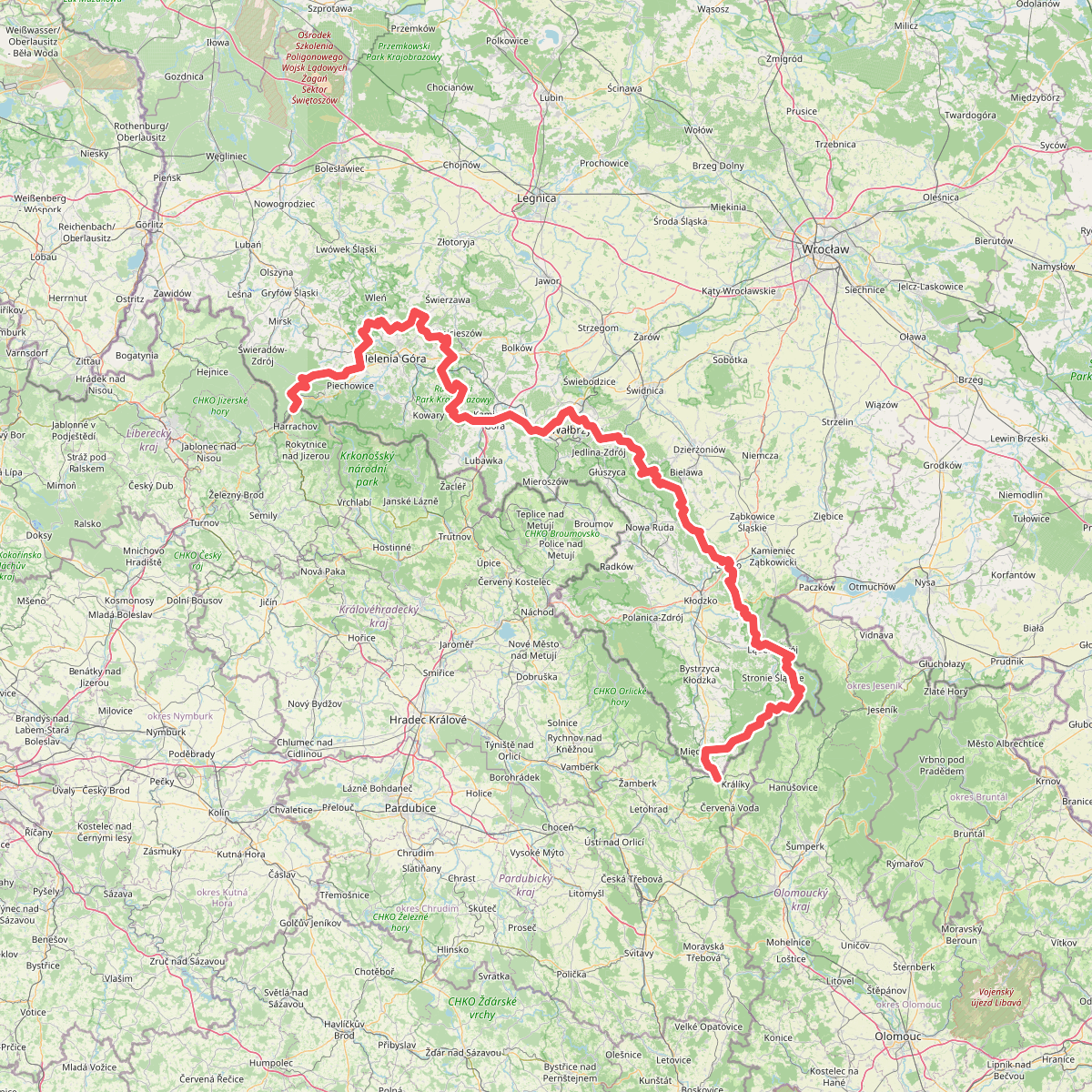
Discover the best walks in Książański Park Krajobrazowy. 2 routes on the map, with descriptions, photos and GPX.
About Książański Park Krajobrazowy
KsiąŹański Park Krajobrazowy is characterized by a sharp transition between flat agricultural plateaus and deep, wooded ravines carved by the Pełcznica and Szczawnik rivers. Unlike the open, rolling hills of the surrounding Lower Silesian countryside, this park forces your gaze downward into steep gorges where sheer rock faces of conglomerate and shale rise directly from the water. The forest canopy is dense, dominated by oak, hornbeam, and beech trees that block out much of the light in midsummer, creating a damp, sheltered microclimate on the valley floor.
Read more
About Książański Park Krajobrazowy
KsiąŹański Park Krajobrazowy is characterized by a sharp transition between flat agricultural plateaus and deep, wooded ravines carved by the Pełcznica and Szczawnik rivers. Unlike the open, rolling hills of the surrounding Lower Silesian countryside, this park forces your gaze downward into steep gorges where sheer rock faces of conglomerate and shale rise directly from the water. The forest canopy is dense, dominated by oak, hornbeam, and beech trees that block out much of the light in midsummer, creating a damp, sheltered microclimate on the valley floor.
Read moreKsiąŹański Park Krajobrazowy is characterized by a sharp transition between flat agricultural plateaus and deep, wooded ravines carved by the Pełcznica and Szczawnik rivers. Unlike the open, rolling hills of the surrounding Lower Silesian countryside, this park forces your gaze downward into steep gorges where sheer rock faces of conglomerate and shale rise directly from the water. The forest canopy is dense, dominated by oak, hornbeam, and beech trees that block out much of the light in midsummer, creating a damp, sheltered microclimate on the valley floor.
Underfoot, the terrain varies quickly. Walking along the upper ridge paths means navigating dry, dirt tracks mixed with loose shale and exposed tree roots. Descending into the ravines brings you to damp, rocky paths where stone steps and wooden footbridges are common. While the areas immediately surrounding the prominent Książ Castle feature wide, gravel-surfaced promenades suitable for casual walking, the deeper gorge trails require careful stepping over wet stones and muddy patches near the riverbanks.
This landscape is not a wilderness of high mountain peaks or vast open vistas. Instead, it offers a compact network of enclosed valleys where the main interest lies in the dramatic geology and the ruins integrated into the cliffs. The paths near the main castle can become busy with visitors, but taking the lower riverside trails towards the ruins of Stary Książ leads to a much quieter, more rugged forest experience.