
The best hiking routes in CHKO Biele Karpaty
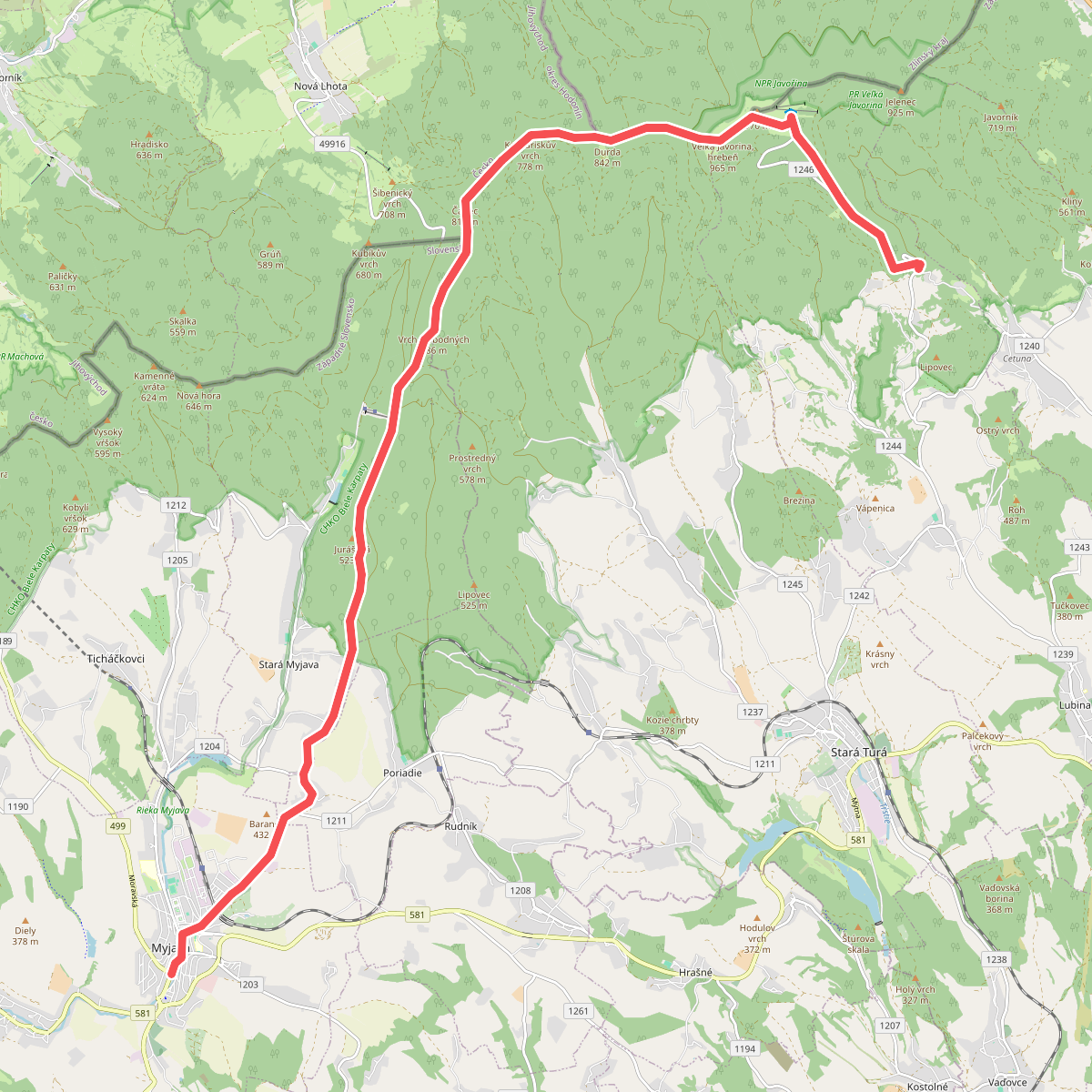
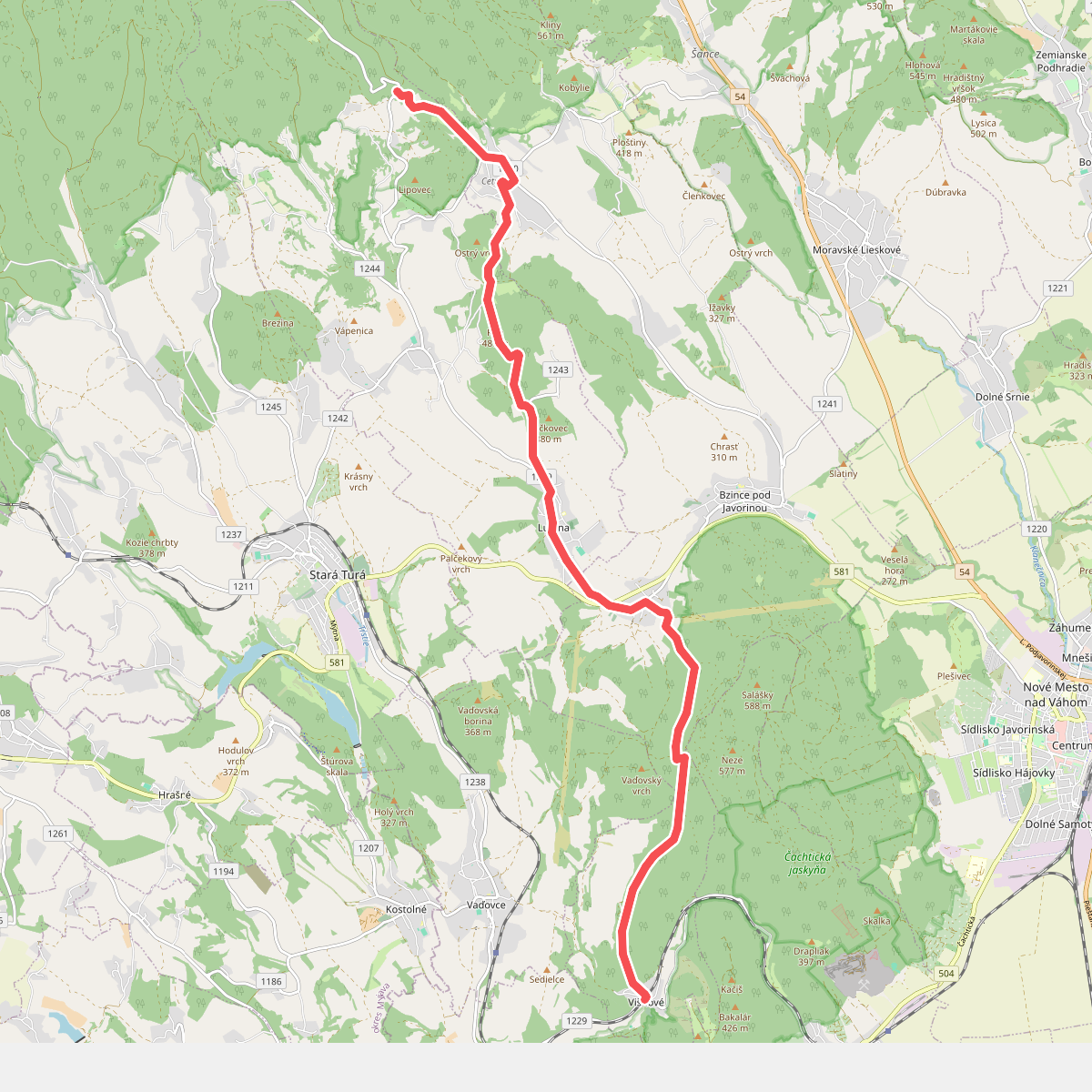
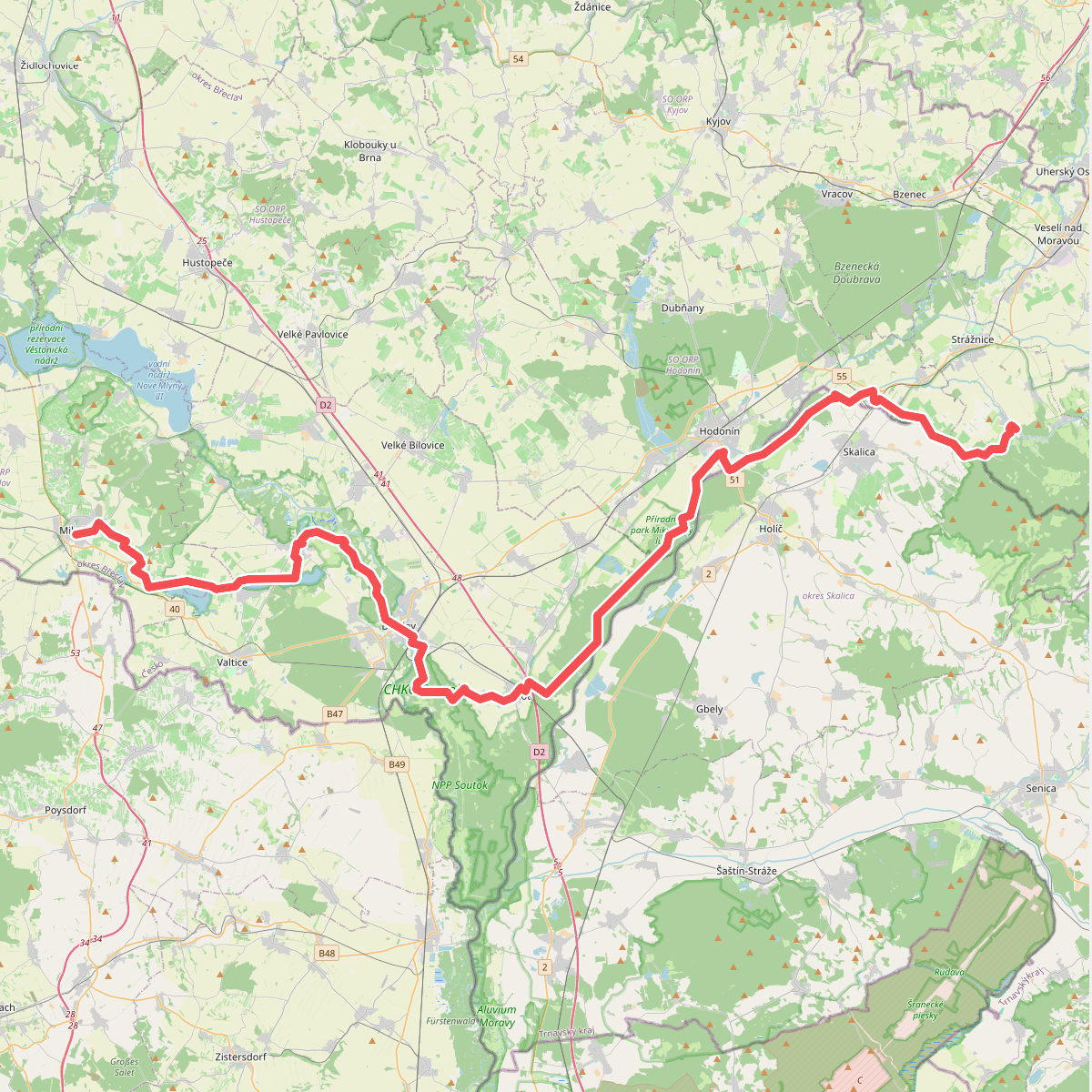
Discover the best walks in CHKO Biele Karpaty. 3 routes on the map, with descriptions, photos and GPX.
Managed by S-CHKO Biele Karpaty
About CHKO Biele Karpaty
CHKO Biele Karpaty offers a landscape of rolling meadows, scattered orchards, and dense beech forests along the Slovak-Czech border, rather than the rugged granite peaks or deep rocky gorges found in other Slovak mountain ranges. The terrain is characterized by flysch geology, meaning claystone and sandstone layers dictate the landscape. This structure results in rounded ridges and gentle slopes, though walkers will encounter steep limestone crags, known as bradla, which erupt abruptly from the grassy hillsides and provide sharp, localized climbs.
Read more
About CHKO Biele Karpaty
CHKO Biele Karpaty offers a landscape of rolling meadows, scattered orchards, and dense beech forests along the Slovak-Czech border, rather than the rugged granite peaks or deep rocky gorges found in other Slovak mountain ranges. The terrain is characterized by flysch geology, meaning claystone and sandstone layers dictate the landscape. This structure results in rounded ridges and gentle slopes, though walkers will encounter steep limestone crags, known as bradla, which erupt abruptly from the grassy hillsides and provide sharp, localized climbs.
Read moreCHKO Biele Karpaty offers a landscape of rolling meadows, scattered orchards, and dense beech forests along the Slovak-Czech border, rather than the rugged granite peaks or deep rocky gorges found in other Slovak mountain ranges. The terrain is characterized by flysch geology, meaning claystone and sandstone layers dictate the landscape. This structure results in rounded ridges and gentle slopes, though walkers will encounter steep limestone crags, known as bradla, which erupt abruptly from the grassy hillsides and provide sharp, localized climbs.
Underfoot, the paths transition between soft forest soil, grassy tracks through species-rich meadows, and occasional stony sections near the limestone outcrops. Because of the clay-heavy soil, tracks can become sticky and slick after wet weather, while the limestone sections remain firm but require careful stepping. The area is famous for its traditional semi-natural meadows, which have been shaped by centuries of low-intensity mowing and grazing, leaving a mosaic of open pasture and forest edge rather than continuous deep woodland.
In late May and June, these meadows are filled with flowering orchids, making the open ridges between Vršatecké Podhradie and Stará Turá particularly distinct. While the main trail along the border ridge is well-marked and popular with local hikers, the smaller side paths descending into the valleys are often quieter, offering a direct look at the traditional scattered settlements called kopanice.