The best hiking routes in Wicklow Mountains National Park
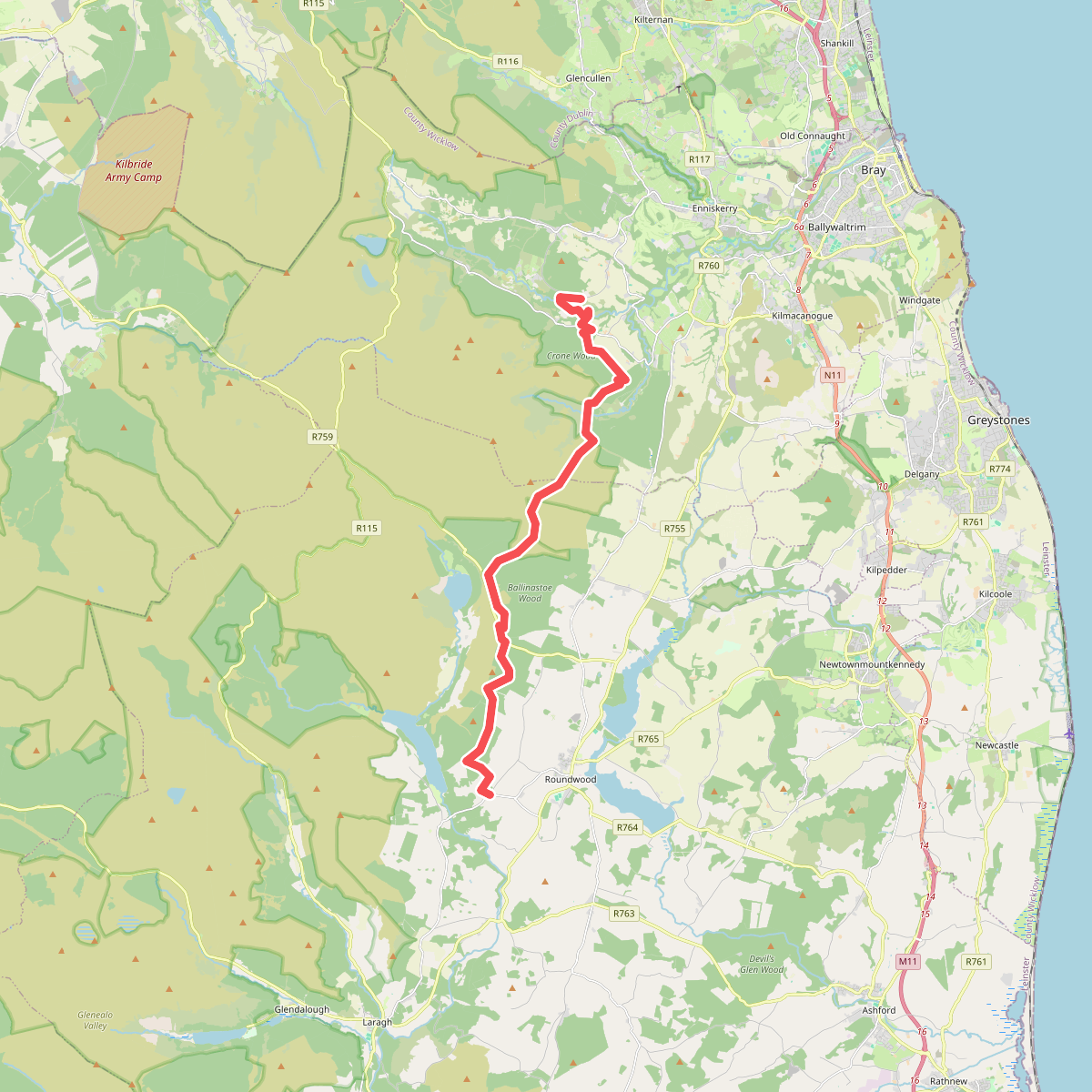
Discover the best walks in Wicklow Mountains National Park. 13 routes on the map, with descriptions, photos and GPX.
Managed by National Parks and Wildlife Service
About Wicklow Mountains National Park
Wicklow Mountains National Park is characterized by vast, rounded granite hills capped by deep blanket bog and wet heath. Unlike rugged limestone or volcanic ranges, the landscape here consists of broad, dome-shaped summits where the vegetation is dominated by heather, gorse, and purple moor grass. Walkers should expect a contrast between the steep, glaciated valleys like Glendalough, which contain native oak woodlands and deep lakes, and the exposed, peat-covered uplands where navigation can be difficult without a compass.
Read more
About Wicklow Mountains National Park
Wicklow Mountains National Park is characterized by vast, rounded granite hills capped by deep blanket bog and wet heath. Unlike rugged limestone or volcanic ranges, the landscape here consists of broad, dome-shaped summits where the vegetation is dominated by heather, gorse, and purple moor grass. Walkers should expect a contrast between the steep, glaciated valleys like Glendalough, which contain native oak woodlands and deep lakes, and the exposed, peat-covered uplands where navigation can be difficult without a compass.
Read moreWicklow Mountains National Park is characterized by vast, rounded granite hills capped by deep blanket bog and wet heath. Unlike rugged limestone or volcanic ranges, the landscape here consists of broad, dome-shaped summits where the vegetation is dominated by heather, gorse, and purple moor grass. Walkers should expect a contrast between the steep, glaciated valleys like Glendalough, which contain native oak woodlands and deep lakes, and the exposed, peat-covered uplands where navigation can be difficult without a compass.
Underfoot conditions vary significantly depending on where you walk. The popular valley floors feature well-maintained gravel paths and wooden boardwalks, particularly around the monastic ruins and lower lakes. Once you ascend onto the open plateau, the terrain changes to thick, wet peat hags, bog pools, and rough heather tracks where boots are essential. In late August, the hillsides turn a deep purple as the heather blooms, transforming the otherwise muted brown and green tones of the bogland.
The park is not a place of sharp alpine ridges or jagged peaks. It is a massive, rolling upland block where the scale can be deceptive due to the lack of trees on the high ground. While the valley trailheads are often busy with visitors, the open bogland of the interior receives far fewer walkers, offering a quiet, empty landscape where the main challenges are peat hags and disorienting mist.
Hiking routes in Wicklow Mountains National Park (13)
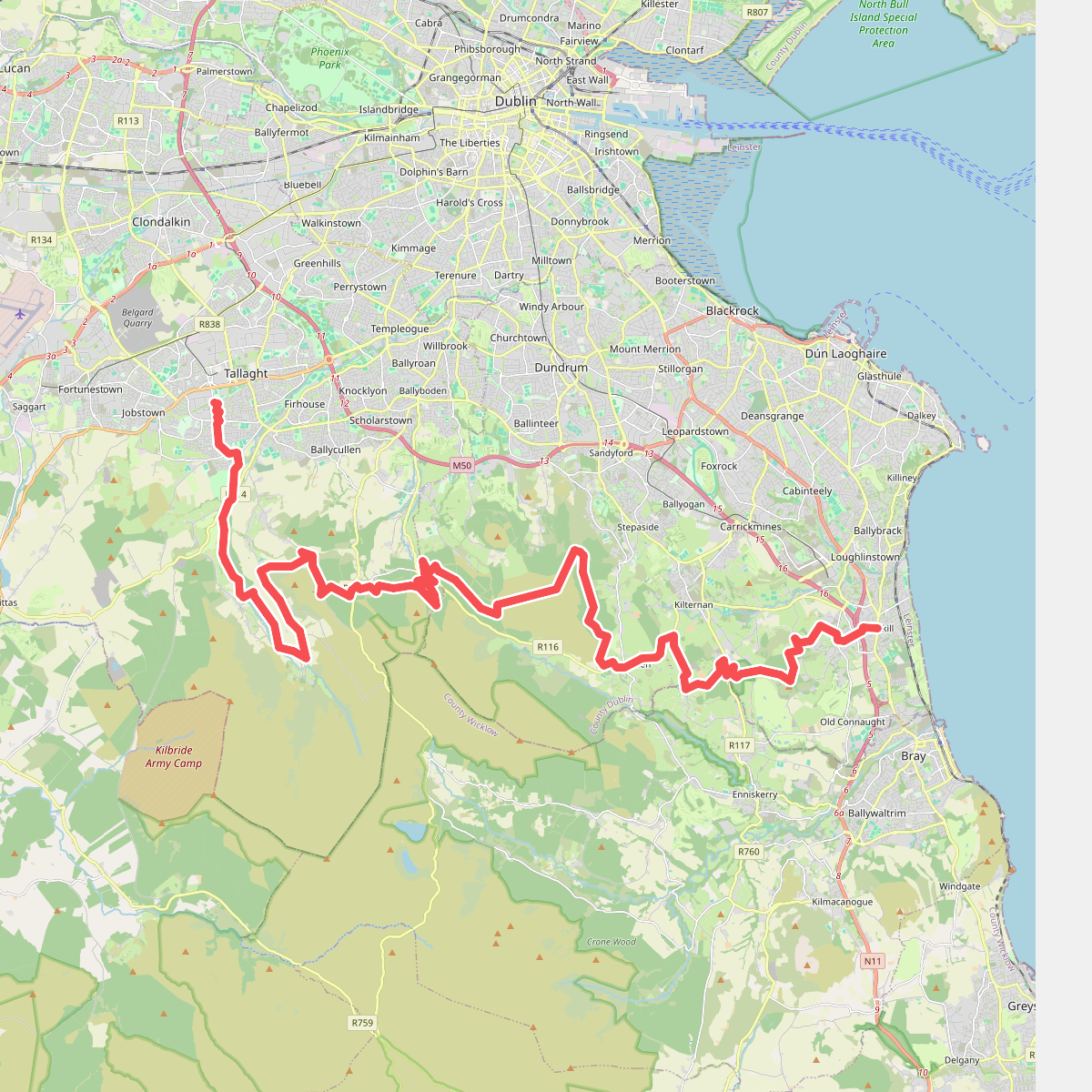
#1. Dublin Mountains Way
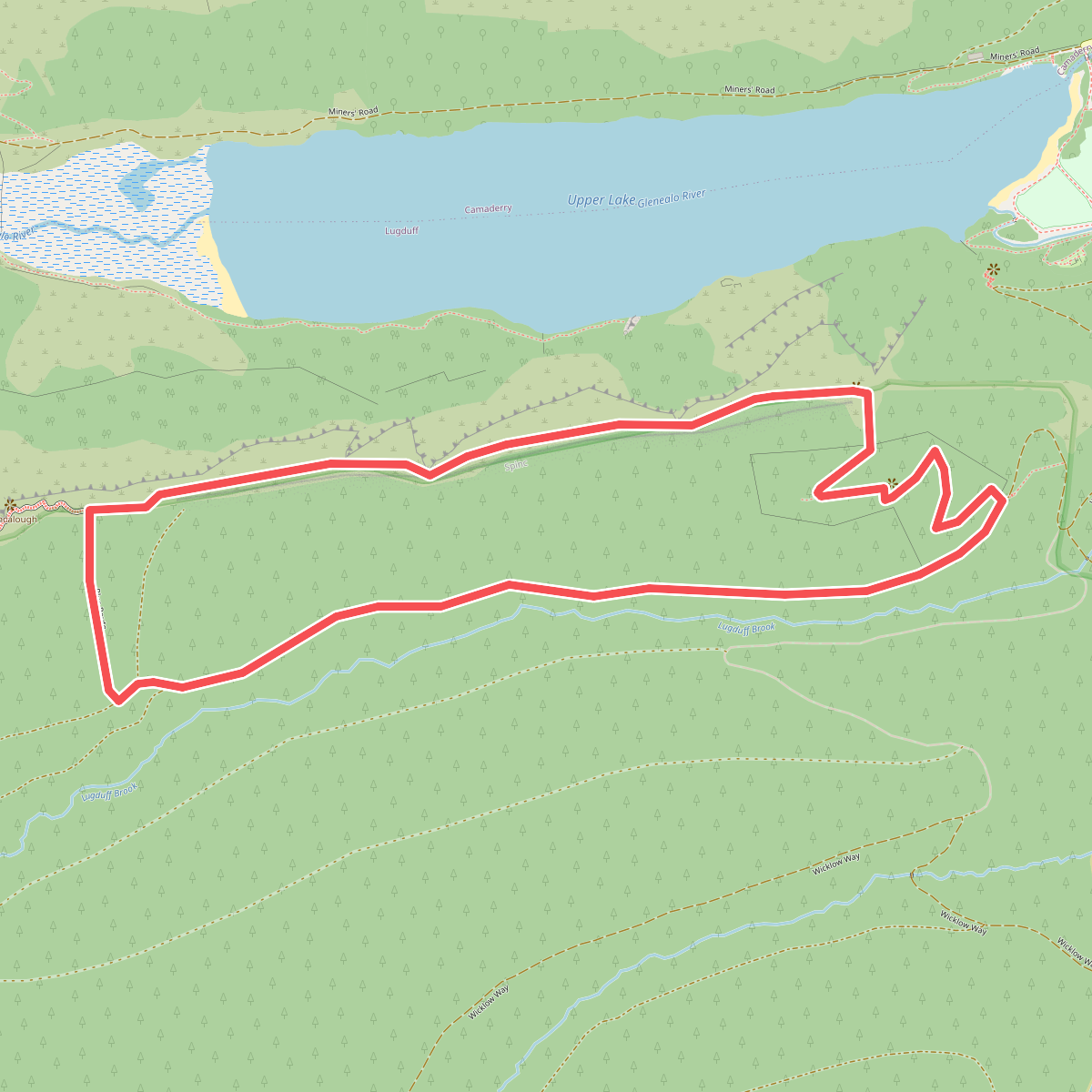
#2. Glendalough Blue Route
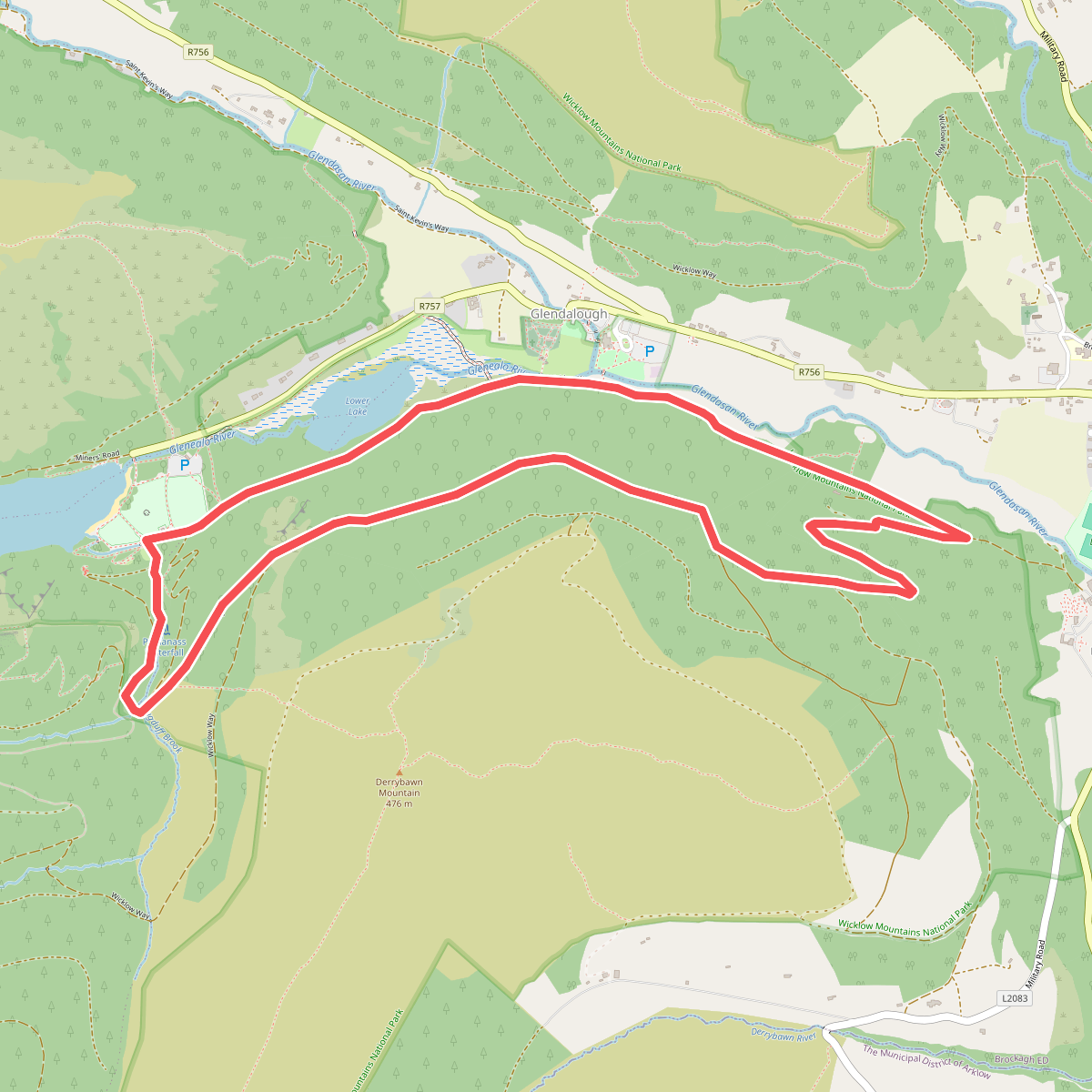
#3. Glendalough Orange Route
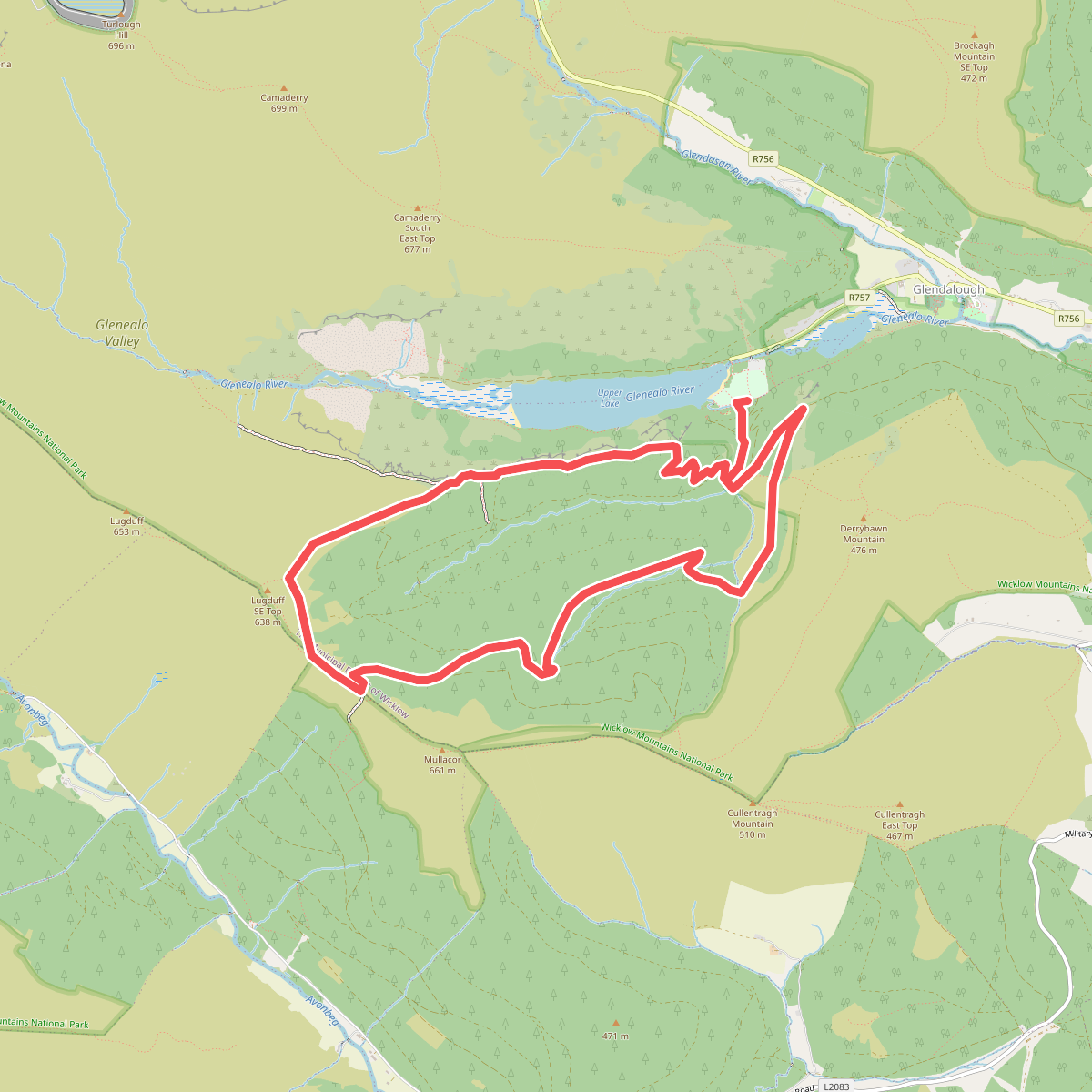
#4. Glendalough Red Route
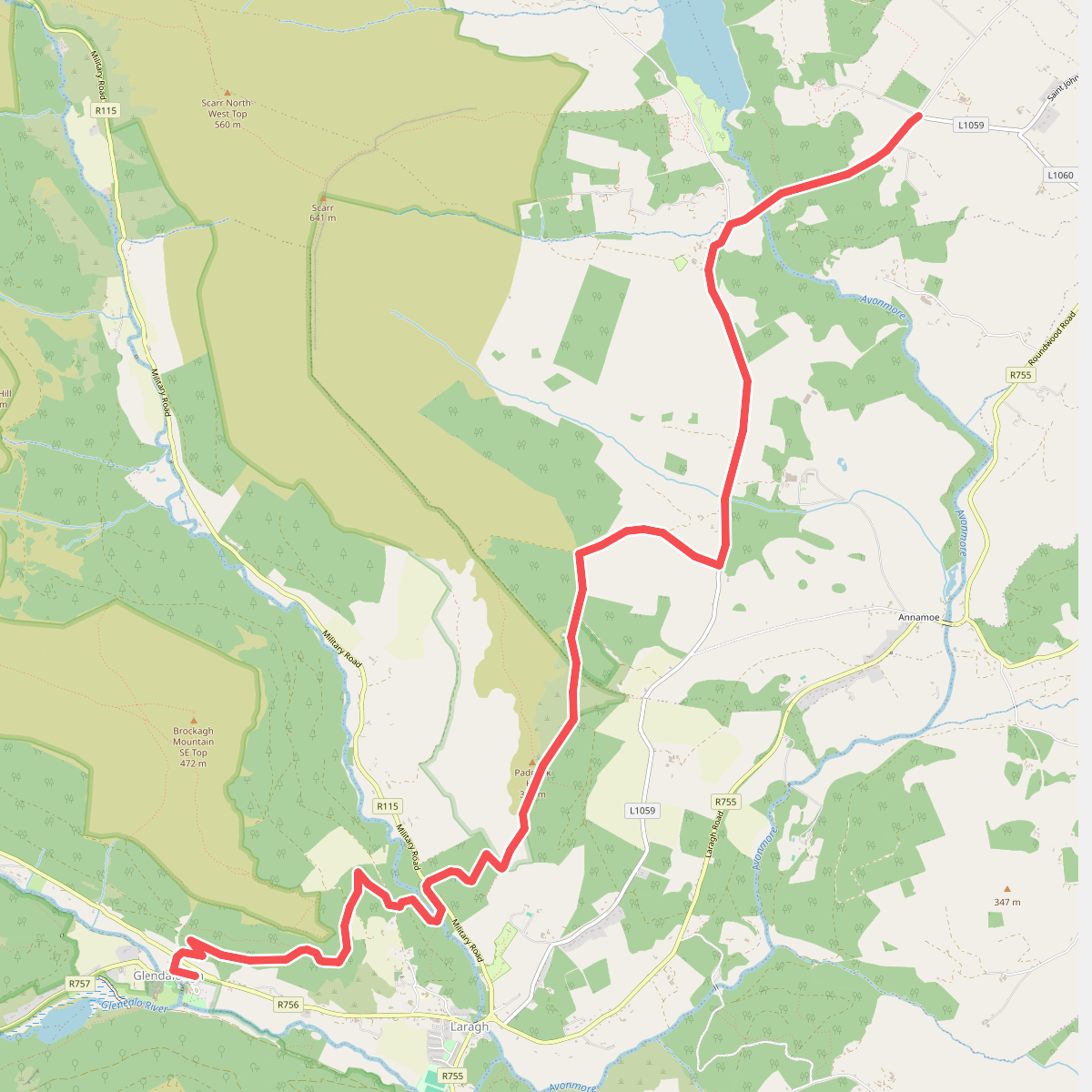
#5. Glendalough - Roundwood
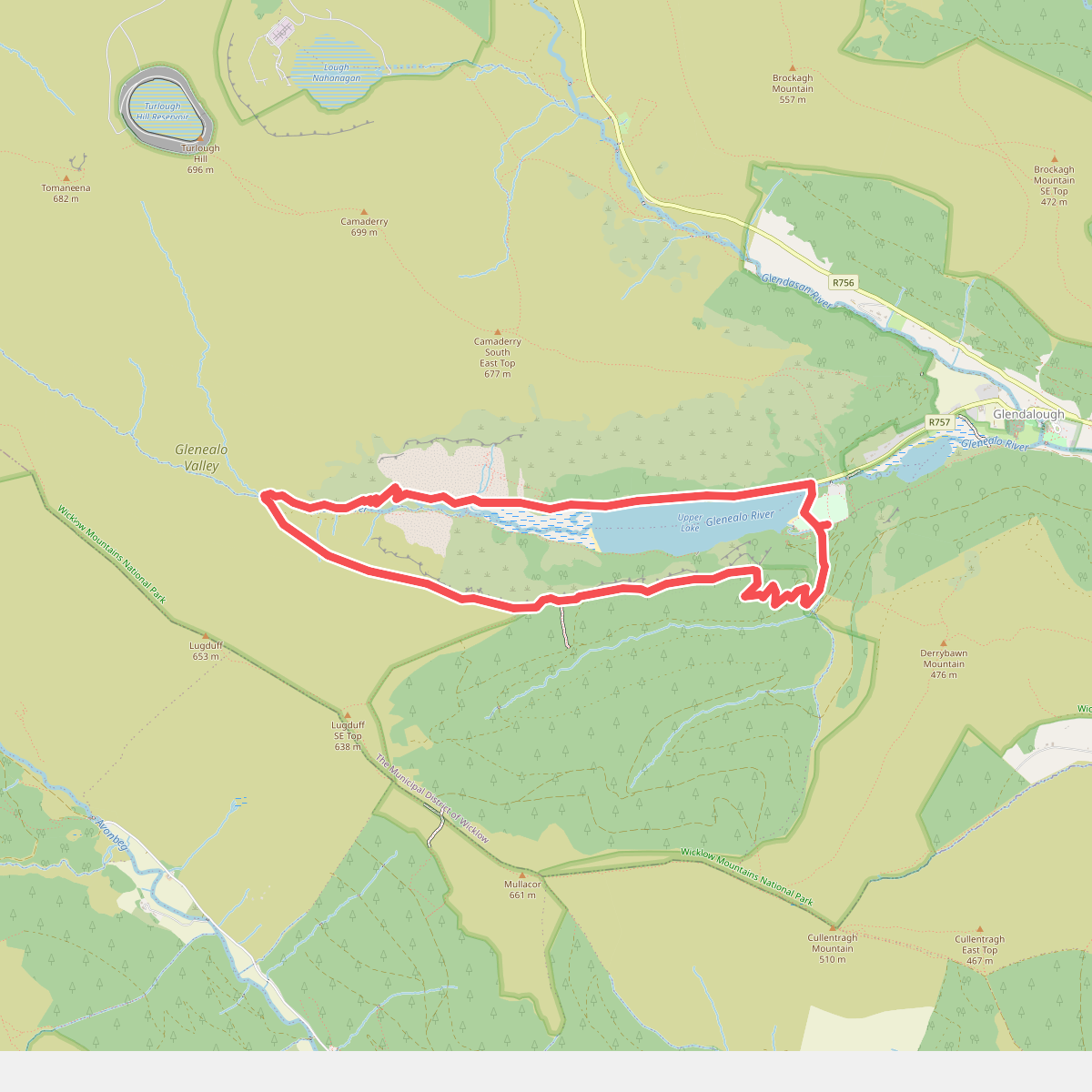
#6. Glendalough White Route
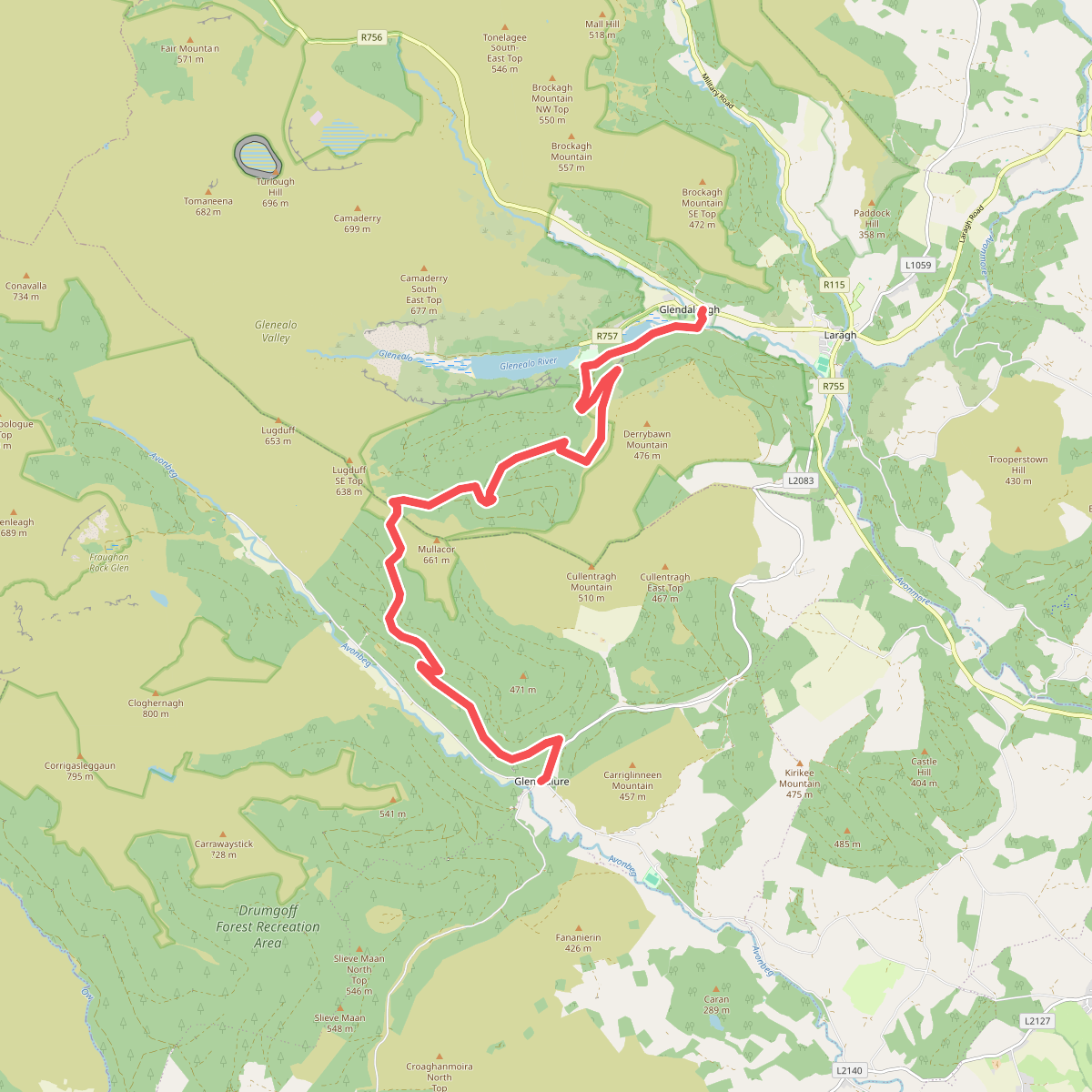
#7. Glenmalura - Glendalough
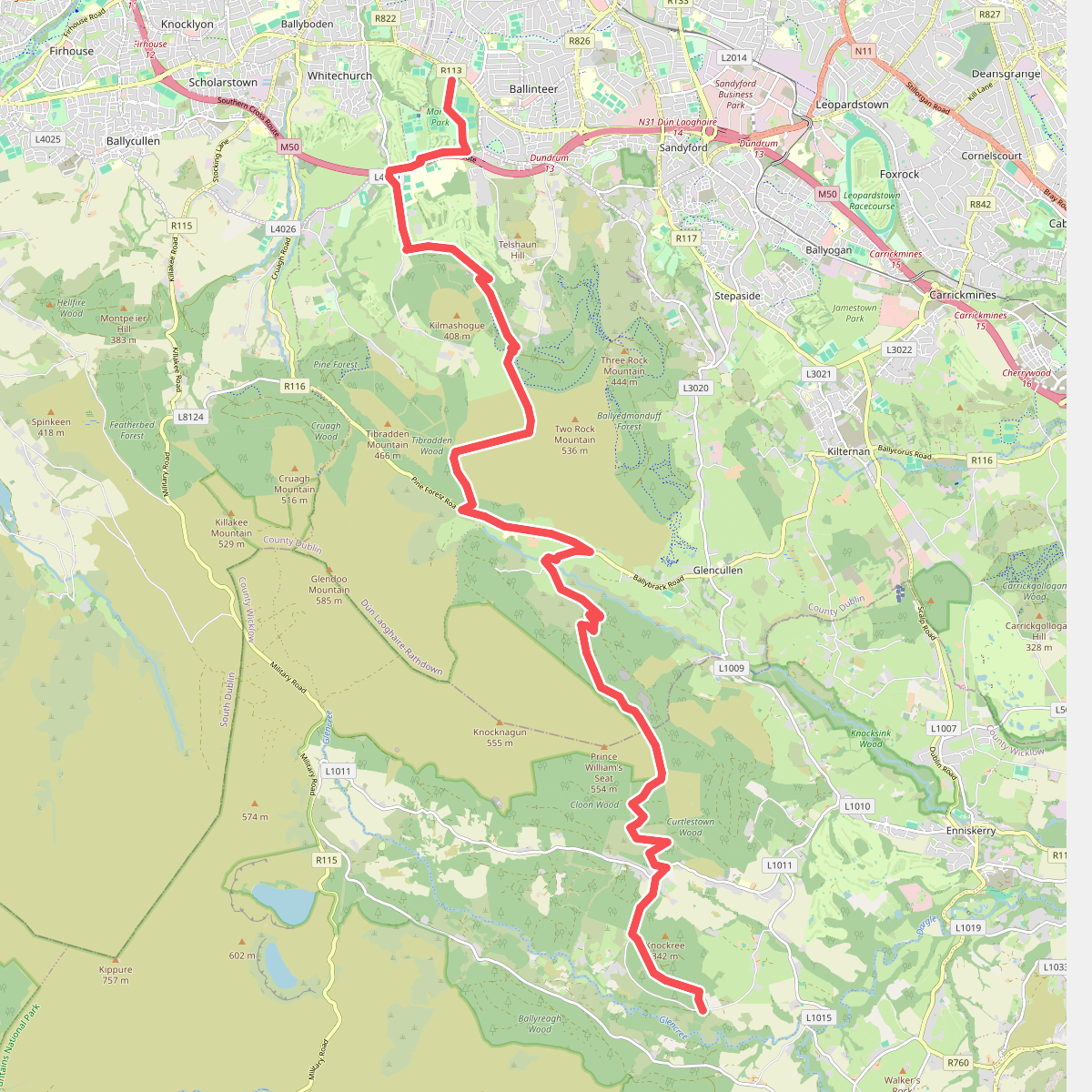
#8. Knockree - Dublin Marlay Park
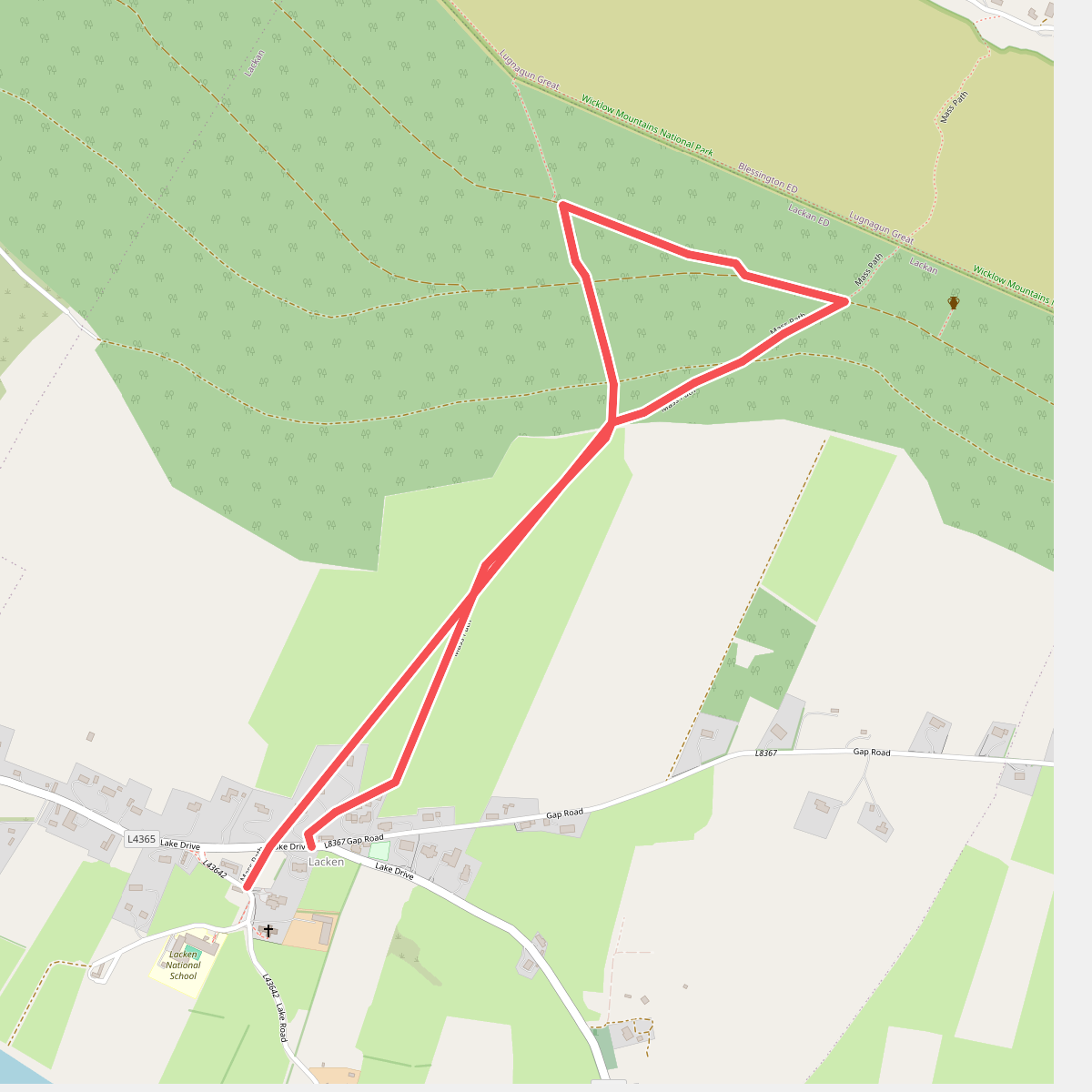
#9. Lacken – Mass Path Loop
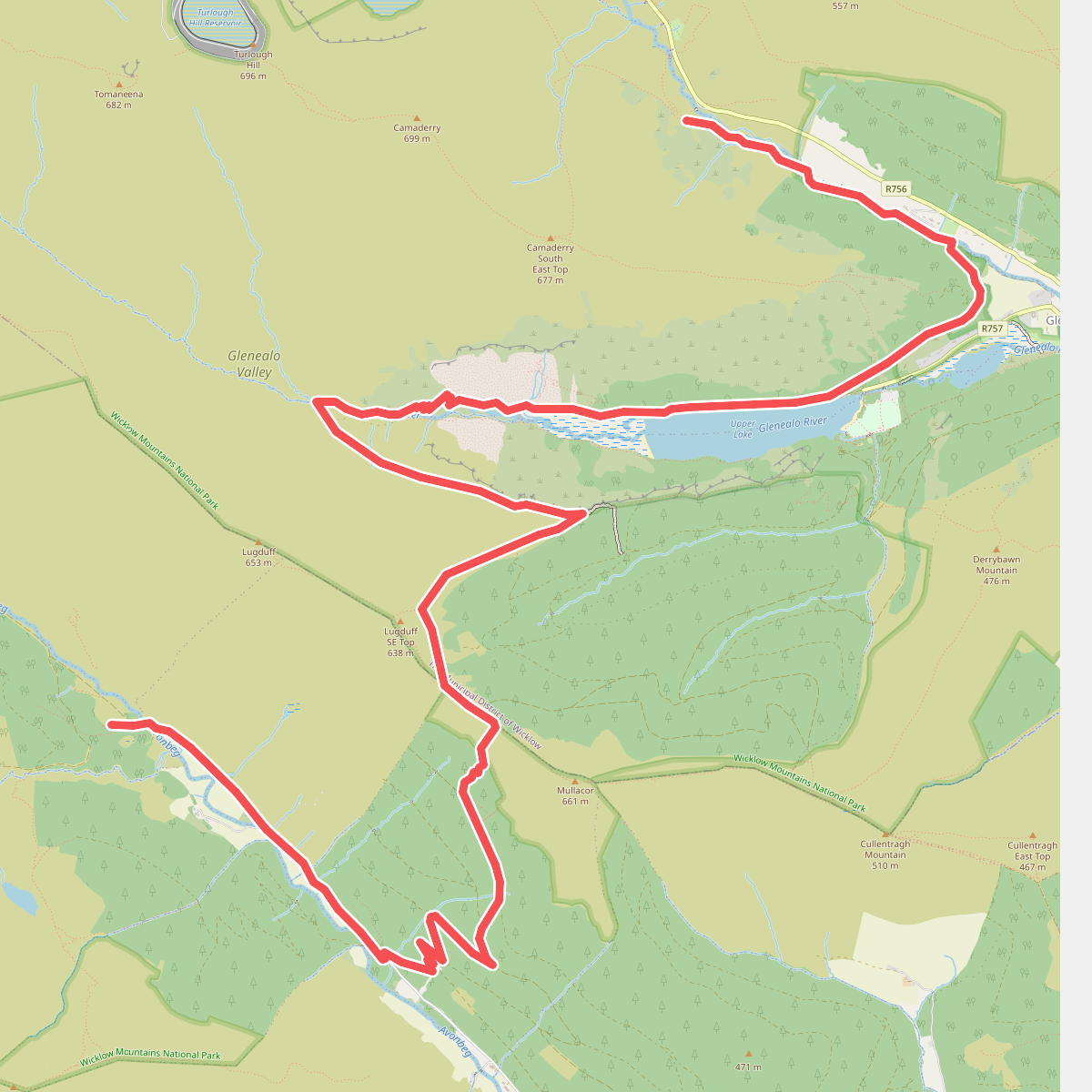
#10. Miners' Way
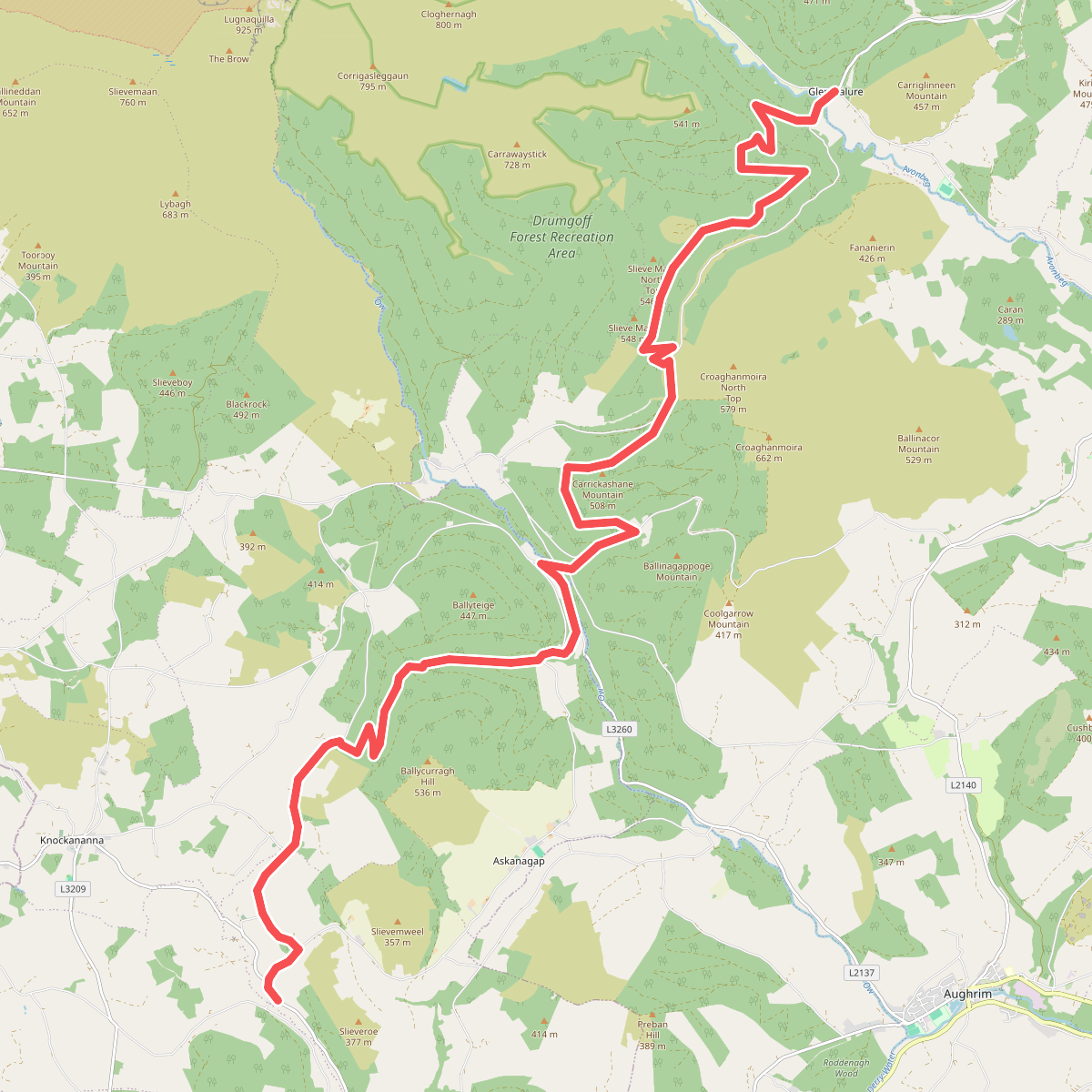
#11. Moyne - Glenmalure