The best hiking routes in Tytuvėnų regioninis parkas
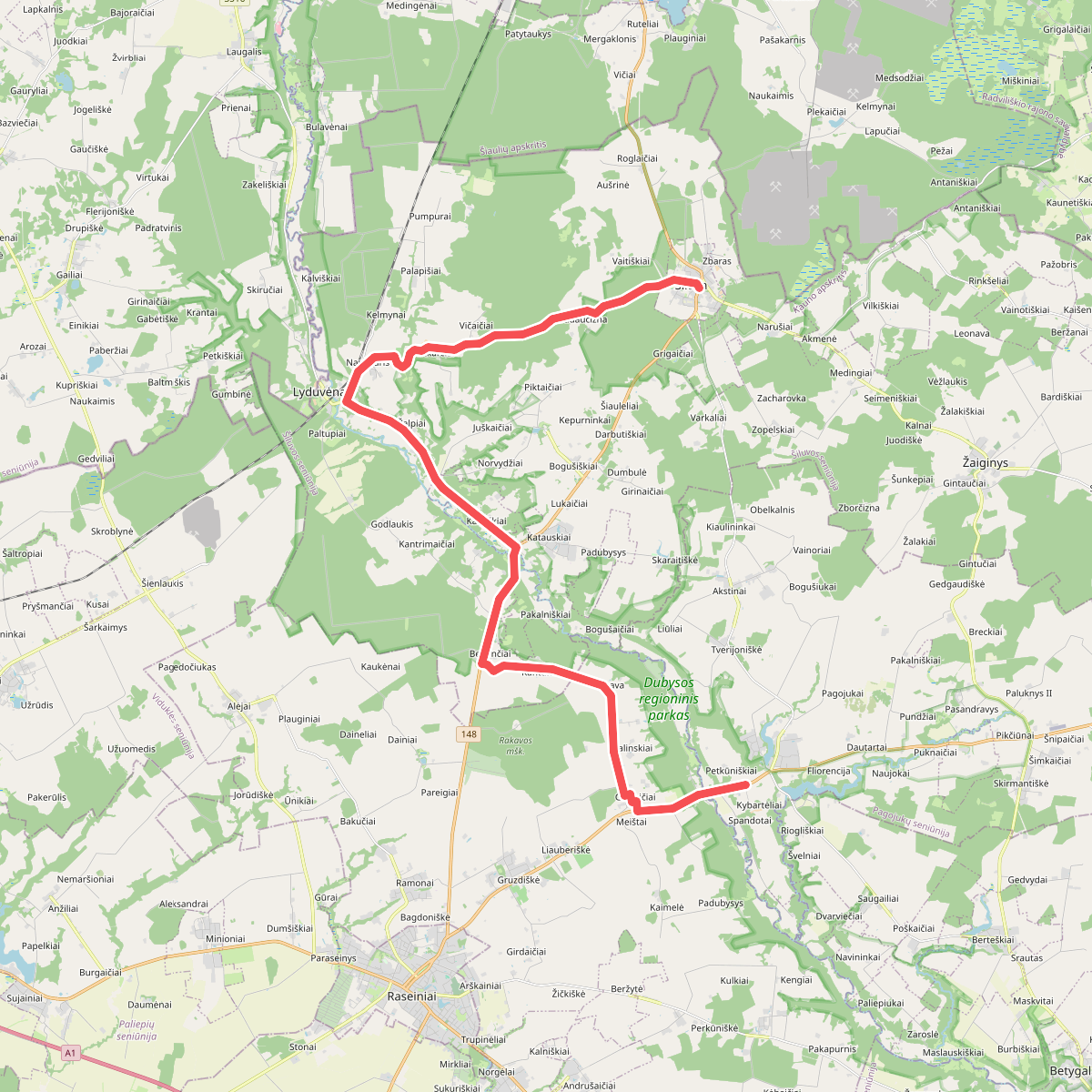
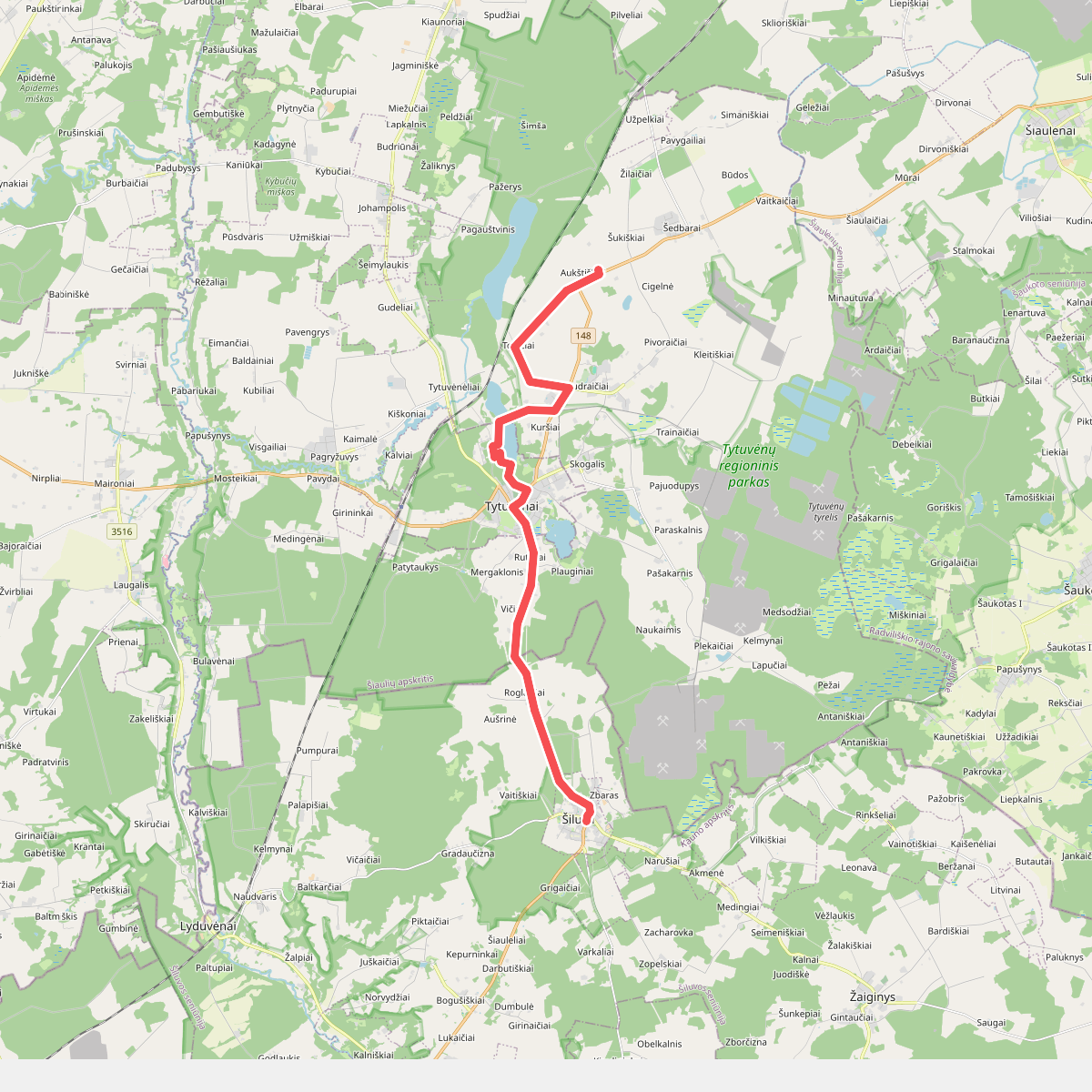
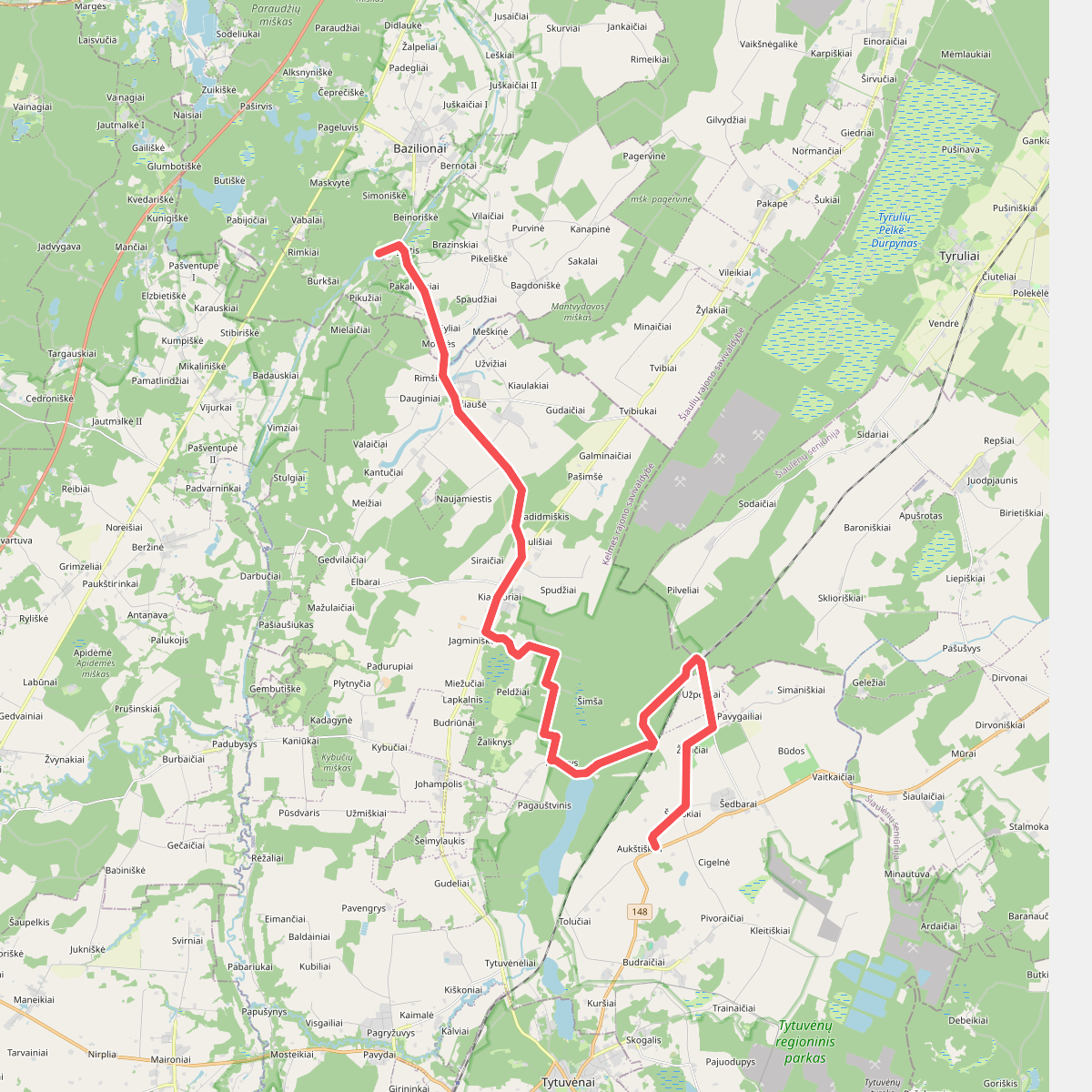
Discover the best walks in Tytuvėnų regioninis parkas. 3 routes on the map, with descriptions, photos and GPX.
About Tytuvėnų regioninis parkas
Tytuvėnų regioninis parkas is characterized by a landscape shaped by retreating glaciers, resulting in a distinct mix of large lakes, peat bogs, and sandy ridges. Walkers will find a clear contrast between the damp, mossy pine forests growing on the sandy continental dunes and the flat, open expanses of the Ārėvėlis peat bog. The terrain does not offer steep climbs or deep ravines, but rather a gently undulating surface where dry, pine-needle-covered paths quickly transition into damp lakeside soil.
Read more
About Tytuvėnų regioninis parkas
Tytuvėnų regioninis parkas is characterized by a landscape shaped by retreating glaciers, resulting in a distinct mix of large lakes, peat bogs, and sandy ridges. Walkers will find a clear contrast between the damp, mossy pine forests growing on the sandy continental dunes and the flat, open expanses of the Ārėvėlis peat bog. The terrain does not offer steep climbs or deep ravines, but rather a gently undulating surface where dry, pine-needle-covered paths quickly transition into damp lakeside soil.
Read moreTytuvėnų regioninis parkas is characterized by a landscape shaped by retreating glaciers, resulting in a distinct mix of large lakes, peat bogs, and sandy ridges. Walkers will find a clear contrast between the damp, mossy pine forests growing on the sandy continental dunes and the flat, open expanses of the Ārėvėlis peat bog. The terrain does not offer steep climbs or deep ravines, but rather a gently undulating surface where dry, pine-needle-covered paths quickly transition into damp lakeside soil.
Underfoot, the trails vary from soft forest loam and sandy tracks to wooden boardwalks constructed over the marshy sections near Lake Gilŧius and Lake Bridvaišis. These boardwalks allow access to the edge of the wetlands without sinking into the peat. In the eastern part of the park, the landscape opens up around the shallow, reed-fringed lakes, where the soil is firmer but can be muddy near the water margins.
In late August and September, the heather patches on the drier ridges turn purple, contrasting with the dark green of the spruce stands. While the main lakeside beaches and observation towers near Tytuvėnai town attract local visitors on summer weekends, the deeper forest trails and the bog boardwalks remain quiet, offering a straightforward look at the natural transition from water to woodland.