
The best hiking routes in Parco Regionale del Taburno - Camposauro
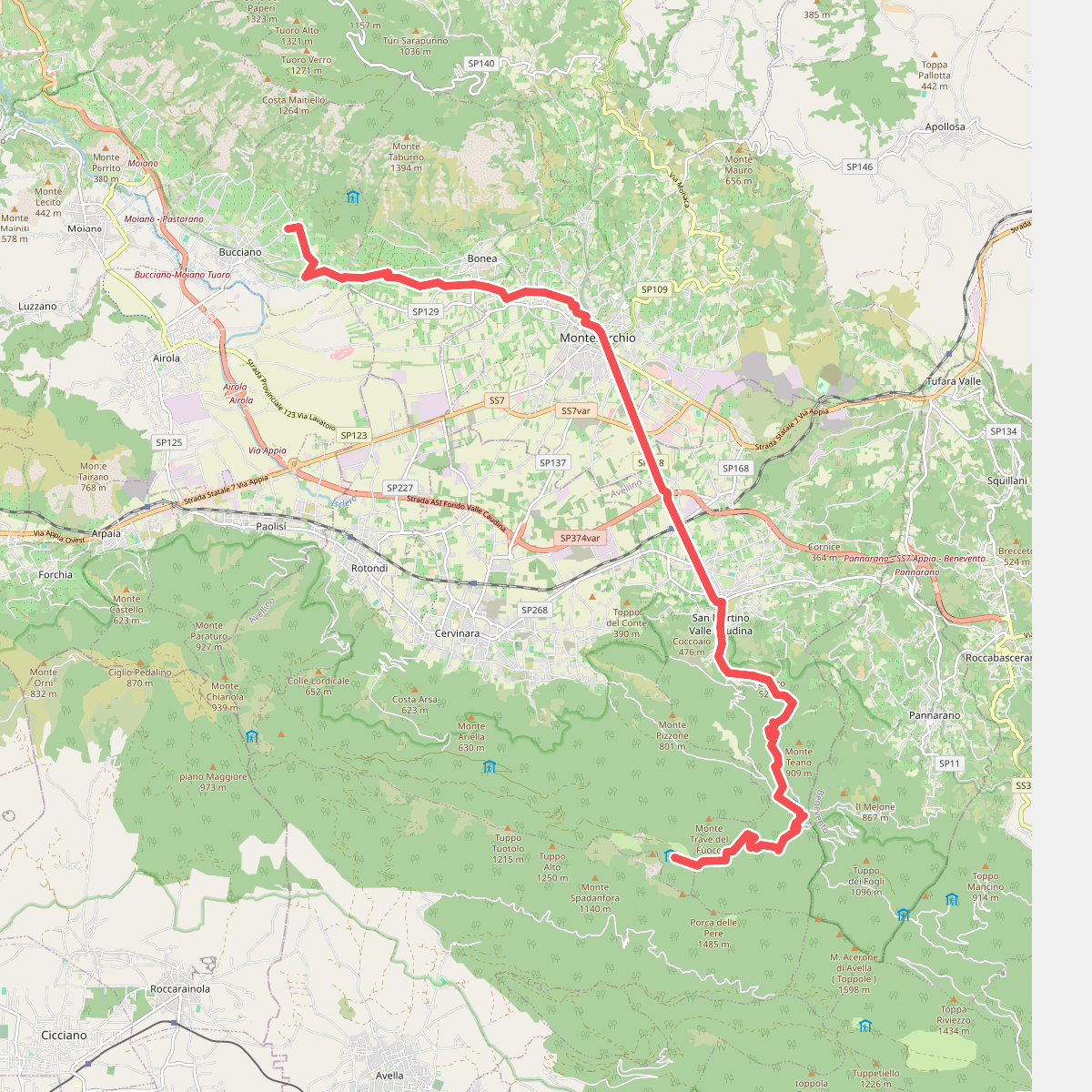
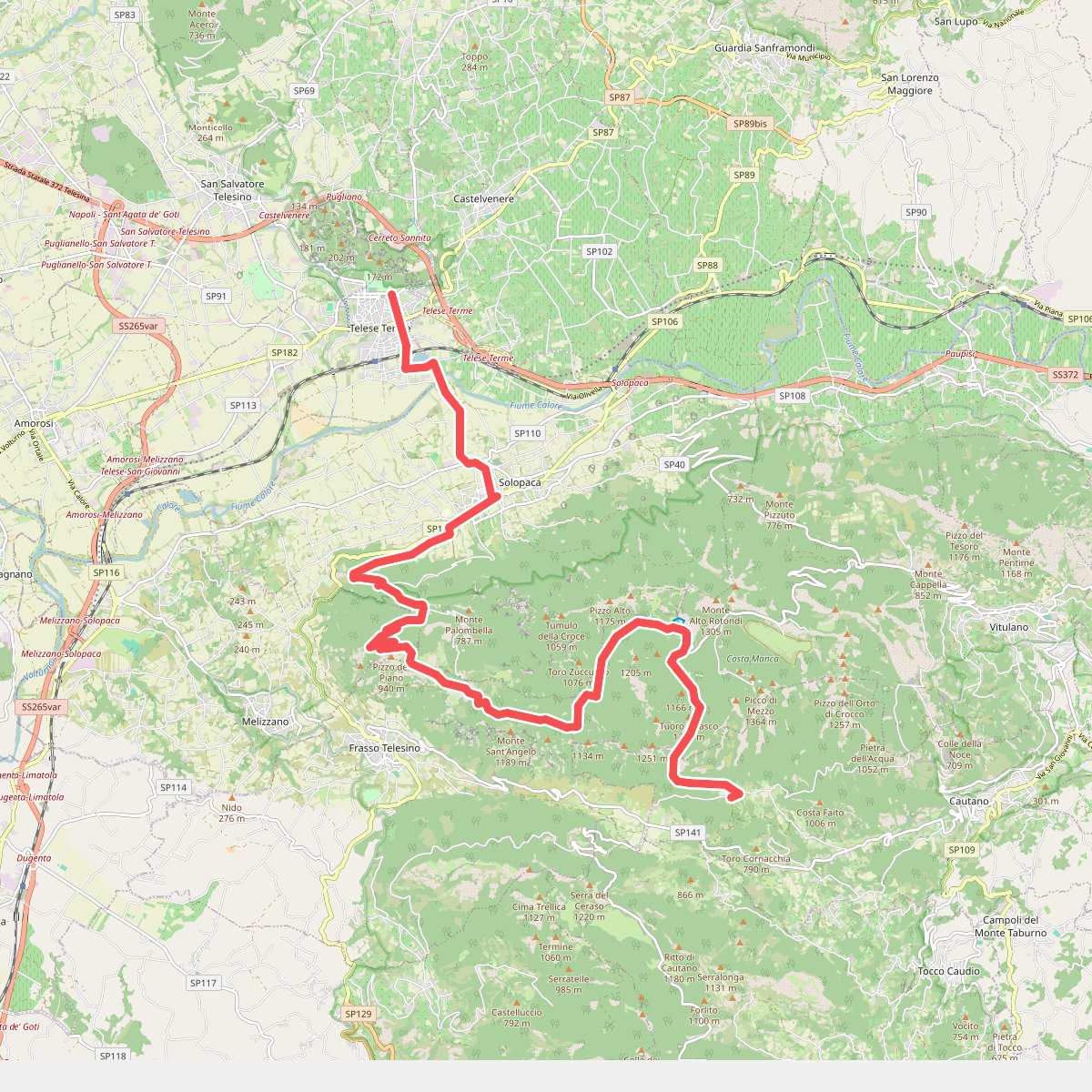
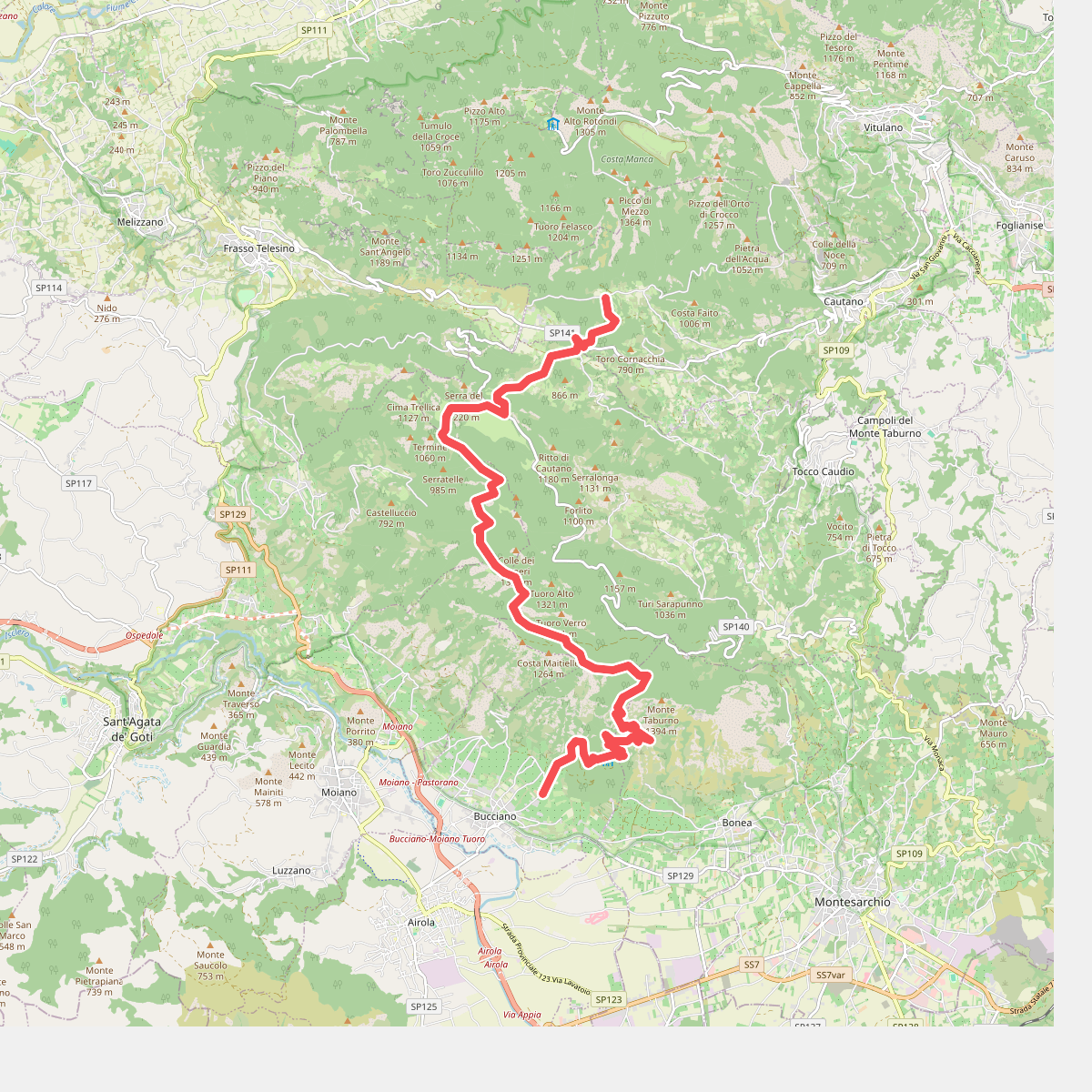
Discover the best walks in Parco Regionale del Taburno - Camposauro. 3 routes on the map, with descriptions, photos and GPX.
Managed by Ente Parco Taburno
About Parco Regionale del Taburno - Camposauro
Parco Regionale del Taburno - Camposauro is a limestone massif rising abruptly from the surrounding Campania plains, divided into two distinct massifs by the high-altitude pasture of Piano Melaino. The southern Taburno section is characterized by steep, rugged limestone cliffs and dense silver fir and beech forests that block out most light. In contrast, the northern Camposauro block presents a flatter, more undulating karst plateau where open grasslands are punctuated by sinkholes and sharp limestone outcrops. Walking here means navigating either dark, damp forest floors thick with leaf litter or exposed, stony mountain pastures where the white rock is constantly visible underfoot.
Read more
About Parco Regionale del Taburno - Camposauro
Parco Regionale del Taburno - Camposauro is a limestone massif rising abruptly from the surrounding Campania plains, divided into two distinct massifs by the high-altitude pasture of Piano Melaino. The southern Taburno section is characterized by steep, rugged limestone cliffs and dense silver fir and beech forests that block out most light. In contrast, the northern Camposauro block presents a flatter, more undulating karst plateau where open grasslands are punctuated by sinkholes and sharp limestone outcrops. Walking here means navigating either dark, damp forest floors thick with leaf litter or exposed, stony mountain pastures where the white rock is constantly visible underfoot.
Read moreParco Regionale del Taburno - Camposauro is a limestone massif rising abruptly from the surrounding Campania plains, divided into two distinct massifs by the high-altitude pasture of Piano Melaino. The southern Taburno section is characterized by steep, rugged limestone cliffs and dense silver fir and beech forests that block out most light. In contrast, the northern Camposauro block presents a flatter, more undulating karst plateau where open grasslands are punctuated by sinkholes and sharp limestone outcrops. Walking here means navigating either dark, damp forest floors thick with leaf litter or exposed, stony mountain pastures where the white rock is constantly visible underfoot.
This is not a gentle, rolling meadow landscape, nor does it offer the high-altitude glacial features of the main Apennine chain. Instead, the terrain is defined by its karst geology, which absorbs water quickly, leaving the upper slopes dry and rocky while feeding springs lower down the valleys. On the trail, you will notice a sharp transition from the cultivated olive groves on the lower clay slopes to the limestone scree and dense beech woods higher up. The paths are often rough, stony mule tracks or dirt forest roads rather than manicured gravel ways.
In May, the open pastures of Piano Melaino are marked by the emergence of wild orchids among the limestone rocks, while the beech forests remain cool and shaded. The area is generally quiet, though the accessible picnic sites near the main road passes can become busy with local visitors on spring weekends. For walkers, the choice is between the steep, forested climbs of Monte Taburno itself or the flatter, more exposed karst walks across the Camposauro plateau.