
The best hiking routes in Parc Natural del Montseny
Discover the best walks in Parc Natural del Montseny. 38 routes on the map, with descriptions, photos and GPX.
Managed by Diputació de Barcelona;Diputació de Girona
About Parc Natural del Montseny
Parc Natural del Montseny rises abruptly from the Catalan coastal depression, presenting a sharp contrast between its densely forested lower slopes and its bare, rocky crests. Walkers will notice a distinct transition as they ascend: the lower elevations are dominated by Mediterranean holm oak forests, which gradually give way to damp beech woods and silver fir stands on the colder, north-facing slopes, before opening up to subalpine grasslands on the highest ridges. Underfoot, the terrain varies from soft, leaf-littered dirt paths under the dense canopy to rugged, stony tracks and exposed granite slabs near the summits of Turó de l'Home and Les Agudes.
Read more
About Parc Natural del Montseny
Parc Natural del Montseny rises abruptly from the Catalan coastal depression, presenting a sharp contrast between its densely forested lower slopes and its bare, rocky crests. Walkers will notice a distinct transition as they ascend: the lower elevations are dominated by Mediterranean holm oak forests, which gradually give way to damp beech woods and silver fir stands on the colder, north-facing slopes, before opening up to subalpine grasslands on the highest ridges. Underfoot, the terrain varies from soft, leaf-littered dirt paths under the dense canopy to rugged, stony tracks and exposed granite slabs near the summits of Turó de l'Home and Les Agudes.
Read moreParc Natural del Montseny rises abruptly from the Catalan coastal depression, presenting a sharp contrast between its densely forested lower slopes and its bare, rocky crests. Walkers will notice a distinct transition as they ascend: the lower elevations are dominated by Mediterranean holm oak forests, which gradually give way to damp beech woods and silver fir stands on the colder, north-facing slopes, before opening up to subalpine grasslands on the highest ridges. Underfoot, the terrain varies from soft, leaf-littered dirt paths under the dense canopy to rugged, stony tracks and exposed granite slabs near the summits of Turó de l'Home and Les Agudes.
This massif acts as a climatic barrier, meaning the vegetation changes more rapidly over a short vertical climb than in almost any other mountain range in the region. The presence of water is a defining feature of the landscape, with numerous mountain streams cutting through deep ravines, creating damp, mossy microclimates that feel more like central Europe than the Mediterranean. In November, the beech forests of the Santa Fe valley turn a deep copper color, drawing visitors to the well-known woodland paths, while the higher, wind-swept ridges remain austere and sparsely vegetated year-round.
While the park offers significant elevation gains, it does not feature the jagged, glaciated peaks of the high Pyrenees. Instead, the summits are rounded, dome-like structures accessible by steep but non-technical trails. The paths are generally well-marked, ranging from wide forest tracks suitable for steady pacing to narrow, root-crossed paths where footing requires more care. The busier trailheads around Santa Fe and Montseny village contrast with the quieter, more demanding ascents from the western slopes, allowing walkers to choose between sheltered woodland strolls and exposed ridge walks.
Hiking routes in Parc Natural del Montseny (38)
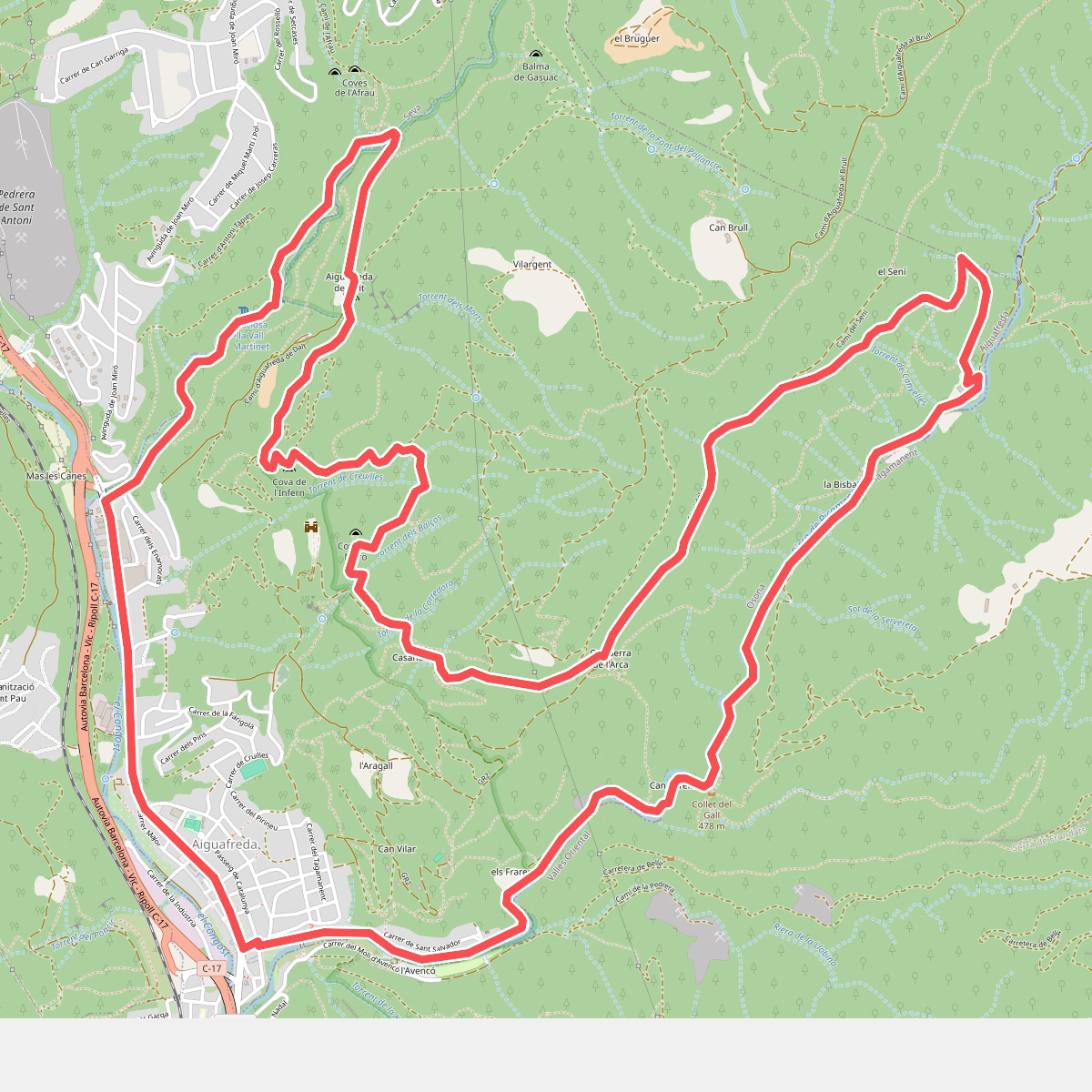
#1. Aiguafreda de Dalt
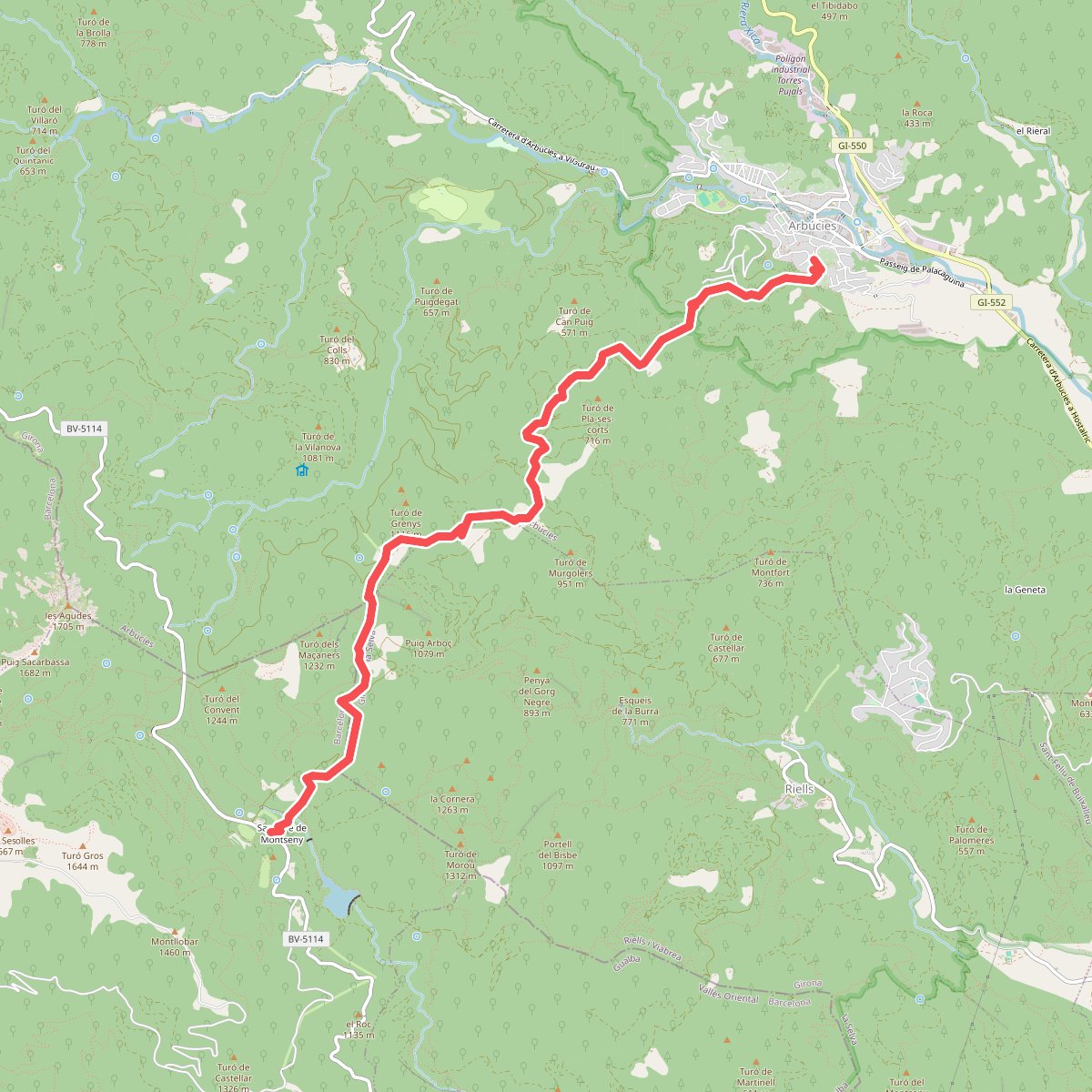
#2. Arbúcies - Santa Fe de Montseny
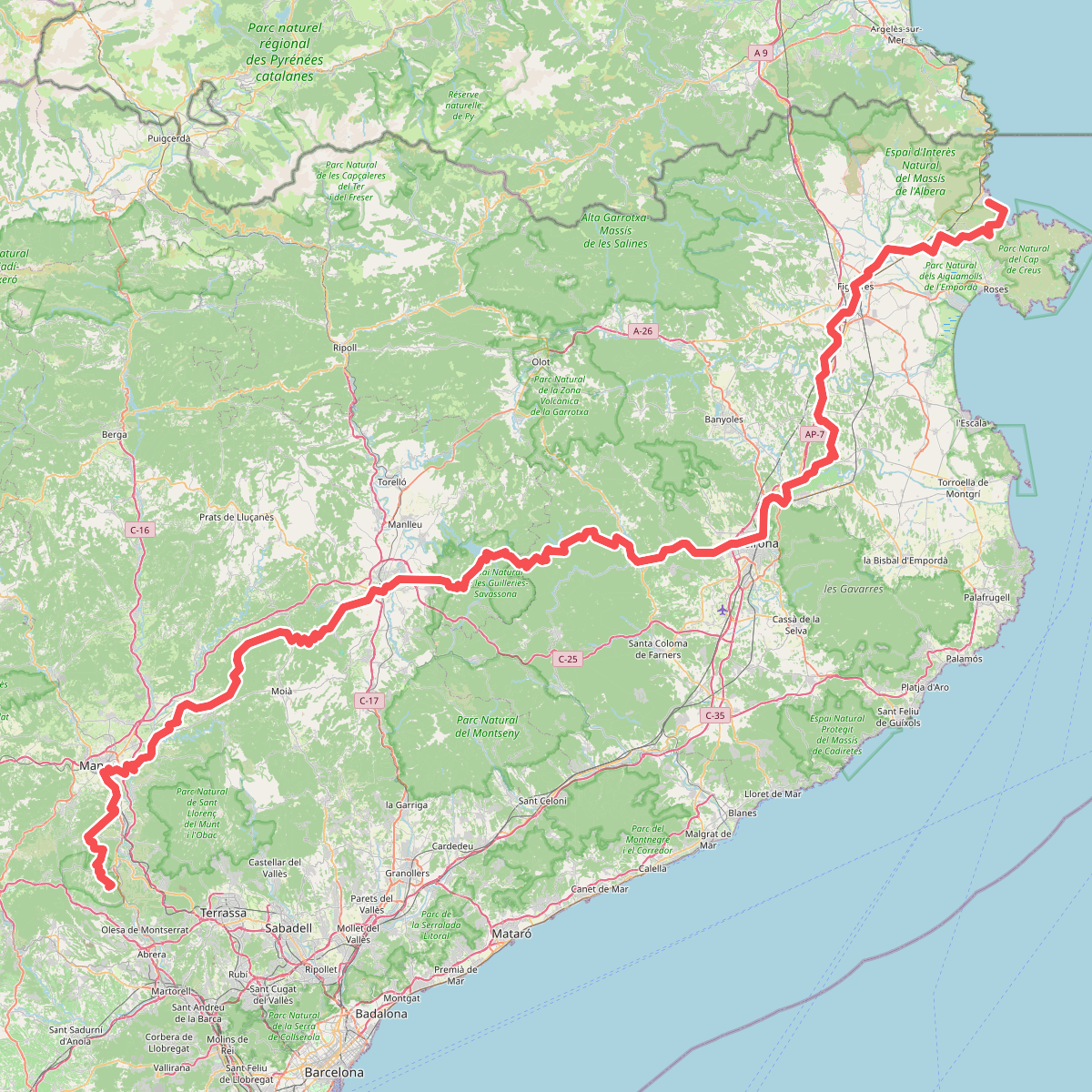
#3. Camí de Sant Jaume (Sant Pere de Rodes - Montserrat)
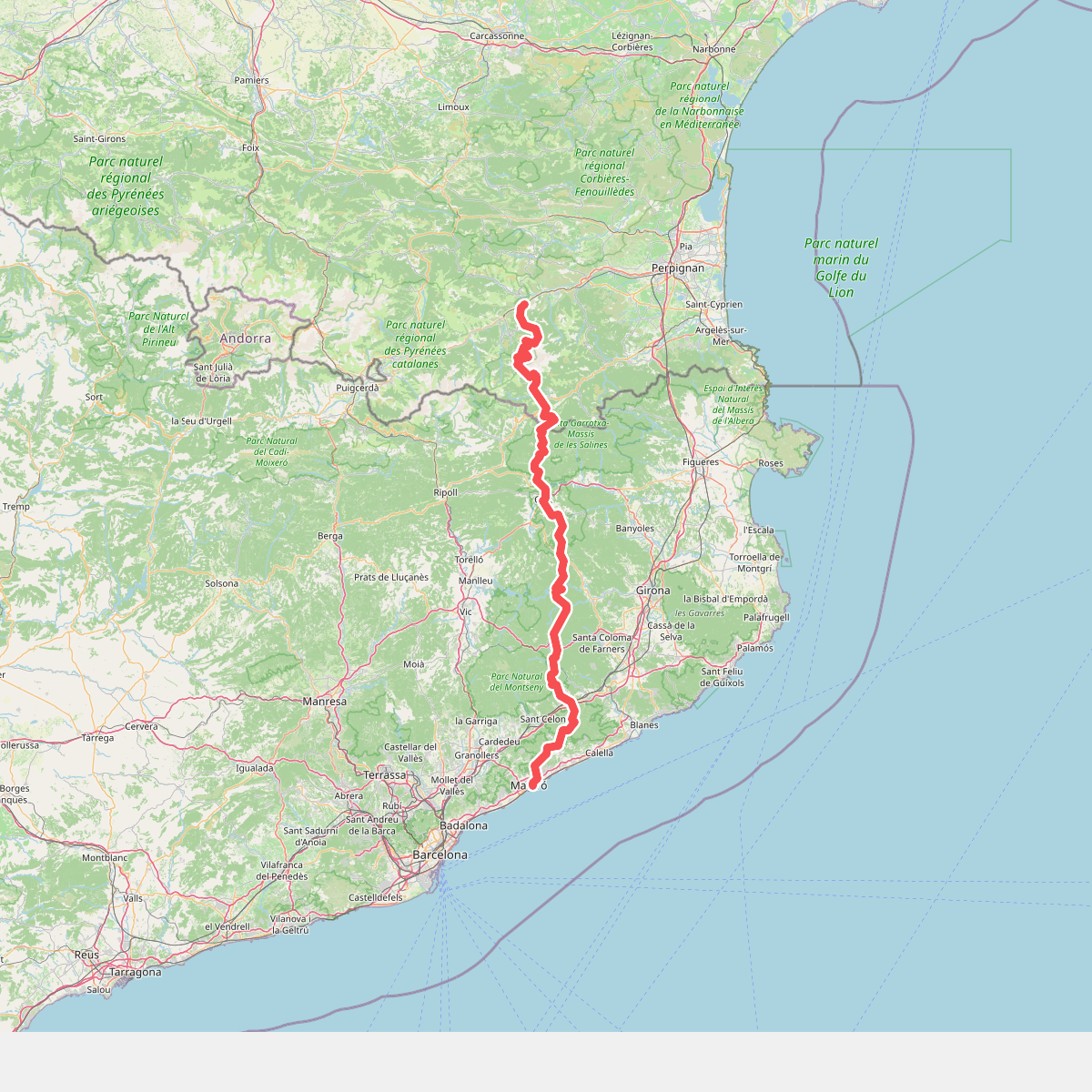
#4. Camí del nord o del Canigó
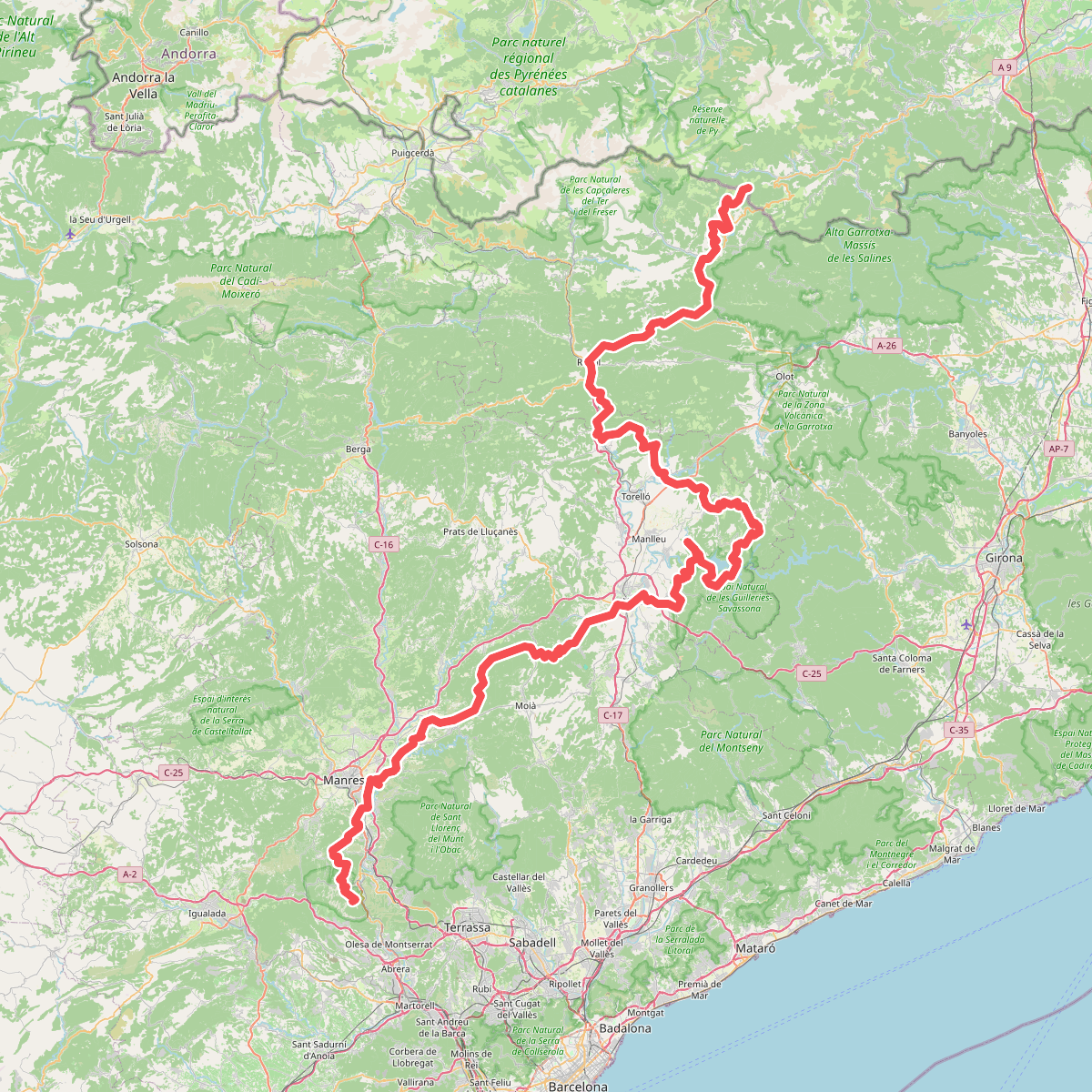
#5. Camí Oliba
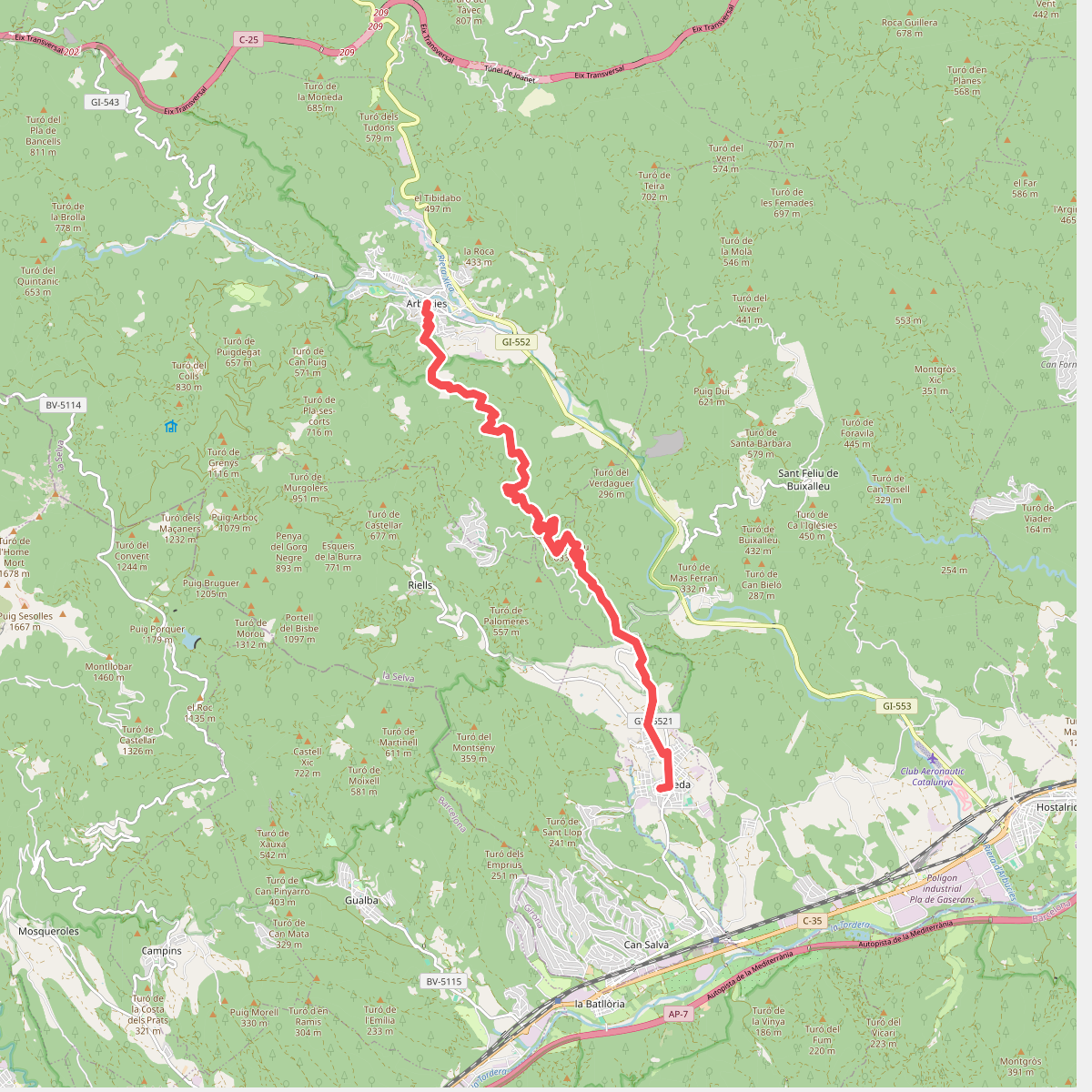
#6. Castell de Montsoriu
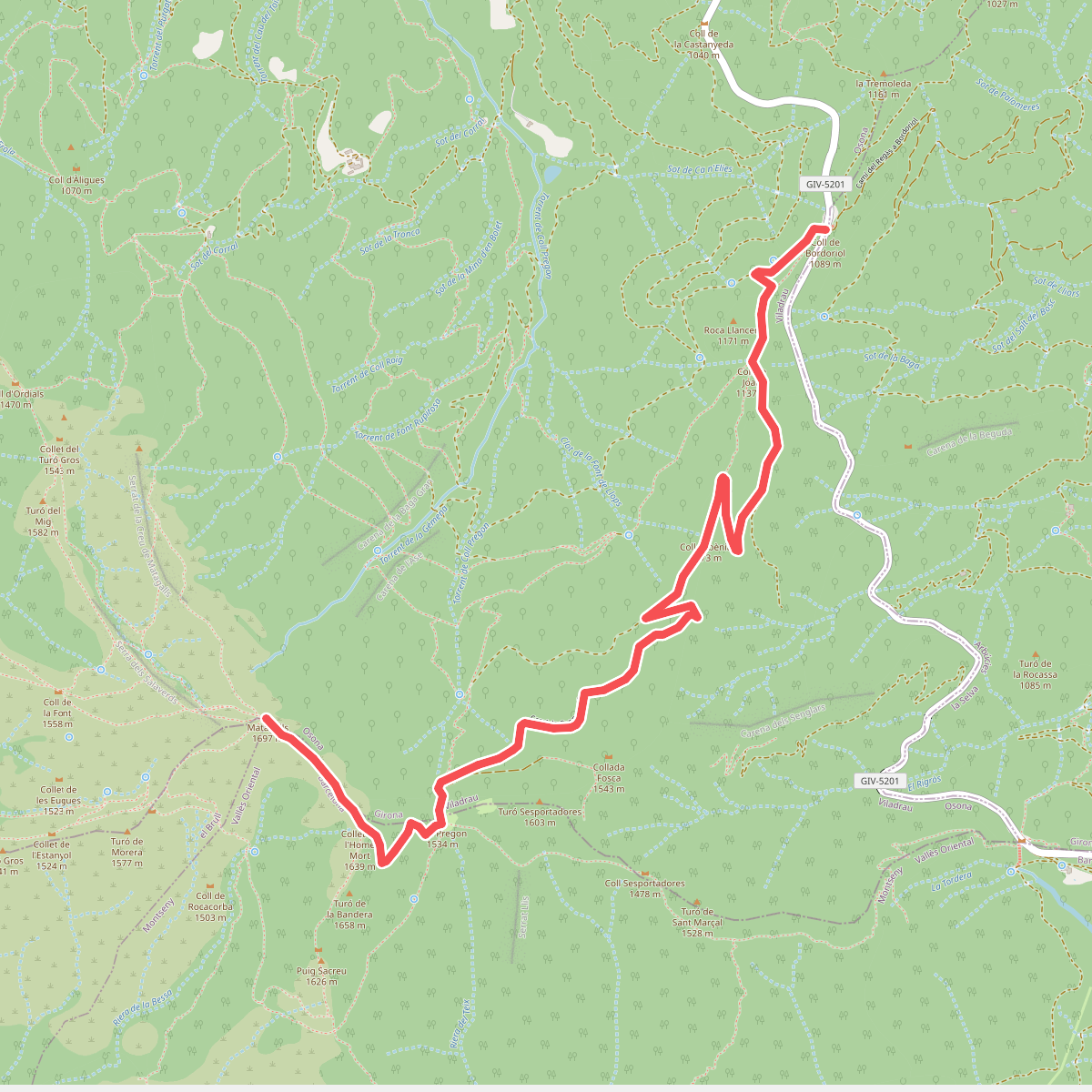
#7. Coll de Bordoriol-Coll Pregon
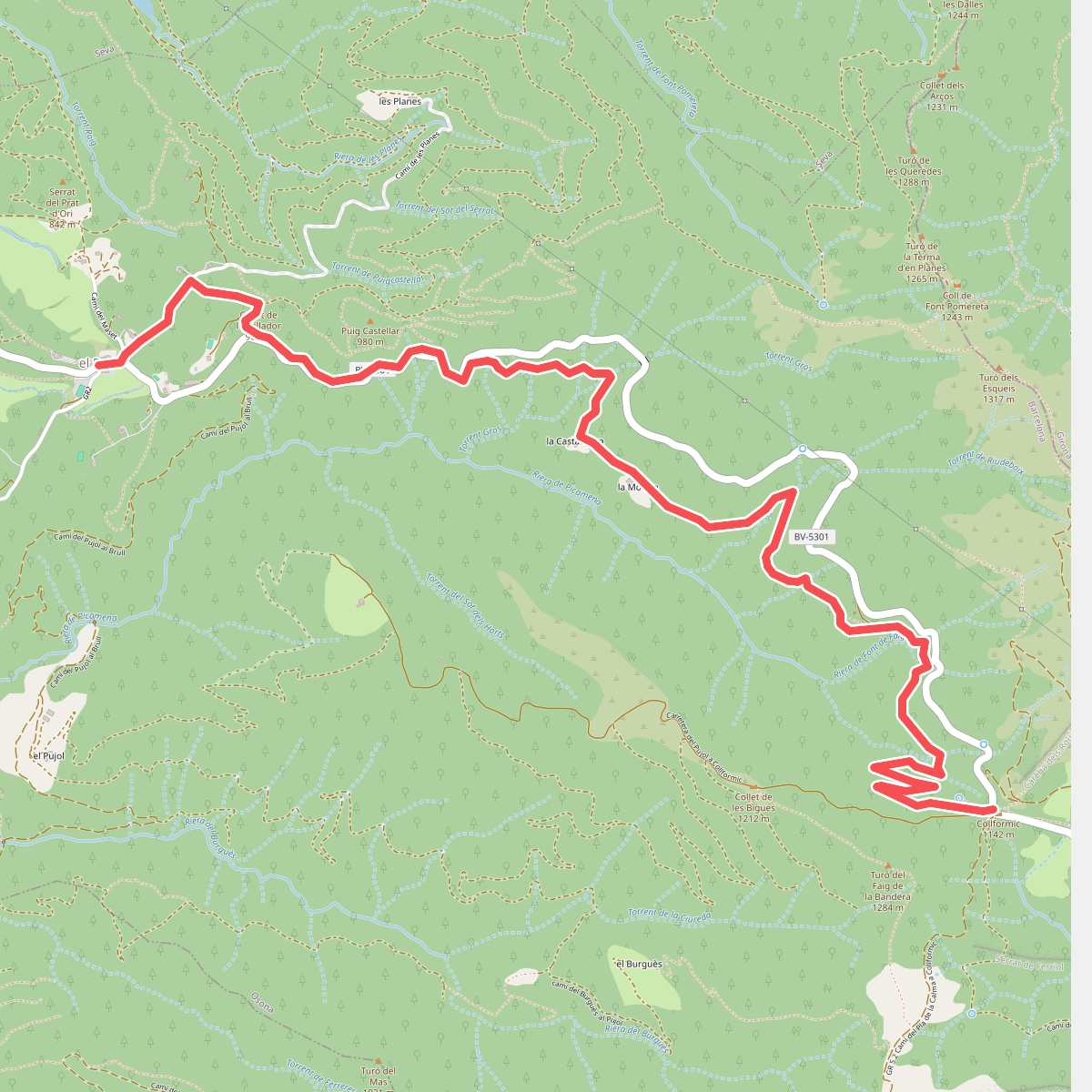
#8. De Brull a Collformic
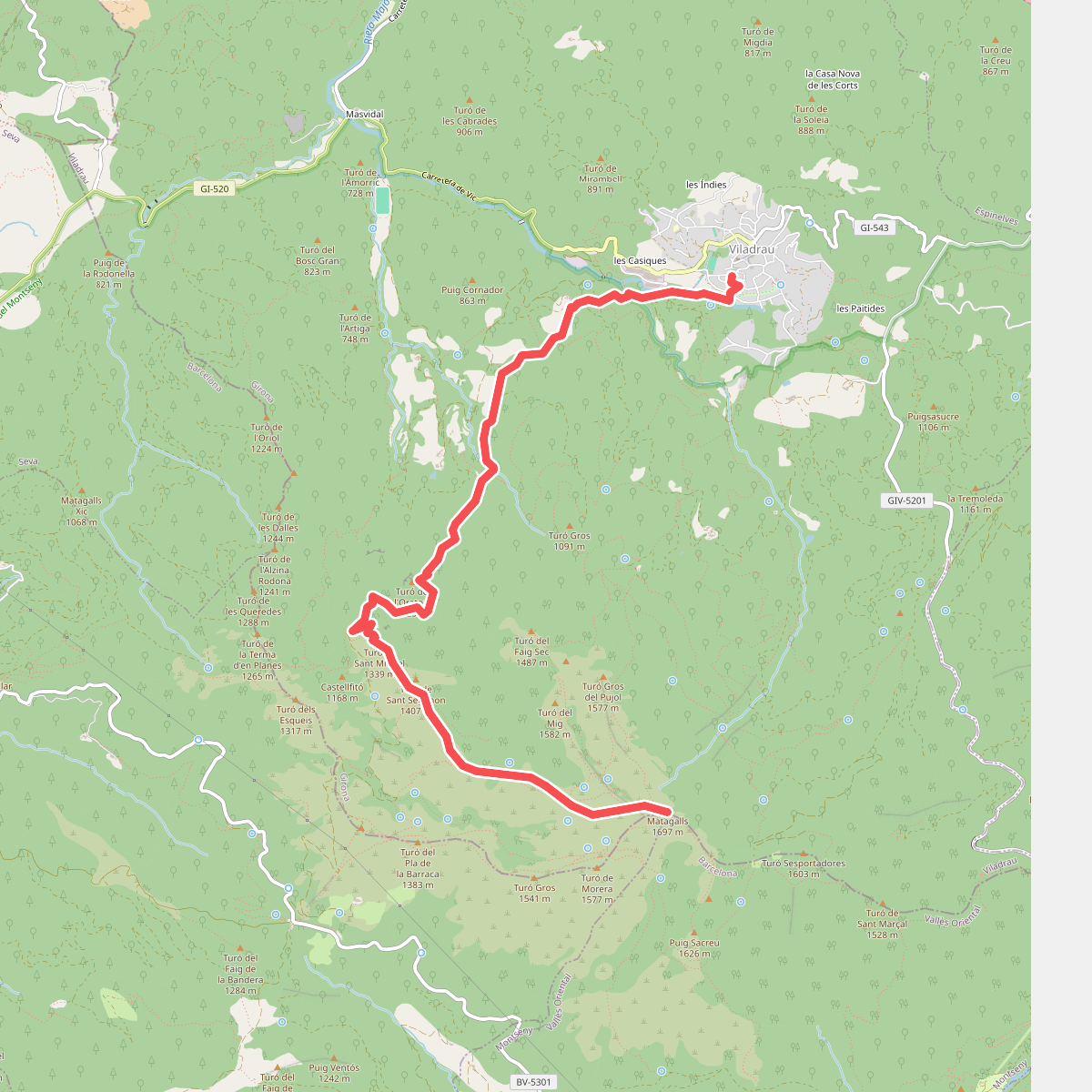
#9. De Viladrau a Matagalls
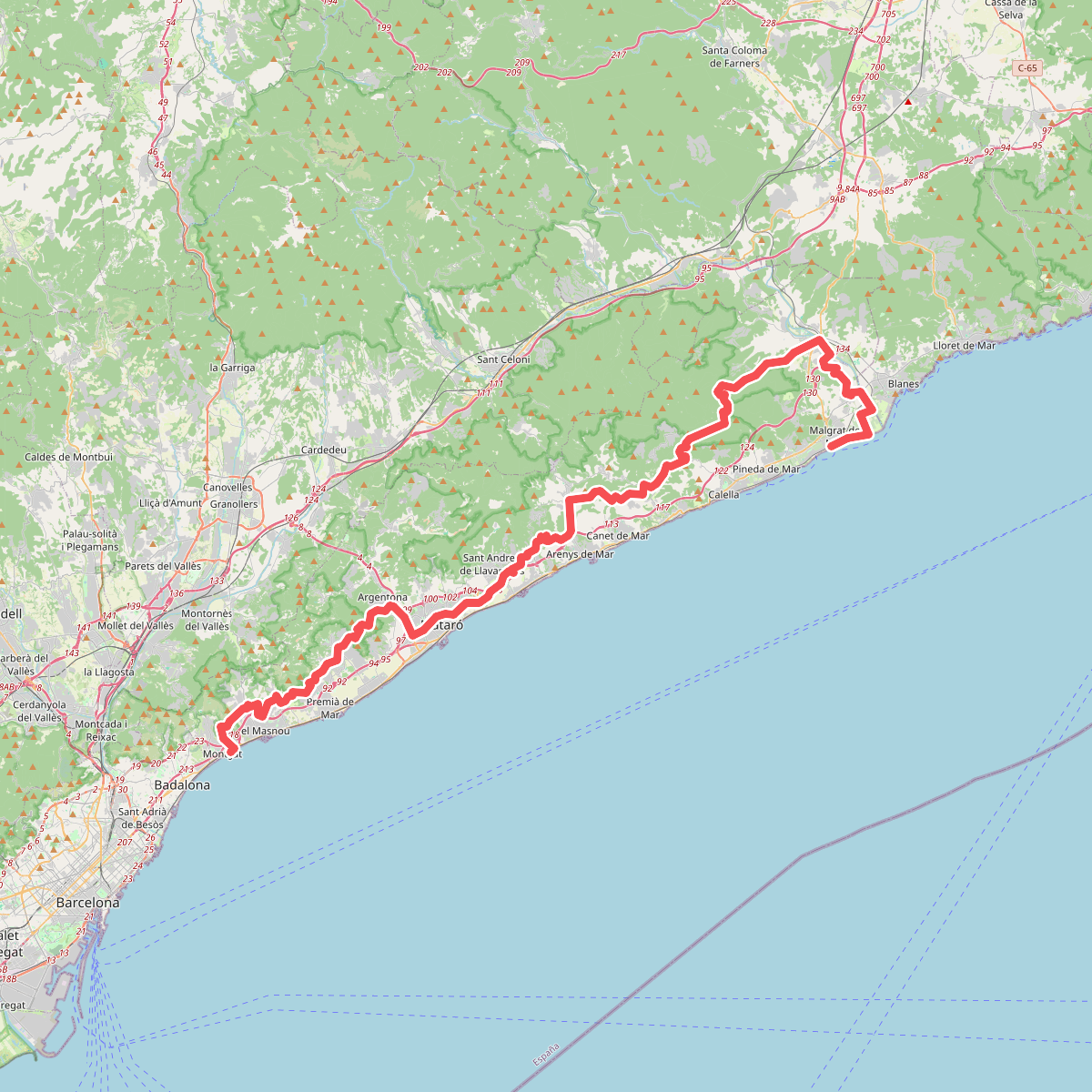
#10. Eix Central del Maresme
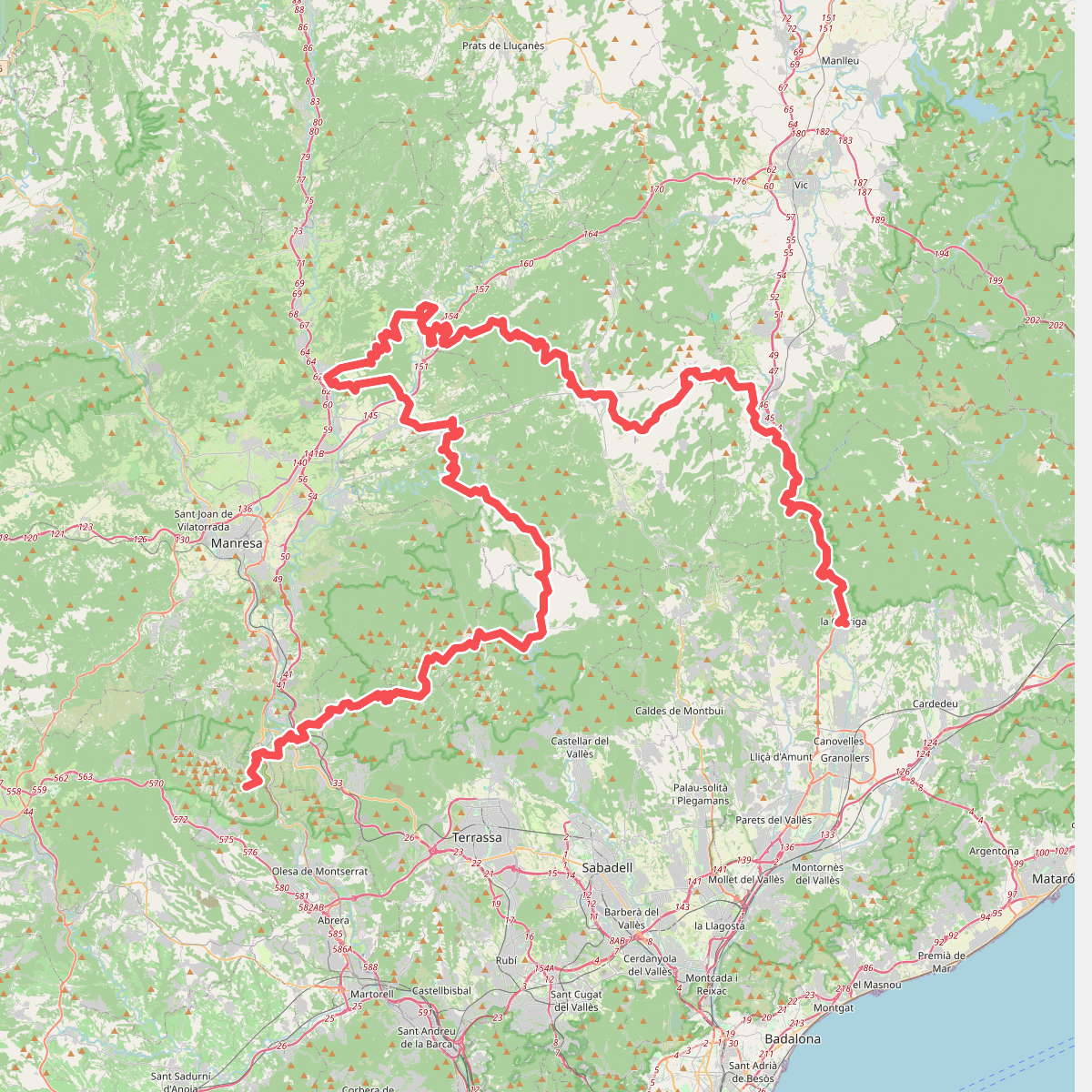
#11. El Camí IT7TR1 El Camí de Llevant: de Montserrat a Salses