
The best hiking routes in Nacionalni park Sjeverni Velebit
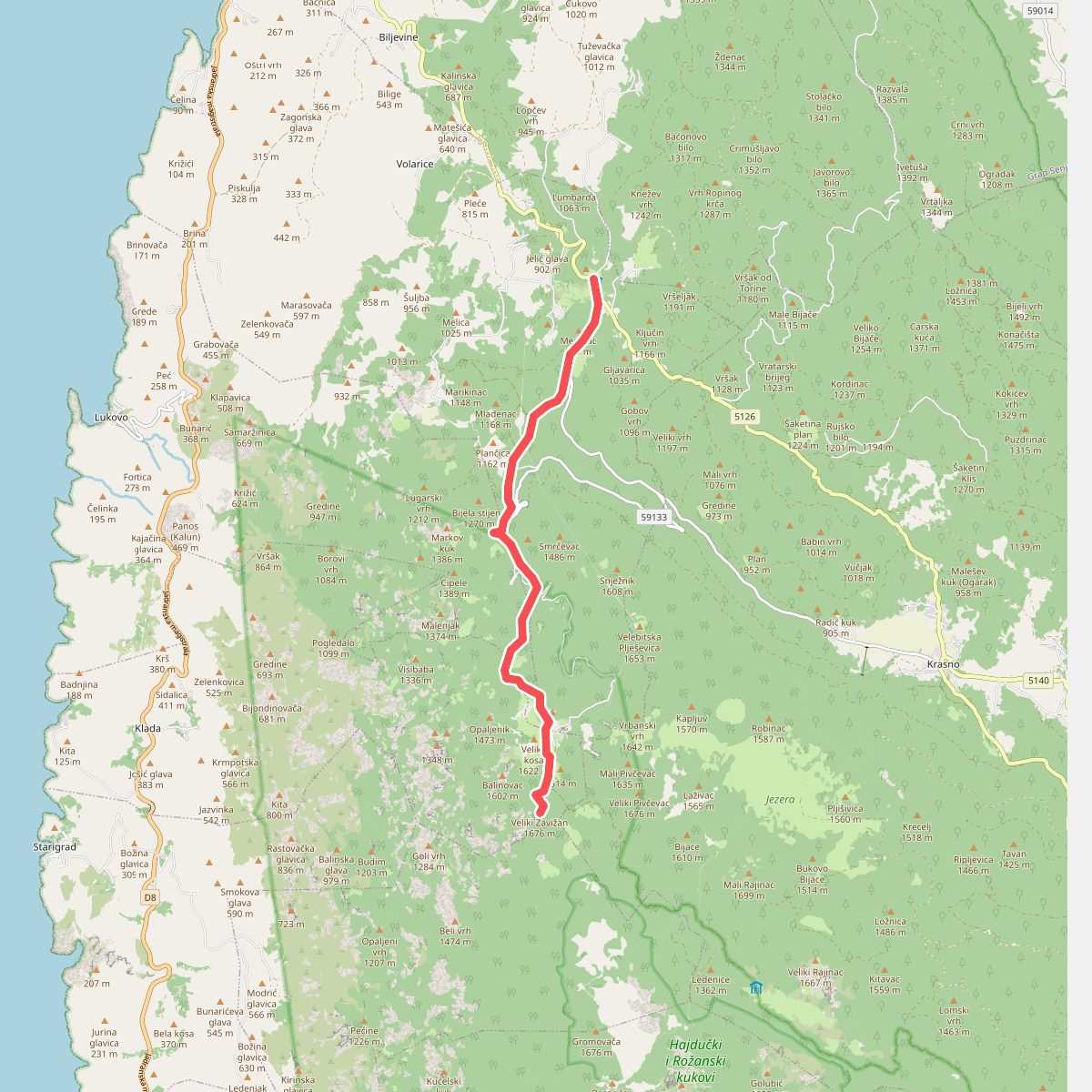
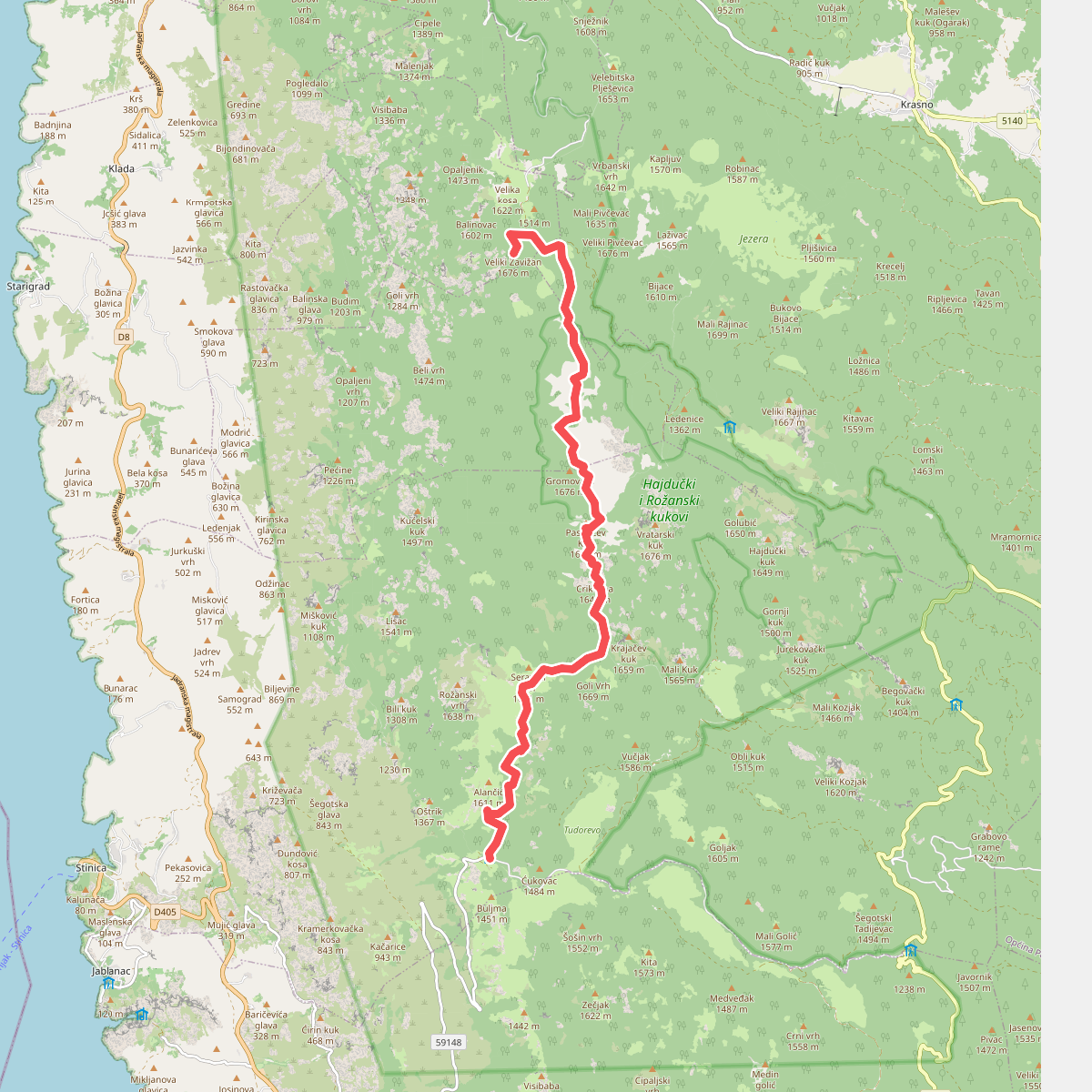
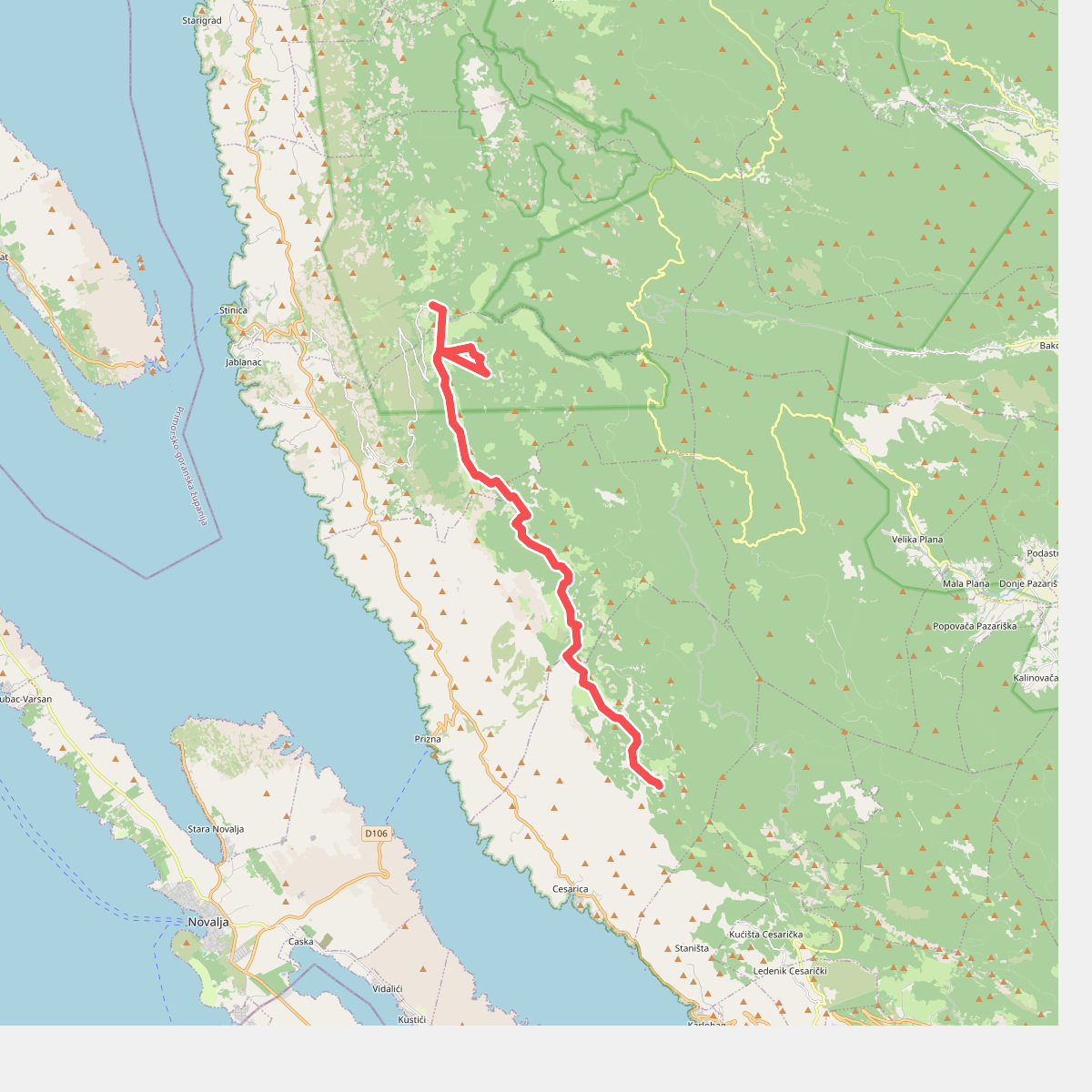
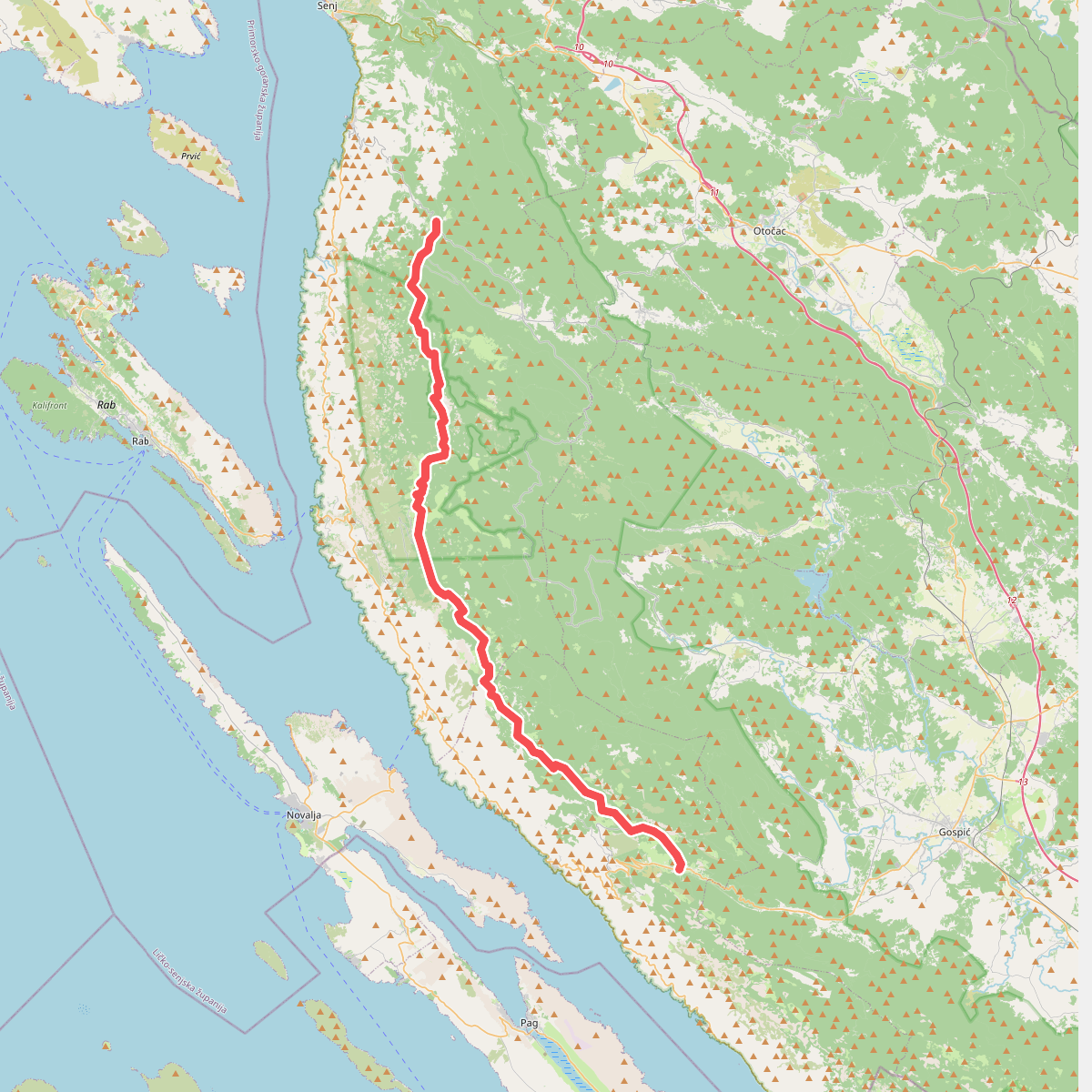
Discover the best walks in Nacionalni park Sjeverni Velebit. 4 routes on the map, with descriptions, photos and GPX.
About Nacionalni park Sjeverni Velebit
Nacionalni park Sjeverni Velebit is defined by its harsh, exposed karst landscape. Unlike softer forest parks, this terrain consists of sharp limestone formations, deep sinkholes, and barren rock fields. Walkers will find a stark contrast between the dense beech forests on the lower slopes and the completely exposed, white stone peaks higher up. The area is not a place for gentle, flat strolls; the ground is consistently uneven, requiring careful footwork over jagged limestone, loose scree, and narrow dirt paths.
Read more
About Nacionalni park Sjeverni Velebit
Nacionalni park Sjeverni Velebit is defined by its harsh, exposed karst landscape. Unlike softer forest parks, this terrain consists of sharp limestone formations, deep sinkholes, and barren rock fields. Walkers will find a stark contrast between the dense beech forests on the lower slopes and the completely exposed, white stone peaks higher up. The area is not a place for gentle, flat strolls; the ground is consistently uneven, requiring careful footwork over jagged limestone, loose scree, and narrow dirt paths.
Read moreNacionalni park Sjeverni Velebit is defined by its harsh, exposed karst landscape. Unlike softer forest parks, this terrain consists of sharp limestone formations, deep sinkholes, and barren rock fields. Walkers will find a stark contrast between the dense beech forests on the lower slopes and the completely exposed, white stone peaks higher up. The area is not a place for gentle, flat strolls; the ground is consistently uneven, requiring careful footwork over jagged limestone, loose scree, and narrow dirt paths.
The Premuųićeva staza is the central artery of the park, built as a dry-stone path that clings to the cliffs. This trail offers a level walking surface engineered to bypass the most difficult vertical climbs, making the rugged karst accessible. Off this main path, however, the trails quickly become steep and demanding, scrambling over bare rock where painted markers on the stones are the only guide. You will notice how the vegetation changes abruptly from sheltered sinkholes filled with cold-resistant plants to wind-sheared dwarf pines on the ridges.
This park does not offer lush meadows or flowing rivers, as water immediately disappears into the porous limestone. Instead, the landscape is defined by its dry, grey stone structures and vast grassy depressions. In June, the alpine botany is particularly visible along the path edges before the summer heat dries the thin soil. Walkers should expect a demanding environment where progress is slower than on standard forest tracks due to the constant presence of rocks underfoot.