The best hiking routes in Kurtuvėnų regioninis parkas
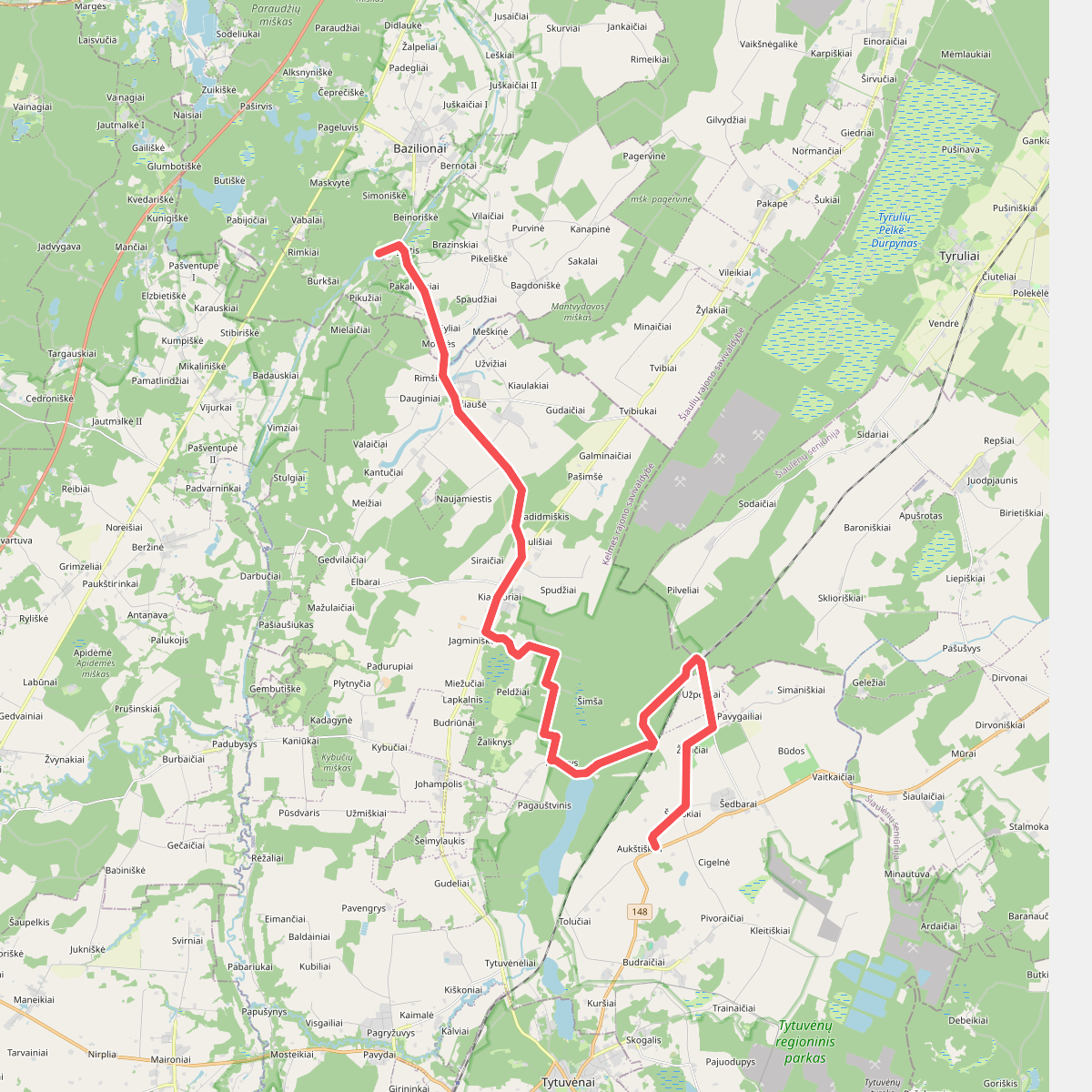
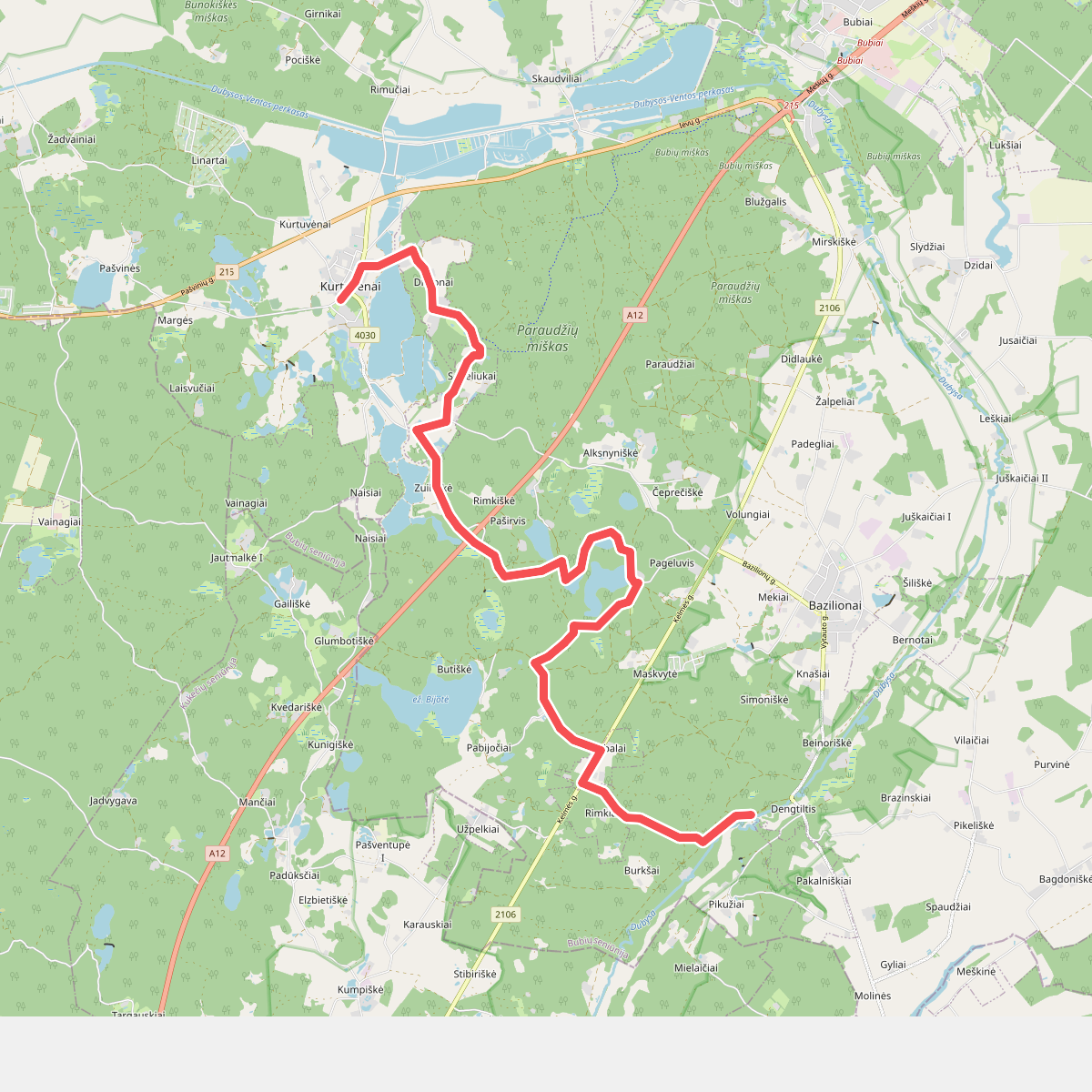
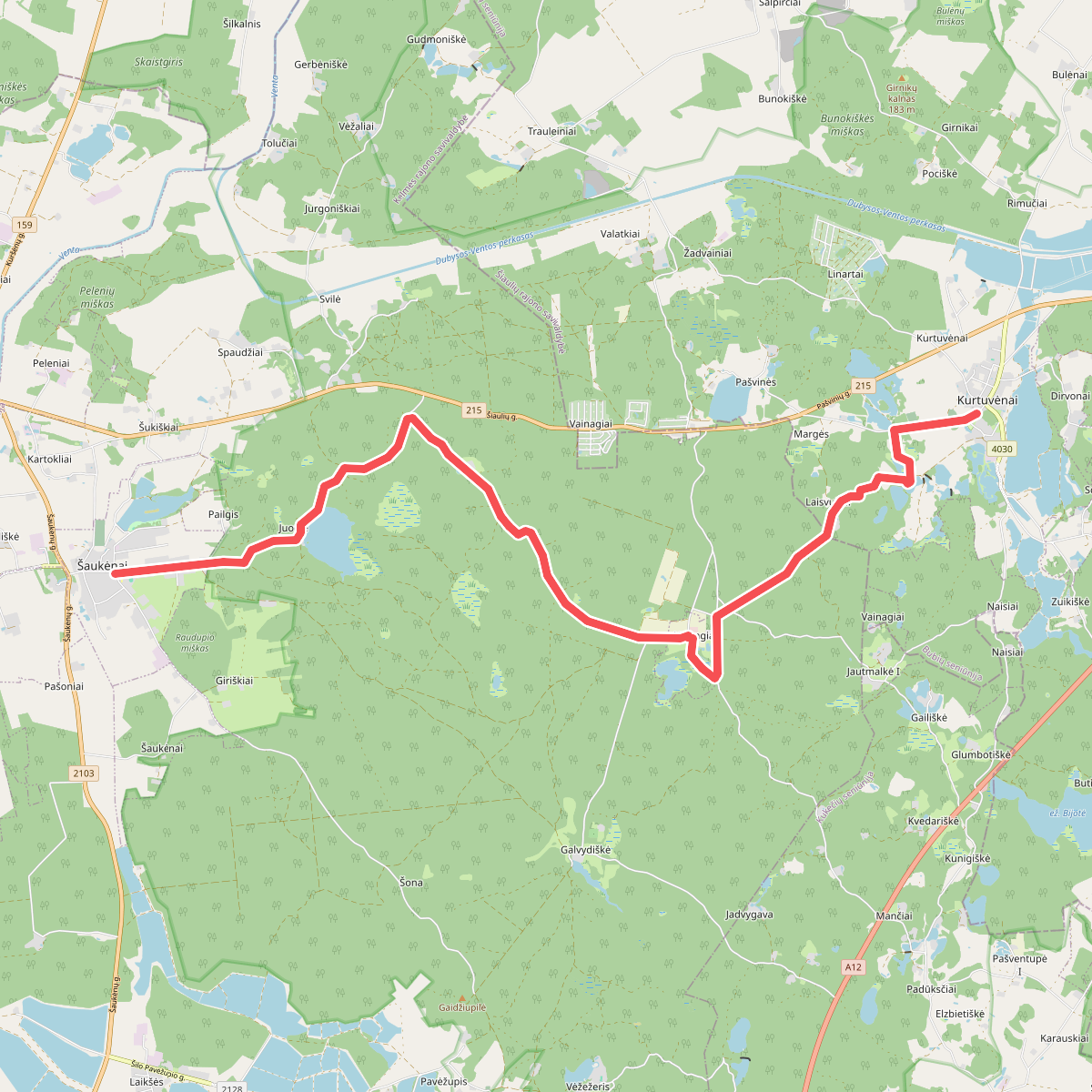
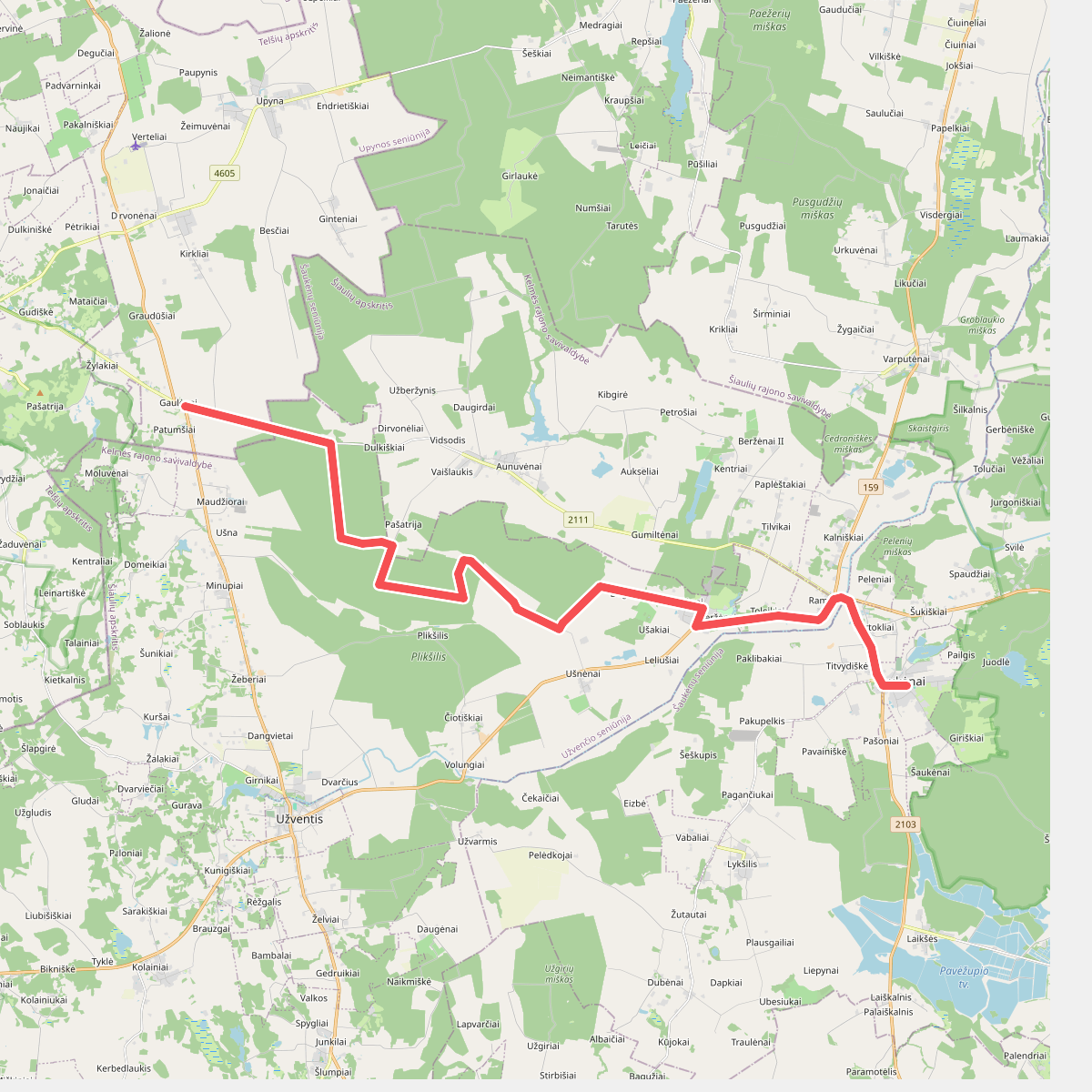
Discover the best walks in Kurtuvėnų regioninis parkas. 4 routes on the map, with descriptions, photos and GPX.
About Kurtuvėnų regioninis parkas
Kurtuvėnų regioninis parkas is a landscape shaped by glacial activity, characterized by a dense network of small lakes, forested hills, and marshy depressions. Unlike the flat plains of central Lithuania, this area features rolling moraine ridges and deep, steep-sided kettle holes left by melting ice blocks. Walkers will find a distinct contrast between the dry, sandy pine forests covering the ridges and the damp, peat-filled hollows where spruce and deciduous trees thrive.
Read more
About Kurtuvėnų regioninis parkas
Kurtuvėnų regioninis parkas is a landscape shaped by glacial activity, characterized by a dense network of small lakes, forested hills, and marshy depressions. Unlike the flat plains of central Lithuania, this area features rolling moraine ridges and deep, steep-sided kettle holes left by melting ice blocks. Walkers will find a distinct contrast between the dry, sandy pine forests covering the ridges and the damp, peat-filled hollows where spruce and deciduous trees thrive.
Read moreKurtuvėnų regioninis parkas is a landscape shaped by glacial activity, characterized by a dense network of small lakes, forested hills, and marshy depressions. Unlike the flat plains of central Lithuania, this area features rolling moraine ridges and deep, steep-sided kettle holes left by melting ice blocks. Walkers will find a distinct contrast between the dry, sandy pine forests covering the ridges and the damp, peat-filled hollows where spruce and deciduous trees thrive.
Underfoot, the terrain dictates the walking experience. Sandy tracks dominate the higher pine ridges, requiring steady footing, while low-lying wetland sections are crossed via wooden boardwalks or damp dirt paths that follow the edges of the lakes. The park is also known for its extensive network of historic fishponds around Kurtuvėnai, where the open water and reed beds create a completely different, more open environment than the enclosed forest trails.
This park does not offer dramatic mountain vistas or deep river canyons, but rather a quiet, undulating woodland landscape. The well-known trails near the main lakes and the Kurtuvėnai estate can be busier on weekends, while the deeper forest paths in the southern sections of the park are often quieter. In October, the mixed forests on the moraine slopes turn yellow and red, making the topography of the ridges and hollows much easier to read from the path.