
The best hiking routes in Grigna Settentrionale
Discover the best walks in Grigna Settentrionale. 16 routes on the map, with descriptions, photos and GPX.
About Grigna Settentrionale
Grigna Settentrionale is a steep limestone massif rising sharply above the eastern shore of Lake Como. Unlike the rounded, grassy peaks found in other parts of the Lombard Prealps, this mountain is defined by its stark, pale grey rock faces, deep fissures, and extensive karst formations. Walkers will immediately notice the barren, almost lunar appearance of the higher elevations, where water drains instantly into underground cave systems, leaving the surface dry and rugged.
Read more
About Grigna Settentrionale
Grigna Settentrionale is a steep limestone massif rising sharply above the eastern shore of Lake Como. Unlike the rounded, grassy peaks found in other parts of the Lombard Prealps, this mountain is defined by its stark, pale grey rock faces, deep fissures, and extensive karst formations. Walkers will immediately notice the barren, almost lunar appearance of the higher elevations, where water drains instantly into underground cave systems, leaving the surface dry and rugged.
Read moreGrigna Settentrionale is a steep limestone massif rising sharply above the eastern shore of Lake Como. Unlike the rounded, grassy peaks found in other parts of the Lombard Prealps, this mountain is defined by its stark, pale grey rock faces, deep fissures, and extensive karst formations. Walkers will immediately notice the barren, almost lunar appearance of the higher elevations, where water drains instantly into underground cave systems, leaving the surface dry and rugged.
Underfoot, the terrain demands constant attention. Lower trails wind through dense beech and larch woods on dirt paths, but as you ascend, the soil gives way to loose limestone scree, sharp rocky steps, and exposed ledges. Some of the higher routes require scrambling and are equipped with fixed metal chains to assist balance over the steep rock. This is not a place for gentle, rolling strolls; the climbs are sustained and physically demanding, with significant elevation gain starting right from the trailheads.
In late spring, around June, the lower grassy slopes beneath the rock walls are filled with alpine wildflowers, contrasting with the bare stone above. While the summit ridges offer clear views of the surrounding lake and jagged ridges, the environment remains harsh and exposed. The area is popular with local mountaineers, meaning the classic routes to the main peaks are well-trodden, though the labyrinth of karst hollows away from the main paths feels remote and silent.
Hiking routes in Grigna Settentrionale (16)
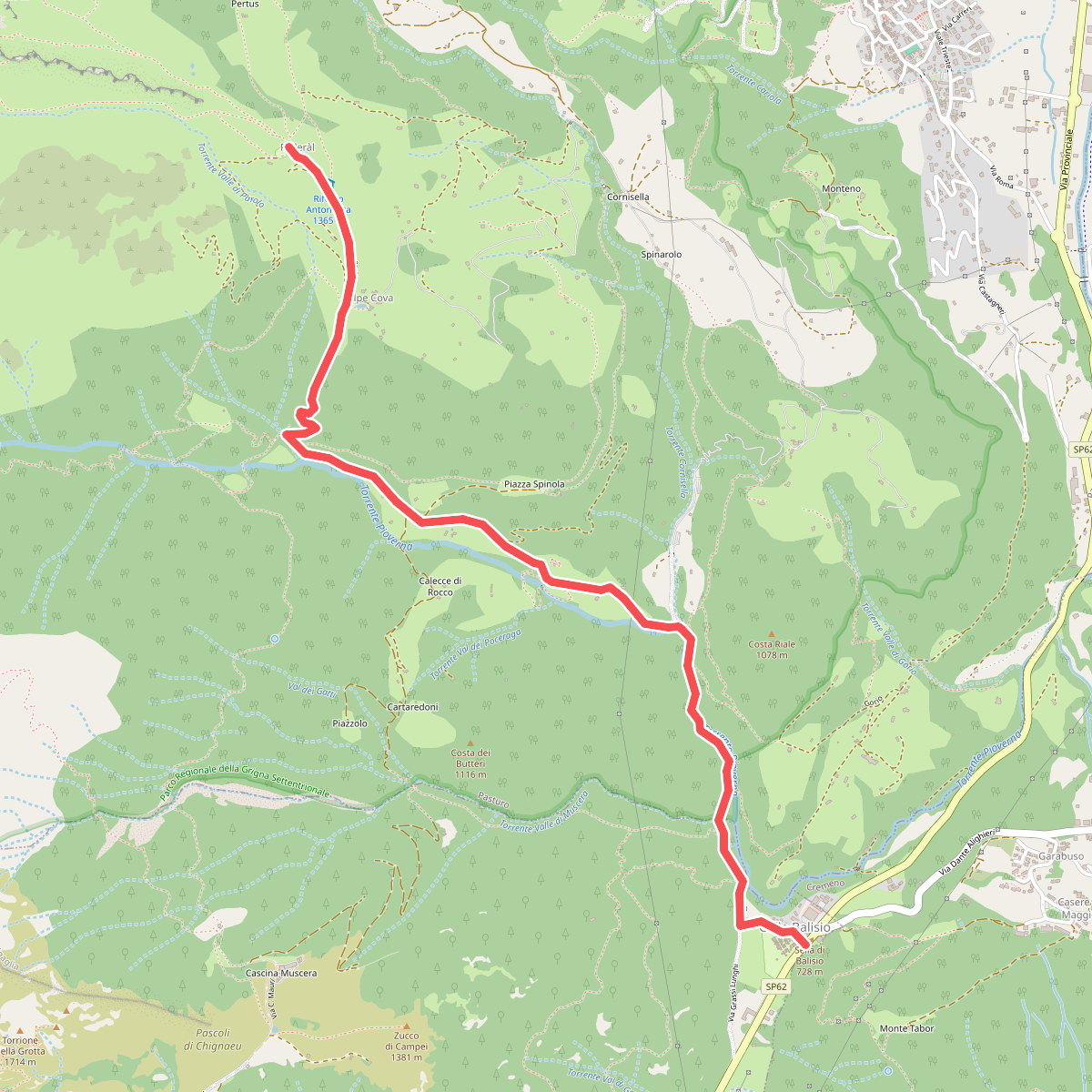
#1. Balisio - Pialeral
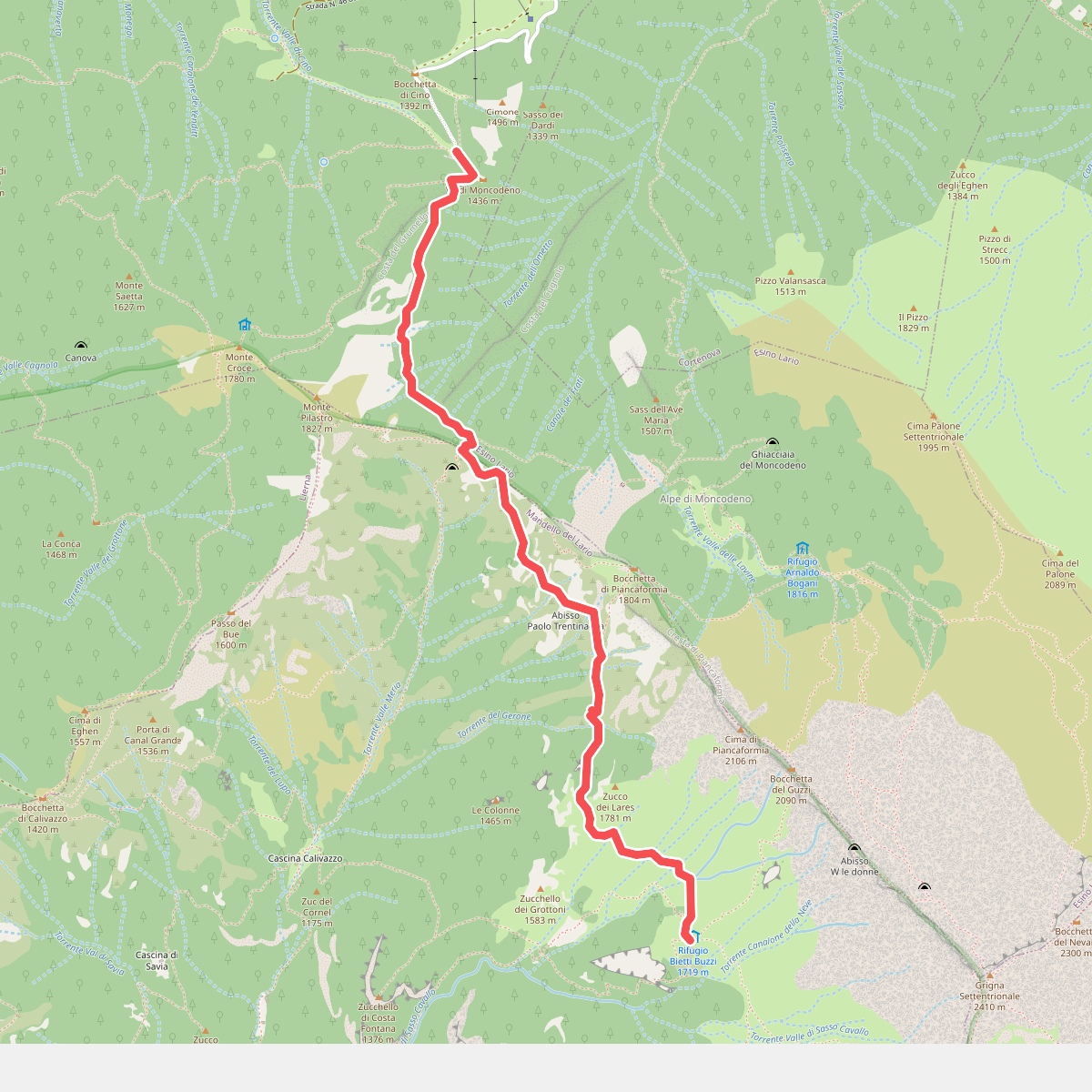
#2. Cainallo - Rifugio Bietti
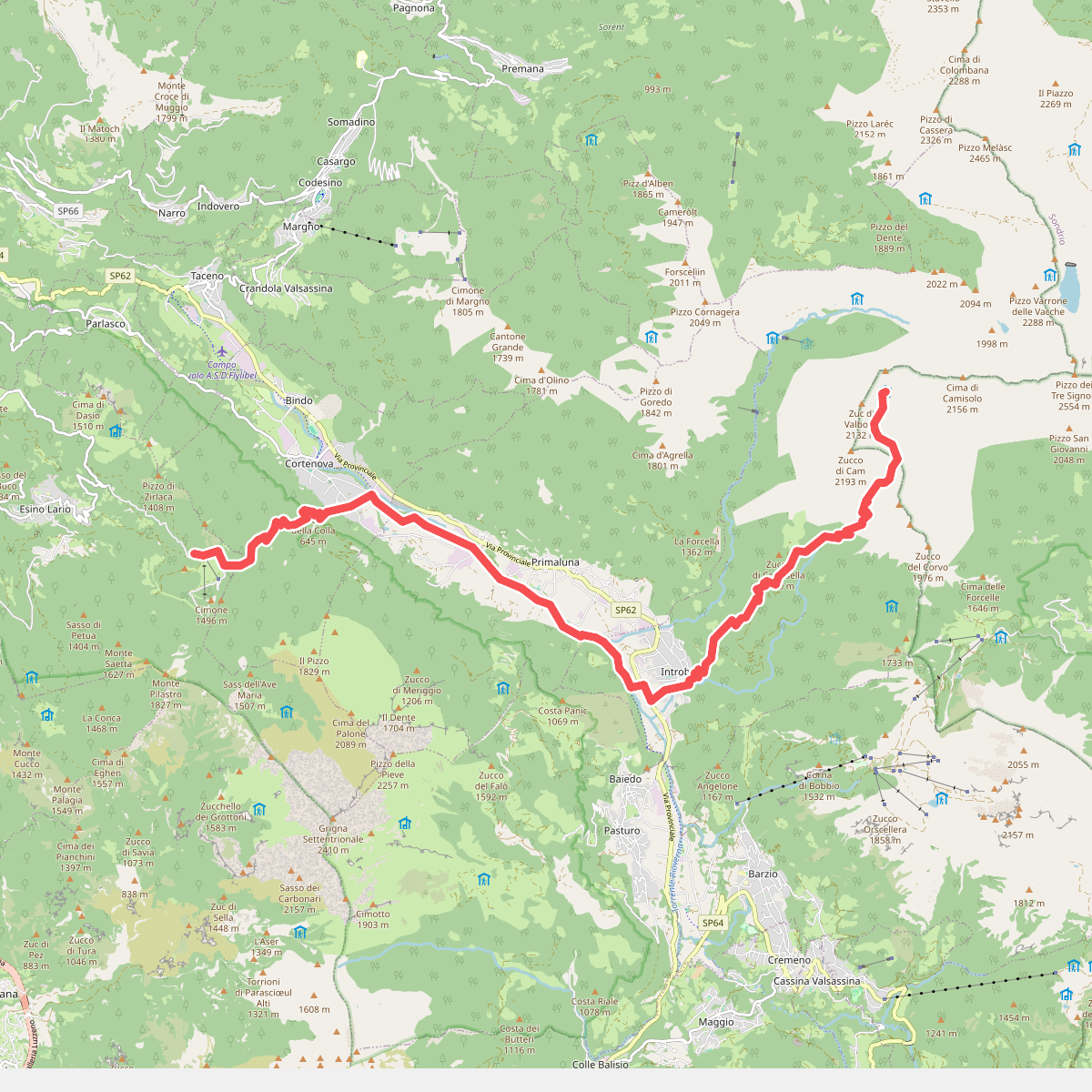
#3. CamminaForeste - Tappa 7D
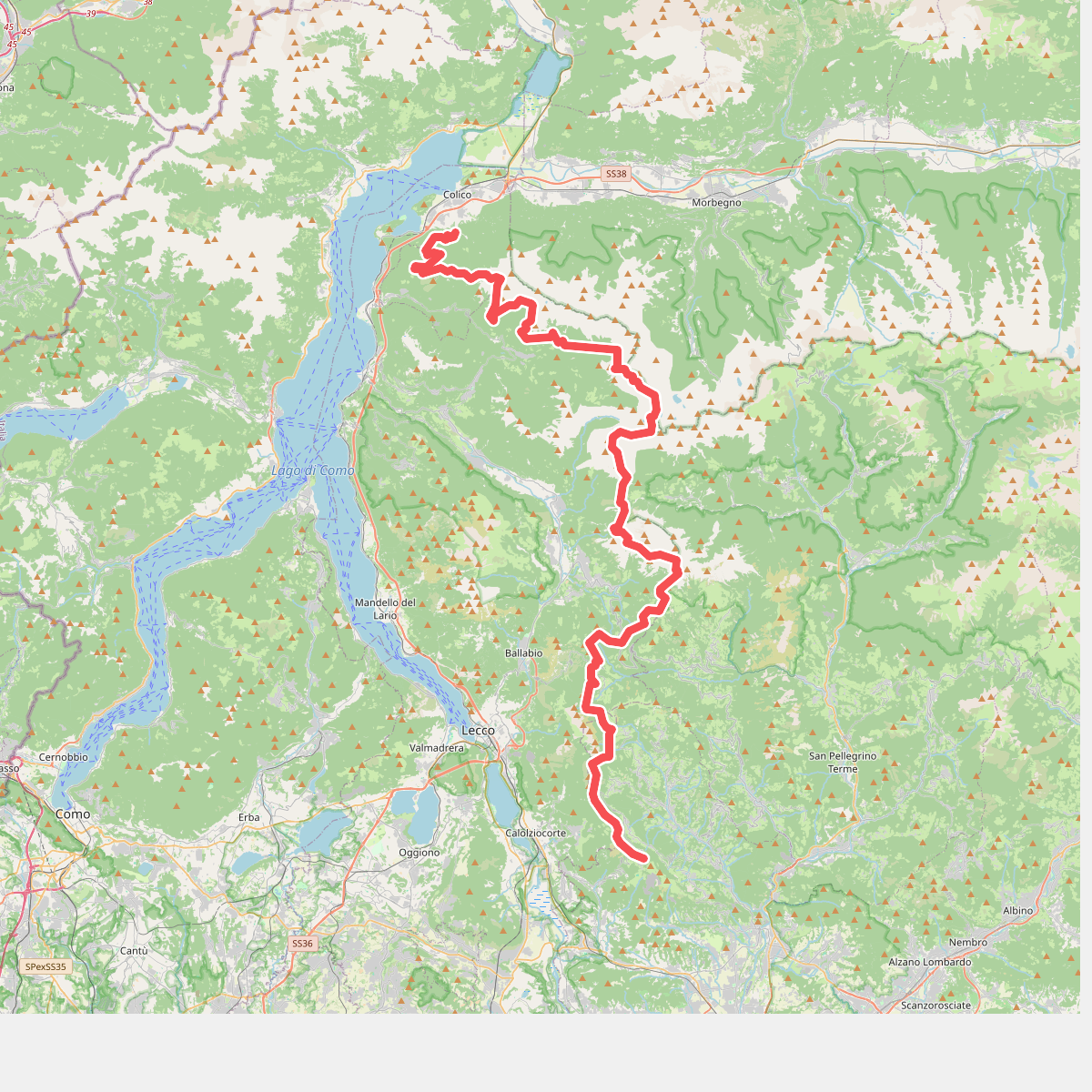
#4. Dorsale Orobica Lecchese (percorso alto)
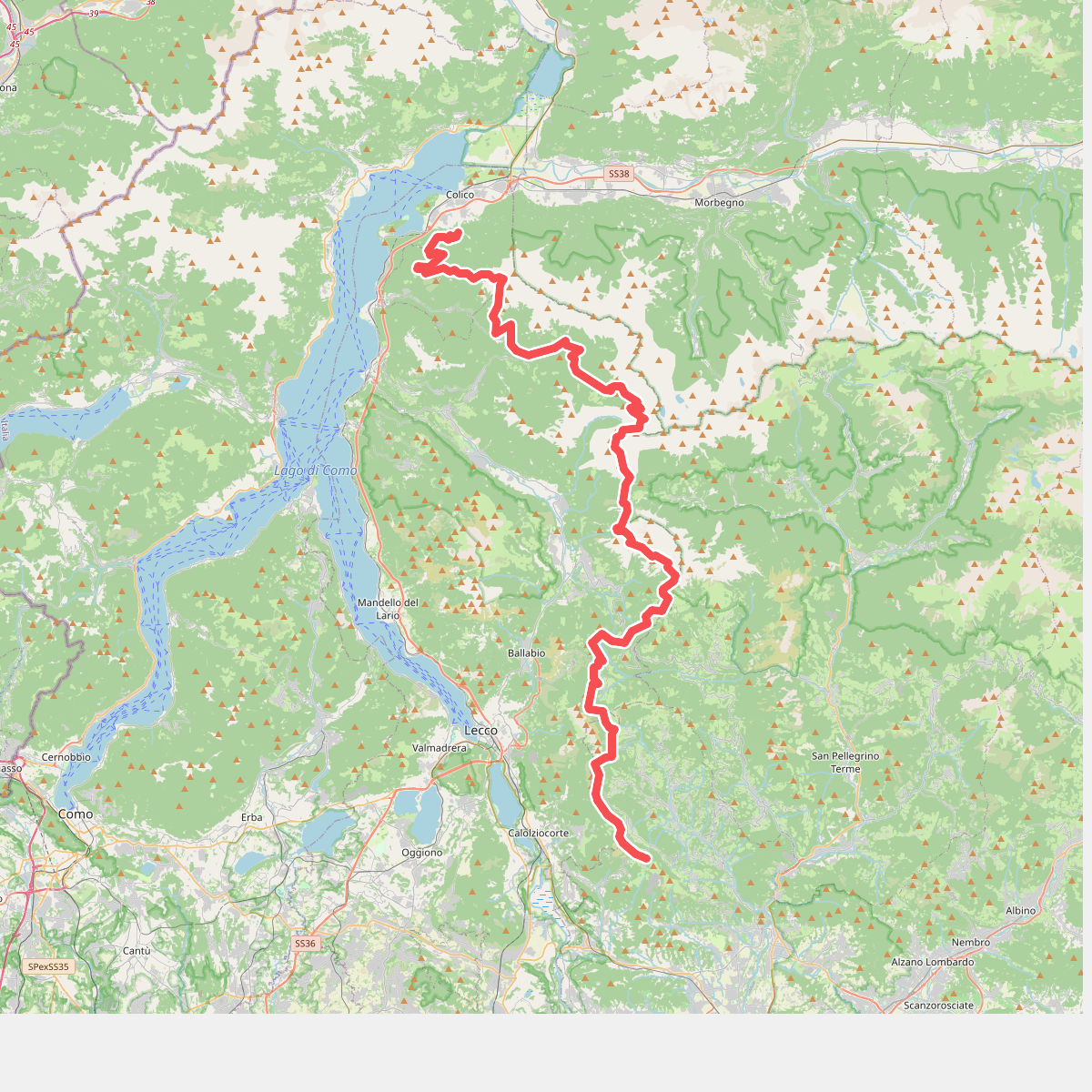
#5. Dorsale Orobica Lecchese (percorso basso)
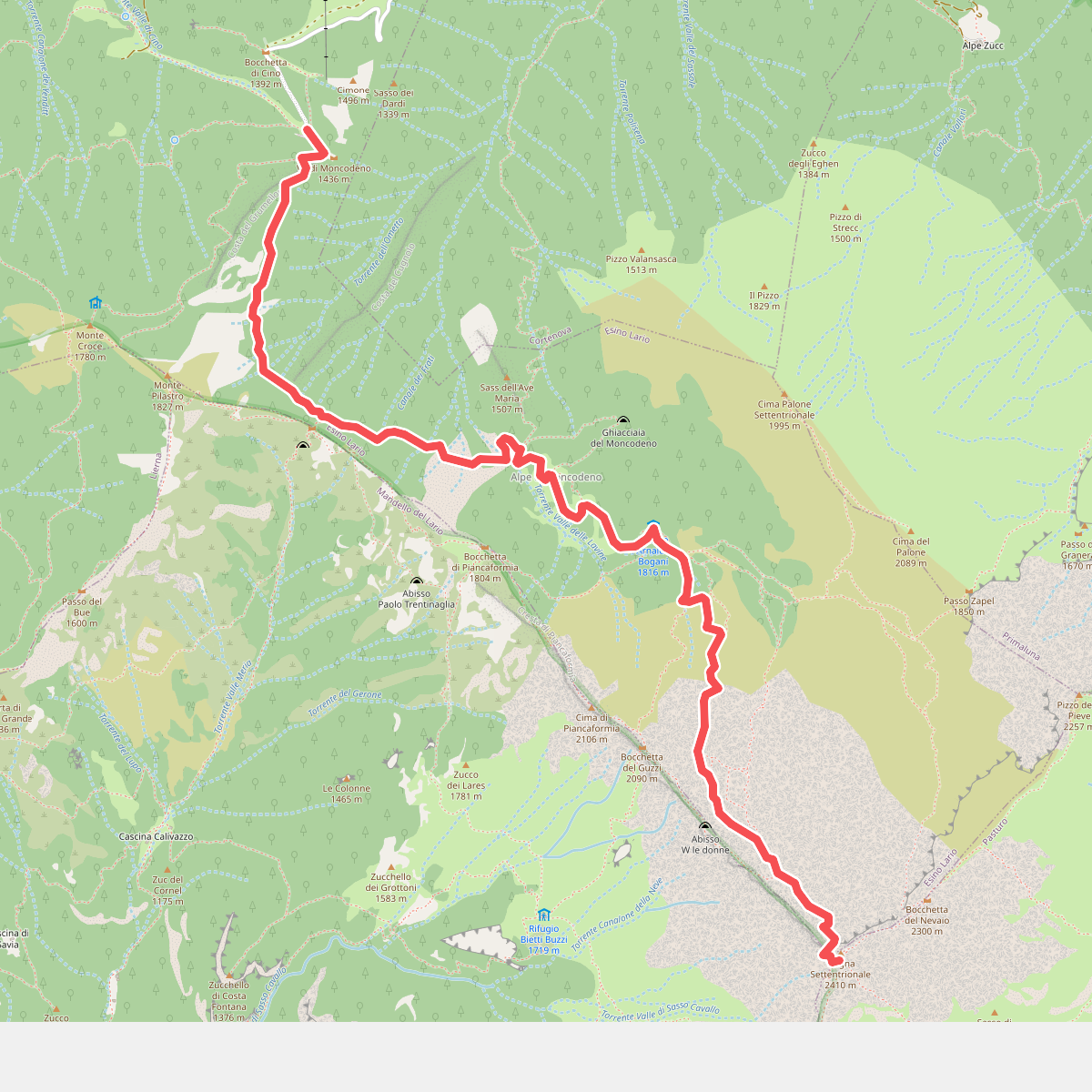
#6. Esino - Rifugio Brioschi
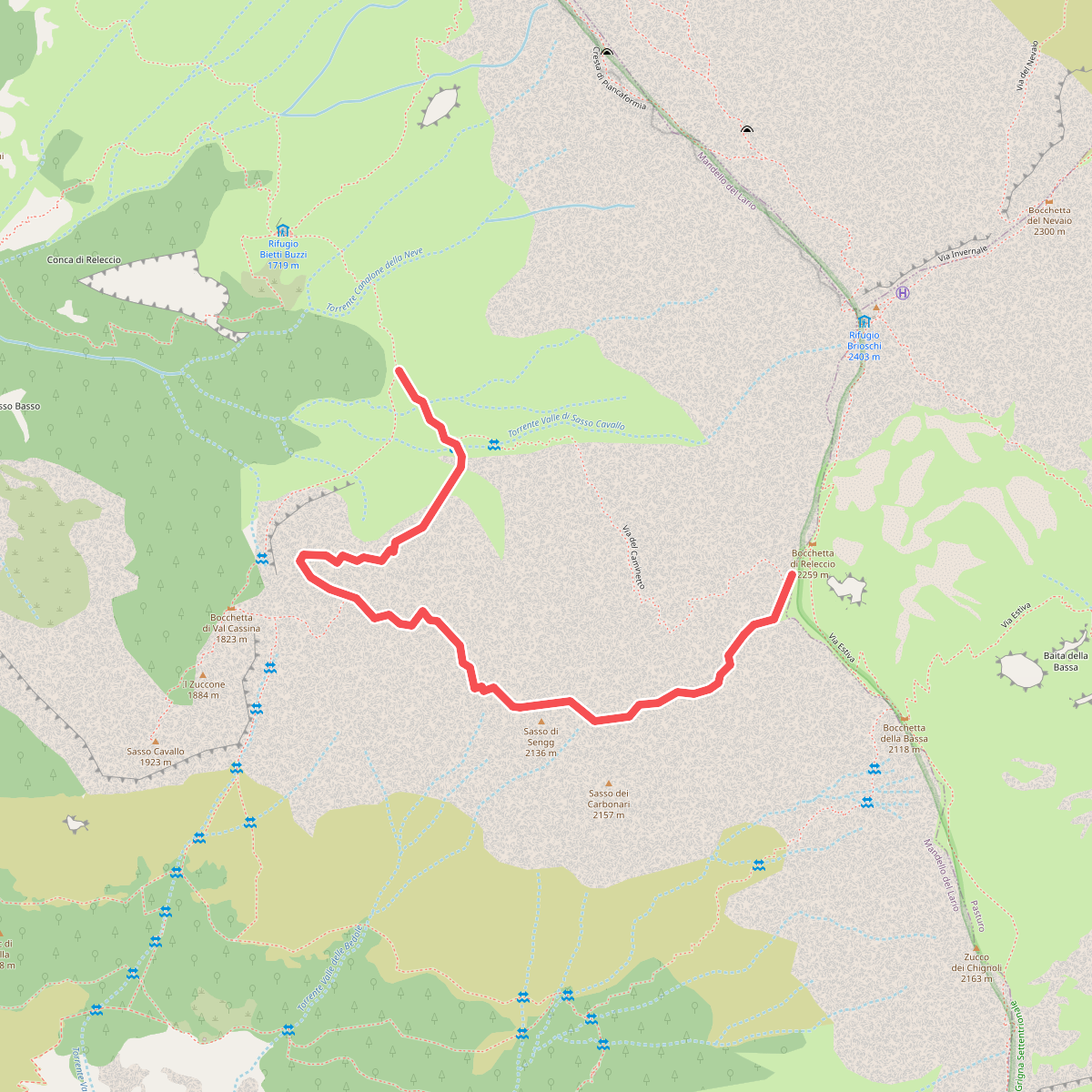
#7. Ferrata del Sasso Carbonari
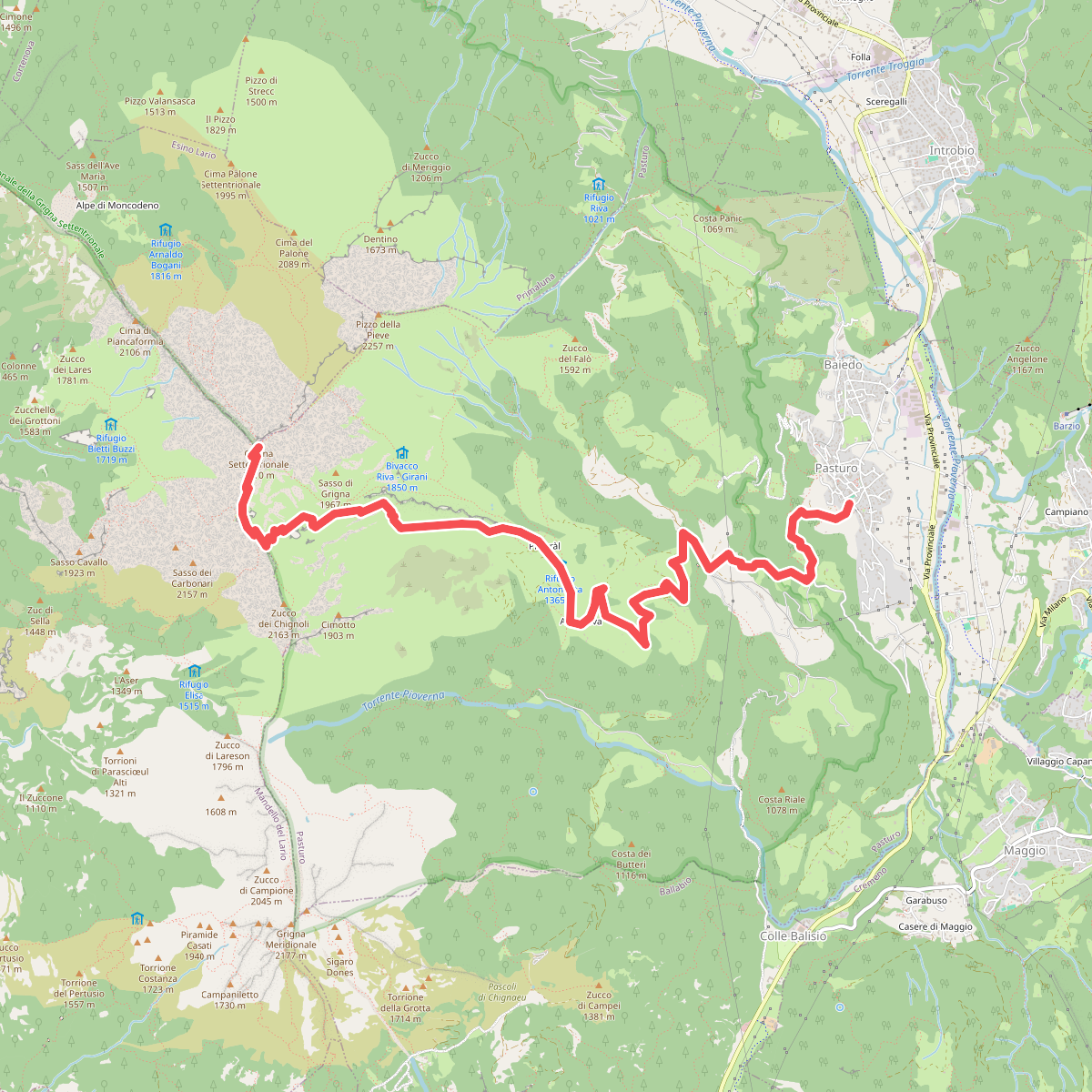
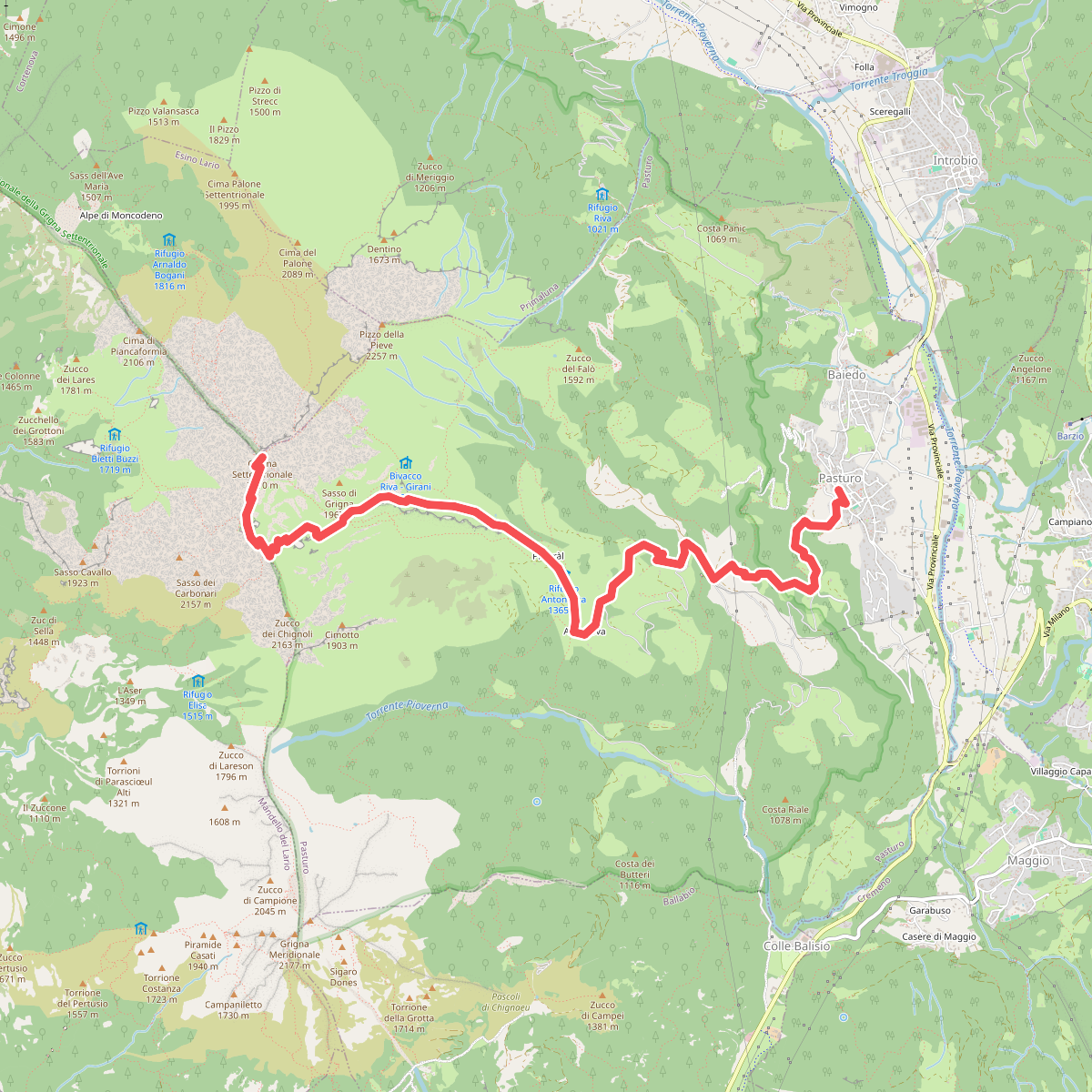
#8. Pasturo - Grignone (via estiva)
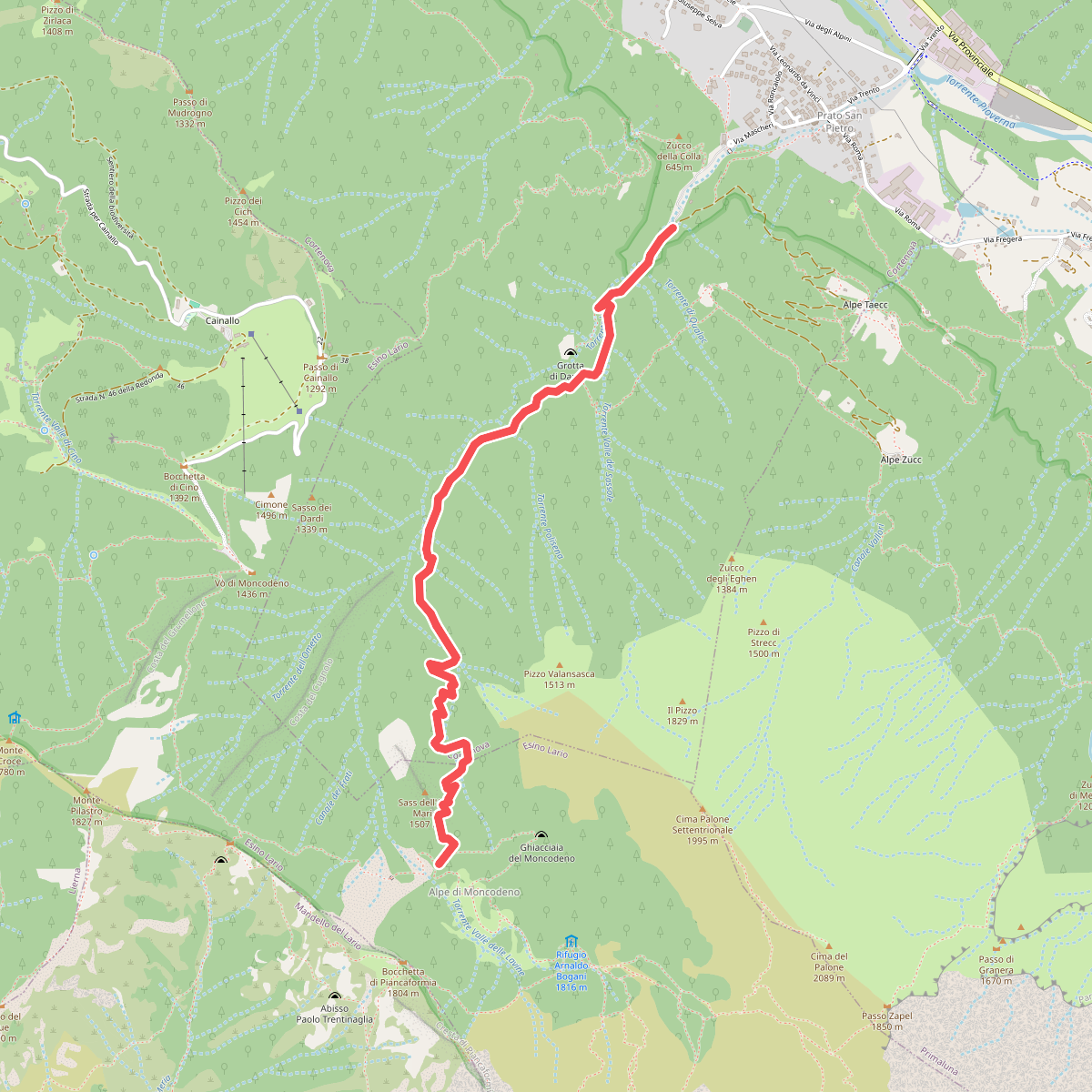
#9. Sentiero 37/39: Valle dei Mulini
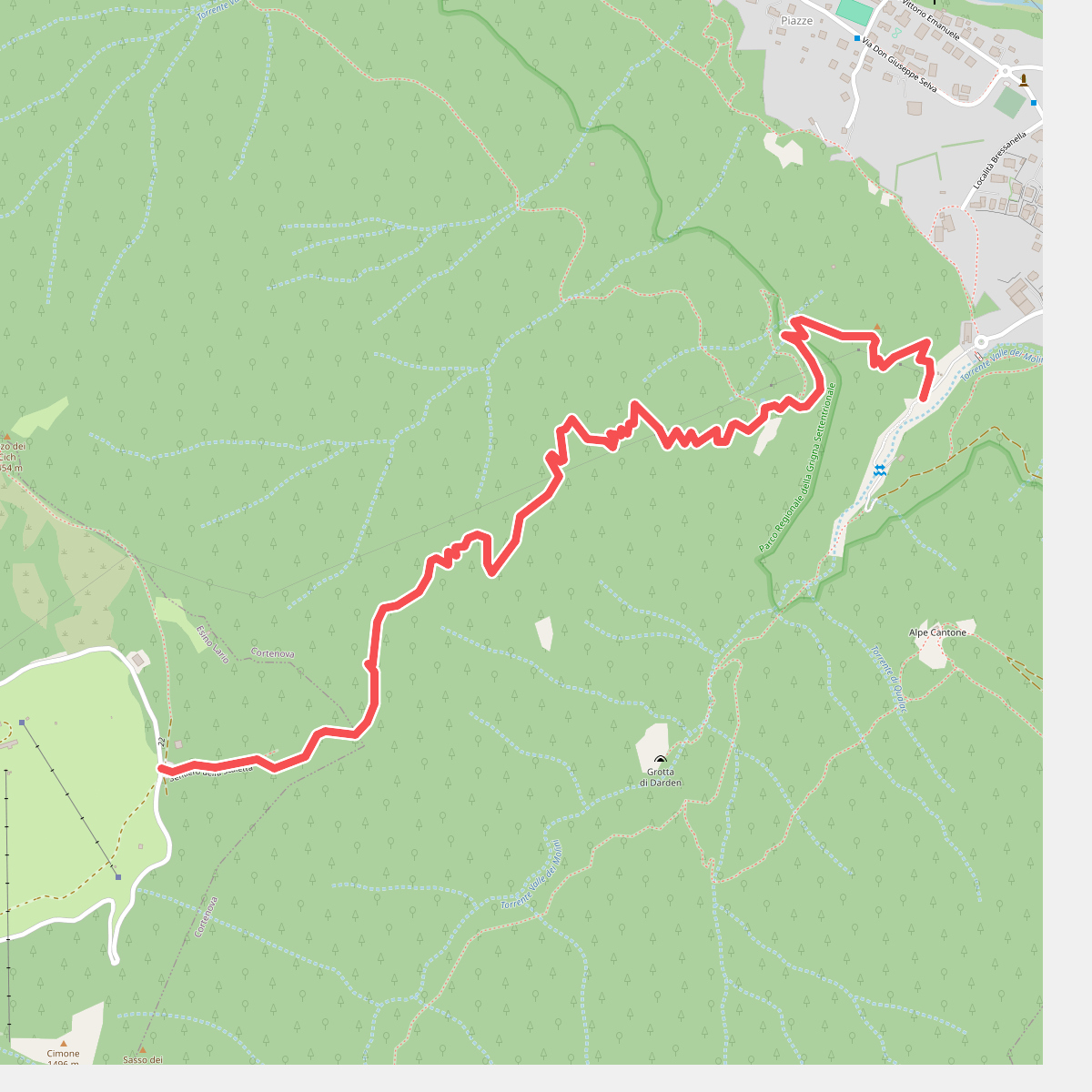
#10. Sentiero 38: Sentiero della Scaletta
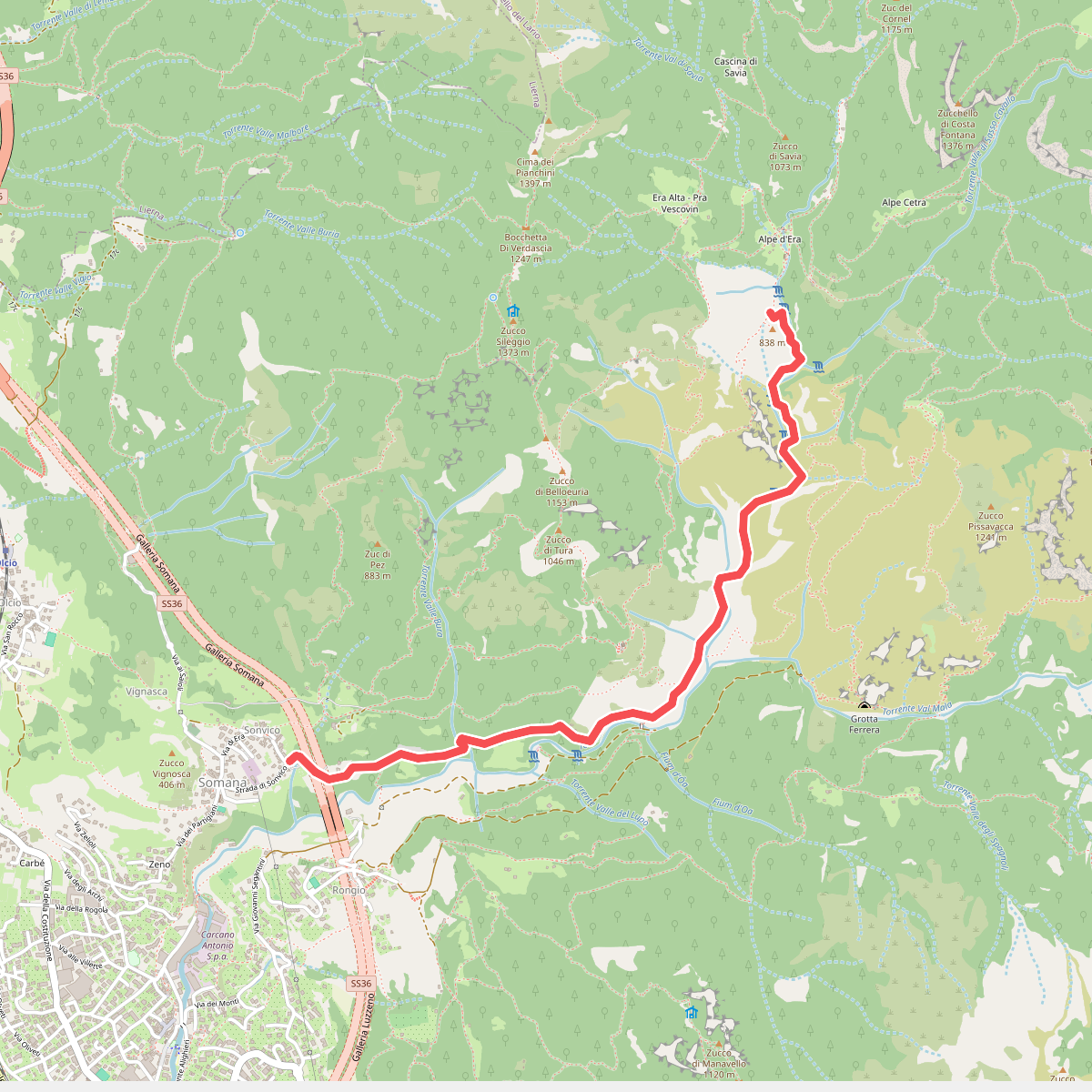
#11. Sentiero del Fiume