
The best hiking routes in Dubysos regioninis parkas
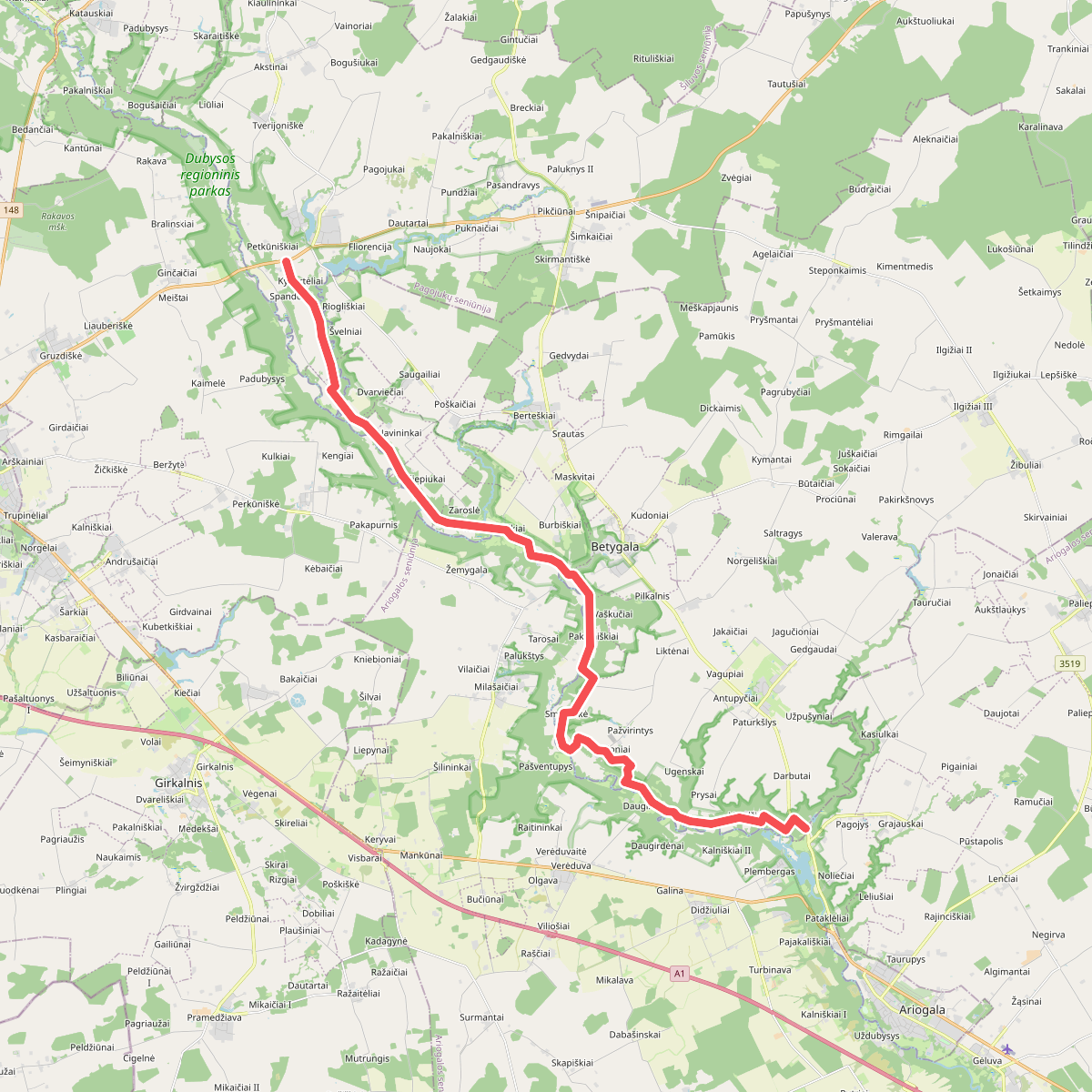
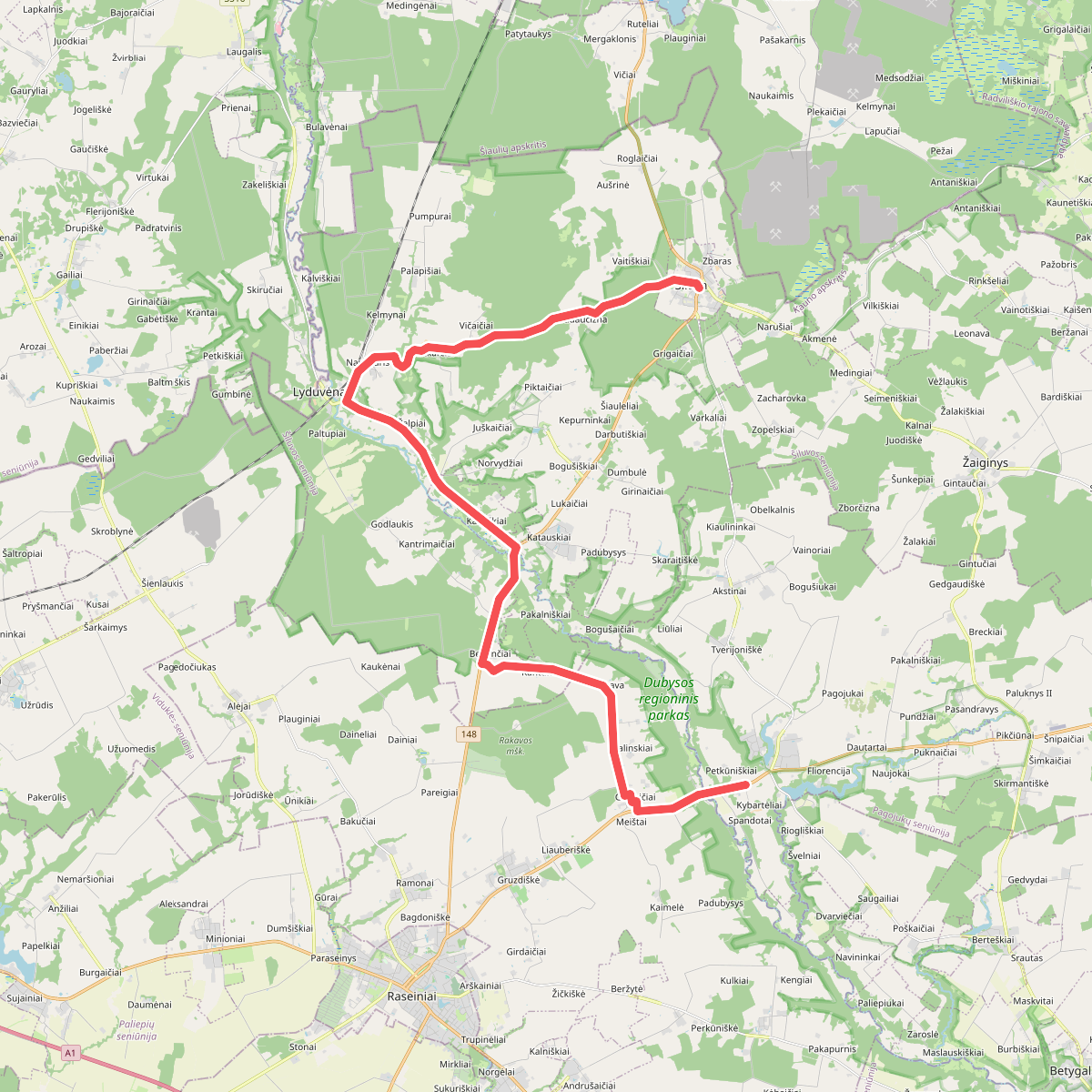
Discover the best walks in Dubysos regioninis parkas. 2 routes on the map, with descriptions, photos and GPX.
About Dubysos regioninis parkas
Dubysos regioninis parkas is defined by the deep, steep-sided valley of the Dubysa River, which cuts through the surrounding flat agricultural plains of central Lithuania. Unlike flatter regional parks, this area offers significant elevation changes along the valley slopes, where erosion has created numerous lateral ravines and gullies. The landscape transitions sharply from the wide, grassy floodplains at the valley bottom to dense deciduous and mixed forests clinging to the steep clay and sandy banks.
Read more
About Dubysos regioninis parkas
Dubysos regioninis parkas is defined by the deep, steep-sided valley of the Dubysa River, which cuts through the surrounding flat agricultural plains of central Lithuania. Unlike flatter regional parks, this area offers significant elevation changes along the valley slopes, where erosion has created numerous lateral ravines and gullies. The landscape transitions sharply from the wide, grassy floodplains at the valley bottom to dense deciduous and mixed forests clinging to the steep clay and sandy banks.
Read moreDubysos regioninis parkas is defined by the deep, steep-sided valley of the Dubysa River, which cuts through the surrounding flat agricultural plains of central Lithuania. Unlike flatter regional parks, this area offers significant elevation changes along the valley slopes, where erosion has created numerous lateral ravines and gullies. The landscape transitions sharply from the wide, grassy floodplains at the valley bottom to dense deciduous and mixed forests clinging to the steep clay and sandy banks.
Underfoot, walkers will find a mix of dirt tracks, grassy paths along the riverbanks, and occasional wooden steps to help negotiate the steepest climbs up the valley walls. The river itself loops constantly, meaning views open up to reveal high bluffs and loops of water rather than long, straight vistas. Springs seep out of the slopes in many places, creating damp patches of clay and small streams that cross the paths before reaching the main river.
In May, the slopes are covered in fresh green wild garlic and anemones, while late autumn reveals the structural shape of the ravines as the leaves fall. The park is well-suited for those who prefer loop walks that combine riverside walking with climbs to high viewpoints, though it lacks the vast pine barrens or extensive peat bogs found in other Lithuanian parks.